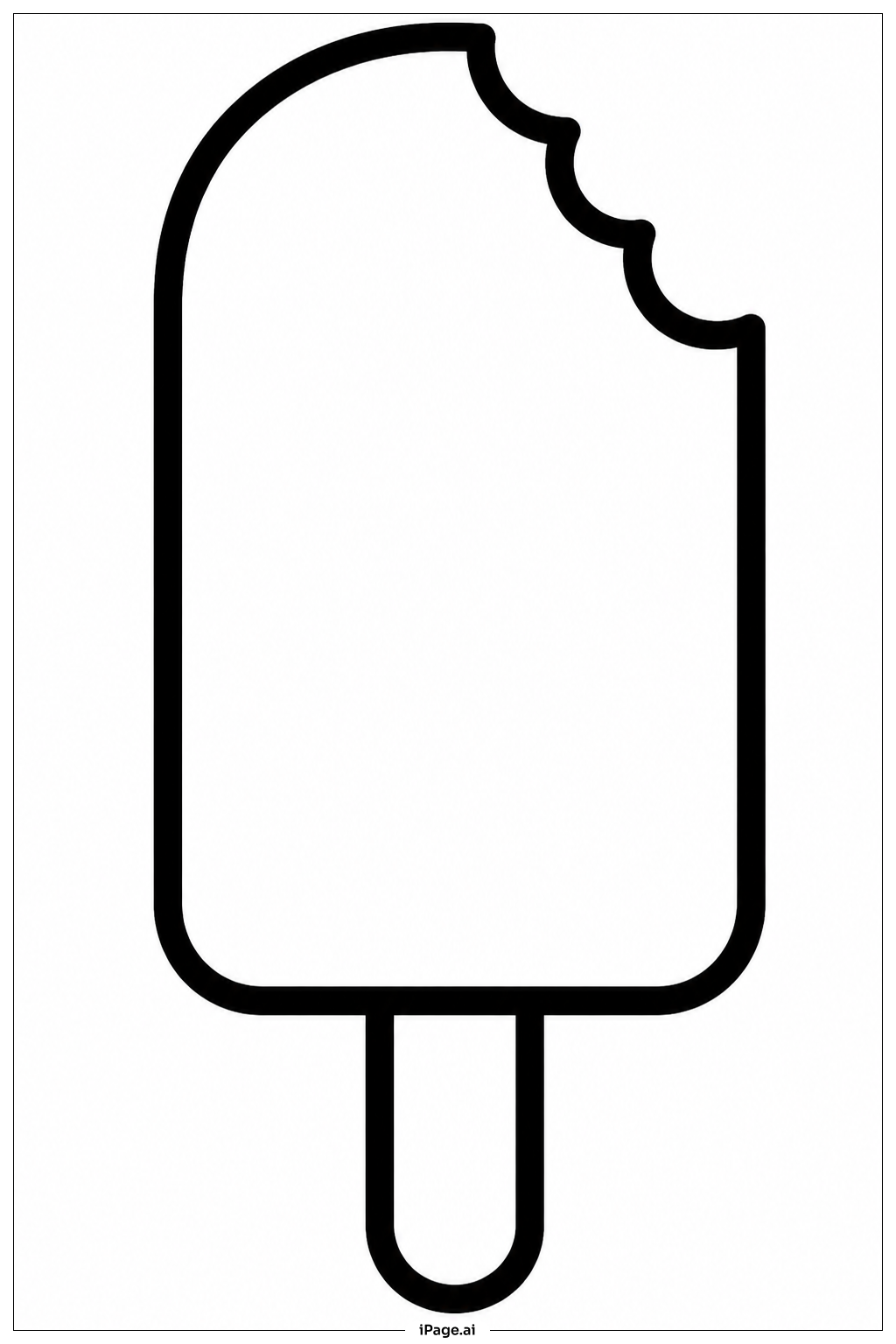
Coloring tips: How to color Popsicle With Bite coloring page well?
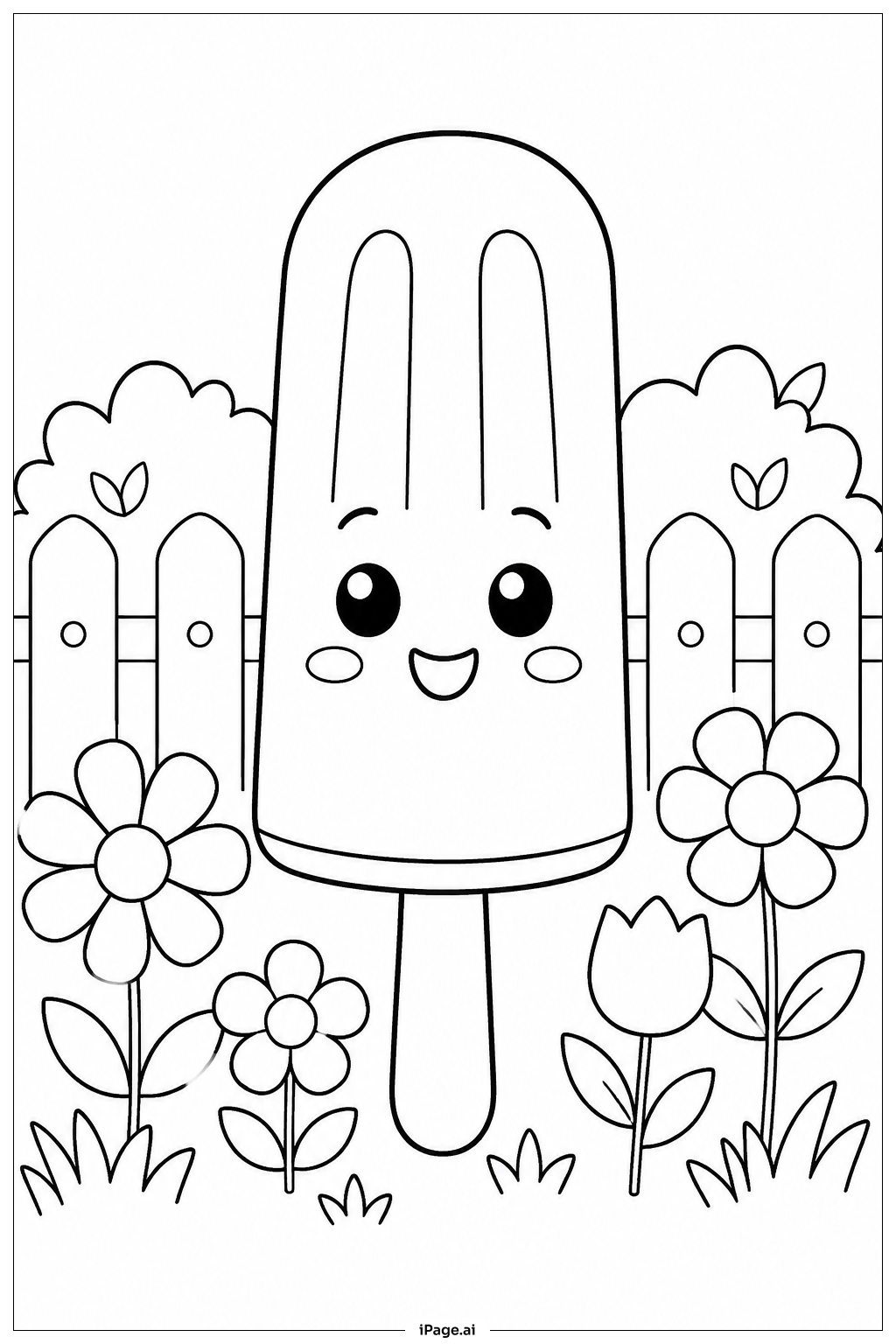
When coloring this popsicle, try using bright, cheerful colors like red, orange, yellow, or pink to make it look juicy and delicious. You can color the bitten area with a lighter shade of the same color to show it’s the inside of the popsicle. The wooden stick can be shaded using light browns or tans to give it a natural look. For added creativity, you could add sprinkles or little patterns on the popsicle’s surface in contrasting colors. Try blending colors gently to show the texture and rounded edges, making it look more three-dimensional and tasty. Use your favorite colors to make your popsicle unique and fun!
Coloring challenges: Which parts are difficult to color and need attention for Popsicle With Bite coloring page?
- The bite area has an uneven edge and subtle texture differences inside the popsicle, so coloring it carefully to show depth can be tricky for young artists.
- Keeping the popsicle’s shape neat while coloring, especially the rounded corners and edges, requires careful control of coloring tools.
- Coloring the wooden stick evenly with natural wood tones needs smooth shading so it doesn’t look flat but also stays simple.
- Blending colors on the popsicle surface to create a juicy effect can be a challenge, especially for beginners learning to layer colors.
- Maintaining clean lines and not coloring outside the sticks and popsicle’s silhouette is important for a polished look, which may require patience and focus.
Benefits of coloring books: Advantages of drawing Popsicle With Bite coloring page
Coloring this popsicle image helps children develop fine motor skills by practicing careful strokes around its rounded shape and the bite details. It encourages creativity as kids choose colors and experiment with shading and textures to make the popsicle come alive. The simple yet detailed design promotes focus and patience while working within the lines. It also helps children understand contrast by coloring the outside and the bitten inside differently. For younger children, it’s a fun way to explore color combinations and learn about food objects, enhancing their vocabulary and imagination.