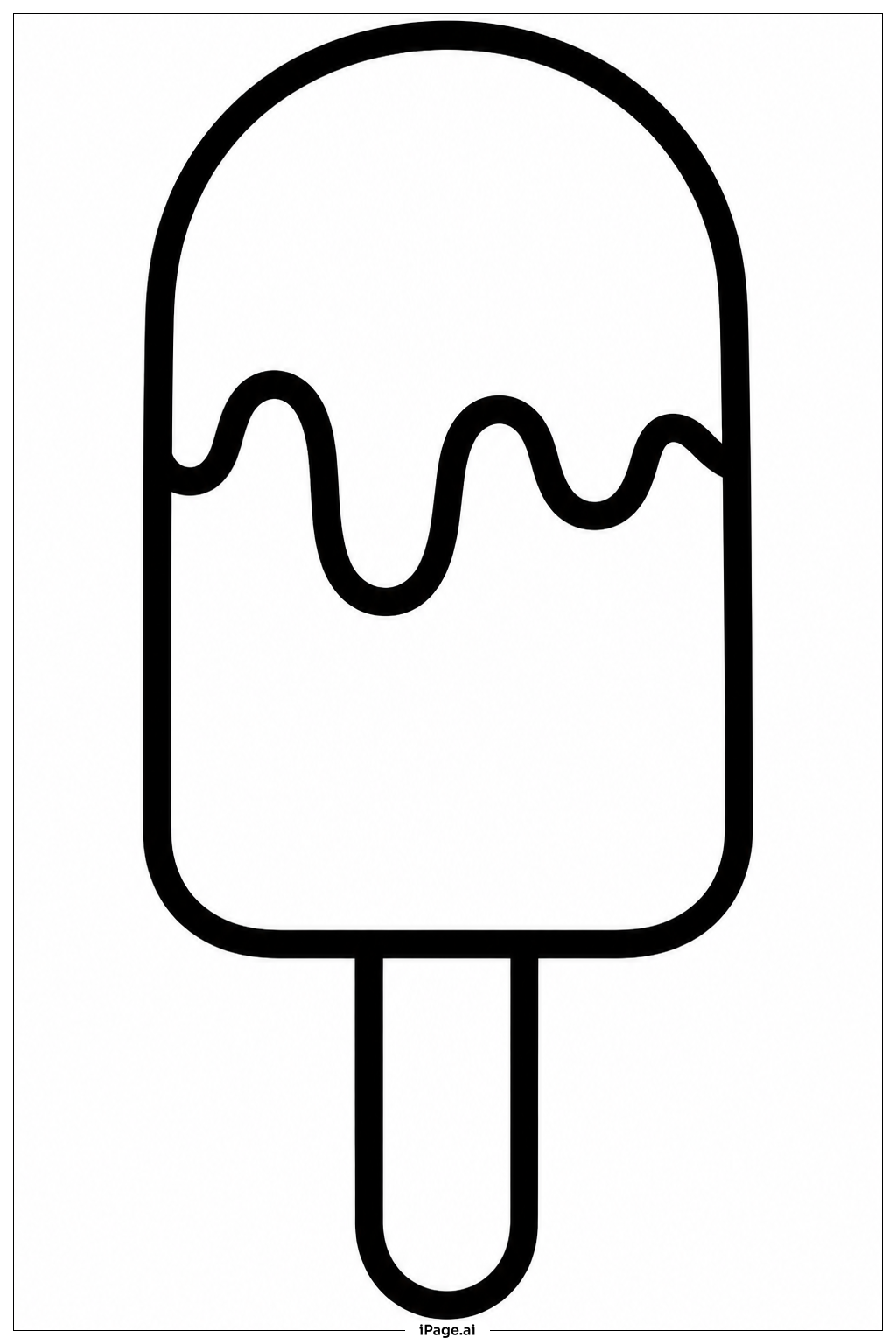
Coloring tips: How to color Chocolate Dipped Popsicle coloring page well?
For this Chocolate Dipped Popsicle image, you can use rich, dark brown shades to color the chocolate coating to create a realistic look. Try using different browns, like milk chocolate and dark chocolate, to add depth and make it look glossy. For the popsicle part that isn’t dipped, use bright and fun colors like red for strawberry, orange for mango, or yellow for lemon. You can also experiment with blending soft pastel colors for a creamy effect. The stick can be colored a light beige or tan to look like real wood. Adding little white highlights on the chocolate can give it a shiny, melted look. Have fun mixing colors and making your popsicle look tasty and tempting!
Coloring challenges: Which parts are difficult to color and need attention for Chocolate Dipped Popsicle coloring page?
• Capturing the shiny texture of the chocolate coating can be tricky. You need to show how light reflects differently on the melted chocolate versus the solid popsicle under it.
• The dripping chocolate lines are thin and curved, requiring steady hand control to stay inside the lines while coloring.
• Coloring the exposed popsicle part means choosing colors that contrast well with the dark chocolate but still look natural for a fruit or creamy flavor.
• The stick is narrow and long, so coloring it evenly without going outside the lines may require focus.
• Balancing bright vibrant colors for the popsicle with the dark chocolate without overwhelming the image can be a delicate challenge for color harmony.
Benefits of coloring books: Advantages of drawing Chocolate Dipped Popsicle coloring page
Coloring this Chocolate Dipped Popsicle helps children develop fine motor skills as they carefully fill small and narrow spaces like the chocolate drips and stick. It also encourages creativity in choosing colors and blending shades to produce a realistic or imaginative result. The contrast between the dark chocolate and bright popsicle enhances color recognition and teaches about complementary colors. Coloring such a tasty treat can also bring joy and stimulate the senses, making the activity both fun and relaxing. For older kids, it’s a great way to practice patience and attention to detail while expressing their artistic style.