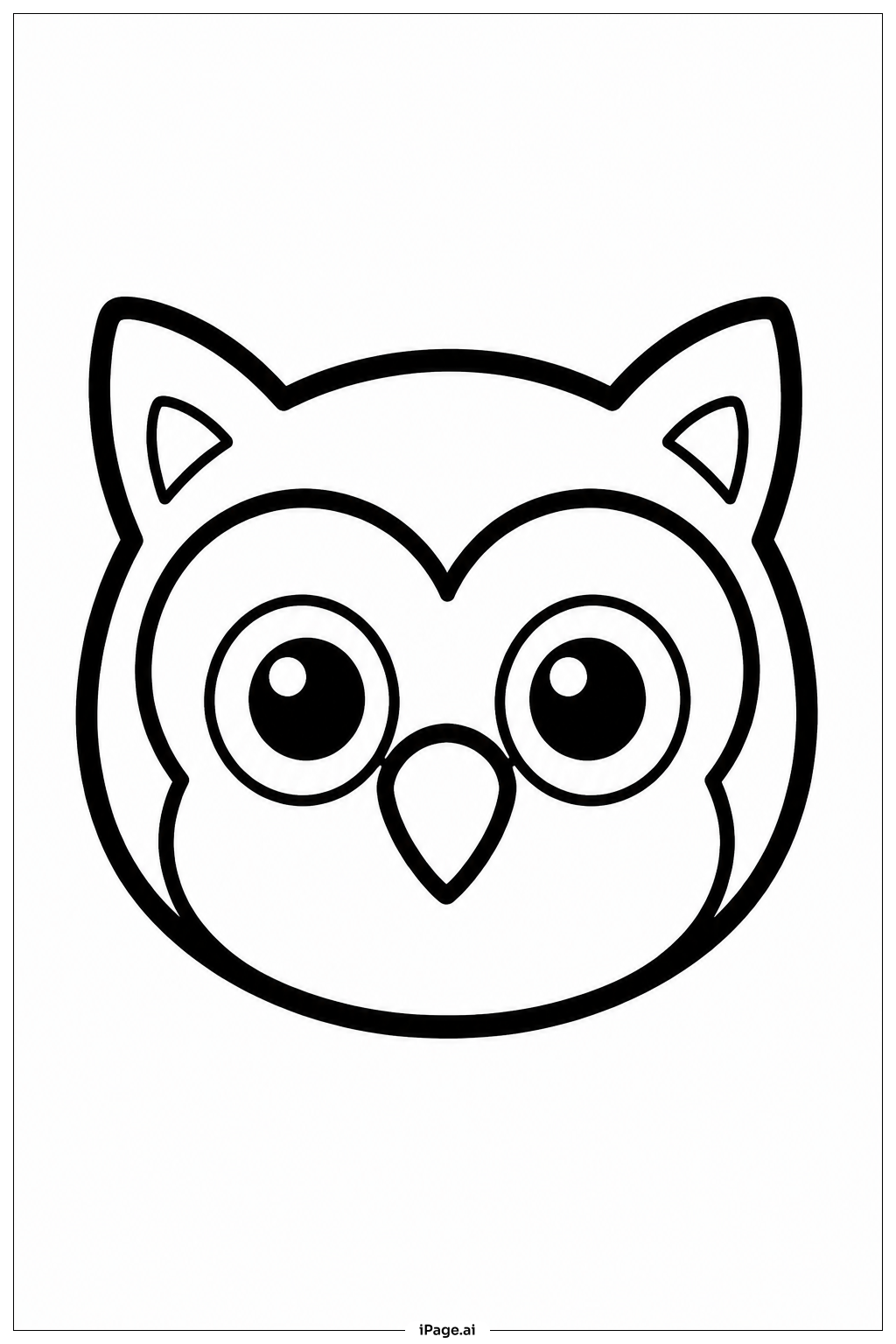
Coloring tips: How to color Smiling Owl Face coloring page well?
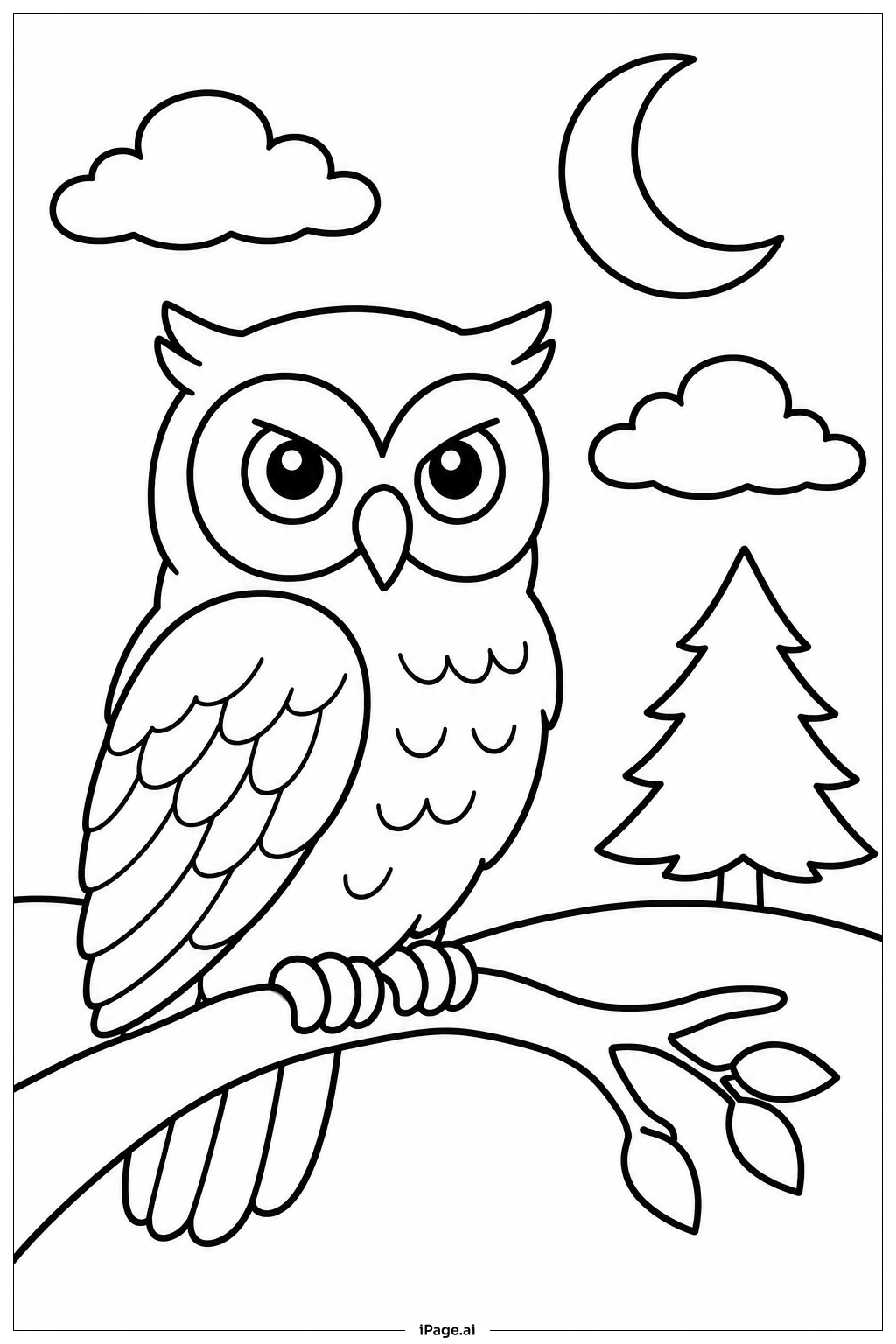
Start with the large eyes to anchor the whole face. Use bright golden yellow or amber for the irises, and leave the highlight circles white for a lively, sparkling effect. Color the pupils deep black or dark brown. For the beak, try a warm orange or light tan shade. The facial feathers can be layered in earthy tones — soft browns, creams, and warm grays work beautifully together. Use lighter shades near the center of the face and gradually deepen the color toward the outer edges to create a natural, rounded look. For a fun and playful twist, kids can try unexpected colors like purples, pinks, or teals on the feathers. Adding gentle shading with a slightly darker pencil along the edges of each feather layer will give the owl a soft, fluffy, three-dimensional feel. Take your time with each section and enjoy building up the colors layer by layer.
Coloring challenges: Which parts are difficult to color and need attention for Smiling Owl Face coloring page?
• Large Round Eyes: The owl's oversized eyes are the focal point of the image, and getting them right takes care. The irises need a smooth, even fill of a bright color like amber or gold, while the pupils require a steady hand to keep them neat and centered. Leaving the small highlight spots uncolored adds life to the eyes, but avoiding those tiny areas without smudging takes precision, especially for younger colorists.\n\n• Layered Feather Patterns: The face is covered in overlapping rows of feathers, each outlined individually. Coloring each feather separately while keeping the transitions between layers looking natural is one of the trickiest parts of this image. Maintaining color harmony across many small sections without making the face look patchy or disconnected requires patience and planning.\n\n• Subtle Shading and Depth: Creating a sense of roundness and fluffiness in the feathers is challenging without shading. Going from light to dark across the face helps it look three-dimensional, but blending tones smoothly within small feather shapes is difficult, particularly with crayons or markers that do not blend as easily as colored pencils.\n\n• Small Beak Details: The beak is a compact shape nestled between the feathers. Staying inside its clean outline while using a contrasting color like orange or yellow requires a fine-tipped tool and a careful touch. It is easy to accidentally color outside the lines in this tight central area.\n\n• Consistent Color Theme: With so many individual feather sections, keeping a consistent and harmonious color palette across the entire face can be difficult. Planning ahead and choosing two or three complementary shades before starting will help avoid a mismatched or overly busy result.
Benefits of coloring books: Advantages of drawing Smiling Owl Face coloring page
Coloring this smiling owl face offers a wide range of wonderful benefits for kids and beginners alike. The friendly expression on the owl makes it an inviting and enjoyable image to work on, helping young colorists feel relaxed and motivated from the very start. Focusing on staying within the detailed feather lines builds fine motor skills and strengthens hand-eye coordination, which supports everyday tasks like writing and drawing. Working through the many small feather sections encourages patience and teaches kids to slow down and pay attention to detail. Choosing colors for the eyes, beak, and feathers sparks creativity and gives children a chance to make their own artistic decisions, building confidence in their own ideas. The repetitive motion of coloring section by section also has a naturally calming effect, making it a great activity for winding down or relieving stress. Completing the full image gives a strong sense of accomplishment that boosts self-esteem. The owl's cheerful, smiling face makes the whole experience feel positive and fun, turning a simple coloring activity into a joyful creative moment that children will want to revisit again and again.