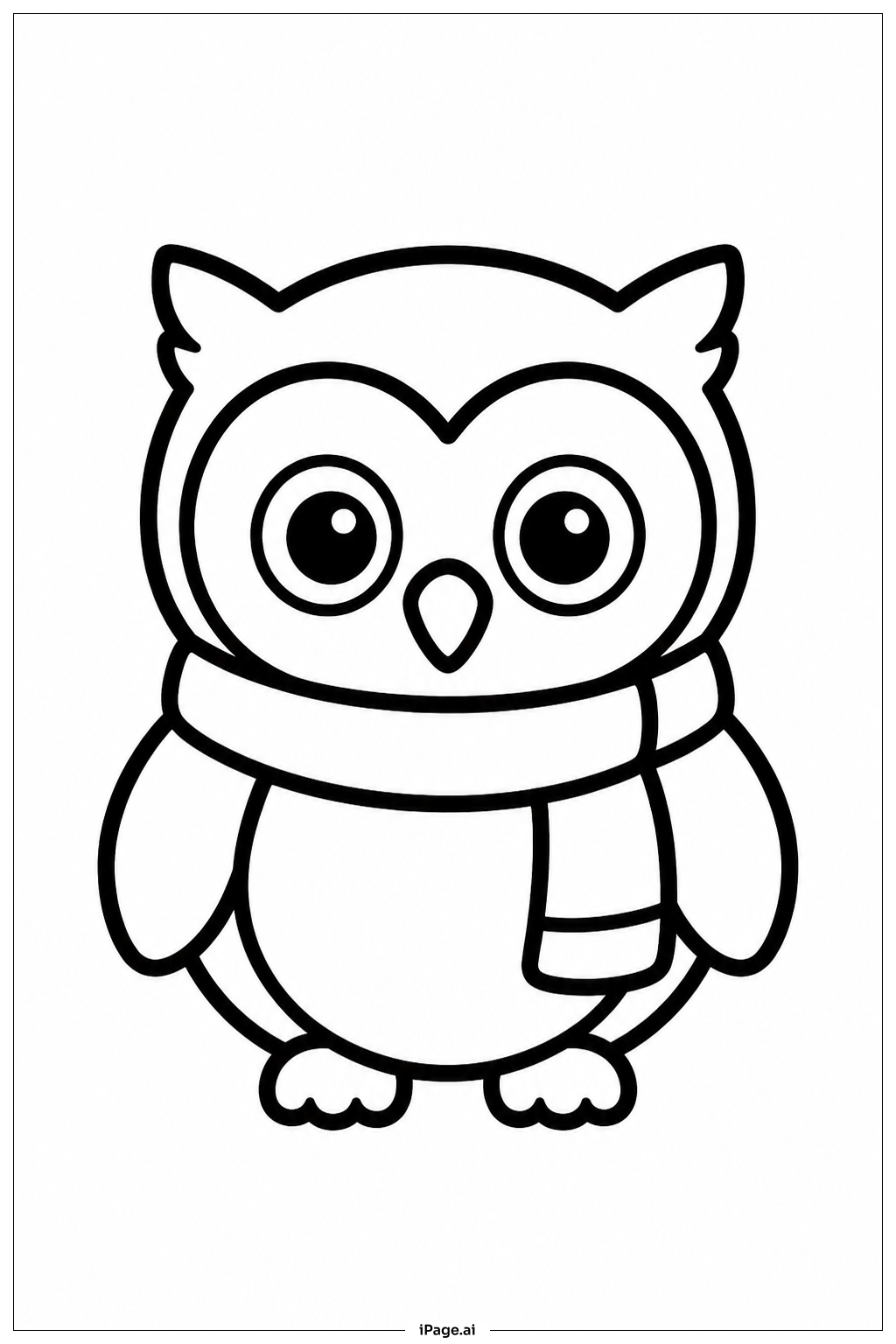
Coloring tips: How to color Owl With Scarf coloring page well?
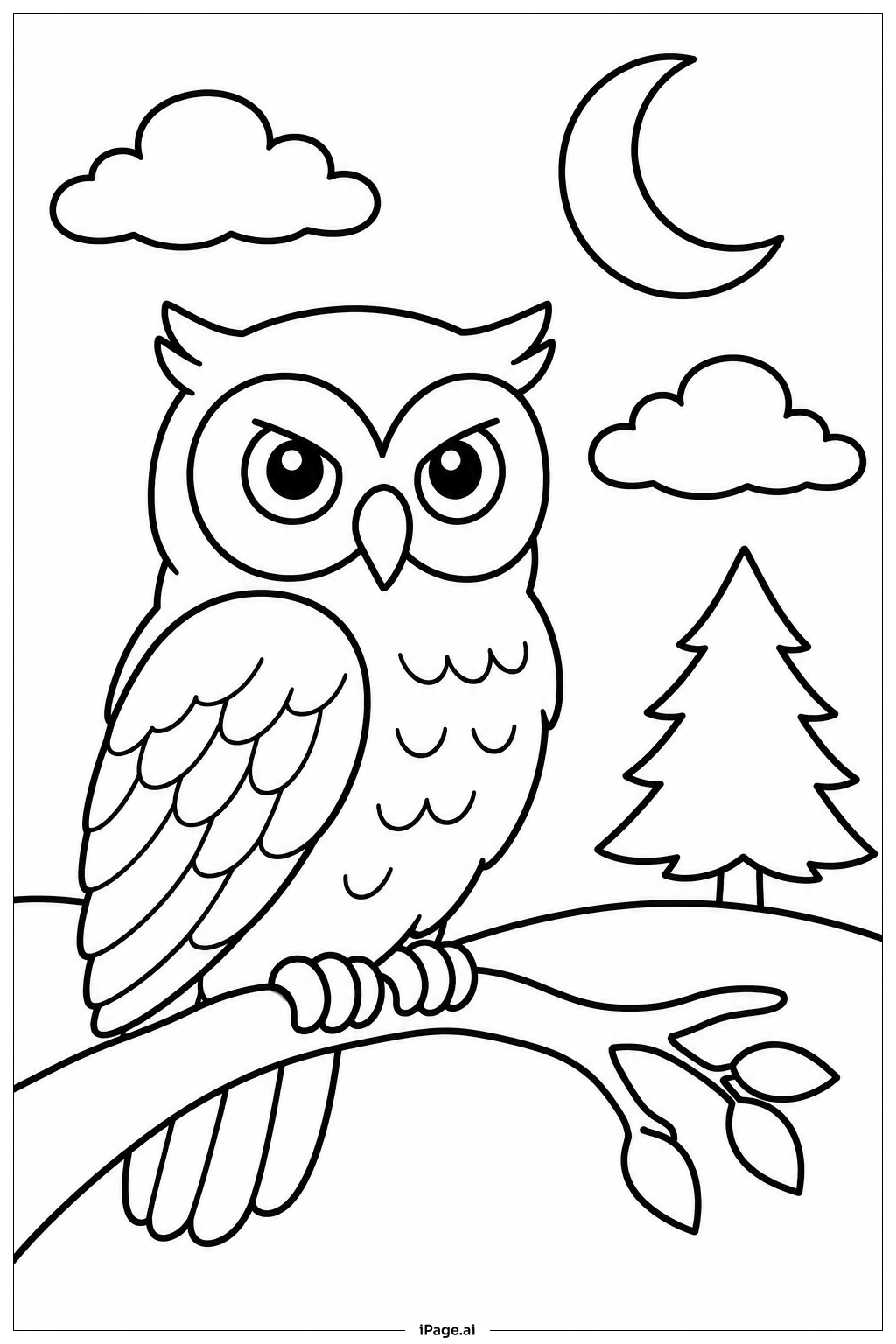
Start with the owl's large eyes — use bright yellow or golden tones for the irises and black for the pupils to make them pop. For the feathers, try layering warm browns, tans, and creams to create a natural, realistic look. You can also go creative with cool grays or even purples for a fantasy feel. The chest feathers look great in a lighter shade, like ivory or soft white, to contrast with the darker wing feathers. For the scarf, pick a bold, cheerful color like red, teal, or orange to make it stand out. Stripes or patterns on the scarf can be colored in two or more contrasting colors for a fun effect. The branch can be done in earthy browns and greens. Use darker shades along the edges of feather clusters to add depth and dimension. Take your time on the small details — they make the finished page look amazing!
Coloring challenges: Which parts are difficult to color and need attention for Owl With Scarf coloring page?
• Large Expressive Eyes: The owl's big round eyes are a focal point of the image. Getting the shading right inside the eyes — including highlights, the iris color, and the deep black pupils — can be tricky. Leaving a small white spot uncolored for the light reflection makes the eyes look alive and adds a lot of character to the finished piece.
• Layered Feather Details: The owl's body is covered in many overlapping feathers with fine line details. Coloring each feather individually while keeping a consistent overall color scheme requires patience and careful control of your coloring tool. Using multiple shades of the same color family helps create a natural, textured effect without making the image look flat.
• Scarf Texture and Folds: The scarf has flowing folds and draped ends that create natural shadows and highlights. Capturing the look of soft fabric means you need to shade the deeper folds in a darker version of your chosen color while keeping the raised areas lighter. This kind of gradual shading can be challenging, especially for younger colorists.
• Small Decorative Patterns: Both the feathers and the scarf may include small repeating patterns or line details. Staying within these tiny areas without going over the lines calls for a fine-tipped tool and a steady hand. Colored pencils or fine-tip markers work best for these sections.
• Branch and Background Balance: The branch beneath the owl should complement the overall color palette without drawing too much attention away from the owl itself. Choosing earthy, muted tones for the branch and keeping the background simple helps the owl remain the clear focus of the image.
Benefits of coloring books: Advantages of drawing Owl With Scarf coloring page
Coloring this Owl With Scarf page brings a wide range of benefits for kids and adults alike. For younger children, carefully filling in the owl's feathers, eyes, and scarf helps develop fine motor skills and hand-eye coordination. Learning to stay within the lines and choose colors builds focus and patience in a fun, low-pressure way. For older kids and teens, the layered feather details and fabric folds offer a great opportunity to practice shading and blending techniques, encouraging artistic growth and creative thinking. Choosing a color palette for the owl and scarf also sparks imagination and personal expression — there is no wrong way to color it. For adults, the repetitive, detailed nature of coloring feather patterns is naturally calming and meditative. It gives the mind a chance to slow down and focus on something simple and satisfying, which can help reduce stress and anxiety. The whimsical theme of an owl wearing a scarf also brings a sense of playfulness and warmth that makes the coloring experience especially enjoyable. Finishing the page gives colorists of all ages a real sense of accomplishment and pride in their work.