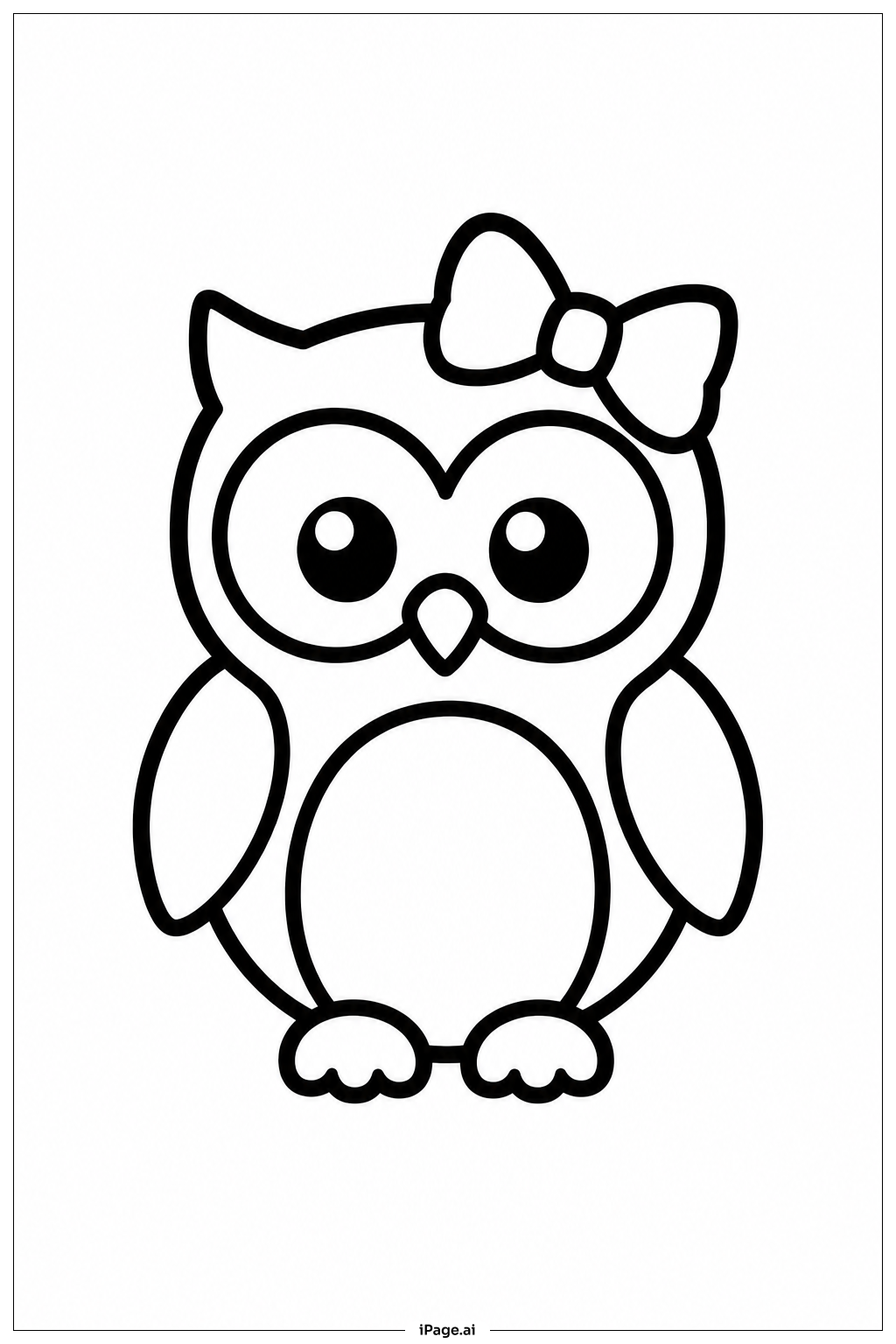
Coloring tips: How to color Owl With Bow coloring page well?
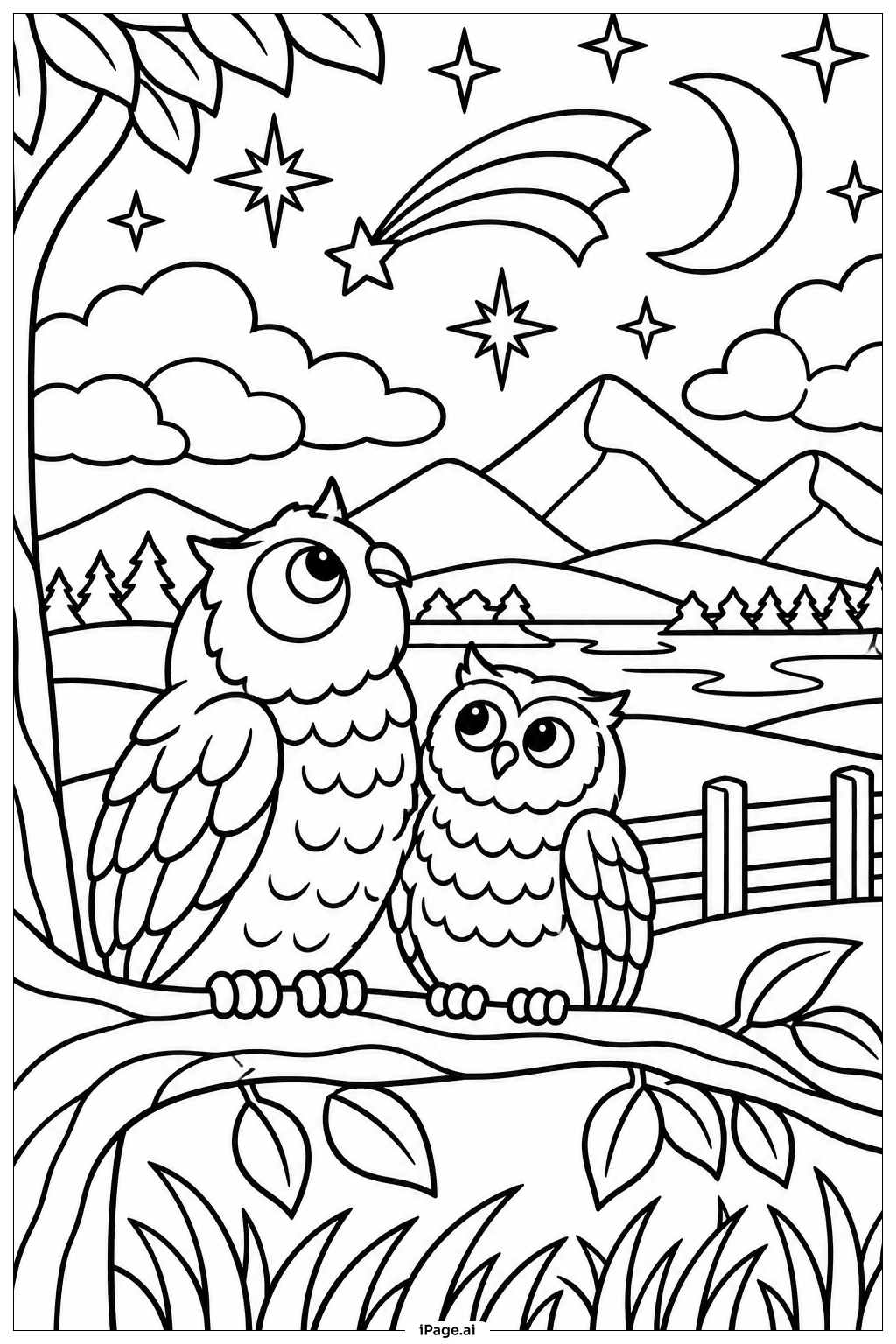
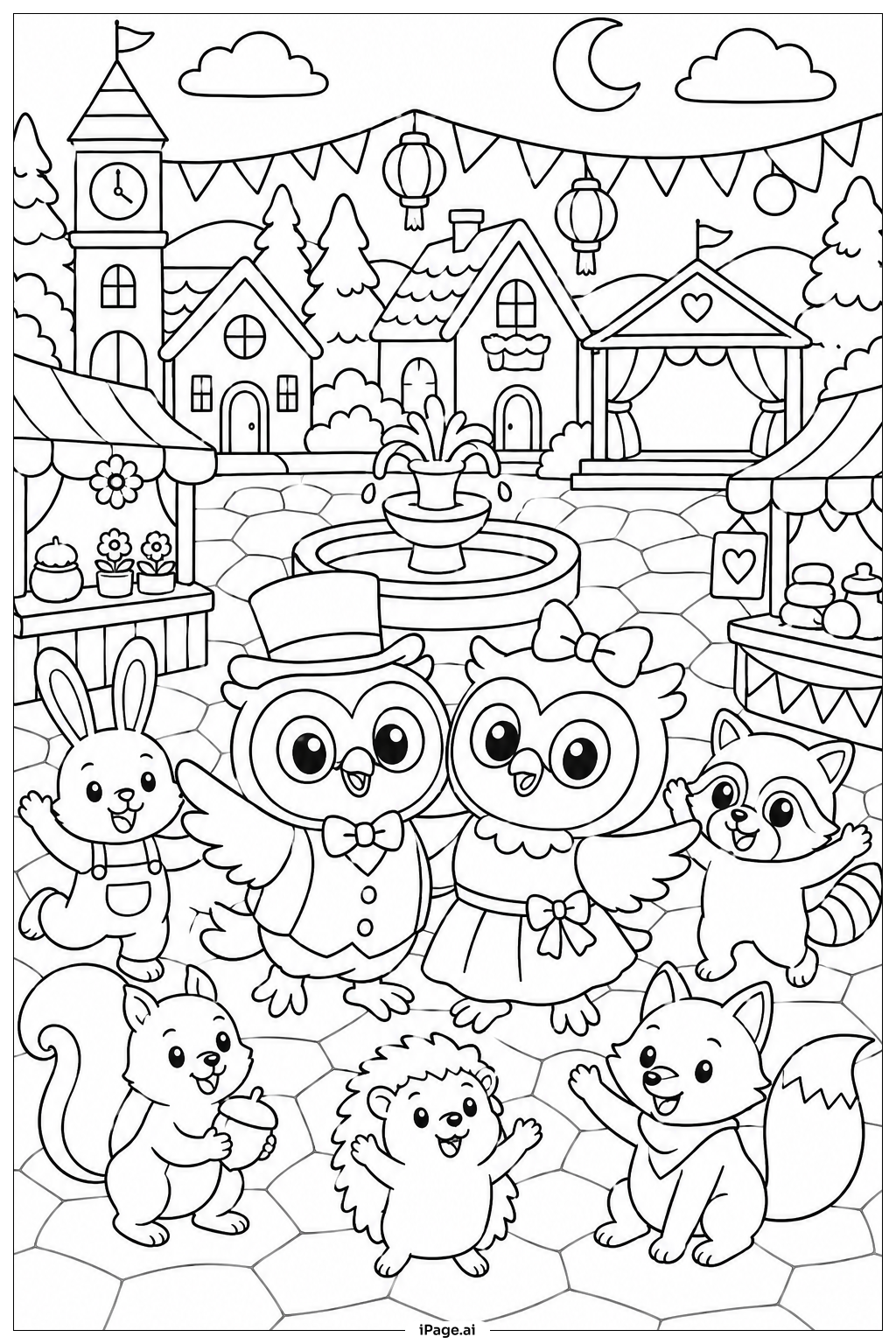
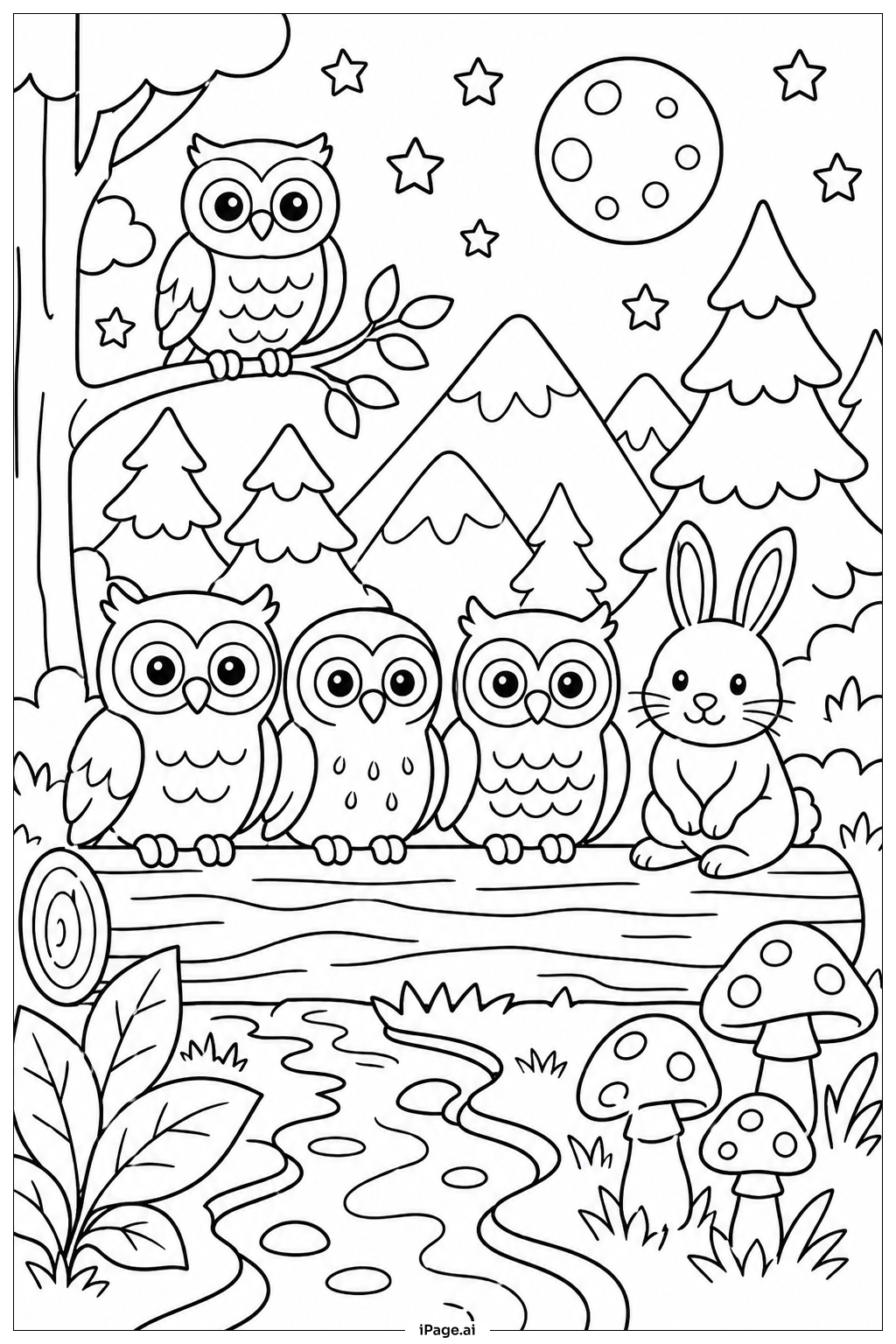
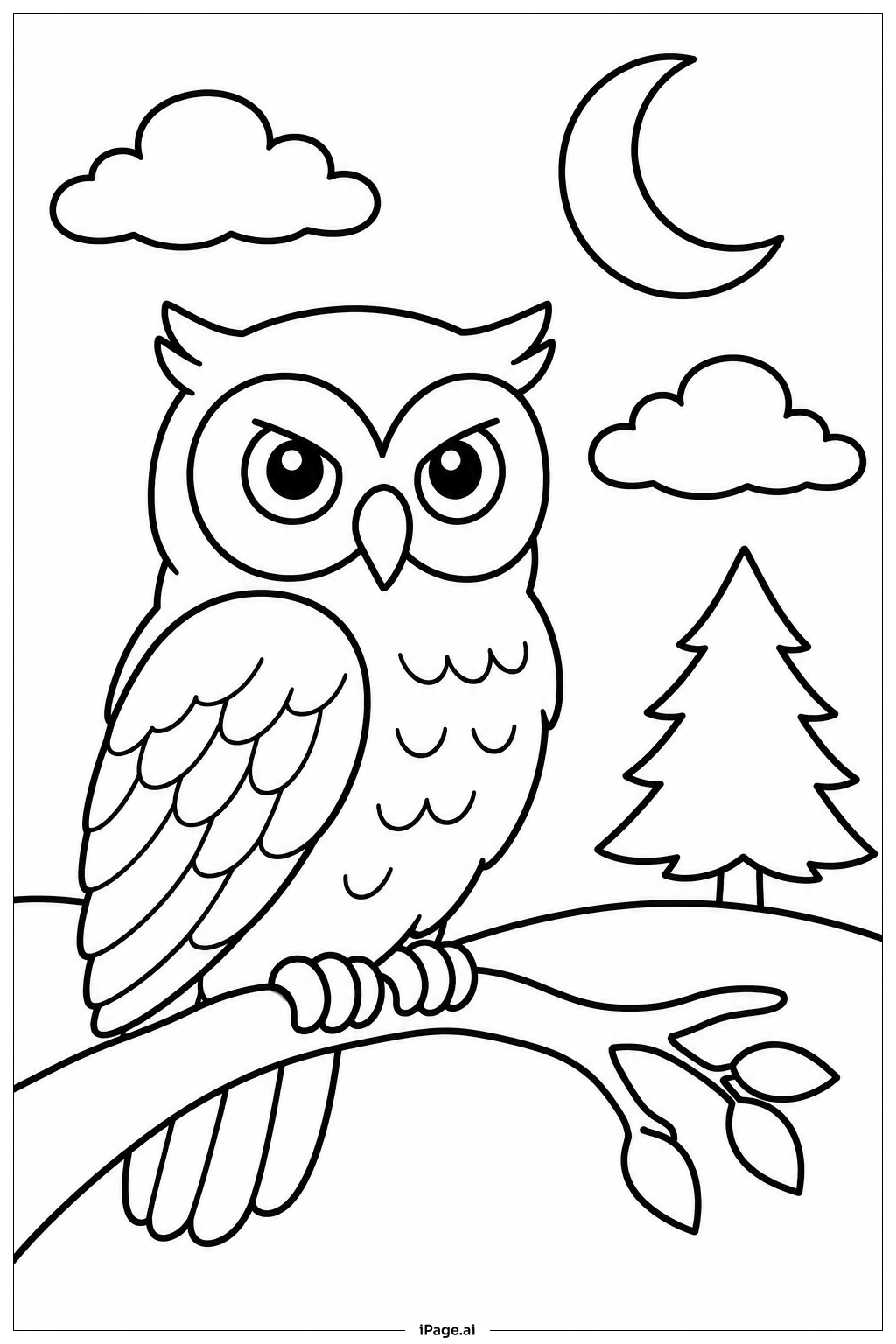
To color this picture, you might want to start with the Owl’s feathers using shades of brown, gray, or even soft blues to give the bird a realistic or magical feel. The eyes can be colored bright yellow or amber to make them stand out. For the bow, consider using bold colors like red, pink, or purple to contrast nicely against the Owl’s feathers. The branch can be colored with earthy browns and greens for any leaves present. Feel free to add your own creative touches, like patterns or glitter effects on the bow, to make your artwork unique and fun. Using colored pencils or crayons with different pressure can help show the softness of feathers and the silky texture of the bow.
Coloring challenges: Which parts are difficult to color and need attention for Owl With Bow coloring page?
• Feather Detail: Coloring the intricate feather patterns requires careful strokes to bring out their texture, which can be tricky for younger children who are still developing fine motor skills. • Bow Shape and Folds: The bow has folds and overlapping parts, making it important to use shading or different color tones to show its 3D shape clearly. • Small Features: The Owl’s eyes, beak, and claws are small areas that need attention to detail when coloring, which can challenge concentration and precision. • Color Contrast: Balancing the contrast between the Owl’s natural colors and the bright bow can be challenging, as too much bold color might overpower the softness of the feathers. • Background and Branch: The branch and any leaves require a steady hand and thoughtful color choice to look natural without distracting from the main Owl character.
Benefits of coloring books: Advantages of drawing Owl With Bow coloring page
Coloring this Owl With Bow image helps children improve their fine motor skills and hand-eye coordination by focusing on detailed parts like feathers and the bow. It encourages creativity through choosing colors and experimenting with textures, such as smooth bow ribbons versus fluffy feathers. Additionally, the task promotes patience and concentration, especially when working on small and detailed areas. The cheerful and friendly design also helps develop a child’s appreciation for nature and art. Overall, coloring this image is a fun way to practice color recognition, develop artistic skills, and enjoy a sense of accomplishment when the picture is brought vividly to life.