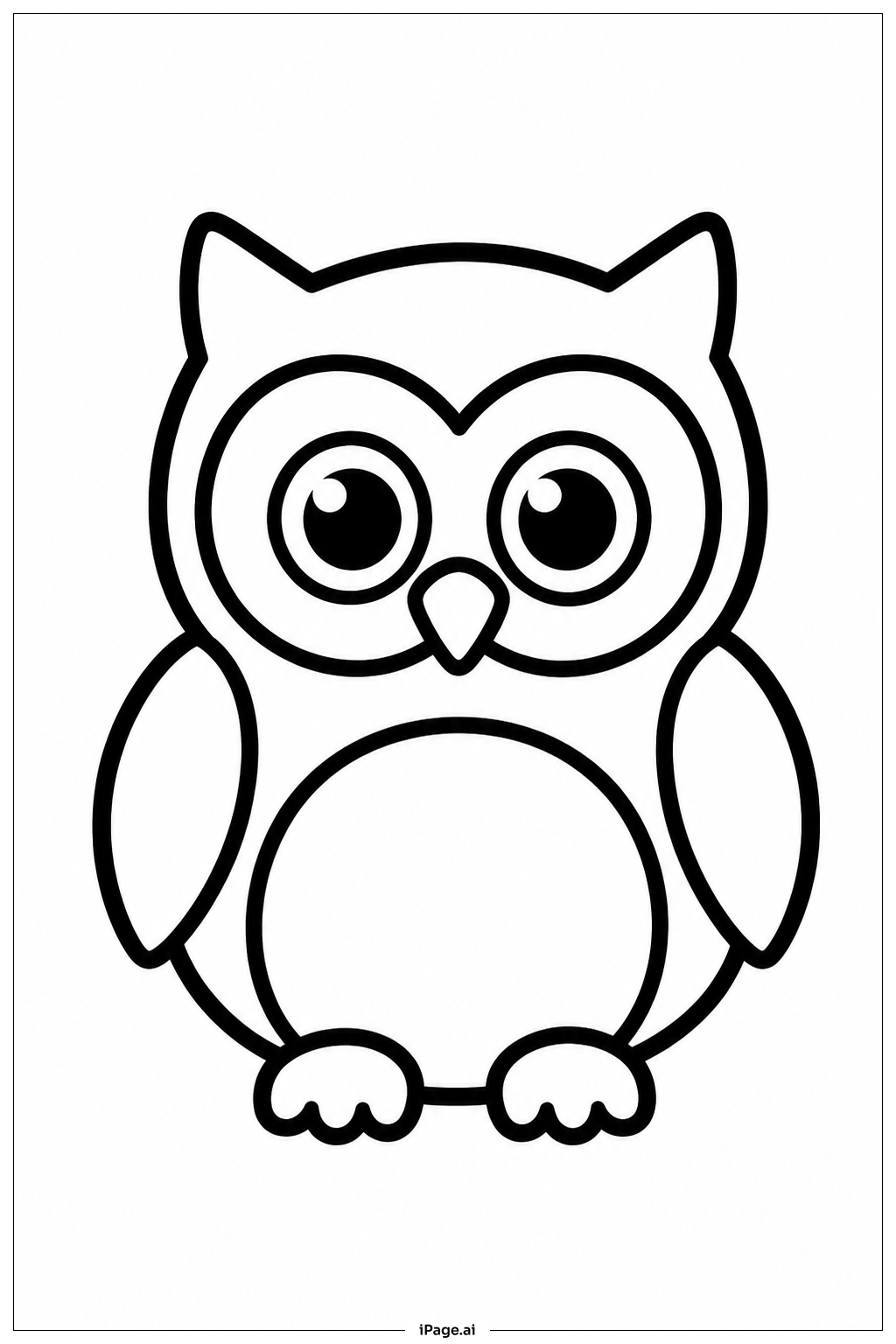
Coloring tips: How to color Owl With Big Eyes coloring page well?
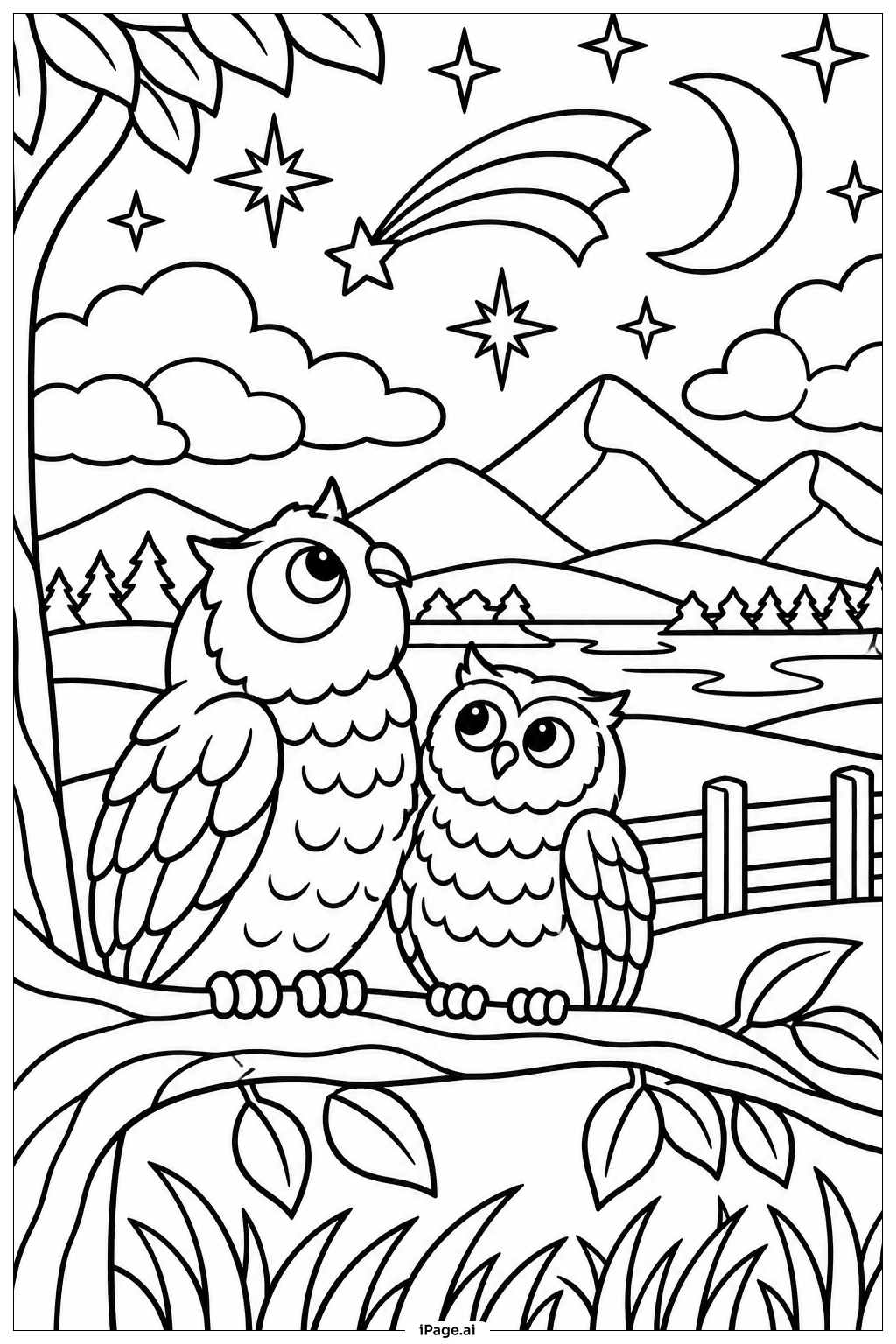
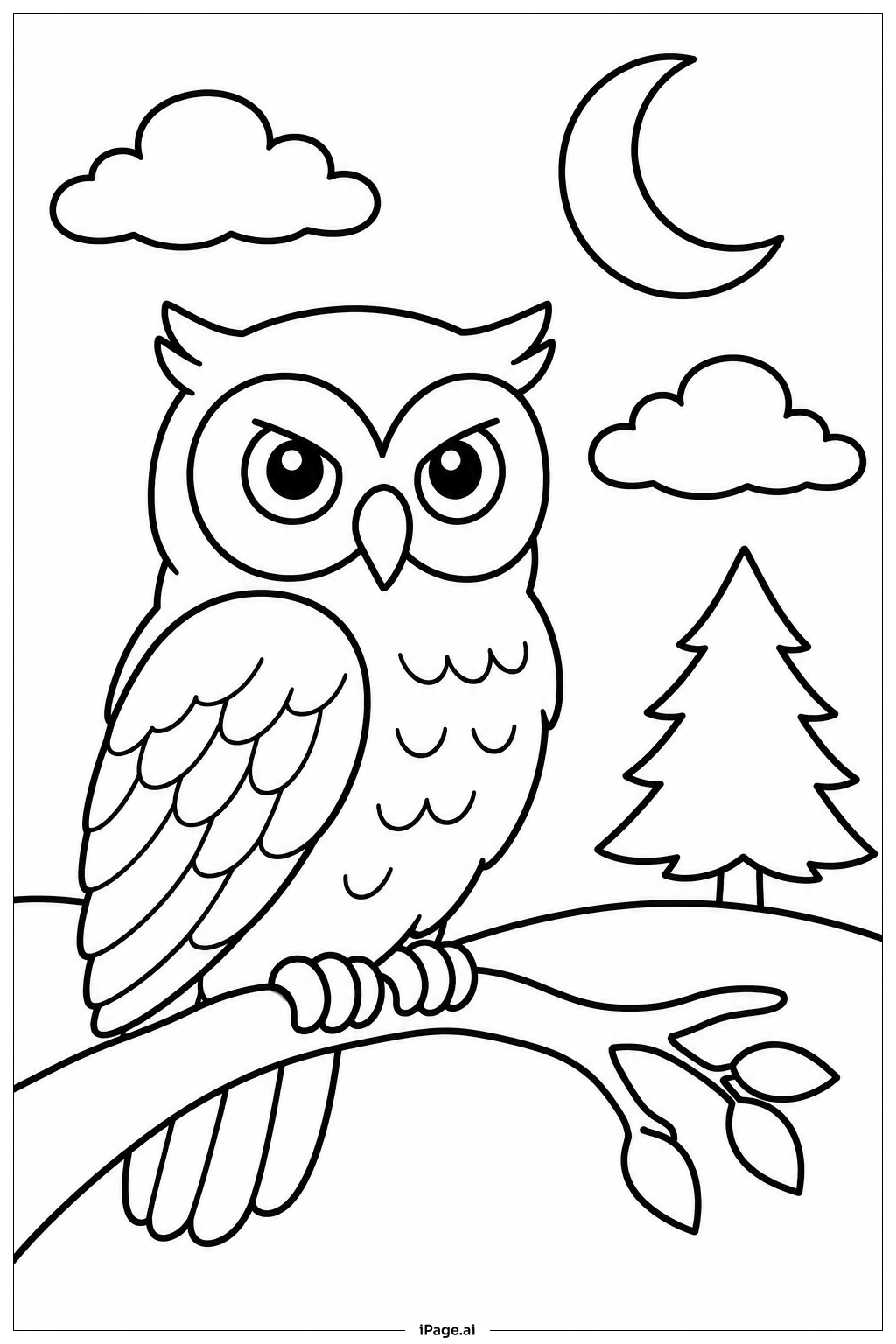
Start with the owl's large eyes. Use bright yellow or golden tones for the irises and leave the highlights white to make them look shiny and alive. For the pupils, go with deep black or dark brown.
Color the feathers in warm earthy tones like tan, brown, orange, or rust. You can use multiple shades to show depth — lighter colors on the chest and darker tones on the wings and back.
Try soft greens and yellows for the leaves and floral decorations around the owl. This will make the owl stand out from the background.
Use a medium brown or gray for the branch. Add a little darker shade along the edges to give it a rounded, realistic look.
Feel free to use bold, bright colors if you want a fun, playful look, or stick to natural earth tones for a more realistic feel. Both styles work great for this design!
Coloring challenges: Which parts are difficult to color and need attention for Owl With Big Eyes coloring page?
• The Large Expressive Eyes: The owl's oversized eyes are the focal point of the image, so coloring them neatly is important. The circular shapes require a steady hand to stay within the outlines. You also need to manage multiple layers — the outer ring, the iris, the pupil, and tiny highlight spots — all within a small space. Rushing this area can make the eyes look muddy or uneven.
• Layered Feather Patterns: The owl's body is covered in rows of overlapping feathers, each with its own inner detail lines. Coloring each feather individually while keeping a consistent shading direction takes patience. Switching between light and dark tones to create depth can be tricky without making the texture look flat or too busy.
• Decorative Surrounding Elements: The floral and leaf designs framing the owl contain small, closely spaced shapes. These tight areas are hard to color without accidentally crossing into a neighboring section. Younger colorists may find it especially challenging to fill these tiny spaces cleanly.
• The Branch and Talons: The branch beneath the owl has a rough, organic texture, and the talons gripping it have narrow curved shapes. Coloring them in a way that looks natural — without flattening the form — requires careful control, especially where the talons overlap the branch.
• Color Balance Across the Whole Image: Choosing colors that work well together across the entire page is a real challenge. The owl, the branch, and the decorative border all need to feel like one harmonious composition. Planning your color palette before you start can help avoid a mismatched final result.
Benefits of coloring books: Advantages of drawing Owl With Big Eyes coloring page
Coloring this owl image is a wonderful activity for kids and adults alike. Here are some of the great benefits it offers:
It builds focus and patience. Working carefully on the feather details and tiny decorative shapes trains the mind to slow down and concentrate, which is a valuable skill for everyday life.
It supports creativity. Choosing colors for the owl, the branch, and the surrounding flowers encourages personal expression. There is no single right answer, so every colorist can make the image their own.
It develops fine motor skills. Staying within the outlines, especially around the small floral details and feather layers, strengthens hand control and pencil grip — skills that help with writing and other detailed tasks.
It reduces stress. The repetitive, calming nature of filling in shapes helps quiet a busy mind. Many people find coloring as relaxing as meditation.
It sparks curiosity about nature. The owl design can inspire kids to learn more about real owls — their habitats, their nocturnal habits, and why their eyes are so large.
Overall, this coloring page is a fun, enriching experience that nurtures both the mind and the imagination.