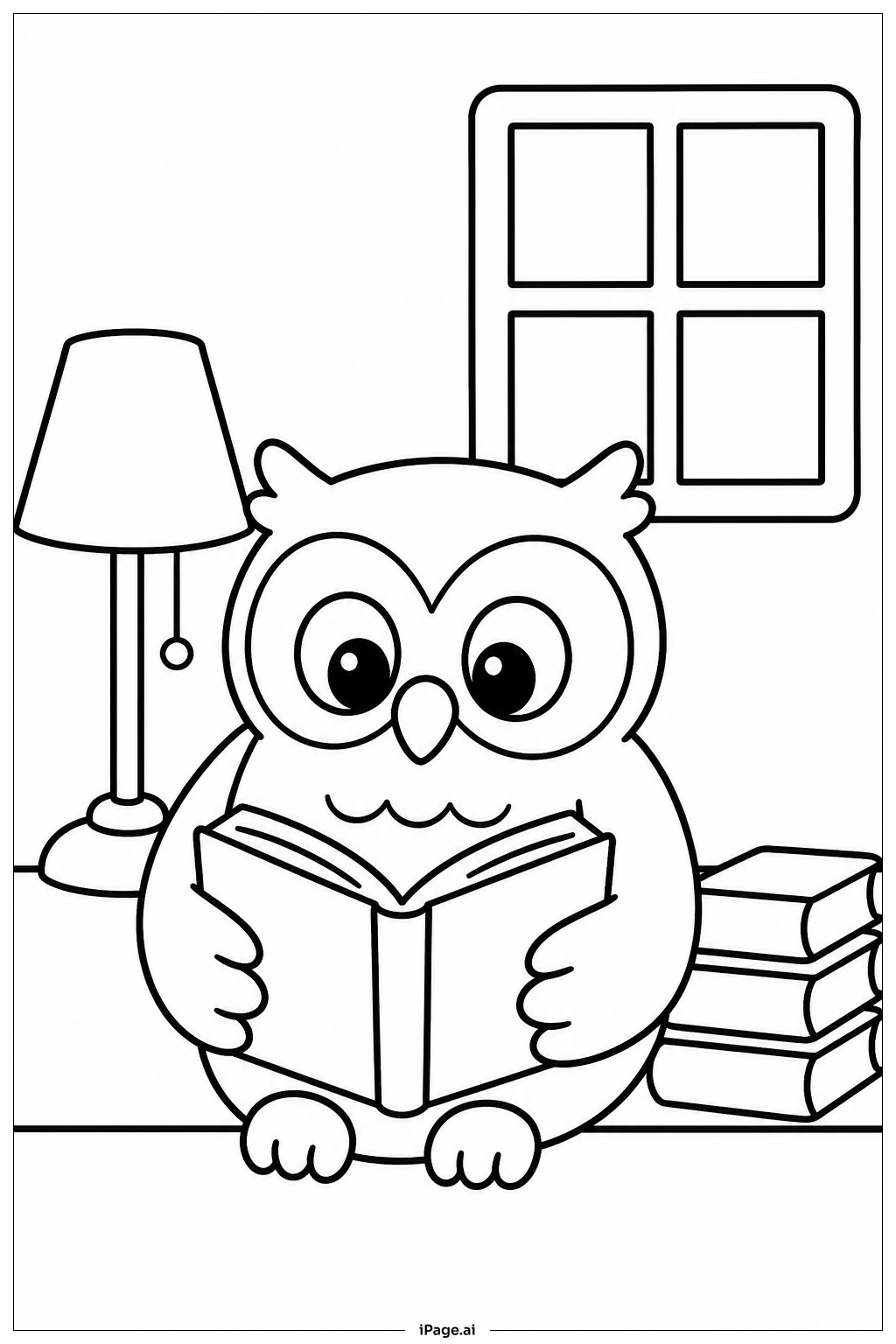
Coloring tips: How to color Owl Reading Book coloring page well?
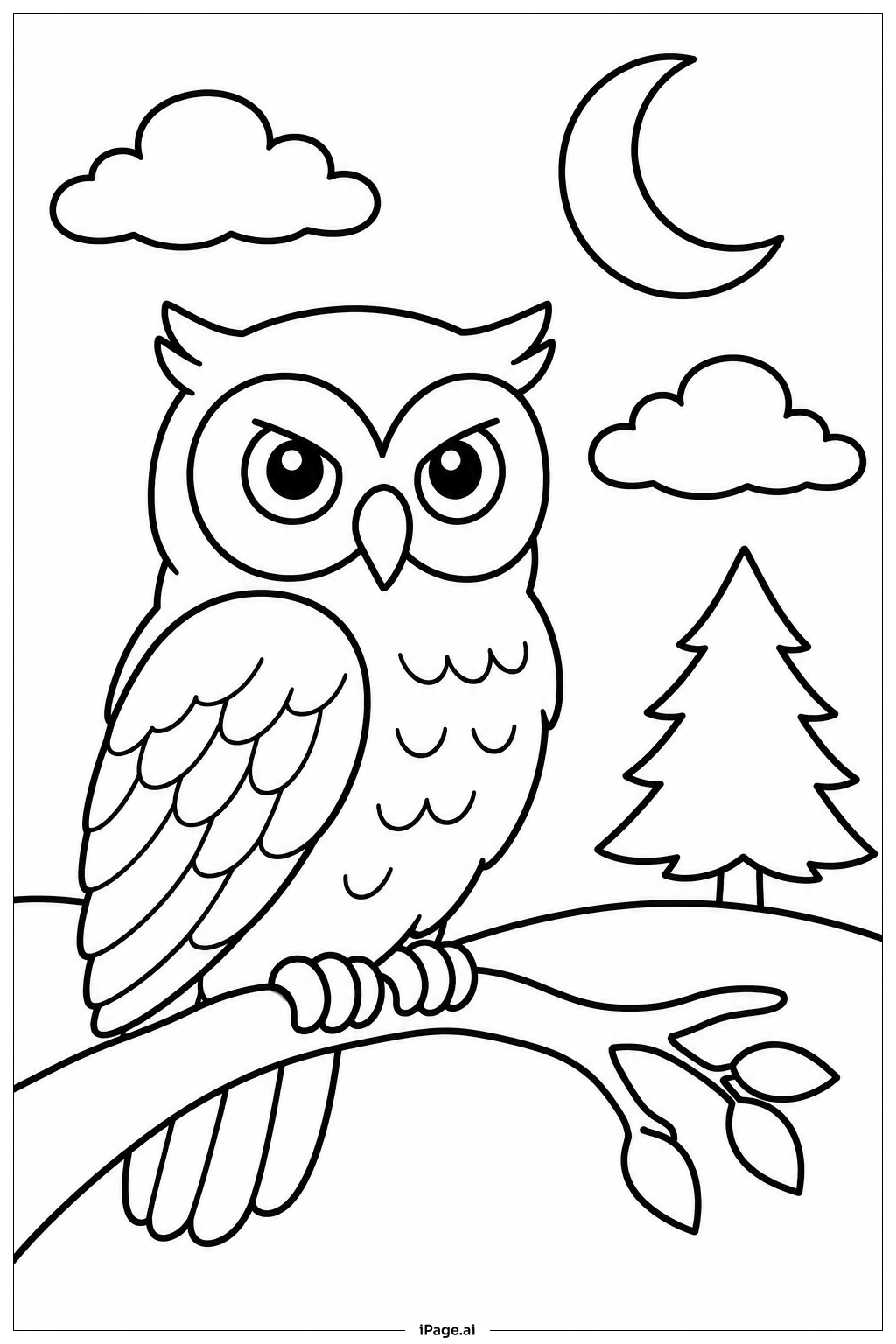
Start with the owl's large eyes. Color the irises in bright yellow, amber, or orange to make them pop. Use a darker shade like black or deep brown for the pupils. For the feathers, try warm browns, tans, and creamy whites to give the owl a natural look. You can also use gray and soft beige for a more gentle feel. Add darker shades along the edges of each feather to create depth and texture. For the book, use light colors like ivory or pale yellow for the pages. The cover can be any bold color you like, such as red, blue, or green. If there is a branch, color it in medium or dark brown. Feel free to add your own creative touch by mixing unusual colors. A purple owl or a rainbow-feathered owl can look amazing too. Have fun and make it your own!
Coloring challenges: Which parts are difficult to color and need attention for Owl Reading Book coloring page?
• Feather Layering: The owl's body is covered in many overlapping feathers, each with its own shape and outline. Coloring each feather individually takes patience. You need to stay inside small, curved lines and use shading to show that feathers sit on top of one another. Using two or three tones of the same color for each feather helps create a realistic, fluffy texture without making everything look flat.
• Facial Details: The owl's face has a lot going on in a small space. The large round eyes, the small beak, the facial disc outline, and the feather tufts all sit close together. Coloring these areas without accidentally mixing colors requires a fine-tipped tool. Taking your time in this zone makes a big difference in how expressive and lively the finished face looks.
• Book Pages and Text Lines: The open book contains fine lines suggesting pages and printed text. These lines are thin and closely spaced, making it tricky to add color without going over them. Using a very light color for the page background helps the lines stay visible. You can leave the page lines white or near-white to keep the illusion that the book is filled with writing.
• Wing Posture and Shading: The wings are positioned to hold the book, which means they fold and curve in a natural way. The inner and outer wing surfaces may need different shades to show their shape. Darker tones along the fold lines and lighter tones on the raised surfaces help give the wings a three-dimensional look.
• Background Balance: If the image includes a background or perch, balancing those colors with the owl's own palette is important. Choosing colors that contrast gently with the owl keeps the main character as the visual focus without making the background feel empty or distracting.
Benefits of coloring books: Advantages of drawing Owl Reading Book coloring page
Coloring this Owl Reading Book page brings together creativity and a love of learning in one fun activity. Here are some of the great benefits:
• Focus and Patience: Working through the owl's many feather details trains the mind to slow down and concentrate. This helps children and adults build longer attention spans over time.
• Fine Motor Skills: Staying inside the small, detailed lines of feathers, the book, and the owl's face strengthens hand control and coordination. This is especially helpful for younger children developing their writing skills.
• Creativity and Self-Expression: Choosing colors for the owl, the book, and the background encourages free thinking. There is no single right answer, so every person creates something uniquely their own.
• Love of Reading: The image of an owl enjoying a book sends a gentle, positive message about reading. It can spark conversations about favorite books and inspire a desire to read more.
• Relaxation and Stress Relief: The repetitive, calming motion of coloring helps reduce stress and anxiety for older children and adults alike. It creates a quiet, mindful moment away from screens.
This page is a wonderful mix of art and imagination for all ages.