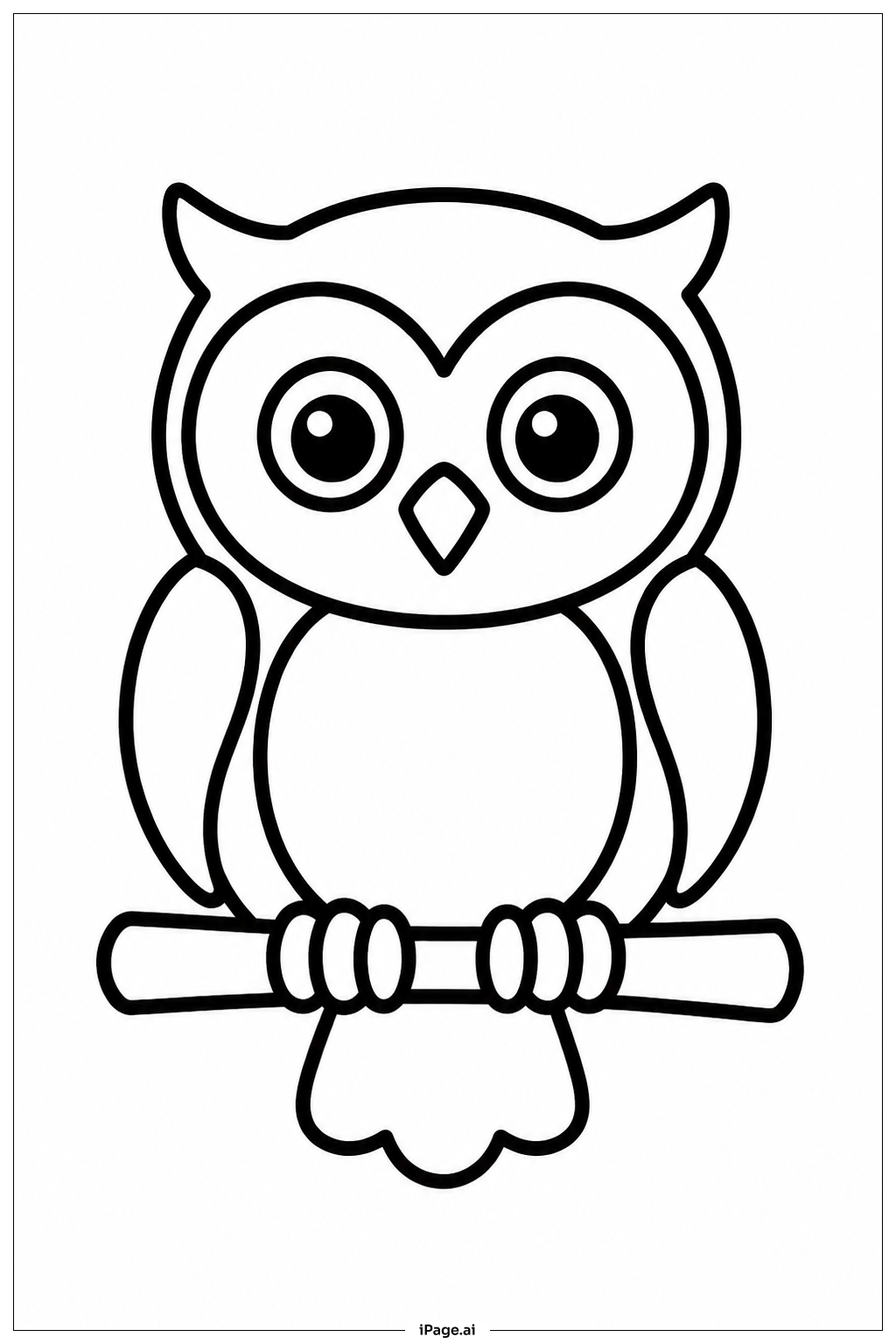
Coloring tips: How to color Owl Perched coloring page well?
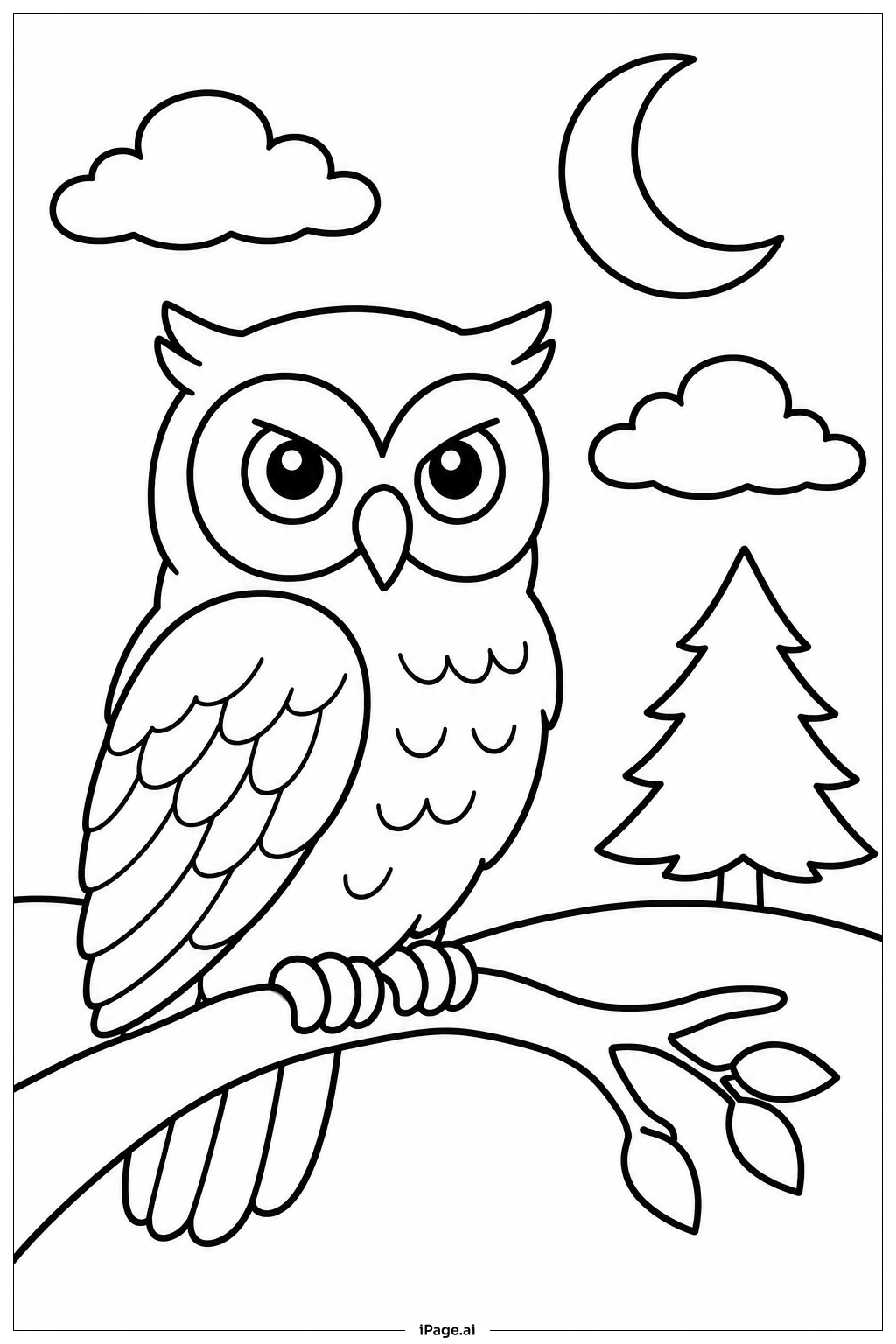
Start with the owl's large eyes. Color the irises bright yellow or amber, and leave the pupils dark. This makes the owl feel alive right away. For the feathers, use warm browns and tans on the wings and back. Try lighter creams or whites on the chest to show the different feather layers. You can add soft gray shading between feathers to give them depth. The talons and beak look great in golden yellow or dark gray. For the branch, use medium and dark browns. Add some green to any leaves around the branch. If you want to make the scene feel more magical, try a soft blue or purple background to suggest a nighttime sky. Take your time with the feather patterns. Coloring each section a slightly different shade will make the owl look more realistic and beautiful.
Coloring challenges: Which parts are difficult to color and need attention for Owl Perched coloring page?
• Layered Feather Details: The owl's body is covered in many overlapping feathers, each with its own shape and pattern. Staying within the lines of each small feather takes patience and a steady hand. Using a fine-tipped colored pencil or marker will help you work through each layer without going outside the edges.
• Blending Different Browns: The feathers use many shades of brown, tan, and cream. Getting these colors to look natural next to each other can be tricky. Try coloring lightly first, then slowly build up darker tones. Blending similar shades side by side helps the owl look smooth and realistic instead of patchy.
• The Eyes: The owl's large round eyes are one of the most important parts of the image. They need careful coloring to look expressive and bright. Use a warm yellow or amber for the iris, keep the pupil very dark, and leave a tiny white spot to show a light reflection. This small detail makes the eyes look shiny and full of life.
• Talon and Branch Texture: The talons gripping the branch have small curved shapes and fine lines. Coloring these neatly without smudging nearby areas requires control. Use a sharp pencil tip and work slowly. For the branch bark, short diagonal strokes in different shades of brown can create a realistic wood texture.
• Balancing Light and Shadow: Adding shading to the owl's body helps it look three-dimensional. The chest and face are usually lighter, while the wings and sides are darker. Keeping this balance consistent across the whole image can be challenging but makes the final result look stunning.
Benefits of coloring books: Advantages of drawing Owl Perched coloring page
Coloring this owl image offers many wonderful benefits for kids and adults alike. For younger children, tracing around the feather shapes and branch details helps build fine motor skills and hand-eye coordination. Choosing colors and deciding how to fill each section also encourages creative thinking and decision-making. For older kids and adults, the detailed feather patterns make this a relaxing and focused activity. Spending time on a complex image like this helps calm the mind and reduce stress. It works like a form of mindfulness, keeping your attention in the present moment. Learning about the owl's features while coloring, like its layered feathers, sharp talons, and wide eyes, also sparks curiosity about nature and wildlife. This can lead to fun conversations or further learning about different owl species. Completing the full image gives a strong sense of achievement and pride, which boosts confidence for colorists of all ages. Whether you are a beginner or experienced, this Owl Perched coloring page is a rewarding and enjoyable creative experience.