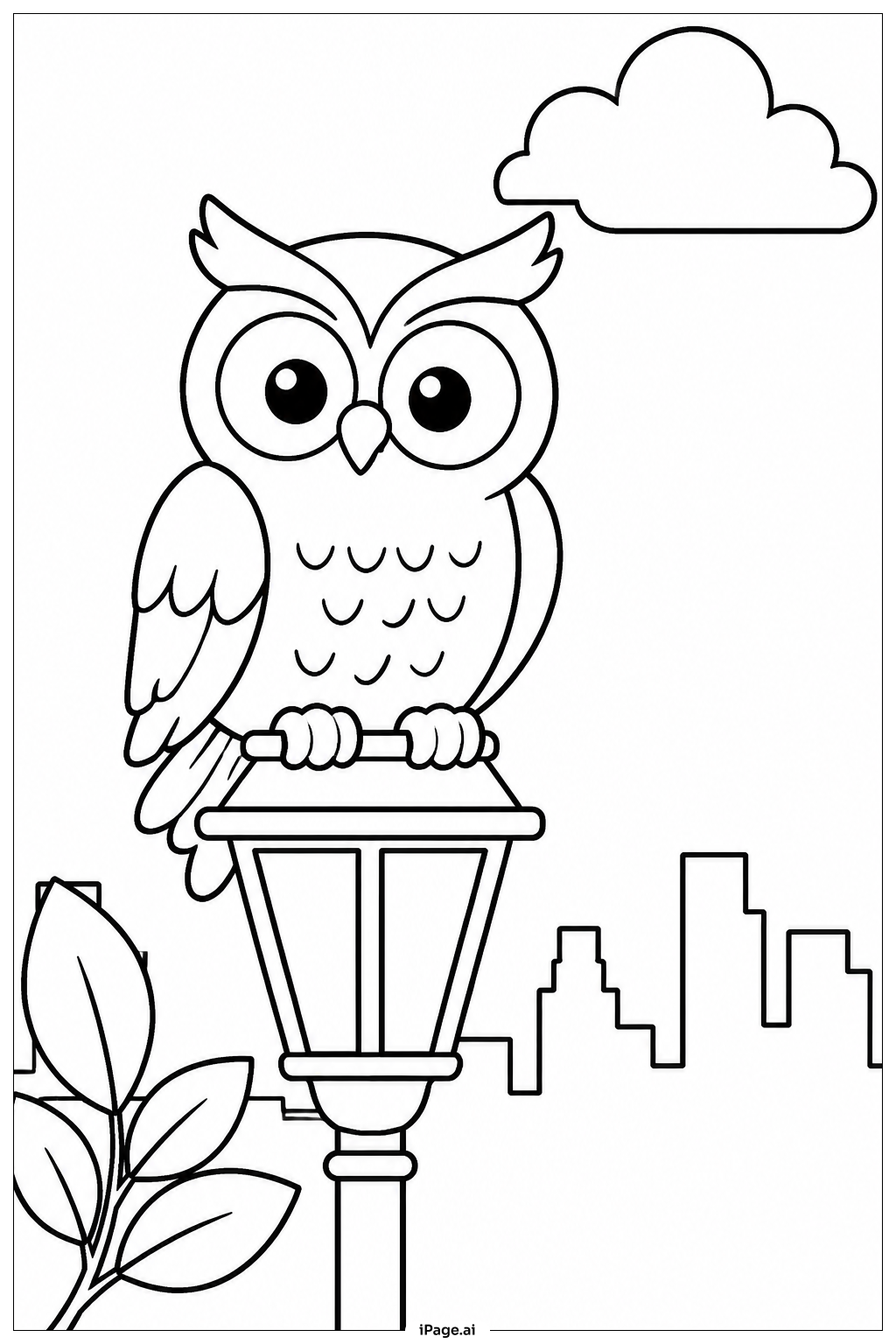
Coloring tips: How to color Owl On Lamp Post coloring page well?
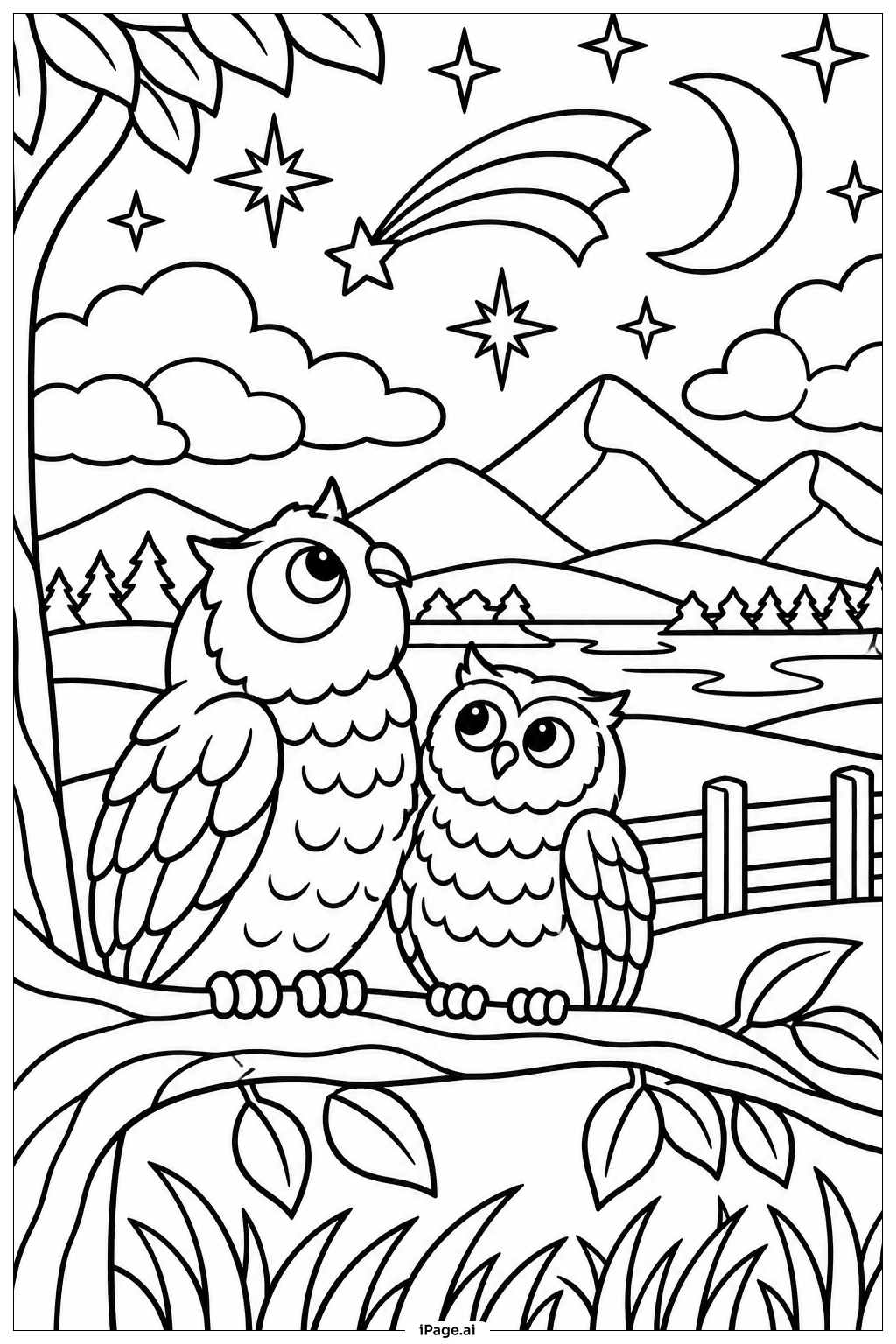
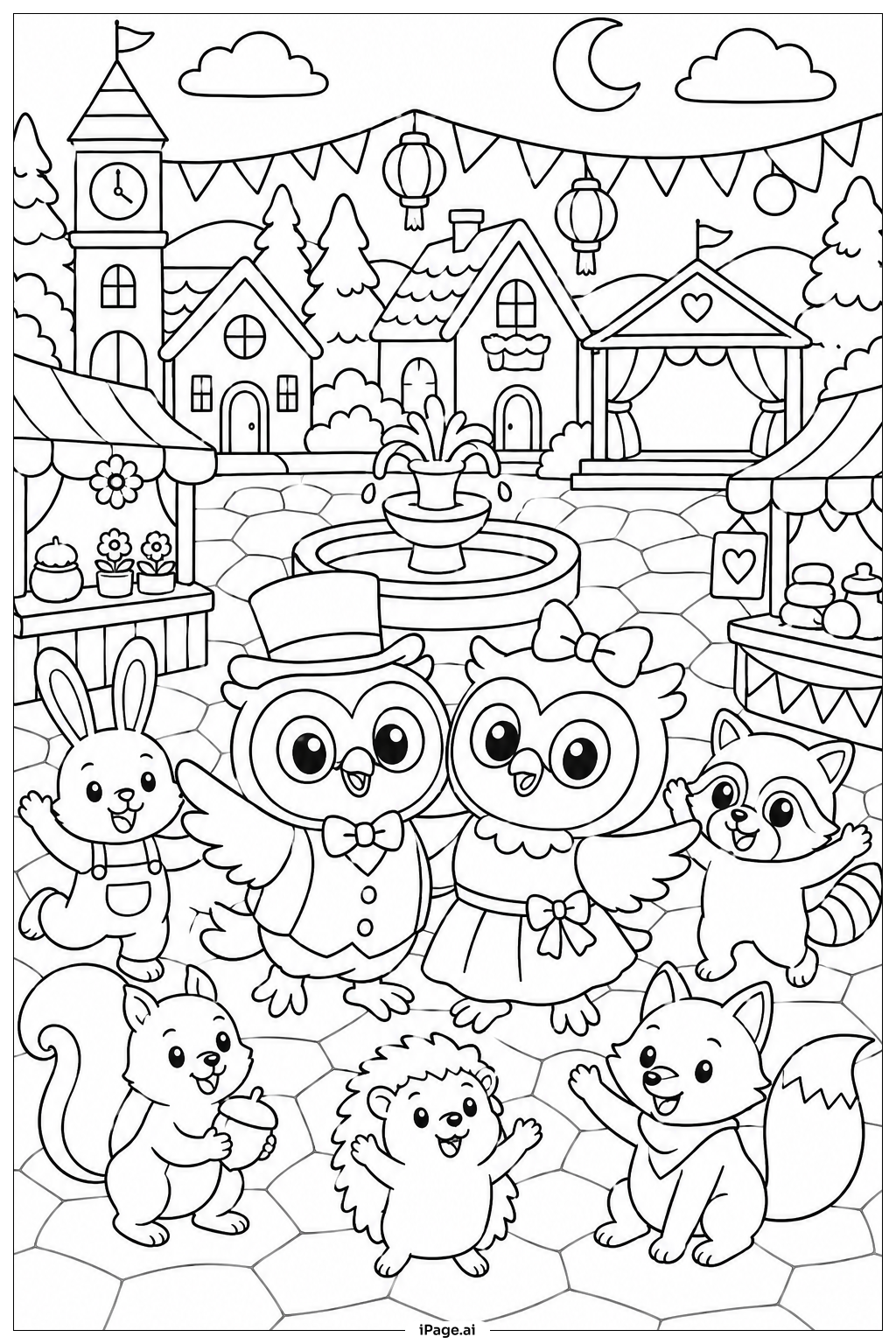
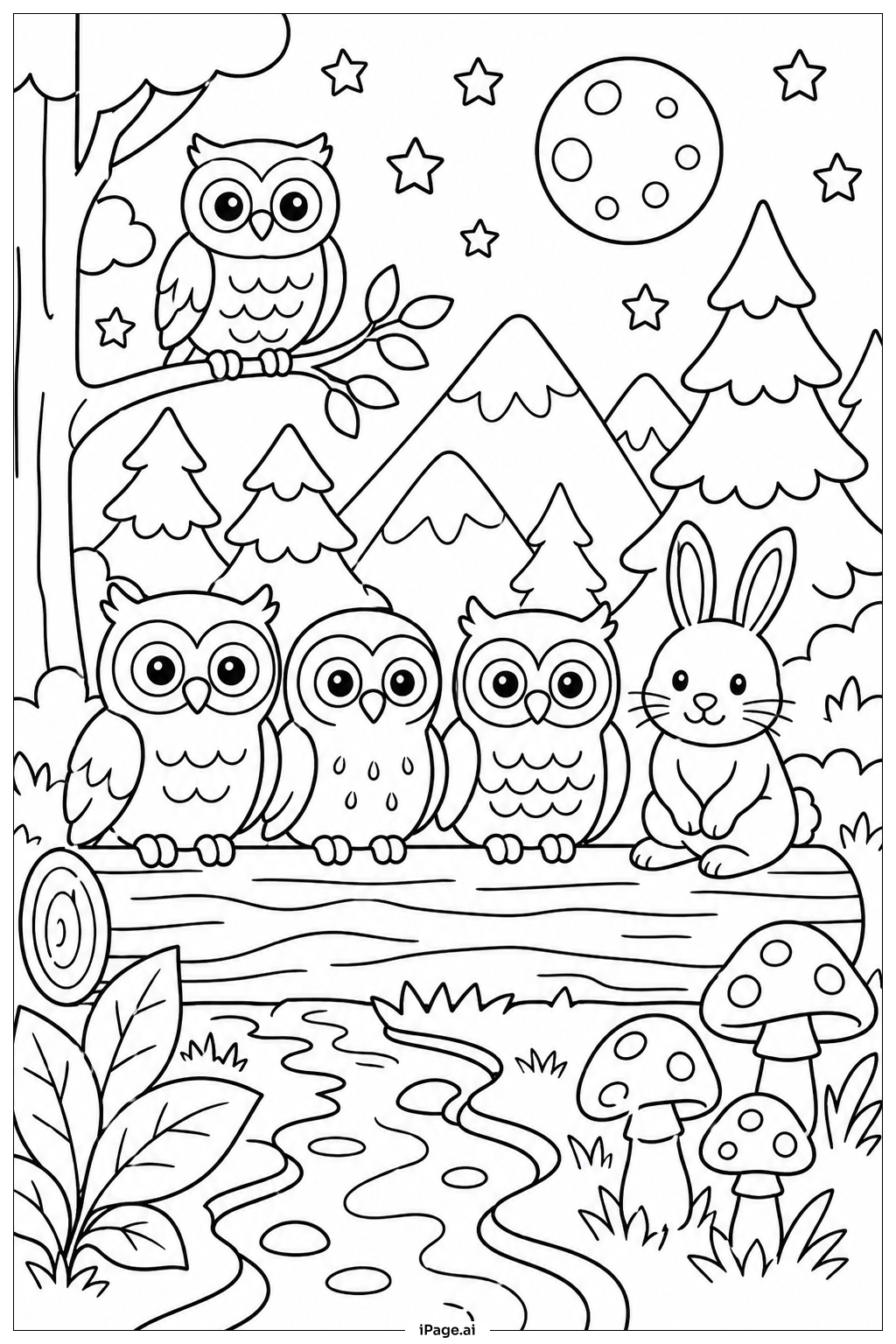
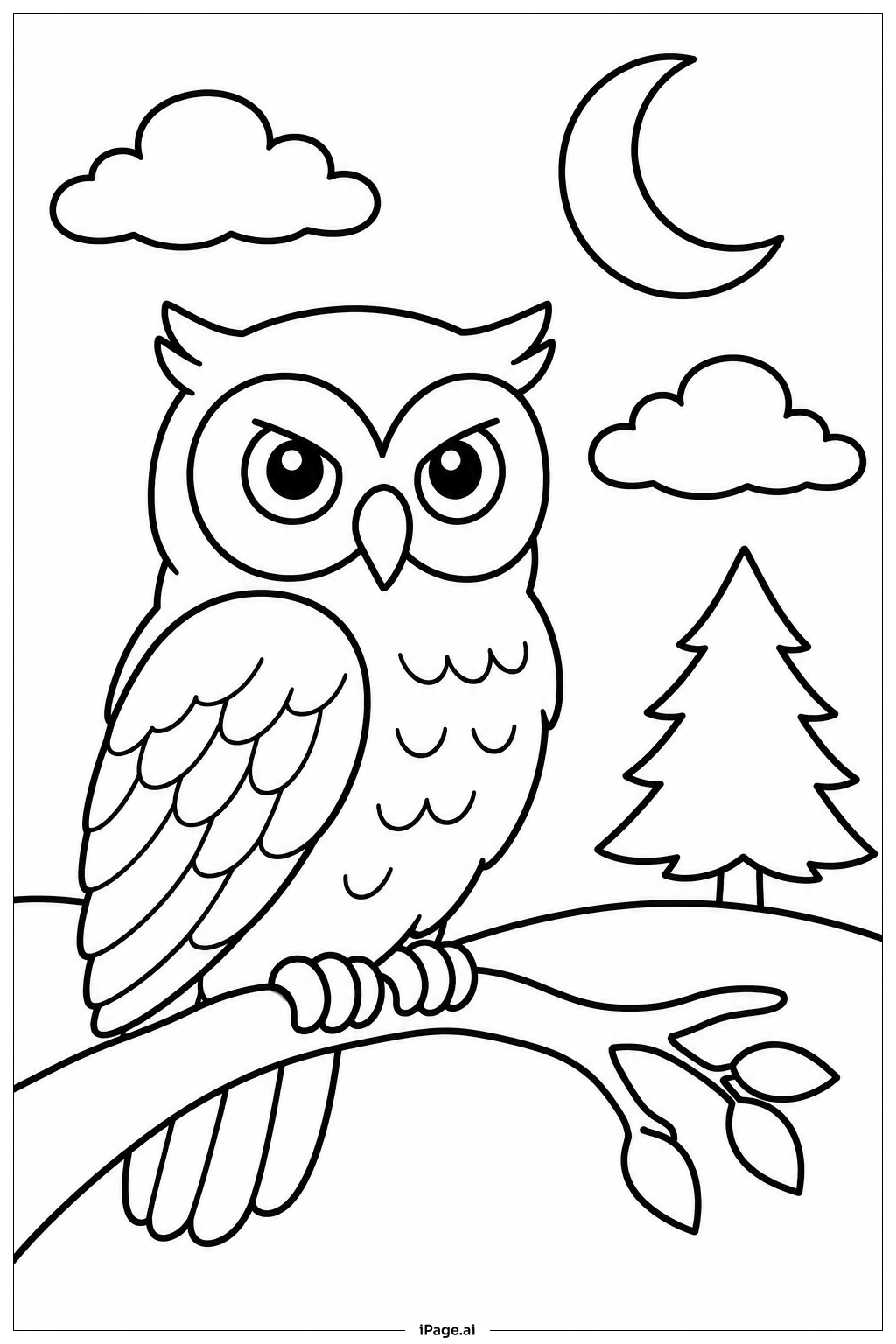
Start with the owl's body before moving to the lamp post and background. For the owl, use warm brown, tan, and cream tones to bring its feathers to life. Add darker brown or gray shading along the edges of the feathers to create depth. The large eyes look great in golden yellow or amber with a dark pupil in the center. For the lamp post, try a deep charcoal gray or classic black with a soft yellow or warm orange glow around the lantern to suggest light. The background can be colored in deep blue or purple to suggest a night sky. Leaves and branches can be done in dark green or muted olive tones. Use colored pencils or fine-tip markers for the small feather details, and broader strokes for the sky and background. Blending two shades together wherever possible will give the image a polished, realistic finish that any young colorist will be proud of.
Coloring challenges: Which parts are difficult to color and need attention for Owl On Lamp Post coloring page?
• Feather Details: The owl's body is covered in layered feathers with fine line details. Coloring each feather individually takes patience. Using a sharp pencil tip helps stay within the lines and adds texture. Blending two similar shades, like light brown and tan, can make the feathers look more natural and three-dimensional.
• Large Expressive Eyes: The owl's big round eyes are a focal point of the image. Getting the shading right inside a circular shape can be tricky. Try coloring the outer ring in a darker amber or golden brown, then leave a small white highlight spot near the top to make the eyes look shiny and alive.
• Lamp Post Structure: The lamp post has curved decorative elements and a detailed lantern shape. These thin lines and small sections can be difficult to color neatly. Using a fine-tip marker or a well-sharpened colored pencil works best here. Stick to one or two metallic-style colors to keep it looking clean and consistent.
• Background Depth: Creating a sense of night sky depth around the owl and lamp post can be challenging. Blending dark blue, navy, and hints of purple smoothly takes practice. Working in small circular motions helps avoid streaky patches and builds a richer, more even background tone.
• Balancing Light and Shadow: The lantern suggests a light source, so the areas near it should appear brighter. Gradually transitioning from light yellow near the lantern to darker tones further away adds realism. This kind of shading requires careful planning before applying color.
Benefits of coloring books: Advantages of drawing Owl On Lamp Post coloring page
Coloring this Owl On Lamp Post image offers a wide range of wonderful benefits for kids and young learners. First, it builds fine motor skills. Carefully coloring the owl's detailed feathers and the lamp post's small curves trains hand muscles and improves pencil control, which also helps with handwriting. Second, it encourages focus and patience. Working through all the intricate details of the image teaches kids to slow down, concentrate, and complete a task step by step. Third, it sparks creativity. Choosing colors for the owl, the glowing lantern, and the night sky lets children express their own artistic ideas and build confidence in their choices. Fourth, it introduces nature appreciation. The owl is a fascinating bird, and coloring it can spark curiosity about wildlife, birds of prey, and nocturnal animals. Fifth, it provides a calming activity. The repetitive, gentle motion of coloring helps reduce stress and anxiety, making it a great quiet-time activity after a busy day. Whether a child is just learning to color or already developing real artistic skills, this page offers just the right amount of challenge and fun to keep them engaged and proud of the result.