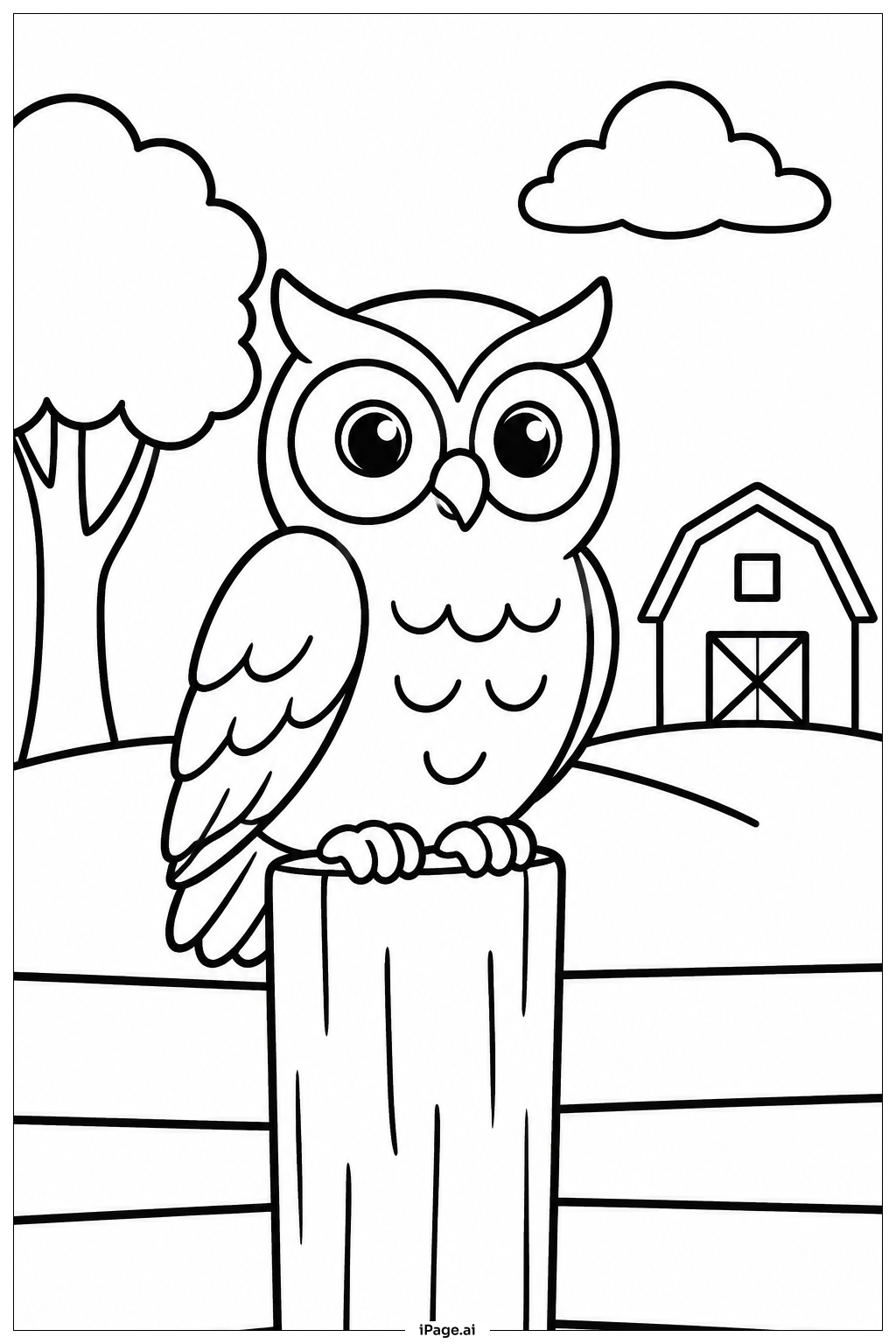
Coloring tips: How to color Owl On Fence coloring page well?
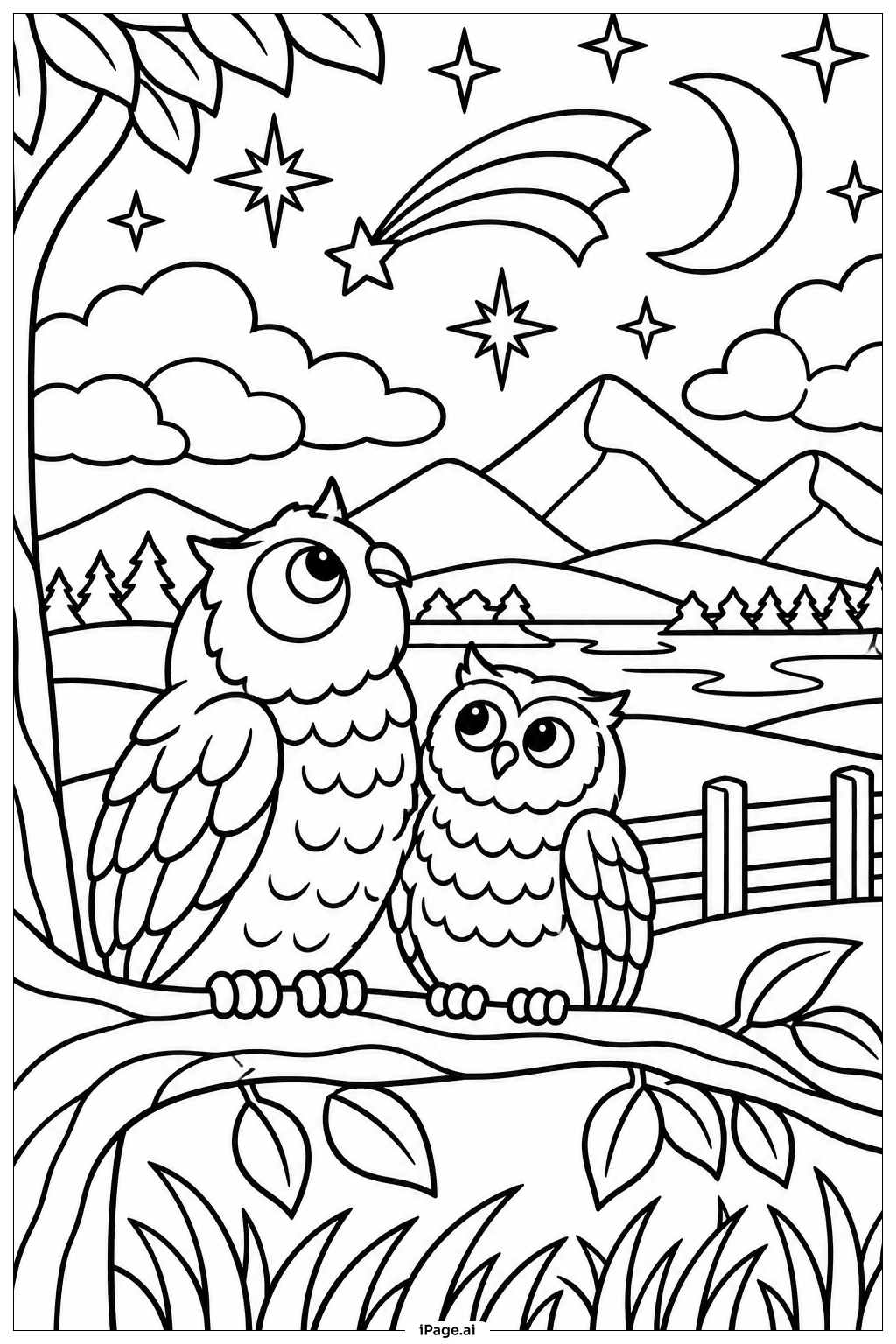
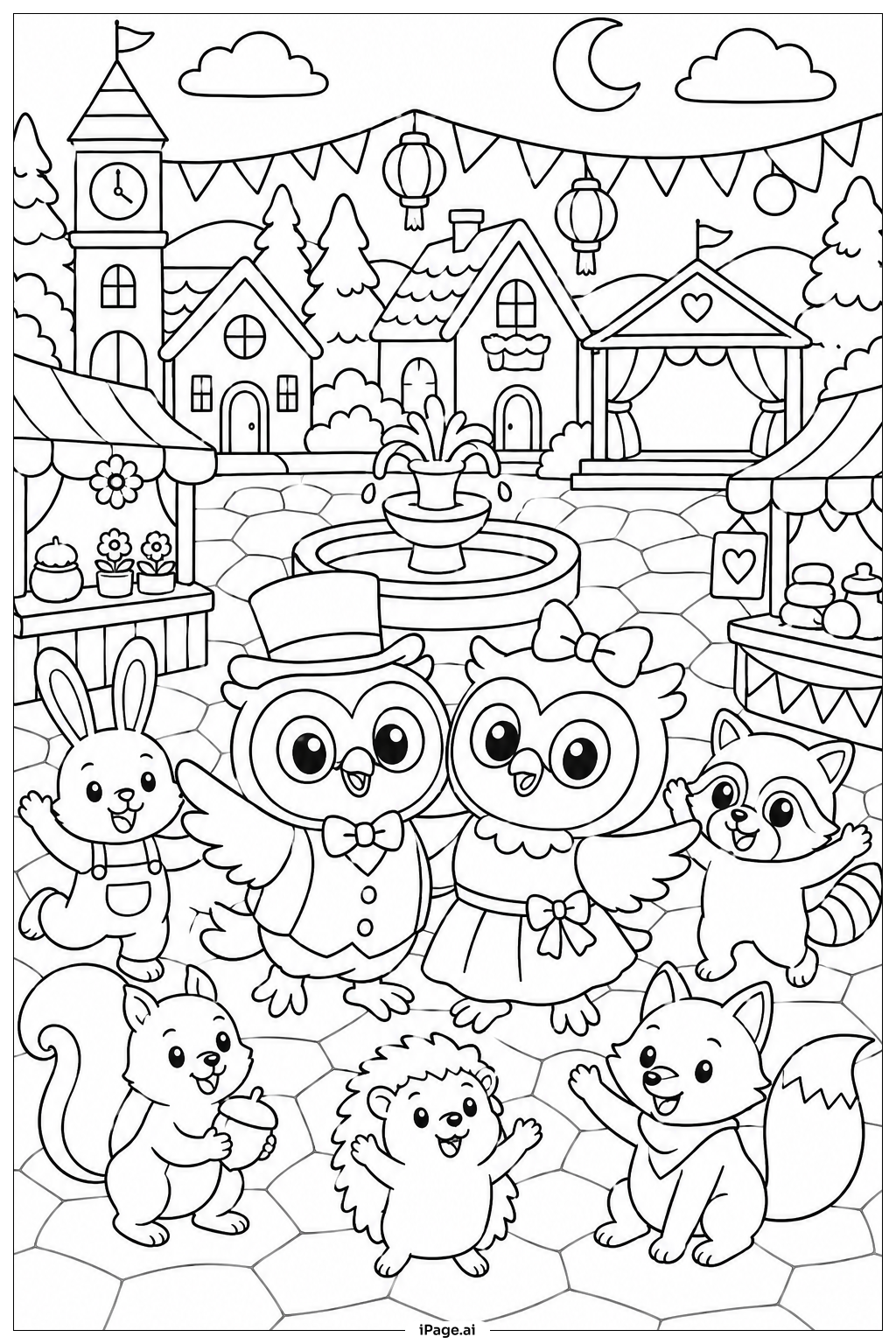
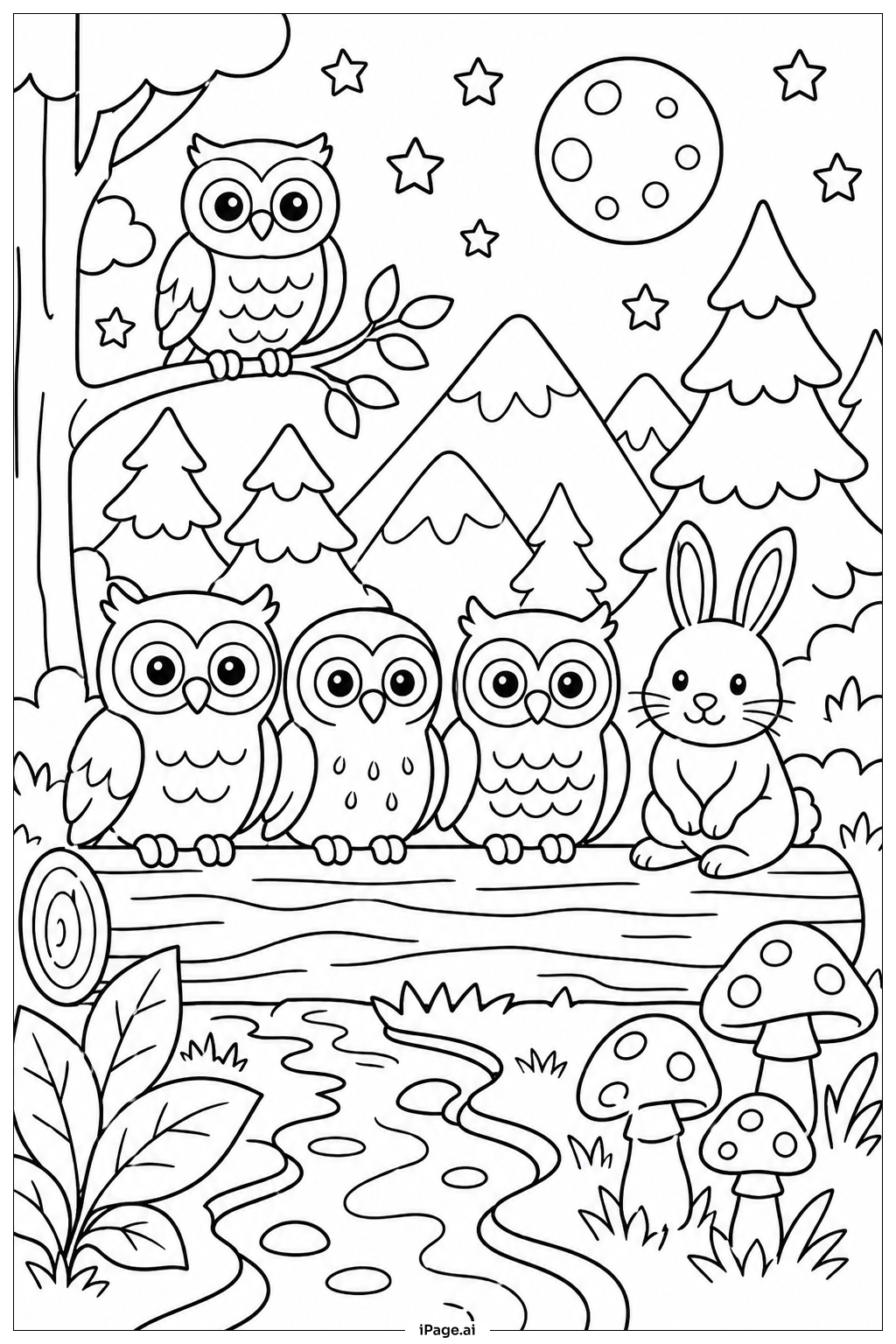
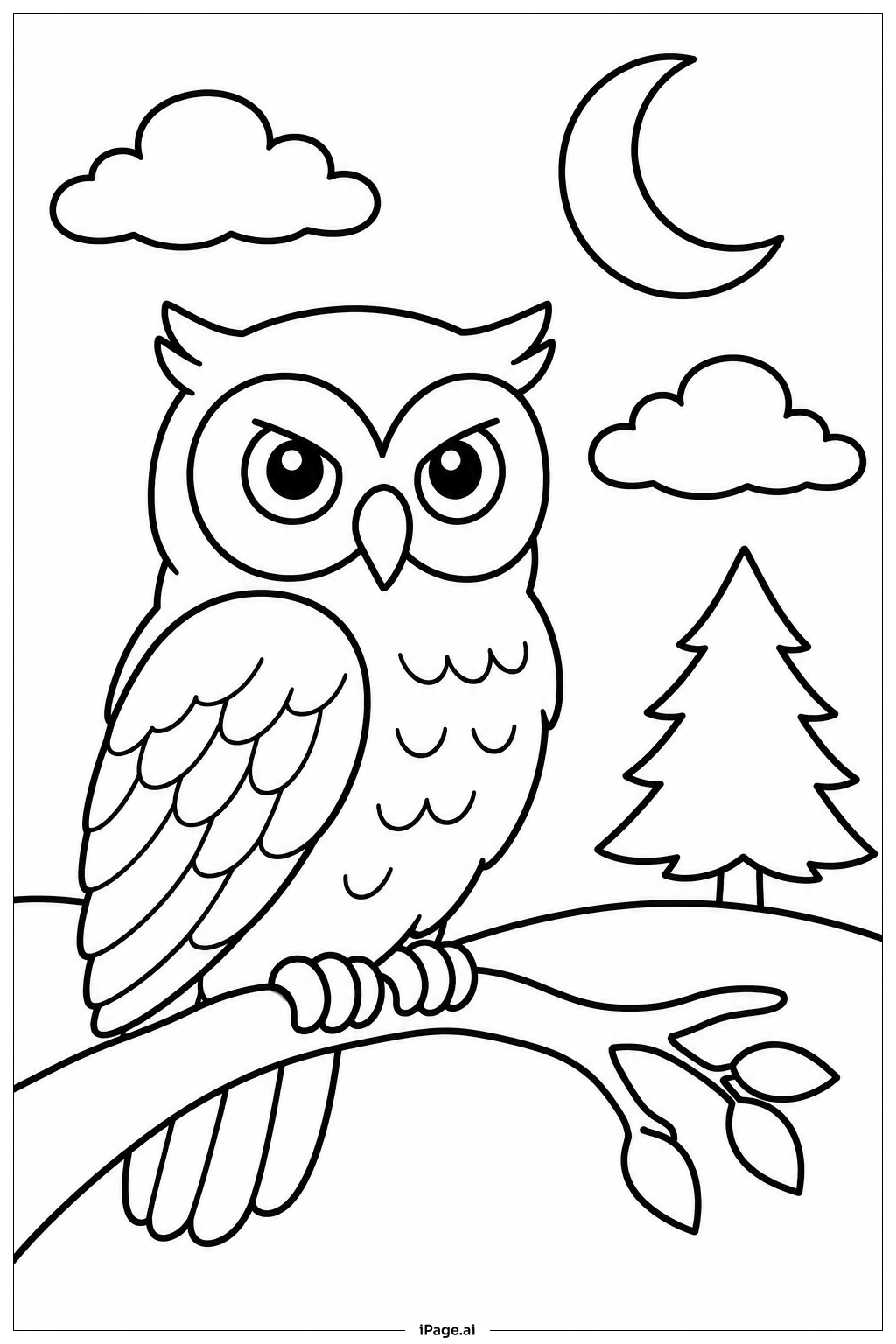
Start with the owl's large eyes by using bright yellow or golden tones for the irises, and dark brown or black for the pupils. This makes the eyes pop right away. For the feathers, use a mix of warm browns, tans, and creamy whites. Layer different shades to show depth — darker brown on the wings and back, and lighter tones on the chest and face. Try adding soft orange or rust highlights to give the feathers a warm, natural glow. For the wooden fence, use medium and dark browns with streaks of gray to mimic aged wood grain. You can also add a touch of green moss to the fence for extra realism. The background, if included, can be colored with soft blues or greens to suggest a calm outdoor setting. Use colored pencils or watercolor-style markers for smooth blending, especially on the feathers.
Coloring challenges: Which parts are difficult to color and need attention for Owl On Fence coloring page?
• Feather Layering: The owl's body is covered in many overlapping feathers with fine line details. Coloring each feather individually while keeping a consistent overall tone requires patience and careful color selection. Rushing this section can make the feathers look flat or muddy instead of soft and realistic.
• Eye Detail: The owl's large round eyes have multiple layers — the outer ring, the iris, the pupil, and small highlight spots. Filling these tiny sections accurately without going outside the lines is tricky, especially for younger colorists. A fine-tipped tool works best here to keep each section clean and precise.
• Texture Contrast Between Owl and Fence: The owl's soft, fluffy feathers and the rough, hard wooden fence require very different coloring techniques. Switching between smooth blending for feathers and rough, streaky strokes for wood grain can be challenging to manage in the same image without the two areas looking mismatched.
• Talon and Fence Grip Area: The area where the owl's talons meet the fence top rail is a small, detailed zone with curved lines and tight spaces. Coloring the talons in a natural gray or dark tone while keeping them visually separate from the brown fence beneath requires careful attention and a steady hand.
• Shading and Depth: Adding shadow under the wings, around the belly, and beneath the fence rail gives the image a three-dimensional look. Without shading, the image can appear flat. Knowing where to place darker tones and how gradually to blend them is a skill that takes practice, making it one of the more advanced challenges in this piece.
Benefits of coloring books: Advantages of drawing Owl On Fence coloring page
Coloring this Owl On Fence page offers a range of wonderful benefits for kids and beginners alike. First, it helps develop fine motor skills. Staying inside the detailed feather lines and small eye sections trains hand steadiness and pencil control. These are important skills that support handwriting and other everyday tasks.
Second, it encourages creativity. Choosing colors for the owl's feathers and the wooden fence lets colorists make their own artistic decisions, building confidence and self-expression from an early age.
Third, it teaches focus and patience. The layered feather details and textured wood grain require slow, careful work, which helps children practice concentration in a relaxed and enjoyable way.
Fourth, it introduces nature learning. Owls are fascinating birds with unique features. As children color this image, they naturally become curious about owls — their feathers, eyes, and habitats — turning a fun activity into a gentle learning moment.
Finally, completing this coloring page gives a real sense of accomplishment. Seeing a finished, colorful owl on a fence is a rewarding experience that boosts self-esteem and motivates kids to keep creating. It is a simple, screen-free activity that brings calm and joy to any child's day.