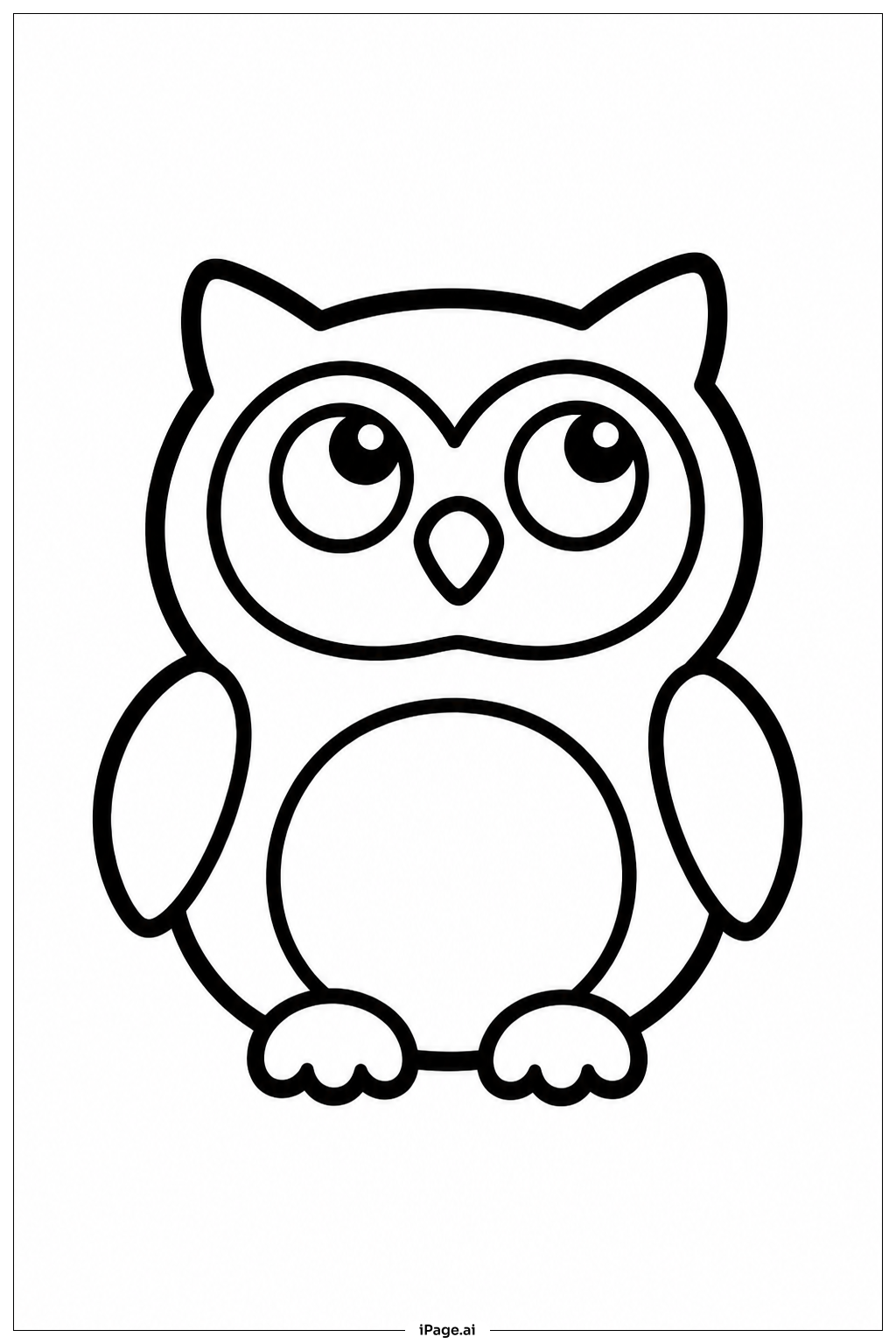
Coloring tips: How to color Owl Looking Up coloring page well?
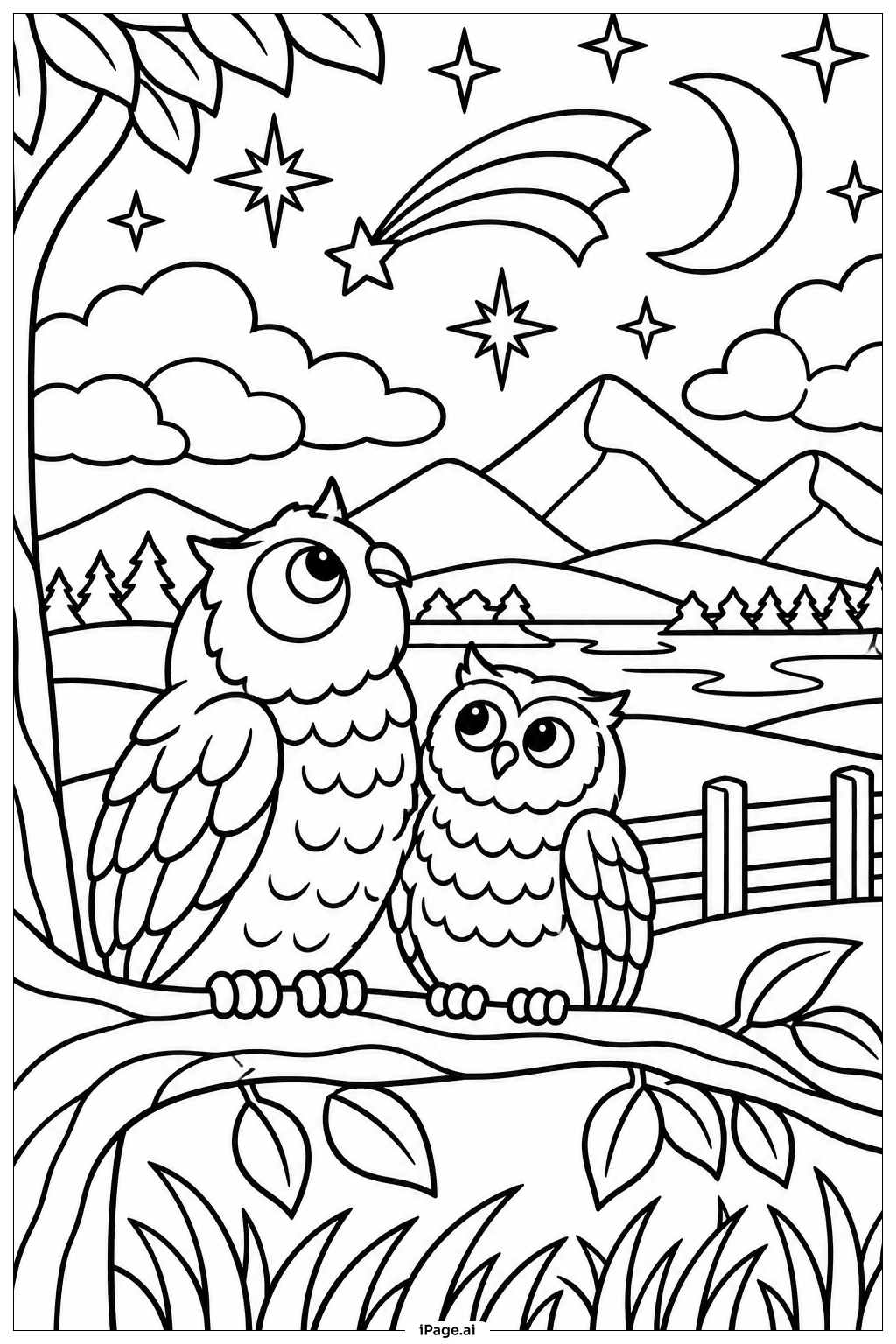
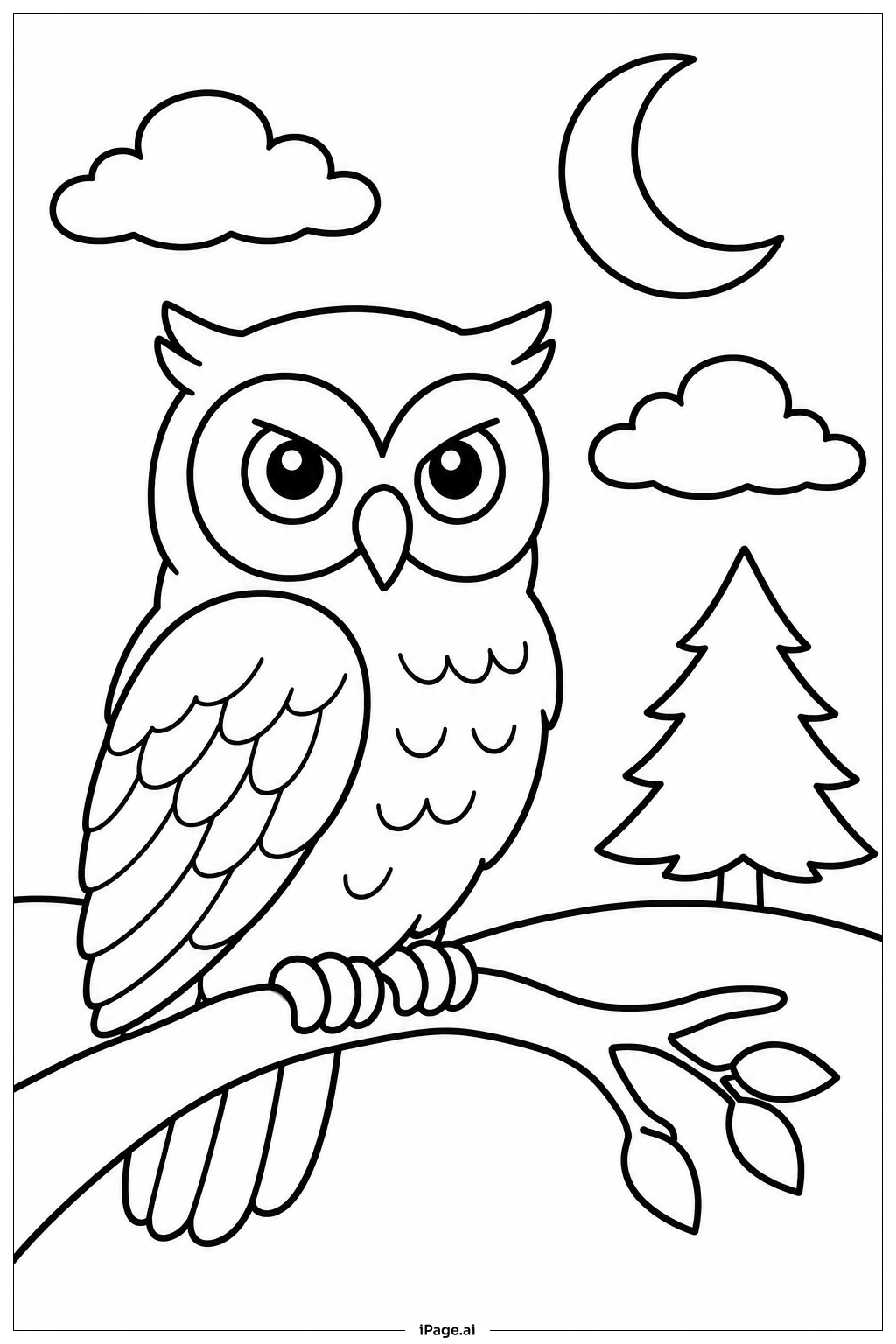
Start with the owl's eyes. Use bright yellow or golden tones for the irises and leave a small white highlight to make them look alive and shiny. For the feathers, try a mix of warm browns, tans, and creamy whites. Layer different shades to show depth — darker brown on the back and wings, lighter tones on the chest and face. Use short, soft strokes to follow the direction of the feathers. The branch can be colored in gray-brown with hints of green lichen. For the leaves, use several shades of green to keep things interesting. If you want a nighttime feel, try adding a soft blue or purple background. Younger colorists can keep it simple with a few bold colors. Older colorists can blend and shade for a more realistic look. There are no wrong color choices — have fun and make the owl your own!
Coloring challenges: Which parts are difficult to color and need attention for Owl Looking Up coloring page?
• Feather Layering: The owl's body is covered in many overlapping feathers with fine line details. Coloring each layer while keeping the shapes clean takes patience. Switching between shades of brown and cream without muddying the colors requires careful planning and a light hand, especially when blending neighboring feather sections together.
• Upward-Tilted Face: Because the owl is looking up, the facial features — including the eyes and beak — are shown at a slight angle. Matching the color tones symmetrically on both sides of the face while respecting this tilt can be tricky, especially for younger colorists who are still developing spatial awareness.
• Large Round Eyes: The eyes are a focal point of the image and need careful attention. Keeping the white highlight clean, layering the iris color from light to dark, and adding a deep pupil without overworking the area requires steady hands and good control of your coloring tools.
• Branch and Talon Details: The talons gripping the branch have curved shapes with small ridges. Distinguishing the talons from the bark using color alone — without losing the outlines — can be challenging. Using contrasting warm and cool tones helps separate these elements clearly.
• Background Balance: If you choose to add a background, balancing it so it supports the owl without overwhelming the main subject is a real challenge. A gradient sky or soft leaf textures need to stay light enough to let the owl remain the clear star of the page.
Benefits of coloring books: Advantages of drawing Owl Looking Up coloring page
Coloring this owl image offers a wonderful mix of fun and learning for kids and adults alike. The detailed feather patterns encourage fine motor skill development as colorists practice careful, controlled strokes within small shapes. This kind of focused activity strengthens hand-eye coordination over time.
The owl's curious upward gaze naturally sparks imagination. Children may start wondering what the owl is looking at — a star, a bird, the moon — which encourages creative storytelling and curiosity about nature and wildlife.
Working through a complex image like this also builds concentration and patience. Completing one feather section at a time teaches kids to break big tasks into smaller steps, a skill that carries over into school and everyday life.
For Adults, the repetitive, rhythmic nature of coloring feathers and textures is deeply relaxing. It helps quiet a busy mind and offers a screen-free way to unwind after a long day.
Choosing and mixing colors for the owl's plumage also develops color sense and artistic confidence. Whether you stick to realistic browns or go bold with unexpected hues, every choice is a small creative decision that builds self-expression. Overall, this page is a rewarding and enriching coloring experience for all ages.