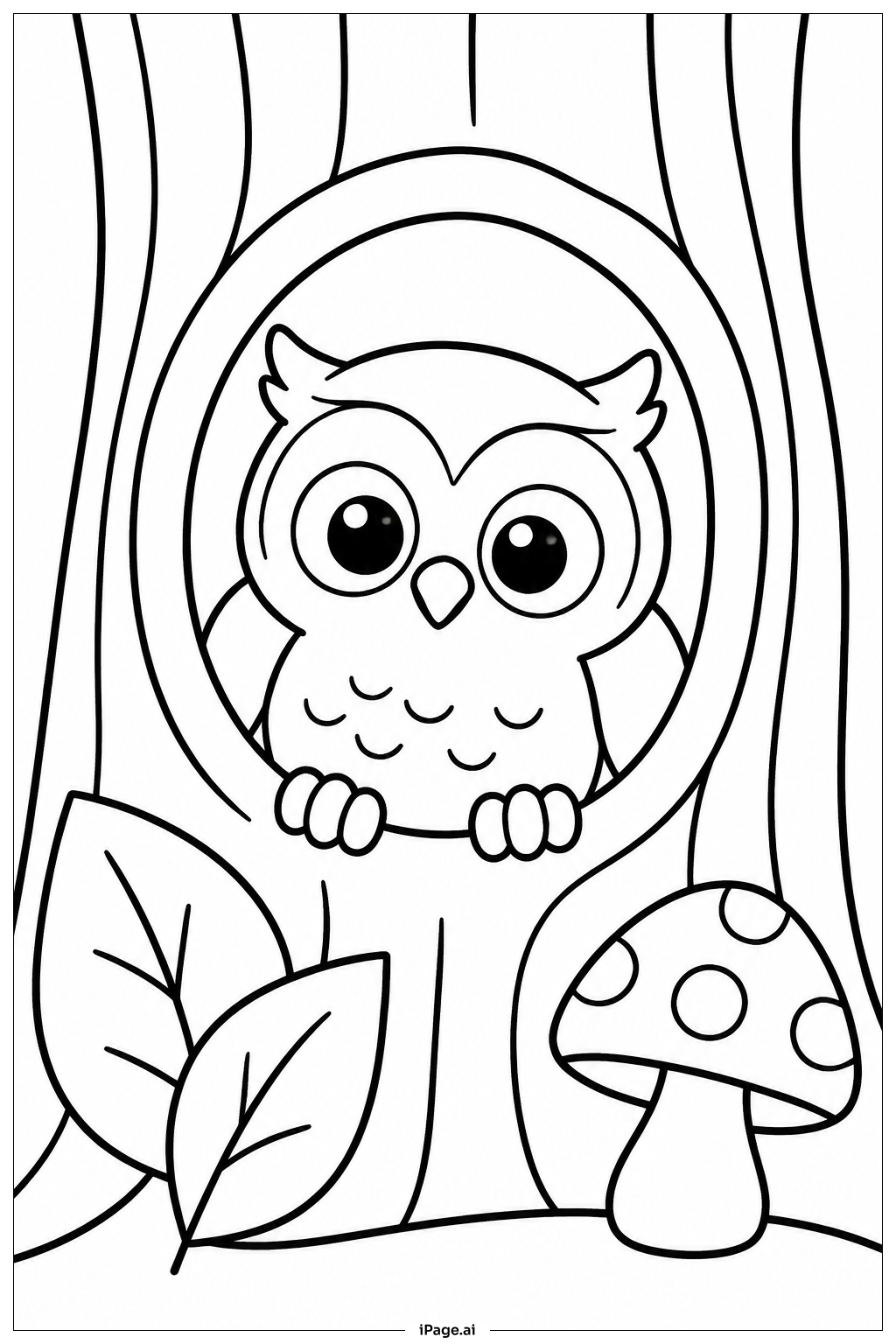
Coloring tips: How to color Owl In Tree Hollow coloring page well?
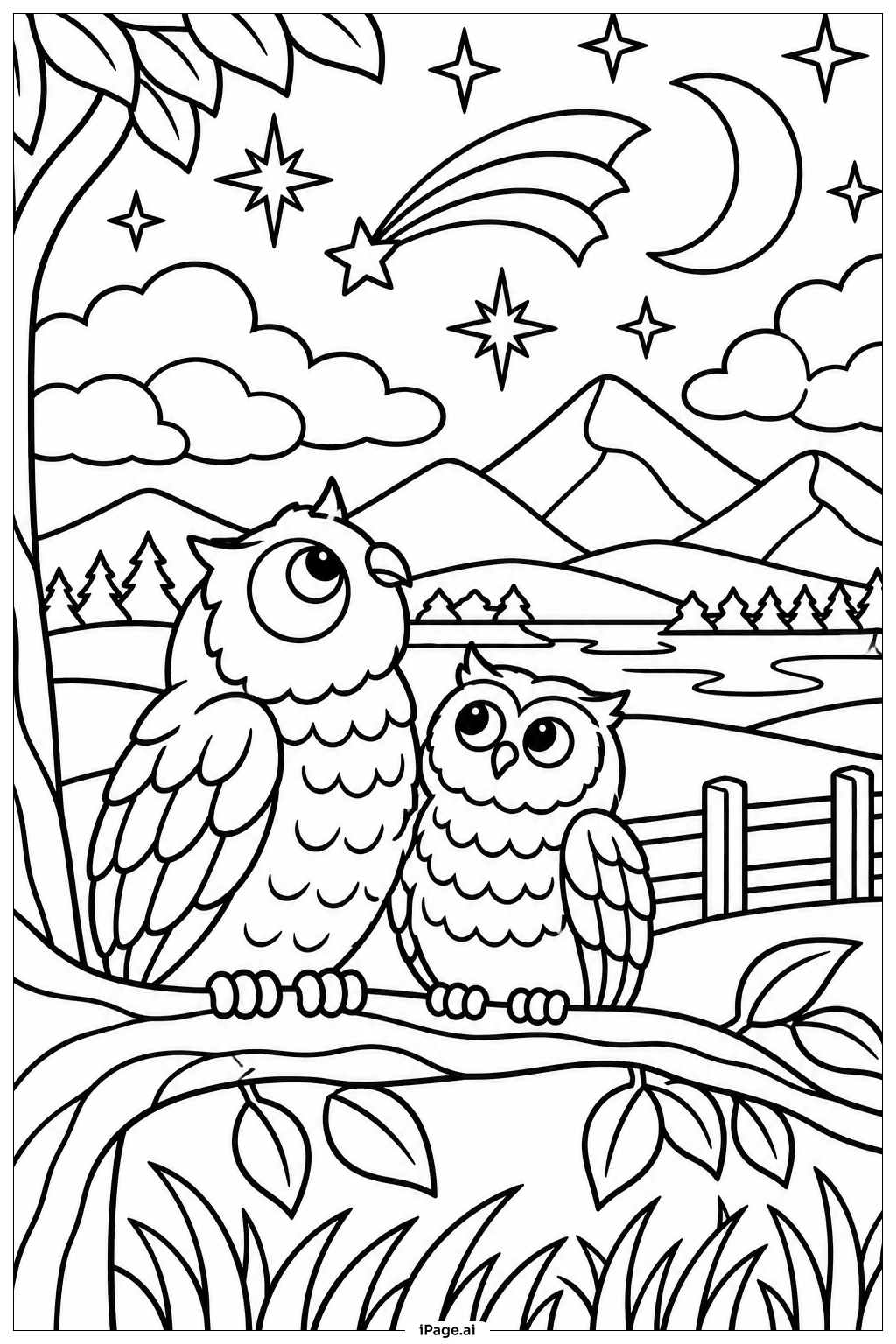
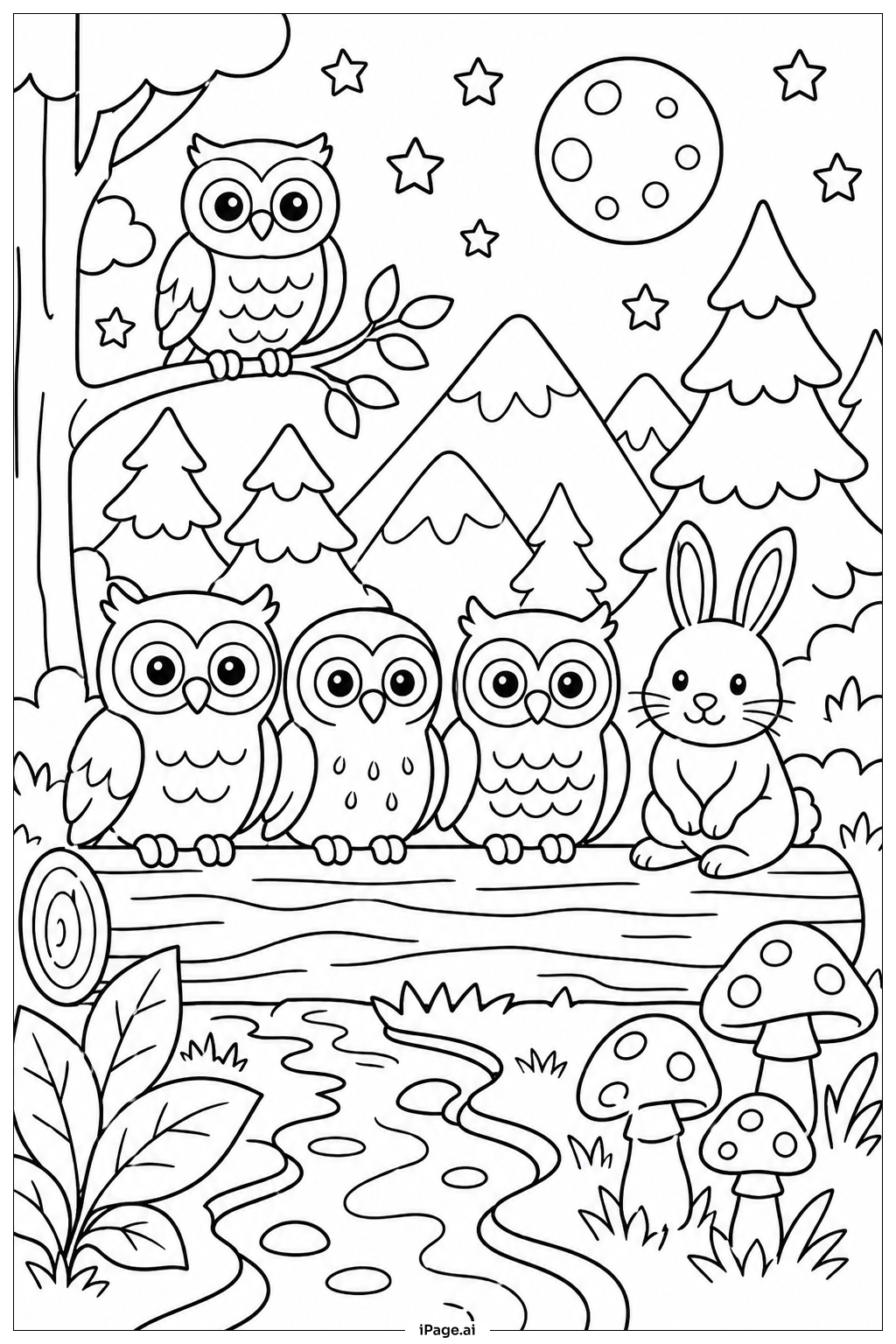
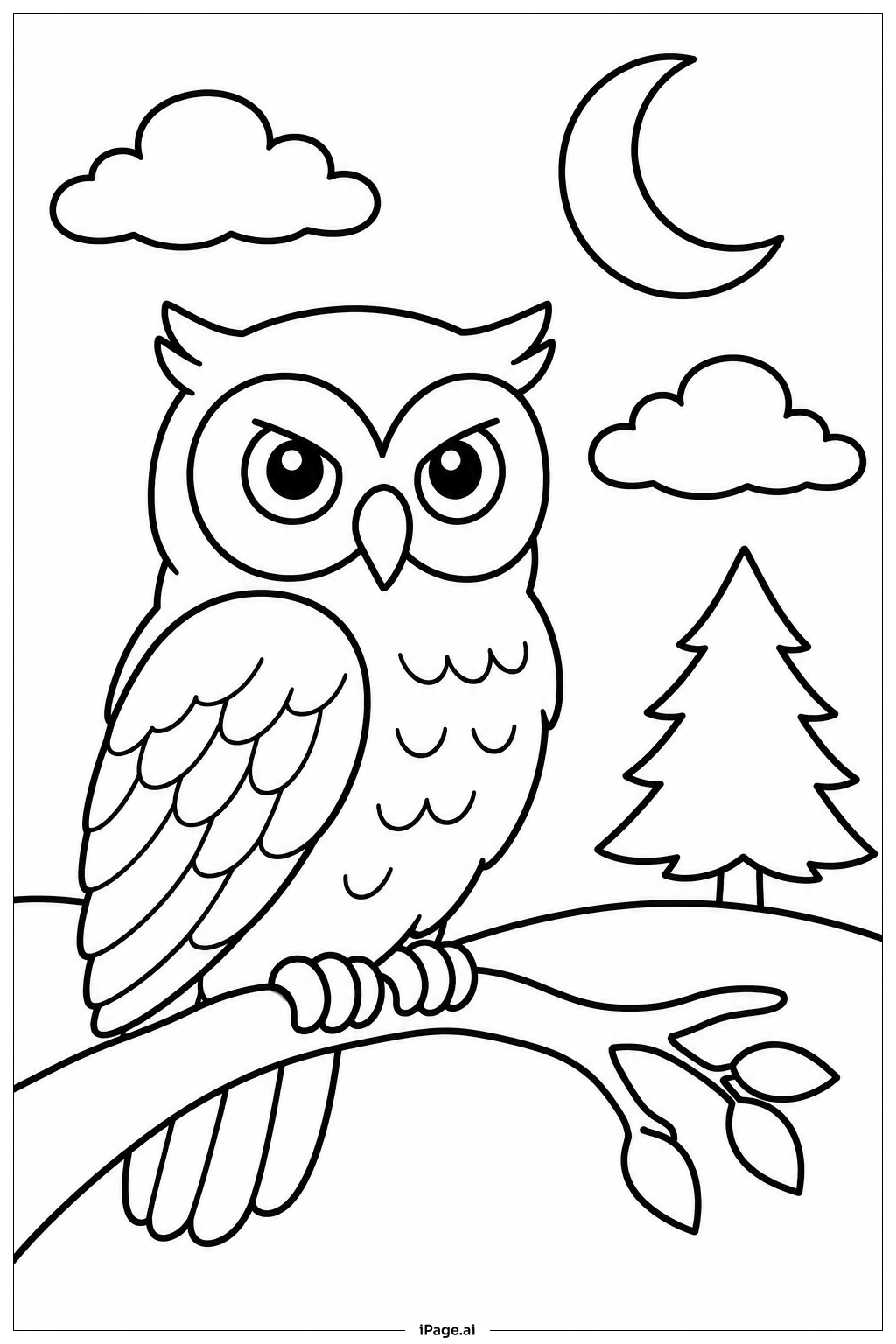
Start with the owl's eyes — they are the focal point of the image. Use bright yellow or amber for the irises, with a dark pupil in the center. For the feathers, try warm browns, tans, and creams. Layer lighter shades on the chest and belly, and darker browns on the wings and back. Use soft gray or white for feather tips to add texture. For the tree hollow, use medium and dark browns with hints of gray to show the rough bark. Add darker shading inside the hollow opening to give it depth. The bark grooves can be colored with darker lines to make the texture stand out. Any leaves or twigs around the hollow can be colored in greens or earthy yellows. Try blending two close shades together to make the image look more natural and lively. Take your time with each feather layer — it makes a big difference!
Coloring challenges: Which parts are difficult to color and need attention for Owl In Tree Hollow coloring page?
• Owl Feather Layering: The owl's body is covered in many overlapping feathers, each with its own shape and detail. Coloring each feather individually while keeping a natural flow of light and shadow is challenging. You will need to think about which feathers sit on top and which are underneath, and adjust your shading accordingly. Using multiple shades of brown and cream will help create a realistic, textured look.\n\n• Expressive Eyes: The owl's large round eyes are a key feature of this image. Getting the right balance of color — bright amber or yellow iris, dark pupil, and a small white highlight — requires careful control. Coloring too heavily can make the eyes look flat, while too little color may make them seem dull. Patience and a steady hand are important here.\n\n• Tree Bark Texture: The bark surrounding the hollow is filled with curved grooves, lines, and knots. Following these lines with your coloring tool while applying light and dark shading to give the bark a three-dimensional feel takes focus and practice. Darker tones inside the grooves and lighter tones on raised areas make the bark look realistic.\n\n• Hollow Depth and Shadow: The inside of the tree hollow should look dark and deep to give the scene a natural feel. Gradually building up darker tones toward the back of the hollow without losing detail in the foreground area is a tricky balance to achieve.\n\n• Small Details Around the Hollow: Tiny leaves, twigs, and edge details around the hollow opening require a fine-tipped tool and careful attention. These small elements can easily get lost if not colored with precision, but they add a lot of charm to the finished piece.
Benefits of coloring books: Advantages of drawing Owl In Tree Hollow coloring page
Coloring this owl in a tree hollow image brings many wonderful benefits for kids and beginners alike. First, focusing on all the small feather details helps build concentration and patience — skills that are useful in school and everyday life. Choosing colors for the owl's feathers and the tree bark encourages creative thinking and helps children learn how colors work together naturally. The detailed textures in this image are great for practicing fine motor skills, which supports better handwriting and hand coordination. Coloring the owl's expressive eyes and soft feathers can also feel calming and soothing, making it a perfect quiet-time activity to reduce stress. Children learn about real-world nature as they color, gaining a gentle introduction to owls and forest environments. Completing a detailed image like this also builds a sense of pride and confidence — finishing something beautiful feels rewarding! Whether you are a young child exploring colors for the first time or an older kid looking for a creative challenge, this image offers just the right mix of fun and focus.