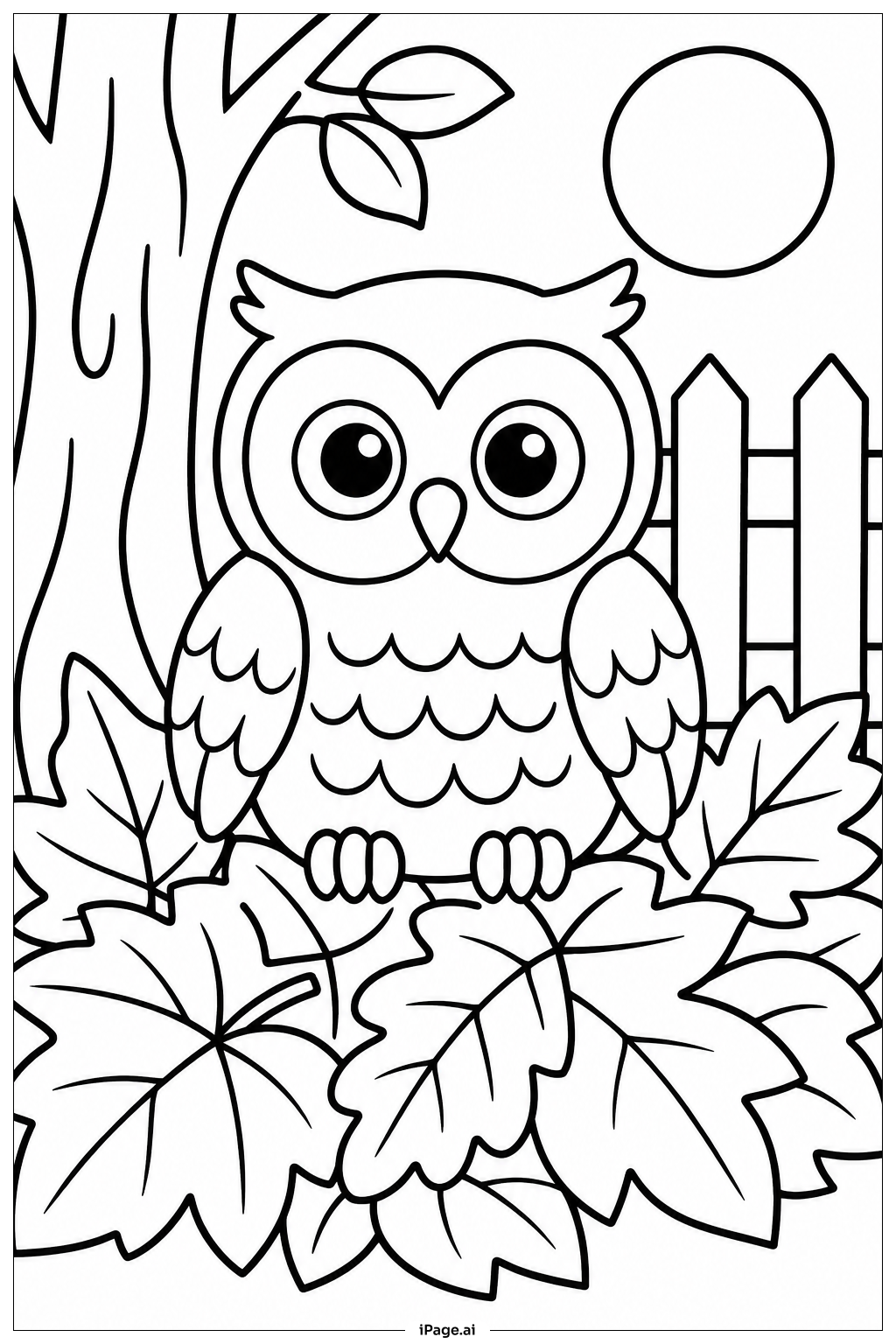
Coloring tips: How to color Owl In Autumn Leaves coloring page well?
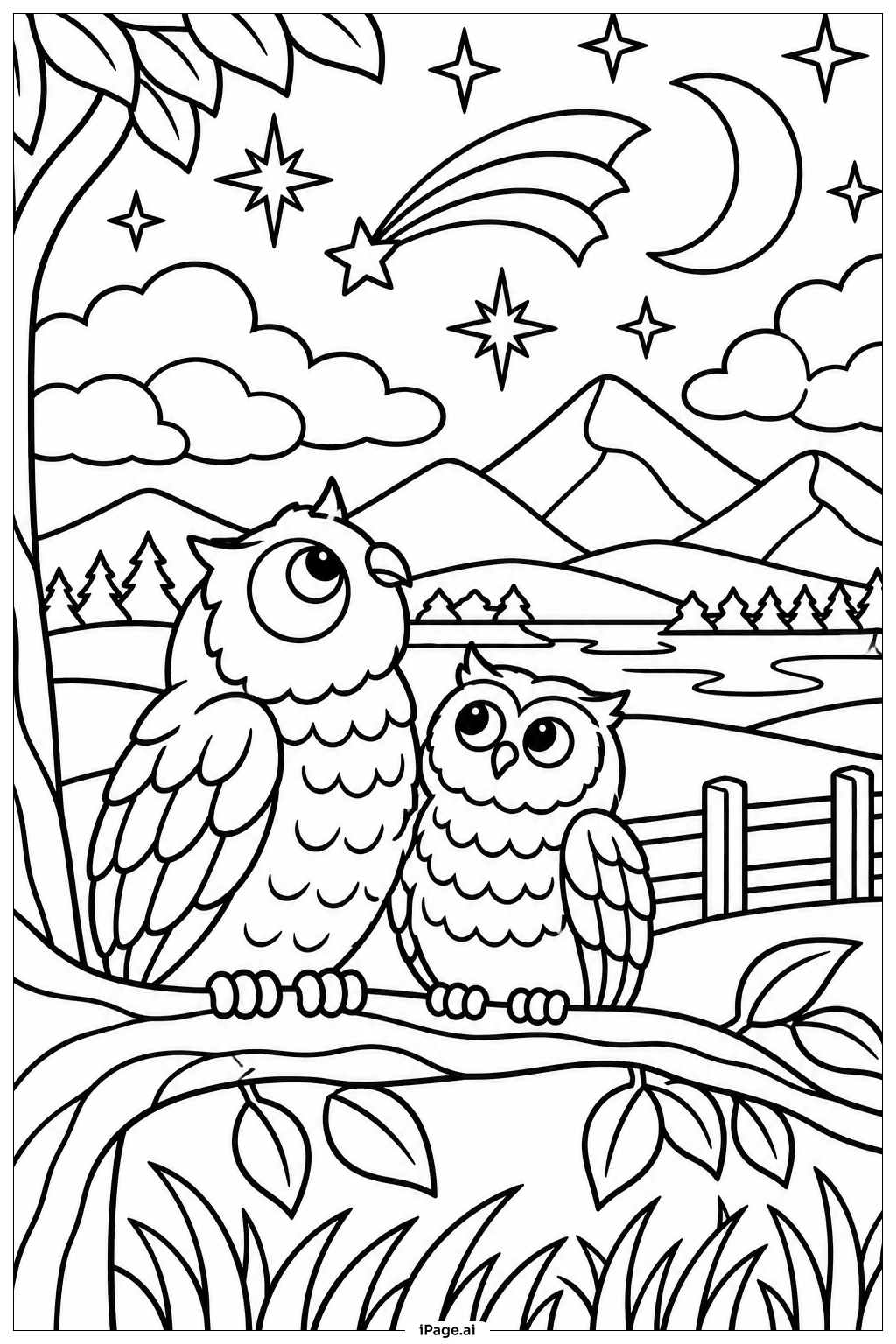
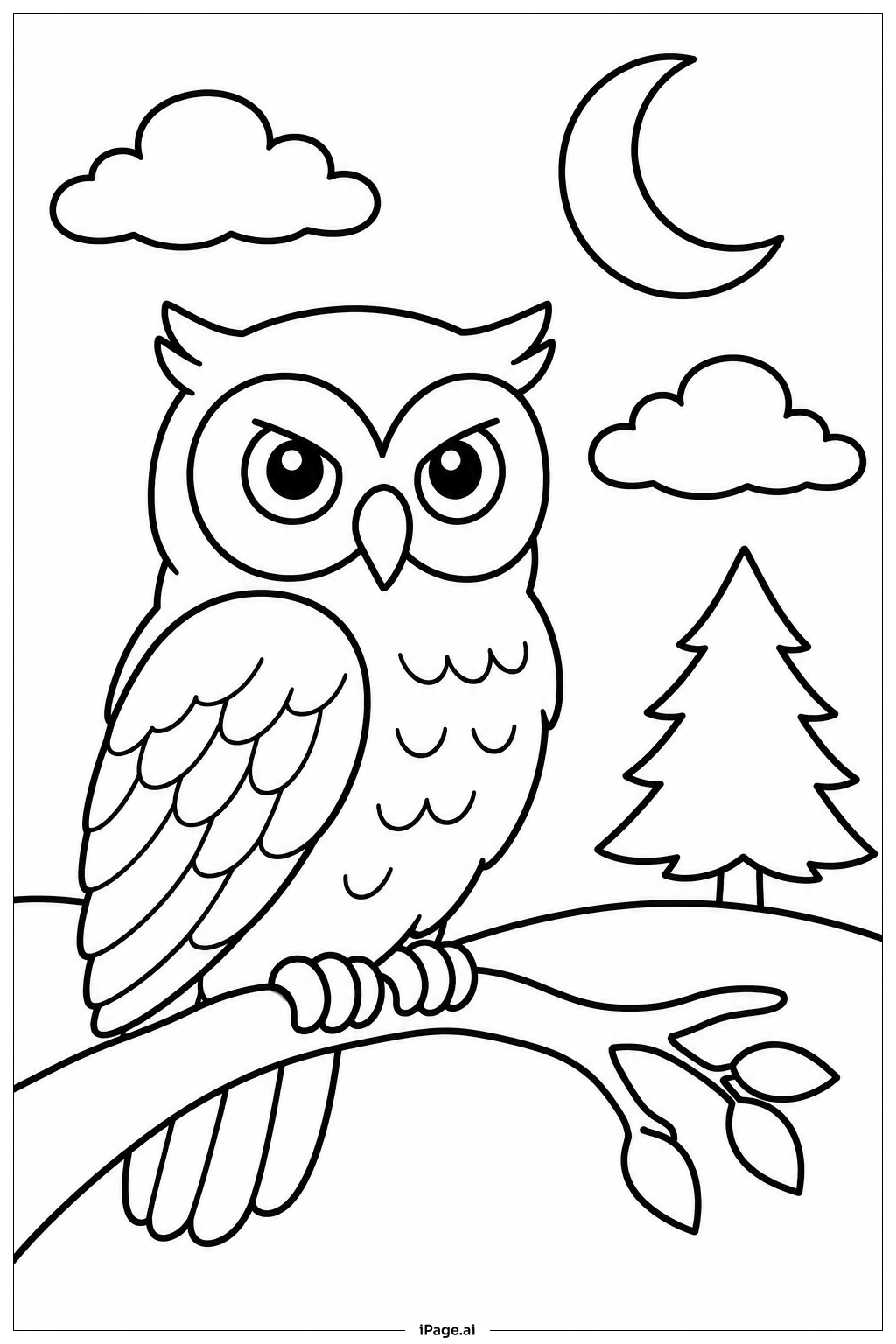
For this image, try using warm autumn colors like rich oranges, golden yellows, and deep reds to color the leaves. You can add shades of brown and tan for the branches and tree trunk. For the Owl, consider natural colors such as soft browns, grays, and creams to make it look realistic. Don't be afraid to use lighter shades around the eyes to show its gentle expression. You can also add a background with soft blues or purples to suggest the cool autumn sky. Using different shades of the same color will add depth and make the picture look lively.
Coloring challenges: Which parts are difficult to color and need attention for Owl In Autumn Leaves coloring page?
• Detailed Feathers: The Owl's feathers have many fine lines and patterns which can be tricky to color neatly. It requires patience to stay within the small spaces.
• Layered Leaves: Overlapping autumn leaves need careful coloring to show their different layers and shapes clearly.
• Color Blending: Blending warm colors smoothly on the leaves and background is a challenge, especially for younger children.
• Eye Expression: Coloring the Owl's eyes to give a life-like and gentle look needs attention to highlight and shadow.
• Branch Textures: The branches and twigs have thin lines and textures that require steady hand control to avoid coloring outside the lines.
Benefits of coloring books: Advantages of drawing Owl In Autumn Leaves coloring page
Coloring this image helps children practice fine motor skills because of its detailed feathers and leaves. It encourages creativity by allowing them to choose warm and natural colors to express the feeling of autumn. The peaceful scene of the Owl invites focus and calmness, making coloring a relaxing activity. Additionally, it teaches children about nature and seasonal changes, enhancing their observation skills. Completing this picture can boost confidence and pride in their artistic efforts.