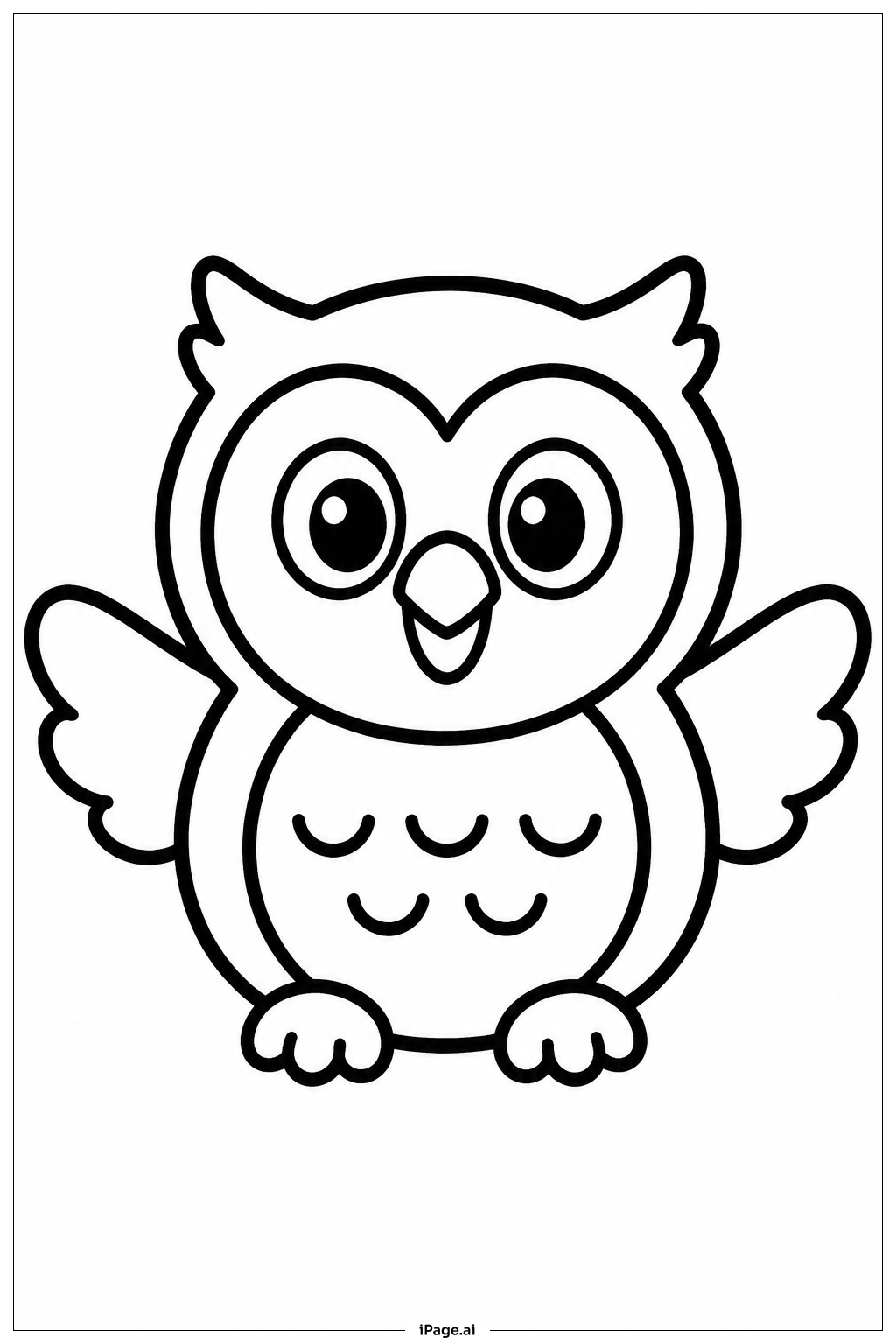
Coloring tips: How to color Happy Owl coloring page well?
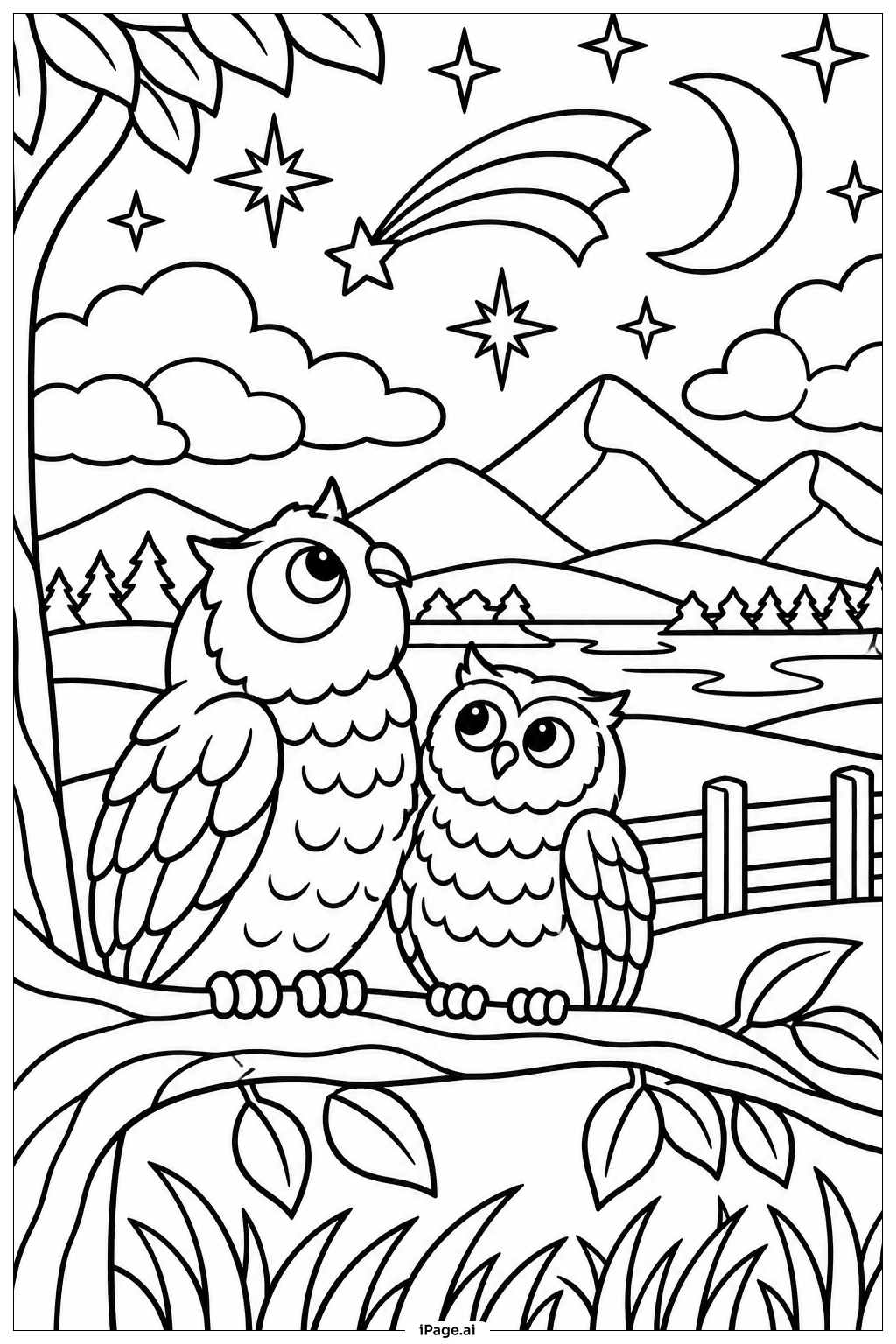
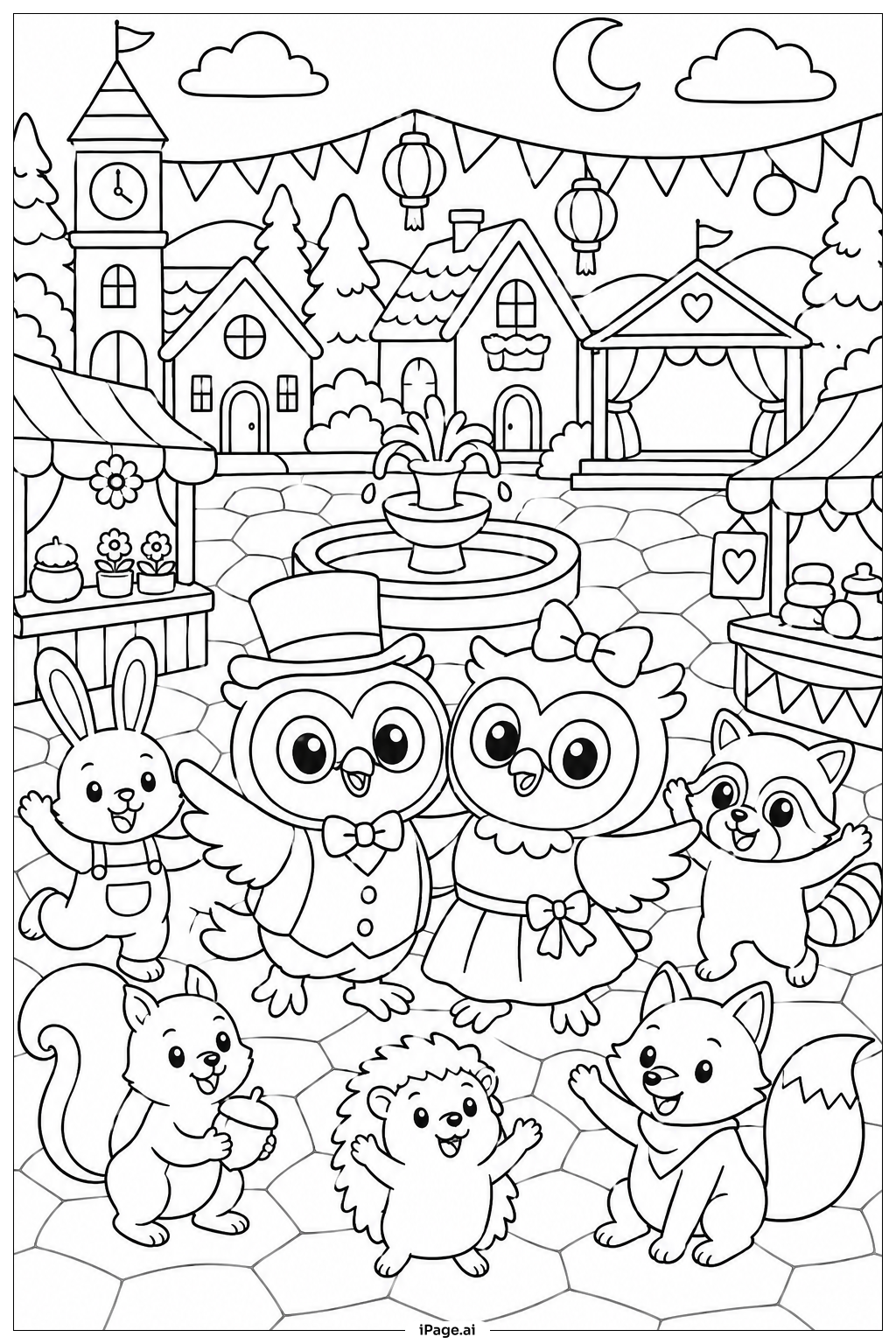
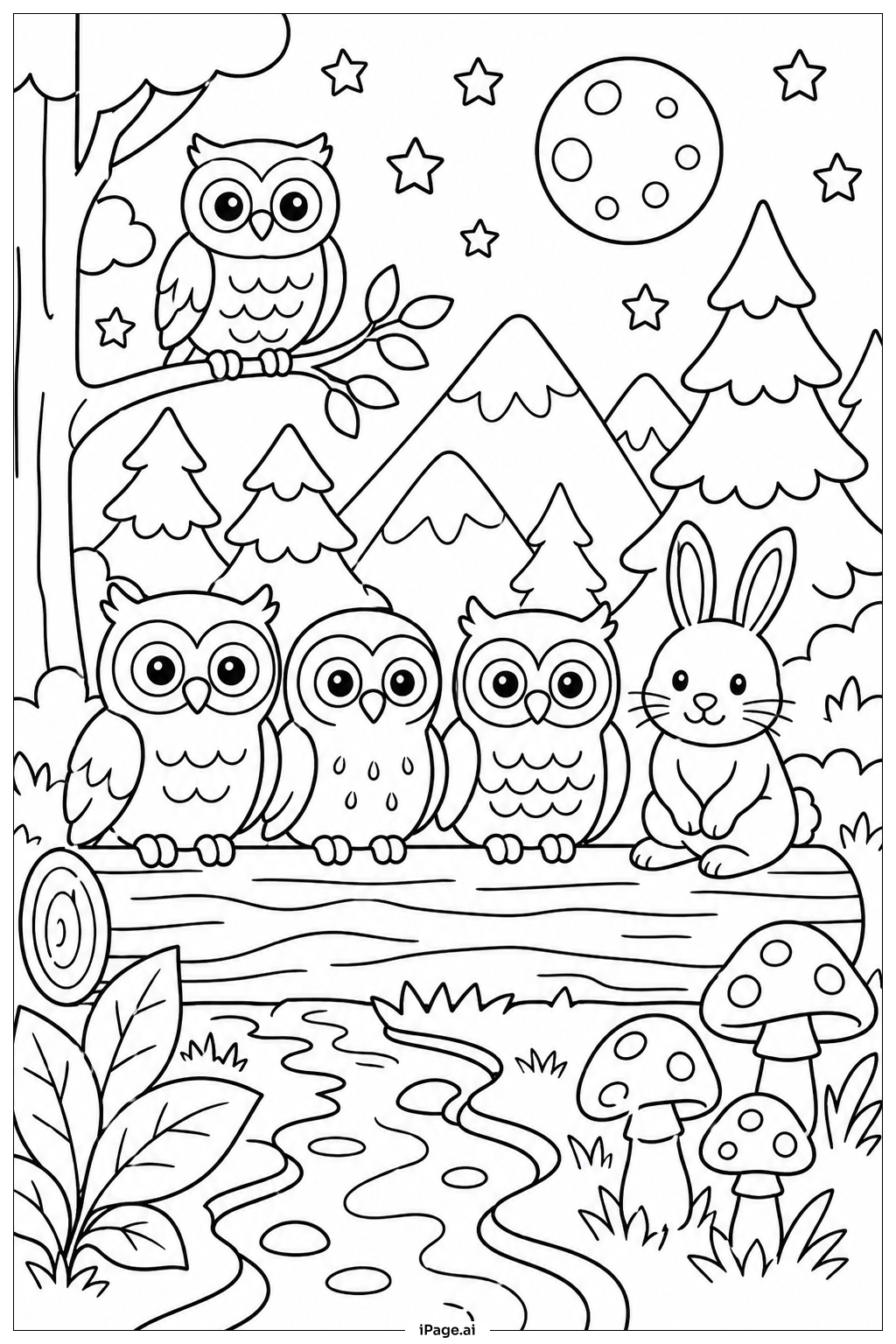
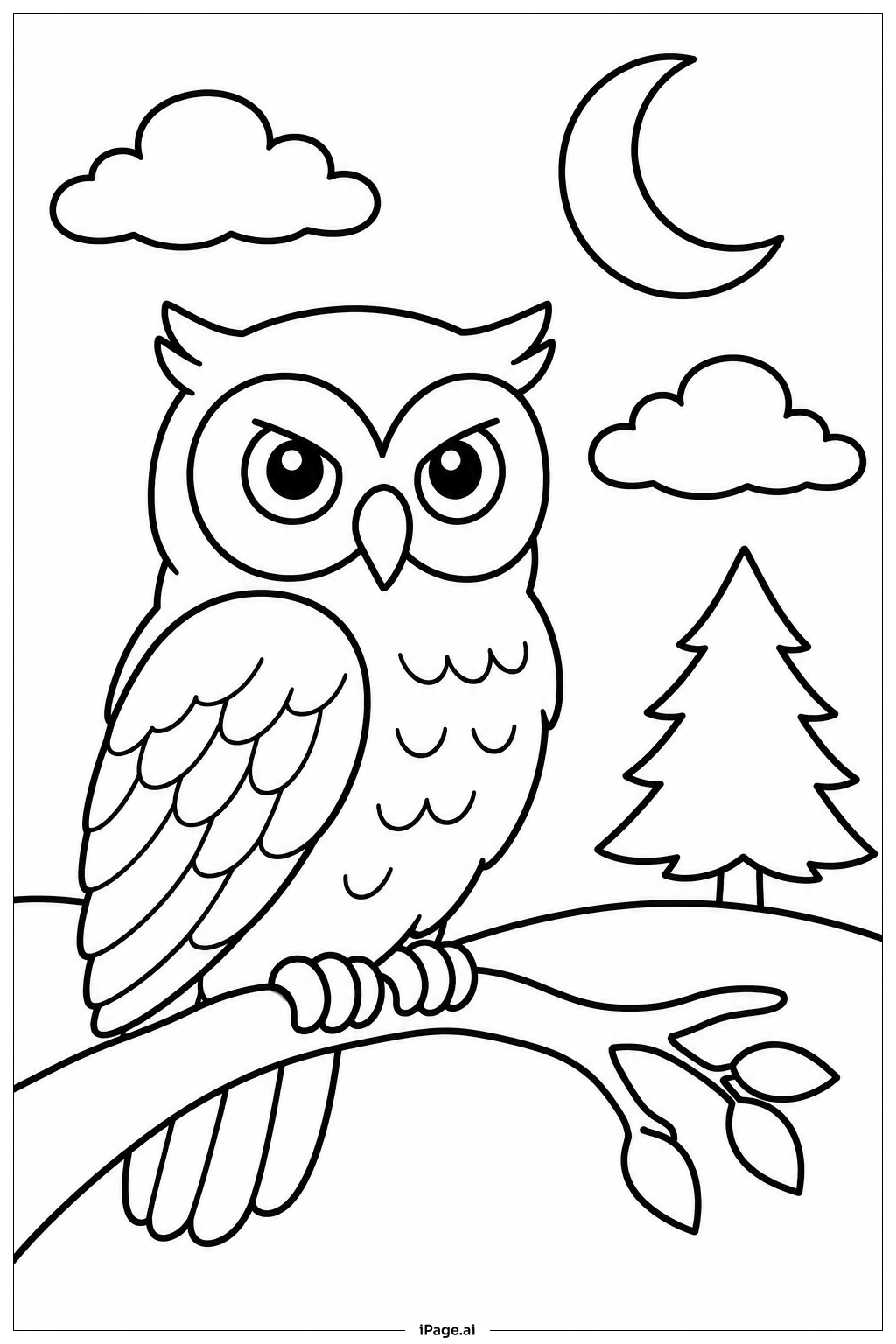
Start with the owl's large eyes — try bright yellow or golden tones for the irises and leave the highlight circles uncolored to make them sparkle. For the body feathers, warm brown tones like tan, chestnut, and dark brown work beautifully and create a natural look. You can also go creative with purples, teals, or oranges for a magical, fantasy feel. Use a darker shade to fill in the intricate patterns and swirls on the feathers to make the details pop. Color the beak in a soft orange or yellow. For the branch, use earthy browns and grays. Add greens to the leaves for a fresh, lively finish. Try blending light and dark shades within each feather section to add depth and dimension. Whether you prefer realistic colors or a rainbow palette, this owl is a perfect canvas for your imagination!
Coloring challenges: Which parts are difficult to color and need attention for Happy Owl coloring page?
• Eye Detail Precision: The owl's large round eyes are a focal point of the image and contain multiple layers — the outer ring, iris, pupil, and small highlight spots. Staying within each tiny ring without overlapping requires a steady hand and a fine-tipped coloring tool. Rushing this area can muddy the expressive look of the eyes.
• Feather Layering and Texture: The owl's body is covered in overlapping feathers, each containing its own decorative swirls and patterns. Coloring each feather individually while maintaining consistent shading across the whole body is time-consuming. Beginners may find it tricky to avoid coloring outside the fine lines that separate one feather from another.
• Pattern Consistency Within Feathers: Many feathers include small internal designs such as swirls, dots, or curves. Keeping these tiny patterns neat and visually balanced throughout the entire body takes patience and concentration, especially for younger or less experienced colorists.
• Smooth Blending on the Chest: The owl's chest area is broader and more open than the wings, making it the ideal spot for blending two or more colors. However, achieving a smooth gradient without streaks or harsh color transitions can be challenging, particularly when using colored pencils or markers.
• Branch and Background Balance: The branch the owl sits on has its own texture lines, and any surrounding leaves or background elements need to complement the owl without overpowering it. Choosing colors that contrast well with the owl while keeping the overall scene harmonious is a subtle but real challenge for colorists of all skill levels.
Benefits of coloring books: Advantages of drawing Happy Owl coloring page
Coloring this Happy Owl page offers a wonderful range of benefits for children and adults alike. For younger kids, it helps develop fine motor skills as they practice staying within the detailed lines of the feathers and eyes. This careful, focused activity also strengthens hand-eye coordination and pencil control over time.
The owl's intricate patterns encourage creativity and color exploration. Kids get to experiment with different color combinations and learn how light and dark shades can create depth — building early artistic thinking skills.
For older children and teens, the complexity of the feather details and layered textures offers a satisfying challenge that sharpens concentration and patience. Completing such a detailed piece also builds a healthy sense of accomplishment and boosts self-confidence.
For adults, coloring this peaceful owl scene serves as a wonderful mindfulness exercise. Focusing on small details helps quiet a busy mind, reduce stress, and encourage a meditative state of calm. It is a screen-free creative outlet that feels both relaxing and rewarding.
Overall, this Happy Owl coloring page is a joyful activity that nurtures creativity, focus, and emotional well-being across all ages.