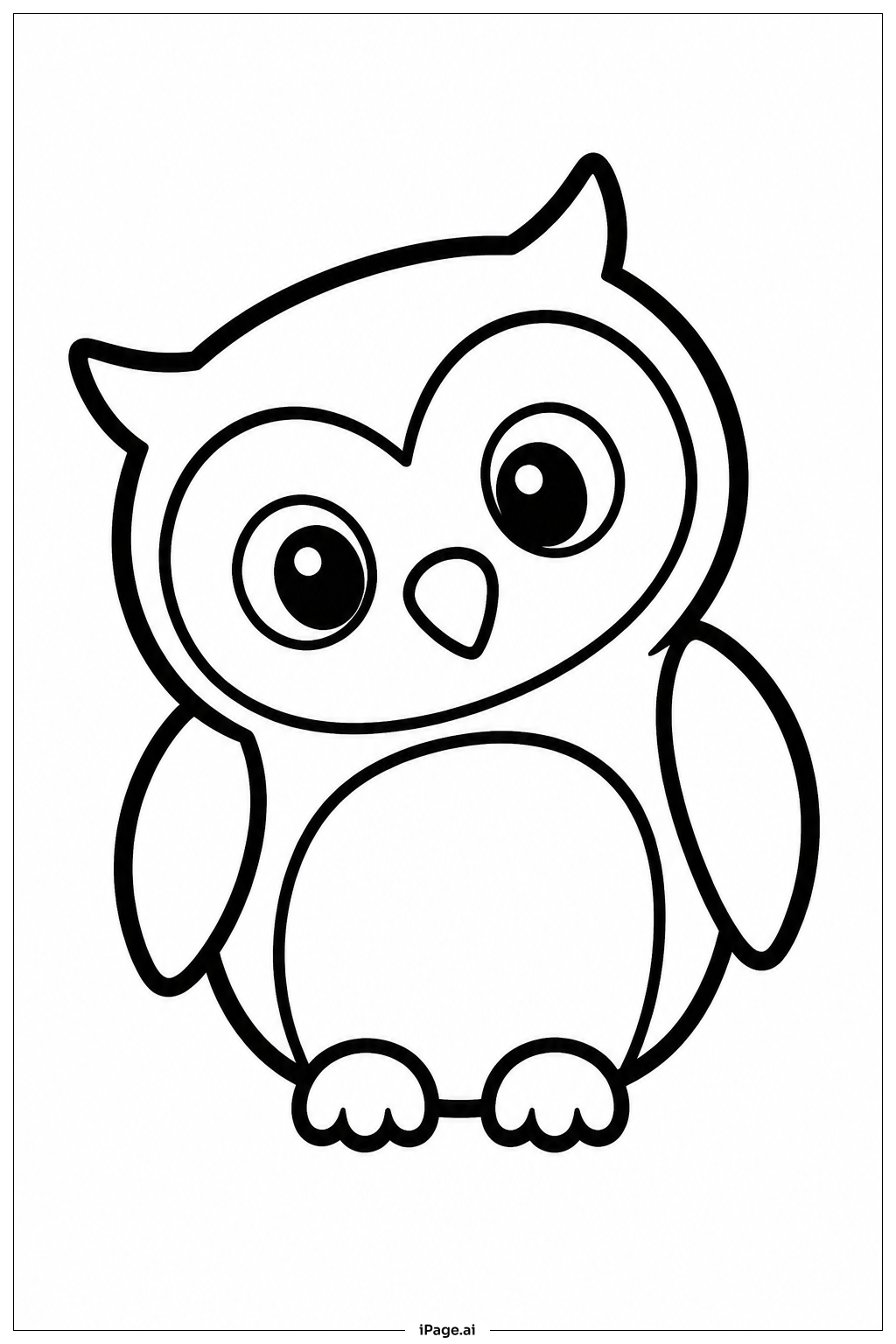
Coloring tips: How to color Curious Owl coloring page well?
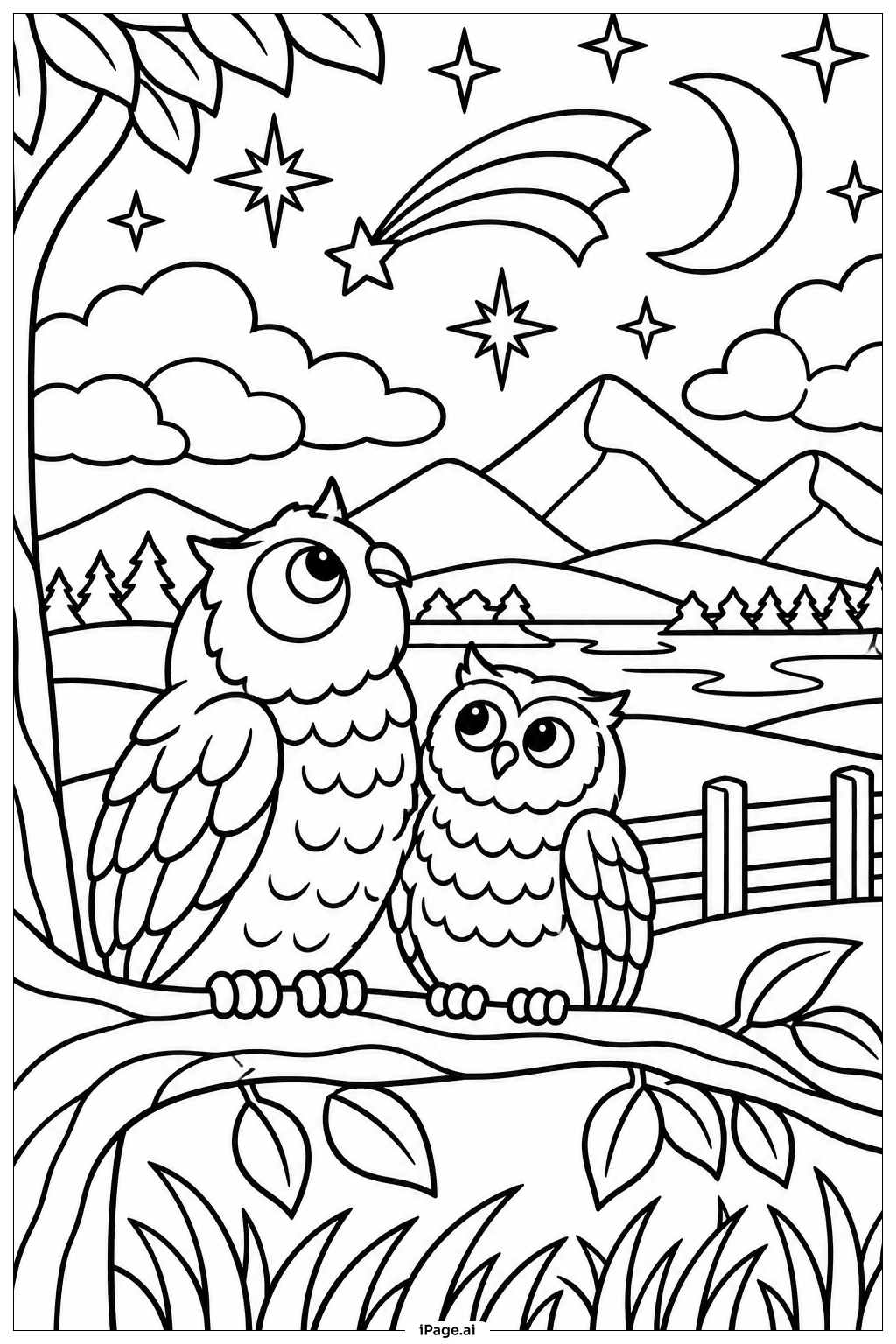
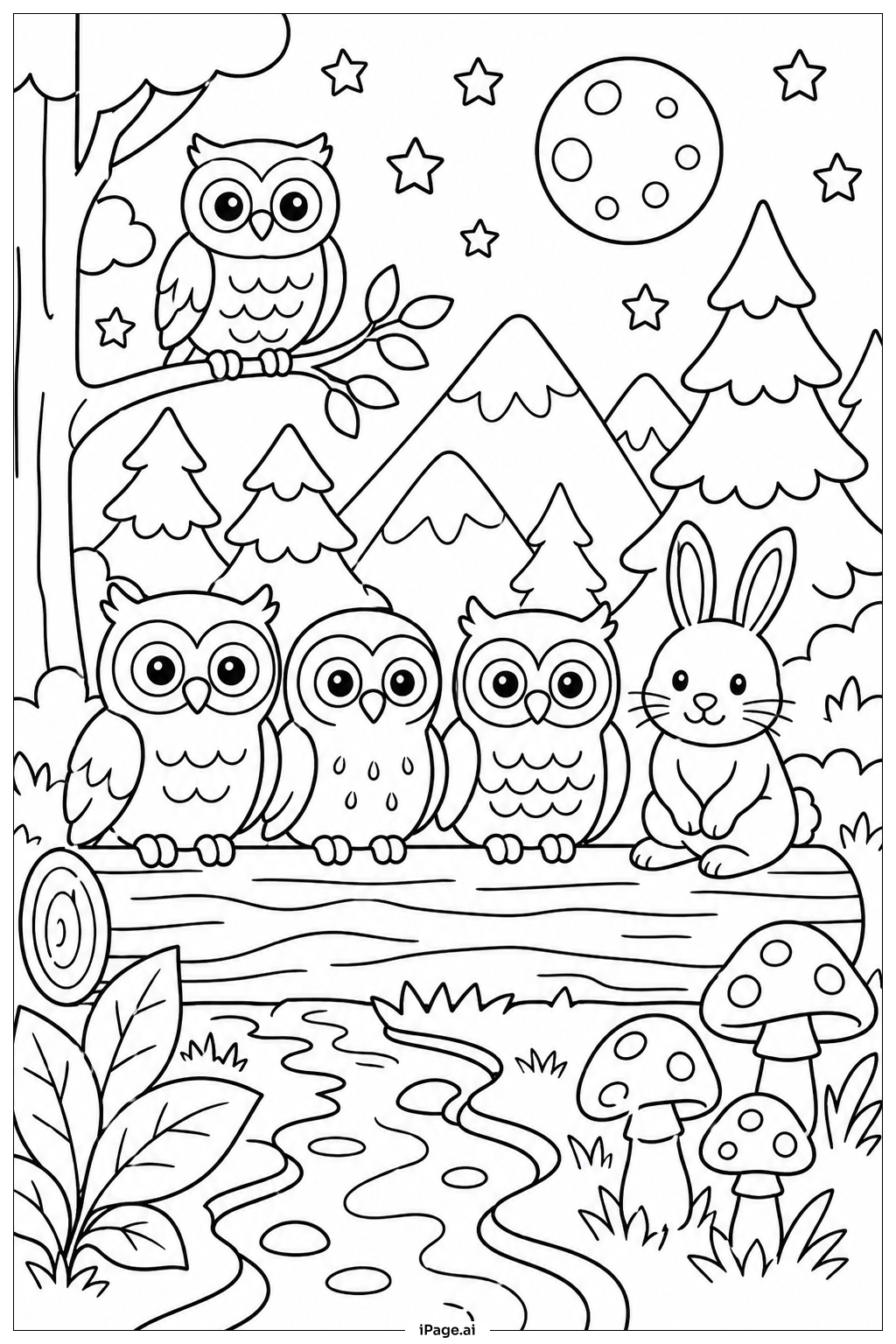
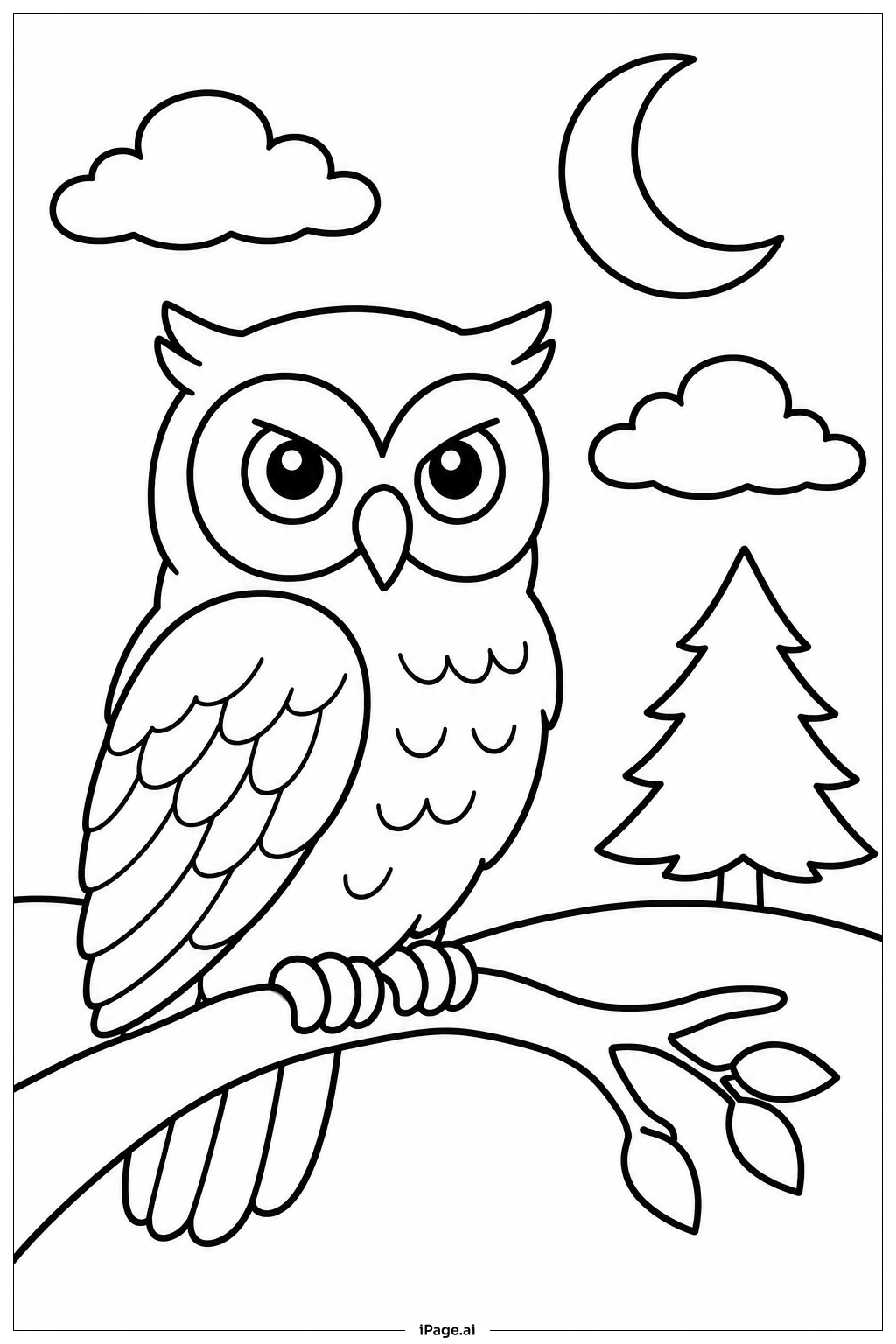
Start with the owl's large eyes — try bright yellow or golden orange for the irises to make them pop. Use a dark color like black or deep brown for the pupils to give the owl its curious, alert expression.
For the feathers, layer different shades of brown, tan, and cream. You can use darker browns on the outer wings and lighter tones on the chest to create depth. Adding a warm rust or amber color can make the feathers look rich and natural.
The branch can be colored in medium to dark brown, with hints of gray for a woody, realistic feel. For the leaves, choose fresh greens or mix yellow-green with darker shades to add variety.
Feel free to get creative — owls come in many colors in nature, so you can try cool grays, soft whites, or even fantasy colors like purple and teal for a magical twist. Take your time with the small feather details for a truly stunning result!
Coloring challenges: Which parts are difficult to color and need attention for Curious Owl coloring page?
• Layered Feather Patterns: The owl's body is covered in rows of overlapping feathers, each with its own shape and detail. Coloring them one by one while keeping consistent tones across the whole body takes patience. It can be tricky to blend colors smoothly so the feathers look natural rather than flat.
• Large Expressive Eyes: The owl's wide eyes are the focal point of the image. Getting the right balance of color — bright irises, dark pupils, and a small white highlight — requires a steady hand and careful control. Too much color in the wrong spot can make the eyes look dull instead of lively.
• Fine Line Details: There are many small, closely spaced lines throughout the feathers and wings. Staying within these fine lines is challenging, especially for younger colorists. Using sharpened colored pencils or fine-tipped markers will help keep things neat.
• Branch and Bark Texture: The tree branch has rough, uneven surface lines meant to suggest bark texture. Coloring the bark realistically means using multiple shades and leaving some areas lighter to suggest bumps and ridges. This kind of shading can be difficult without practice.
• Background Leaves and Depth: The leaves and branches in the background need to look separate from the owl without competing for attention. Choosing colors that are softer or slightly different from the owl's tones helps create a sense of depth, but finding that balance is a genuine challenge for colorists of any age.
Benefits of coloring books: Advantages of drawing Curious Owl coloring page
Coloring this Curious Owl page offers a wonderful mix of fun and learning for kids and families alike.
Focusing on the owl's many feather details helps build fine motor skills and hand control. Carefully guiding a pencil or marker along small, precise lines trains the fingers and improves coordination — skills that are useful in school and everyday life.
The image also encourages creativity. Choosing colors for the feathers, eyes, and background invites kids to make their own artistic decisions. There is no single right answer, which builds confidence and independent thinking.
Spending time on a detailed coloring page like this also supports patience and concentration. Working through each section step by step teaches kids to slow down, focus, and feel proud of steady progress.
Learning about owls through coloring is a gentle introduction to the natural world. Kids may become curious about where owls live, what they eat, and why their eyes are so large — turning a simple activity into a spark for discovery.
Finally, coloring is a calming, screen-free activity. It helps reduce stress and brings a quiet sense of joy when the finished page comes together. Whether done alone or with others, this Curious Owl page is a great way to relax and create something beautiful.