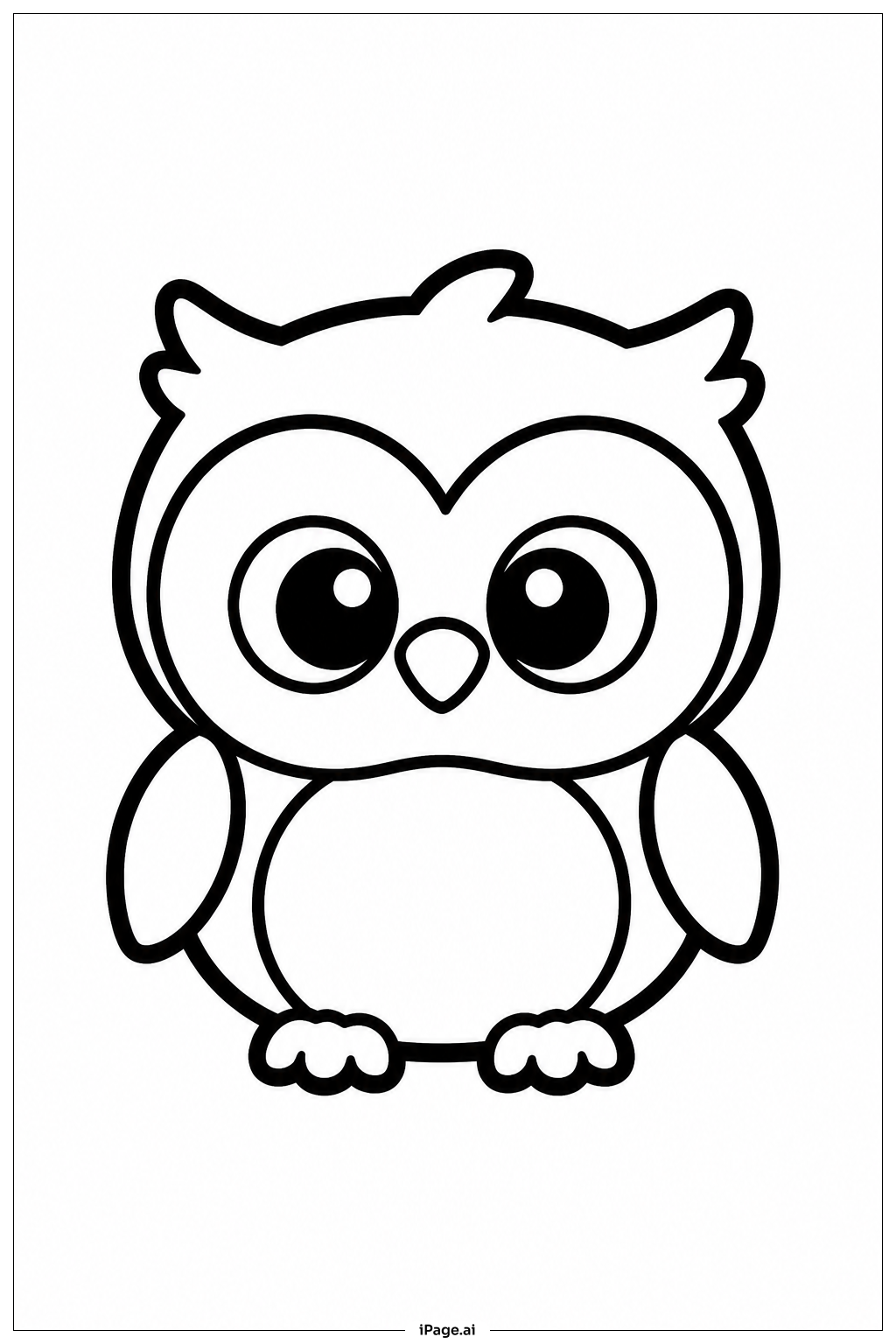
Coloring tips: How to color Baby Owl coloring page well?
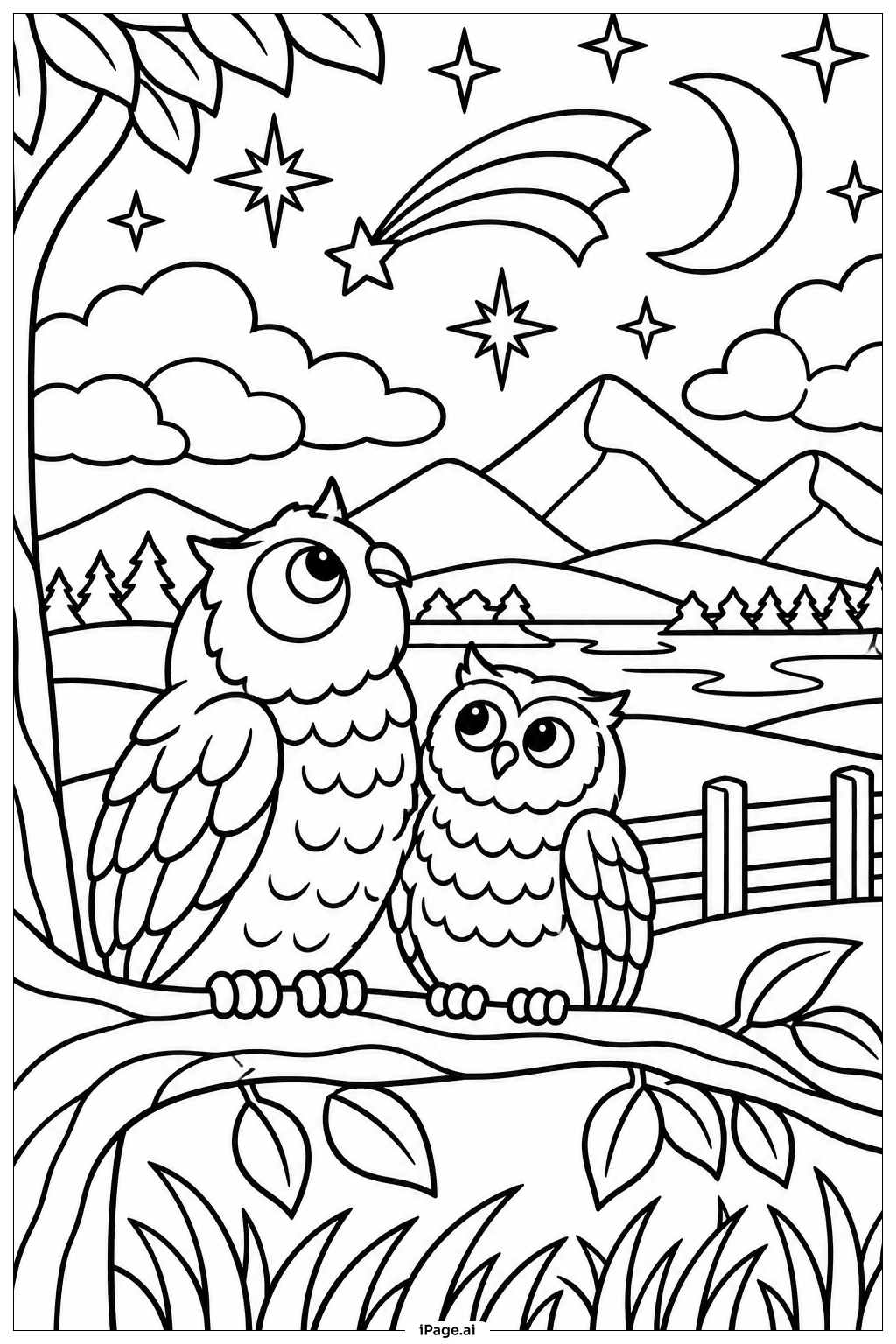
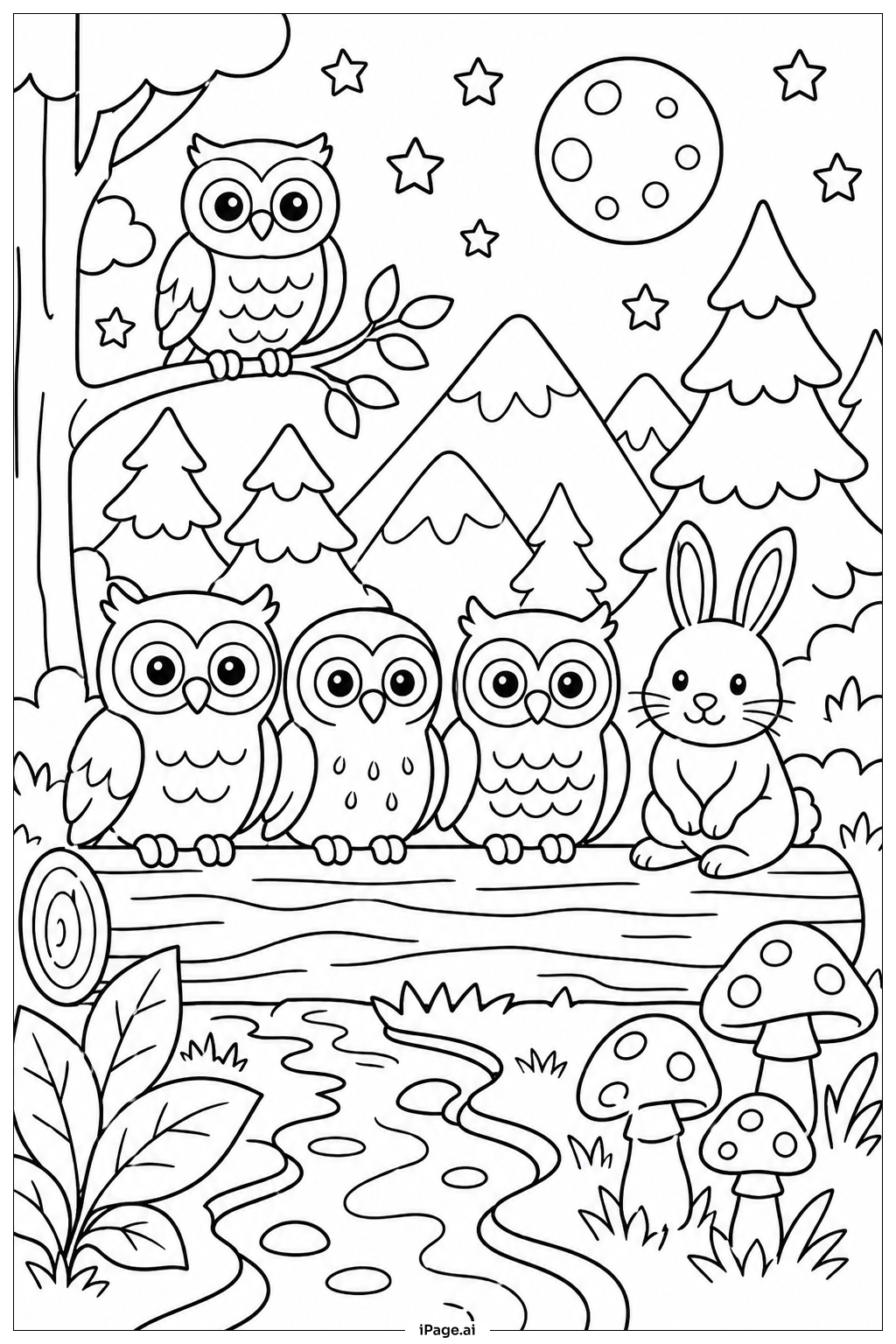
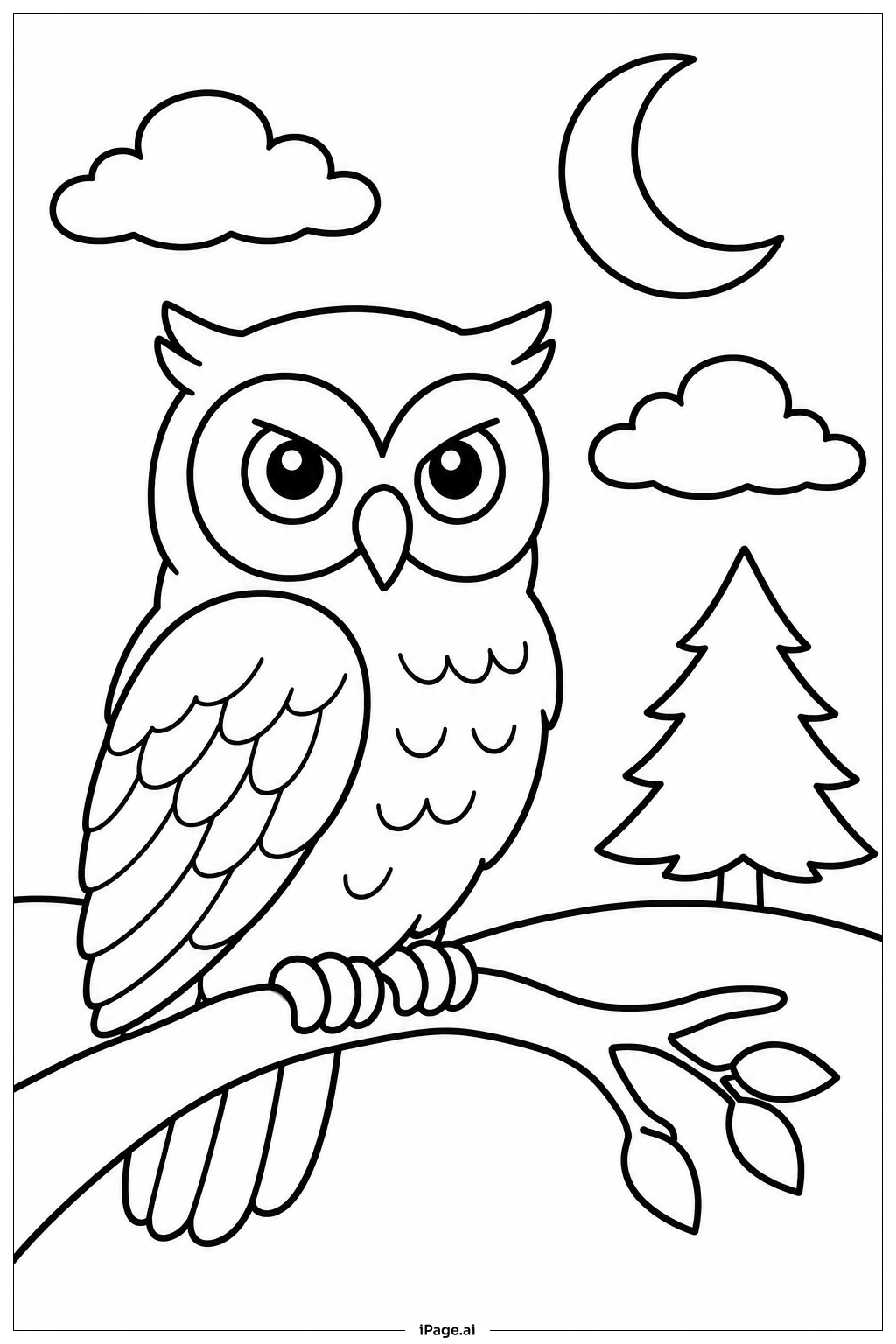
Start with the owl's large eyes. Color the irises bright yellow or golden orange to make them pop. Use a dark brown or black for the pupils. For the feathers, try warm browns, creamy whites, and soft tans — layer them to create a natural, fluffy look. The chest feathers can be lighter, like pale beige or white, while the wings and back go darker. Use earthy greens for the leaves around the branch, and a medium brown for the branch itself. Add light gray or soft buff tones to the facial disc for a gentle contrast. If you want to make it magical, try adding touches of purple or blue to the shadowed feather areas. Keep your strokes light and follow the direction of each feather for a realistic texture. This image is great for experimenting with blending colors to show soft, fluffy fur-like feathers.
Coloring challenges: Which parts are difficult to color and need attention for Baby Owl coloring page?
• Feather Layering: The baby owl's body is covered in many overlapping feathers, each with its own shape and texture. Coloring them individually while keeping the overall shading consistent is tricky. You need to decide on a light source direction and stick to it, making some feathers lighter and others darker to give the body a three-dimensional, rounded look.
• Large Expressive Eyes: The oversized round eyes are the focal point of this image. Getting the gradient right inside the iris — from a bright center to a deeper outer ring — takes patience and careful color blending. The reflective highlights inside the eyes also need to be left uncolored or very lightly touched to keep them looking shiny and alive.
• Facial Disc Definition: The heart-shaped facial disc that frames the owl's face has subtle boundary lines that are easy to overlook. Maintaining a clear but gentle color transition between the disc and the surrounding head feathers requires a steady hand and careful color choices so the face stands out without looking harsh.
• Branch and Background Balance: The tree branch and surrounding leaves need enough color to feel part of a real woodland scene, but they shouldn't overpower the owl. Choosing background colors that complement rather than compete with the warm browns of the owl can be a challenge, especially for younger colorists who may not yet think about overall color harmony.
• Small Detail Areas: The tiny talons gripping the branch and the fine feather tips near the wings are small and closely packed. Staying inside these lines with a regular crayon or marker can be difficult, and using a finer tool for these areas is recommended.
Benefits of coloring books: Advantages of drawing Baby Owl coloring page
Coloring this Baby Owl page is a wonderful activity for kids and beginners alike. The wide variety of feather shapes and textures gives young colorists a great chance to practice staying inside the lines and building fine motor control. Every small feather is like its own mini coloring challenge, which helps develop patience and focus over time.
The image also encourages creativity. There is no single right way to color an owl, so children feel free to experiment with different color combinations and make the image uniquely their own. Choosing colors for the feathers, eyes, and background helps build early color theory instincts in a fun, pressure-free way.
Working on the large expressive eyes teaches kids how to create depth and shine using simple shading techniques, introducing them to light and shadow in a very accessible way.
Beyond the skills gained, there is a real sense of calm that comes from coloring a soft, gentle subject like a baby owl. It is a soothing, screen-free activity that can ease stress and help children wind down. Finishing the page also gives a satisfying boost of confidence and pride. Overall, this coloring page is a joyful mix of learning, creativity, and relaxation.