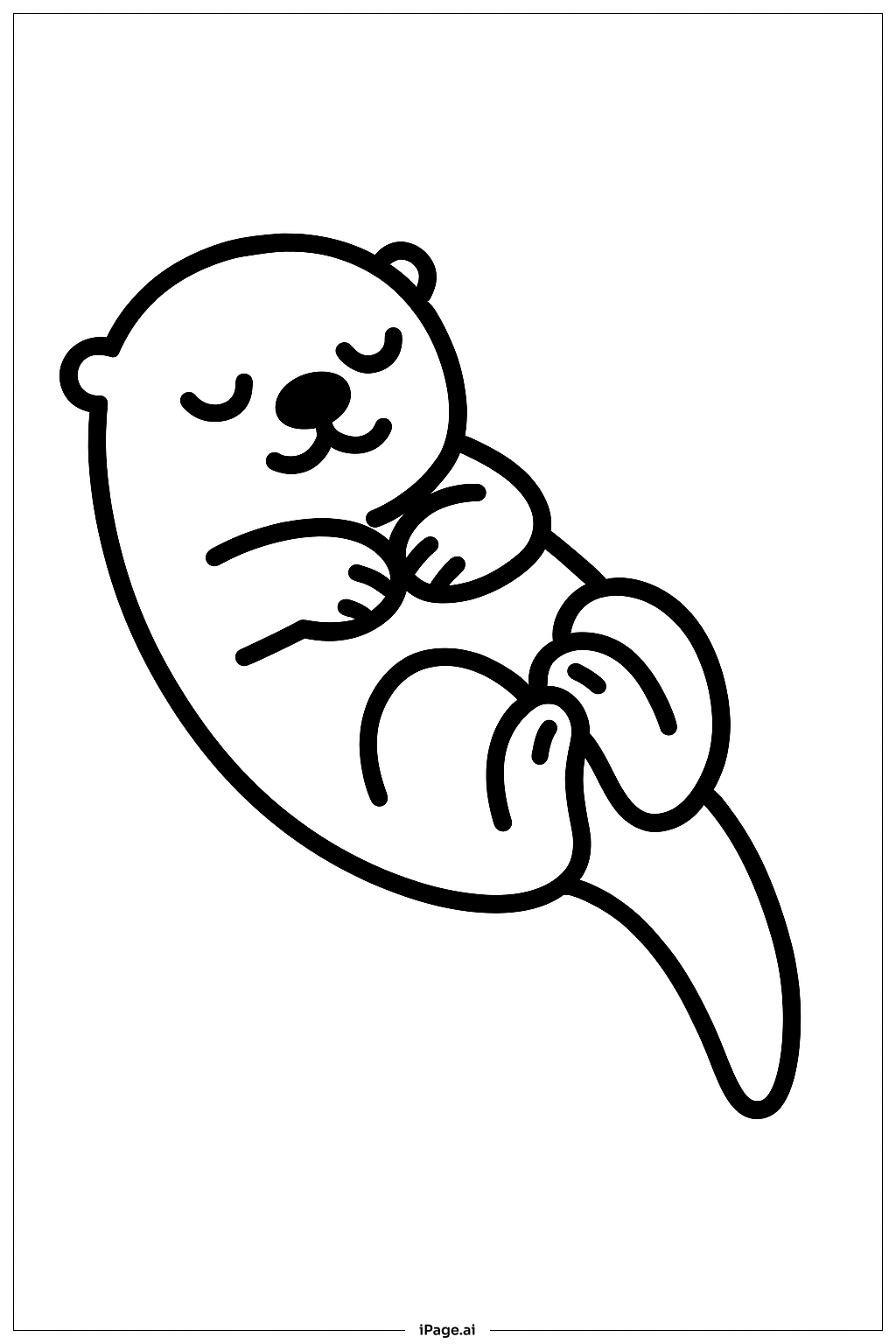
Coloring tips: How to color Sleeping Otter On Back coloring page well?
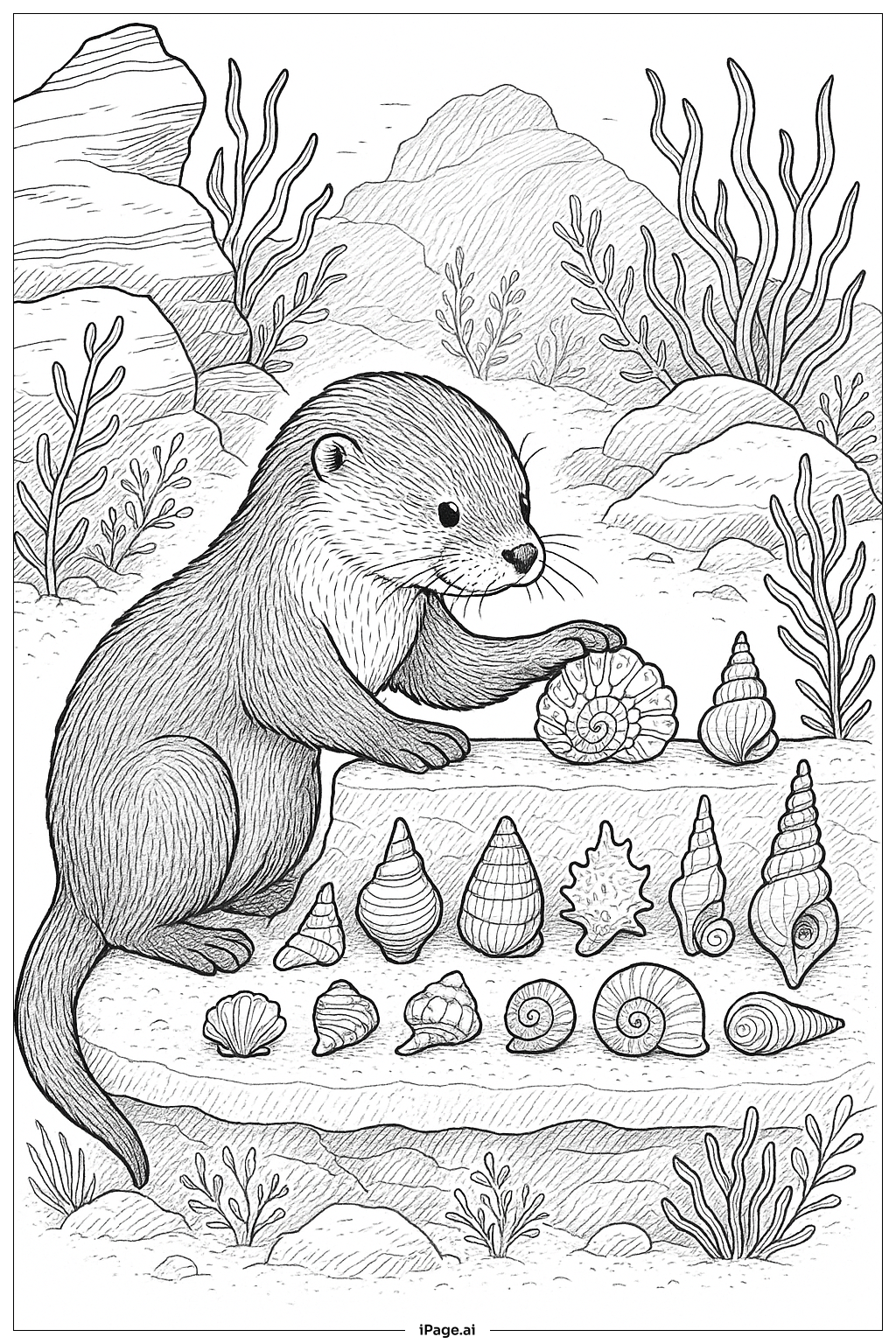
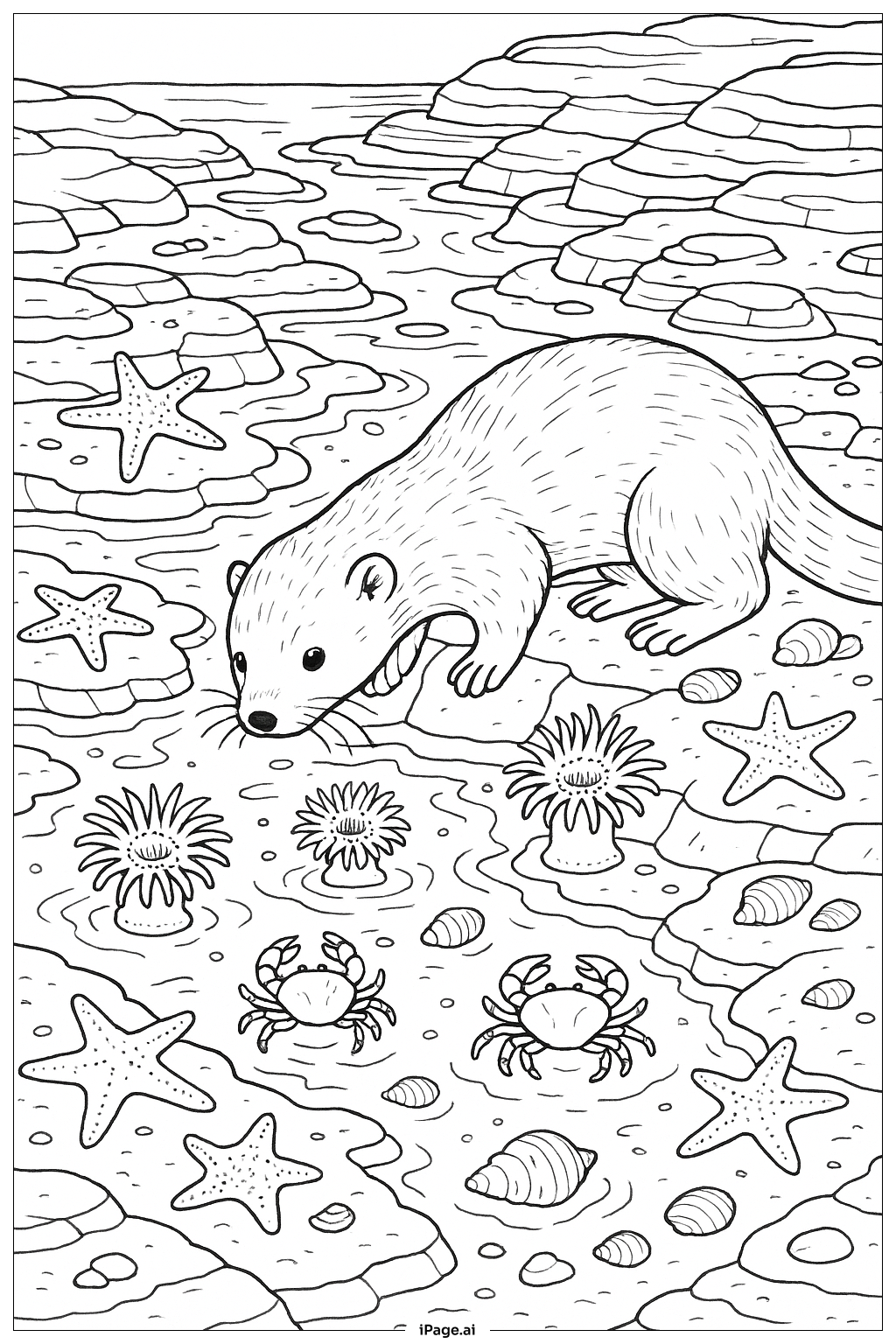
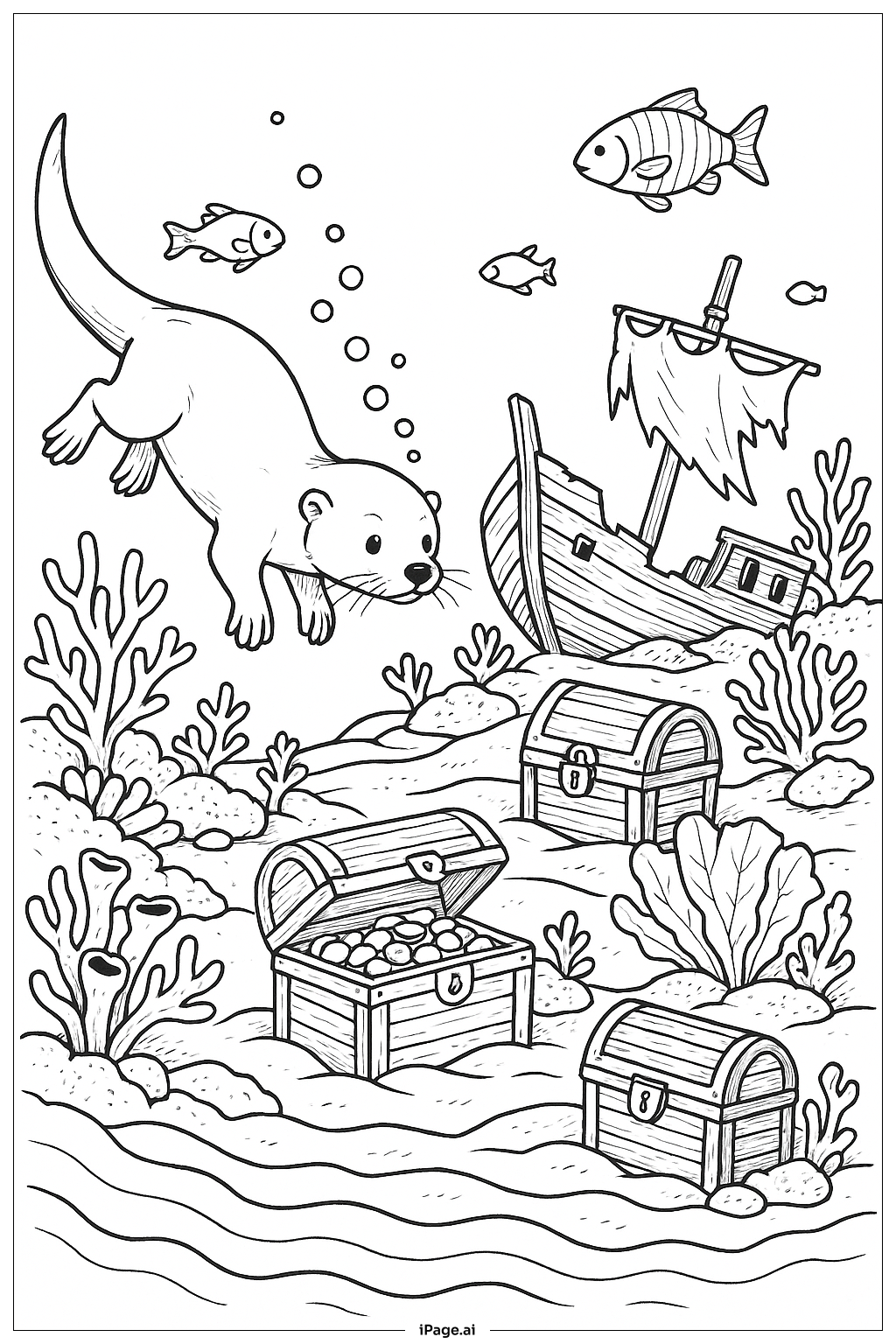
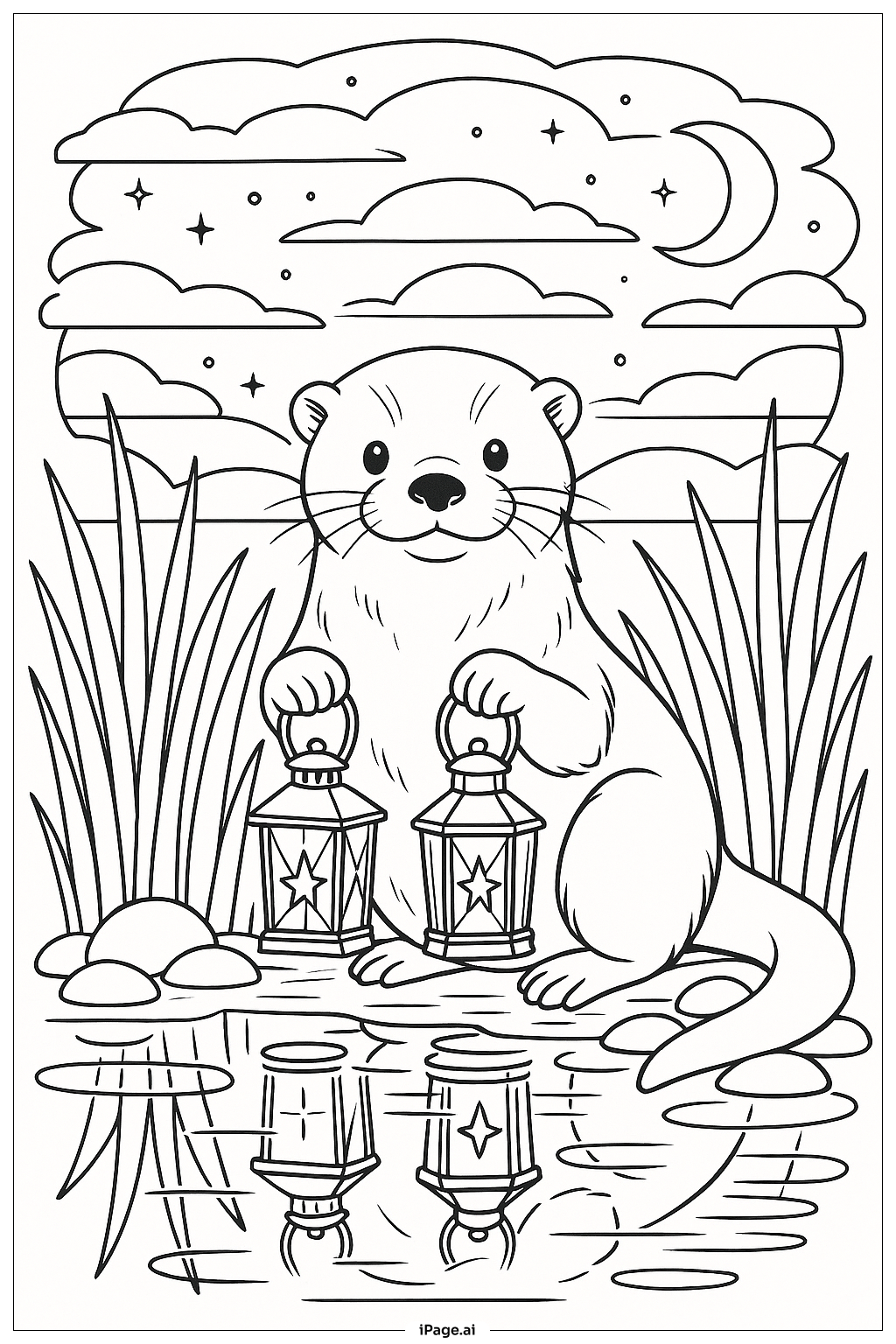
Use soft brown shades for the otter's fur to make it look natural. You can add lighter colors like cream or beige on the belly and face to highlight those areas. For the nose and eyes, choose black or dark brown to make them stand out. The background can be colored with soft blue or green to give a peaceful, nature-like feel. You can also add gentle shadows with slightly darker browns to show the otter's shape better.
Coloring challenges: Which parts are difficult to color and need attention for Sleeping Otter On Back coloring page?
1. Keeping the colors inside the small paws and face can be tricky because of the fine lines.
2. Blending different shades of brown smoothly to make the fur look soft may require patience and care.
3. Coloring the tail evenly while maintaining the curved shape needs attention.
4. Adding shadows without making the otter look too dark might be challenging.
5. Choosing a background color that complements the otter without overpowering it needs careful thought.
Benefits of coloring books: Advantages of drawing Sleeping Otter On Back coloring page
Coloring this otter helps improve focus and fine motor skills because it requires careful coloring inside the lines. It also encourages creativity through choosing different shades and blending colors. The peaceful sleeping pose can bring calmness and relaxation while coloring. This picture is perfect for children to practice patience and attention to detail. Lastly, coloring animals like otters can increase awareness and appreciation for nature and wildlife.