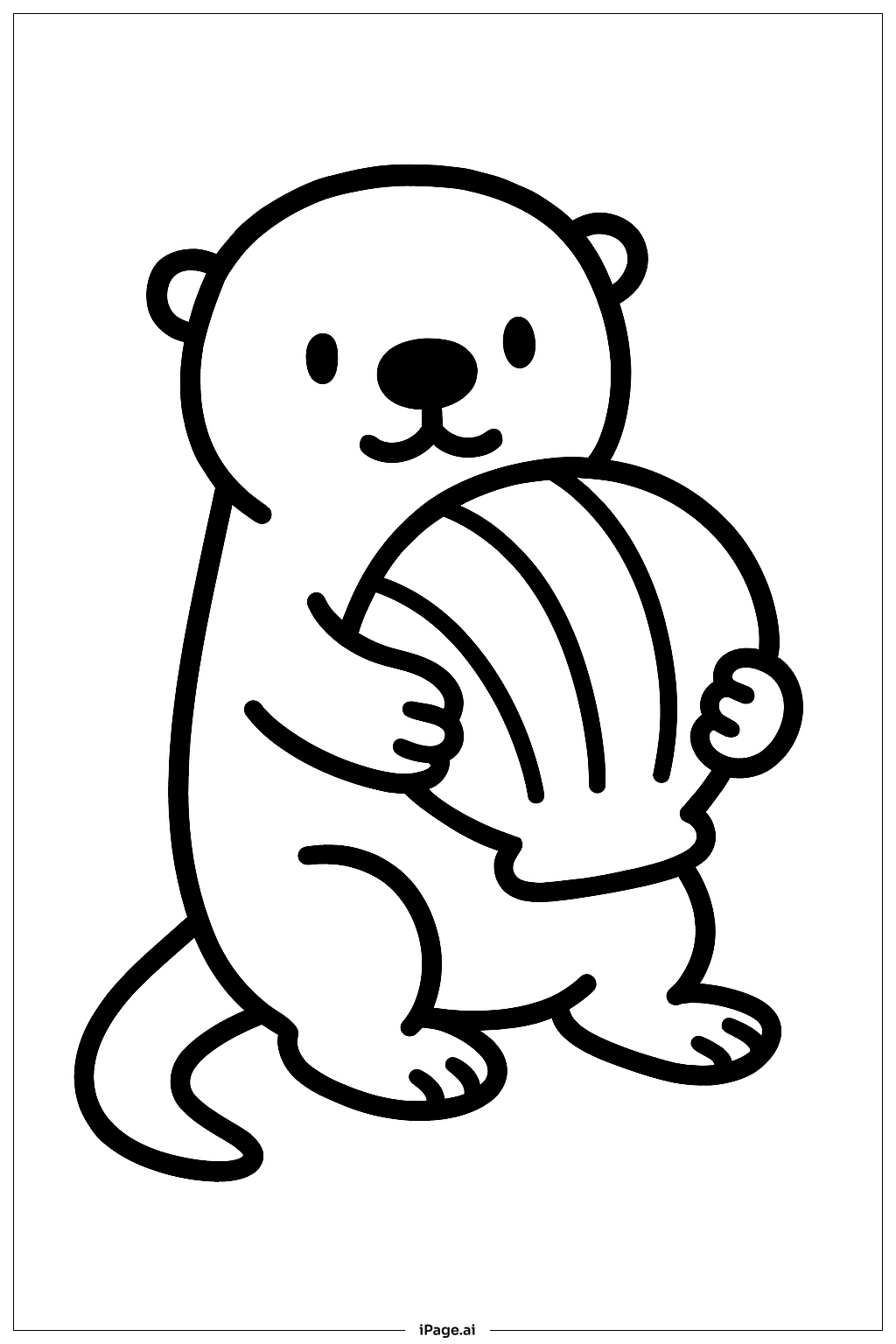
Coloring tips: How to color Otter Holding A Shell coloring page well?
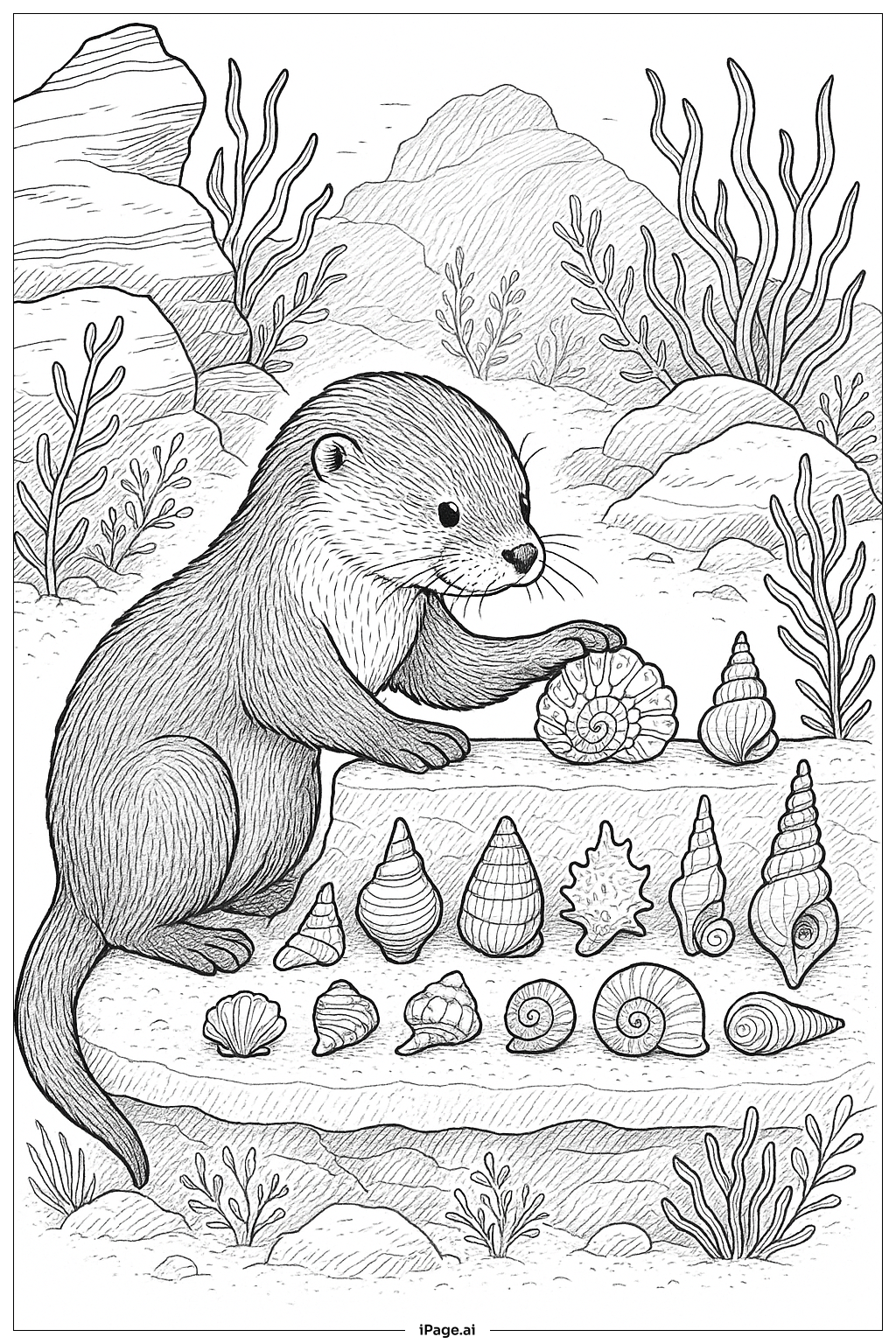
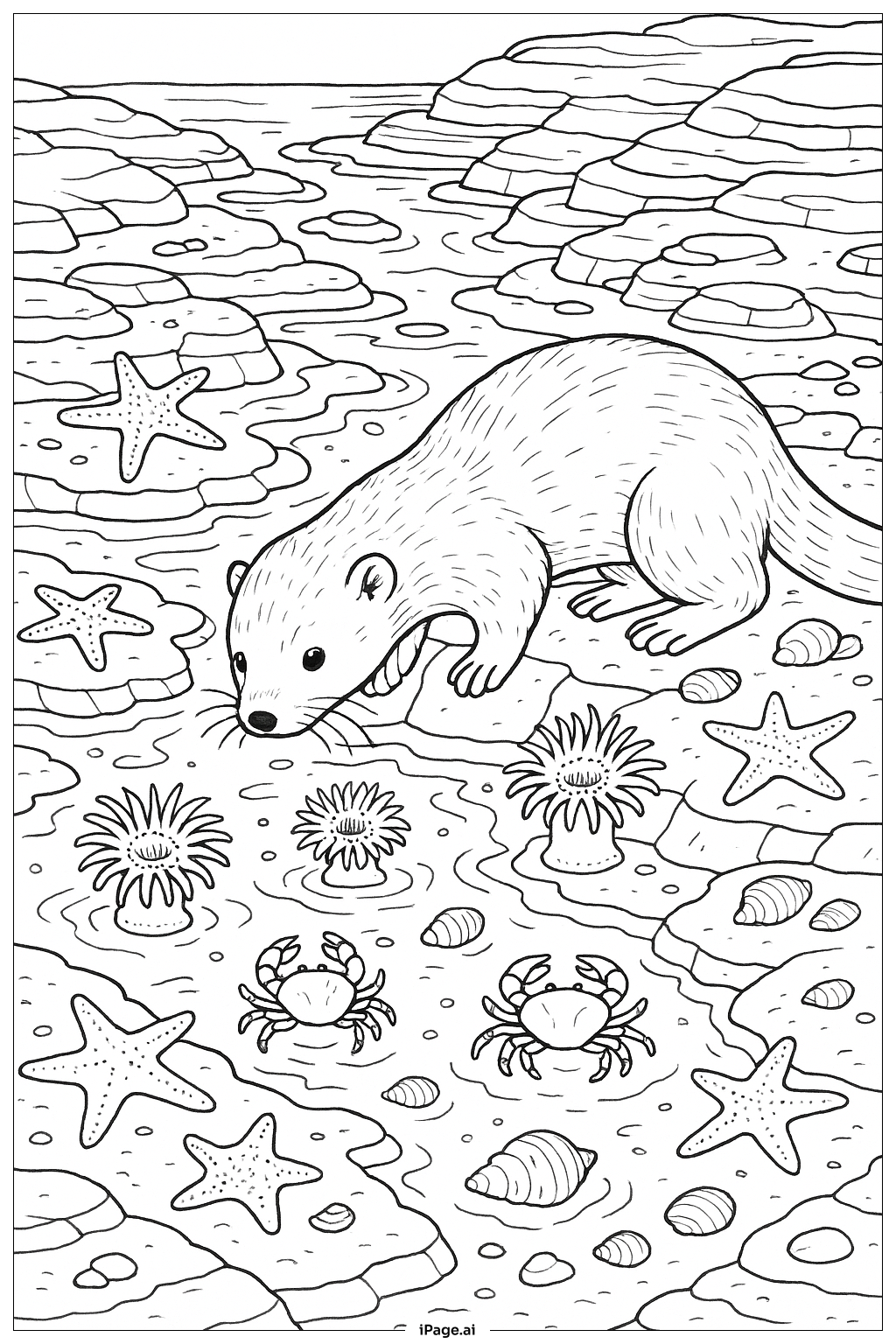
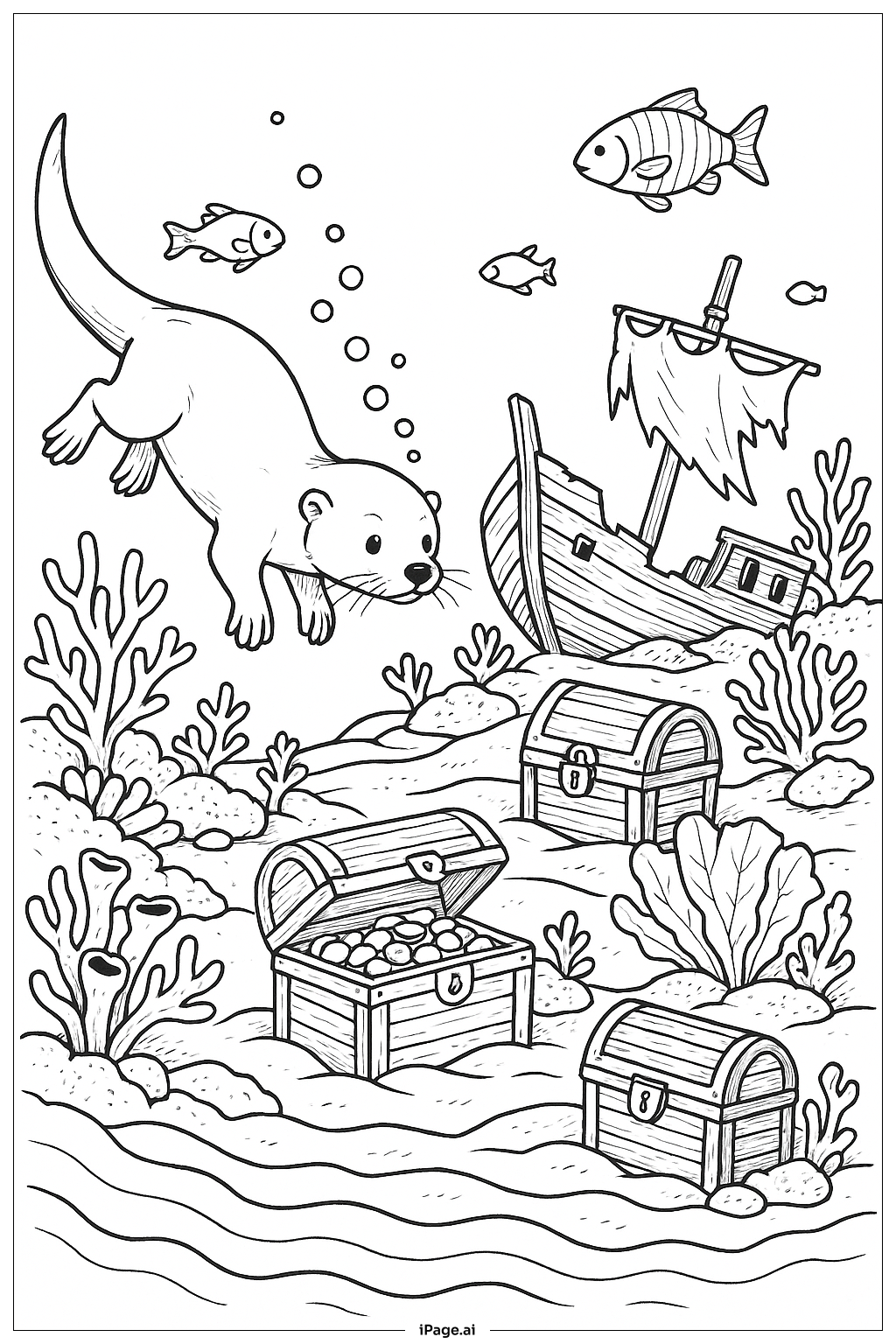
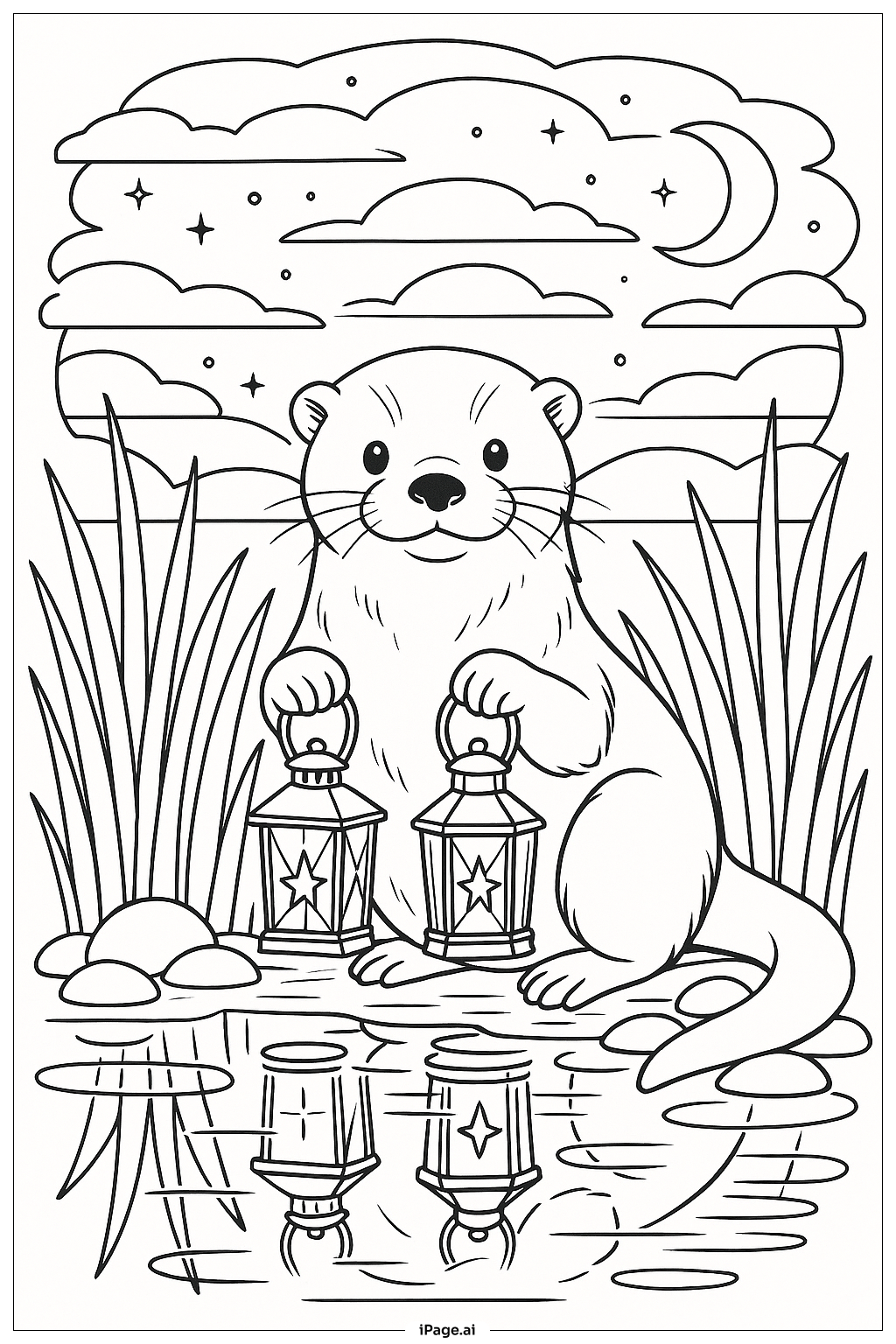
Use soft brown or gray tones for the otter’s fur, making it look natural. For the shell, pick bright colors like orange, pink, or yellow to make it stand out. You can also add some shading by coloring lightly in some areas and darker in others to create a 3D effect. Keep the claws and nose black or dark brown to add contrast. Try to stay inside the lines for a neat finish, but have fun experimenting with different colors.
Coloring challenges: Which parts are difficult to color and need attention for Otter Holding A Shell coloring page?
1. Coloring the otter’s paws can be tricky because they are small and have many curves, requiring careful coloring to stay inside the lines. 2. The shell has multiple curved sections, which may be hard to color evenly without overlapping lines. 3. Balancing colors between the otter and shell can be challenging to ensure both look vibrant without clashing. 4. The otter’s tail has a curved shape that might be difficult to color smoothly without breaking the outline. 5. Small details like the nose and claws need precision to color properly without spilling over.
Benefits of coloring books: Advantages of drawing Otter Holding A Shell coloring page
Coloring this picture helps improve concentration and hand-eye coordination. It encourages creativity by allowing kids to choose colors and experiment with shading. Fine motor skills develop as children carefully color small areas like the paws and shell sections. It also teaches patience and attention to detail. Ultimately, this fun activity builds confidence and provides a relaxing way to enjoy art.