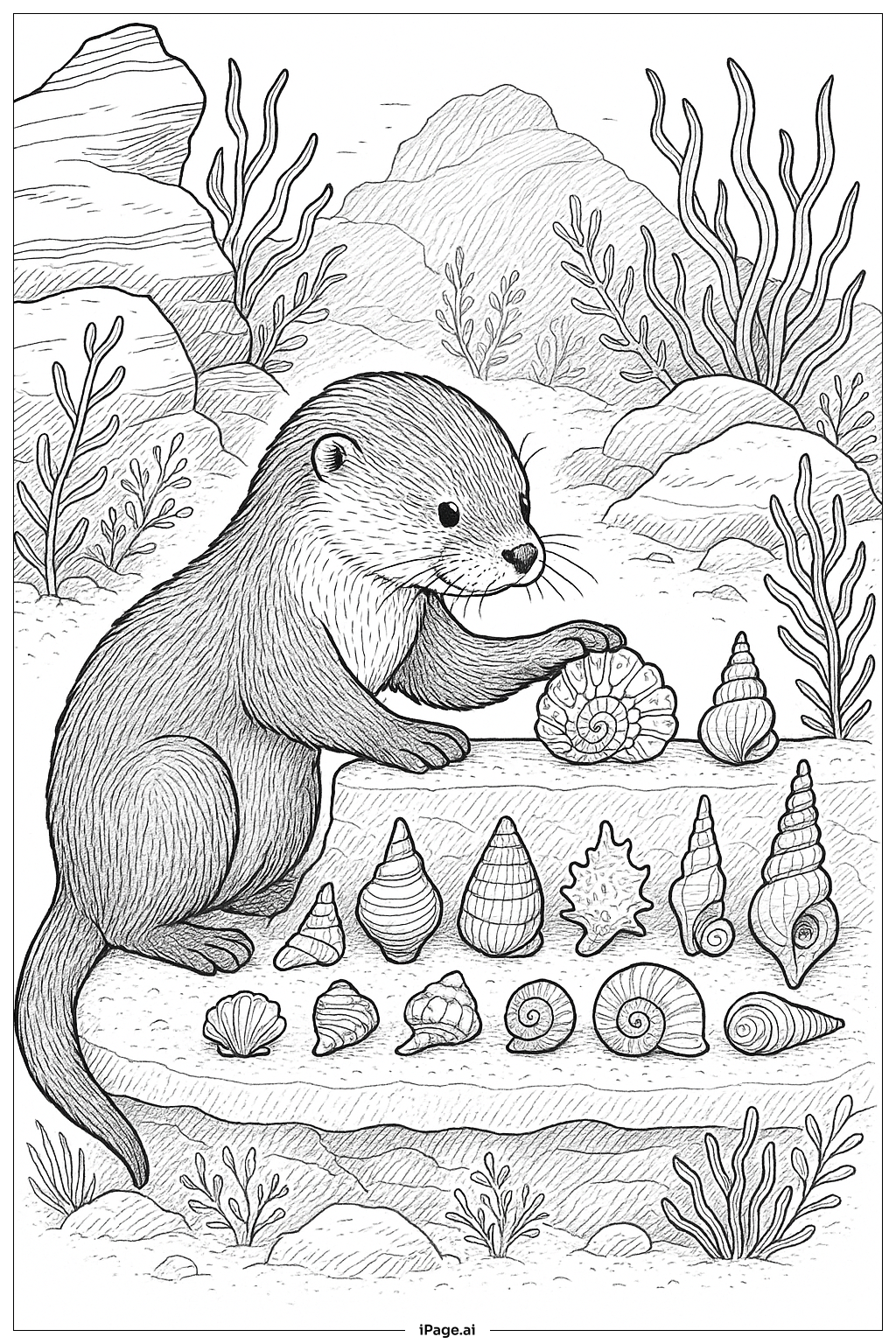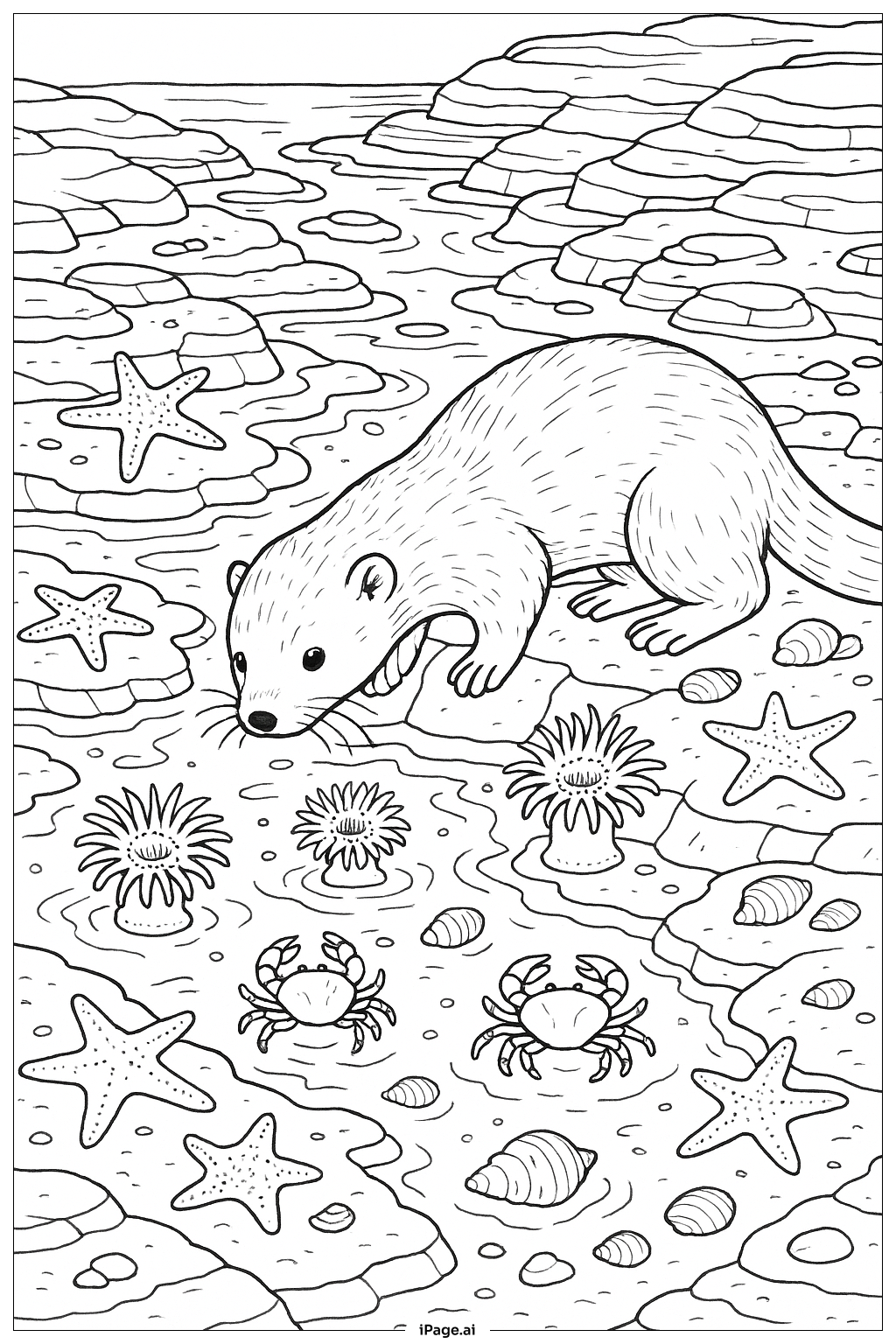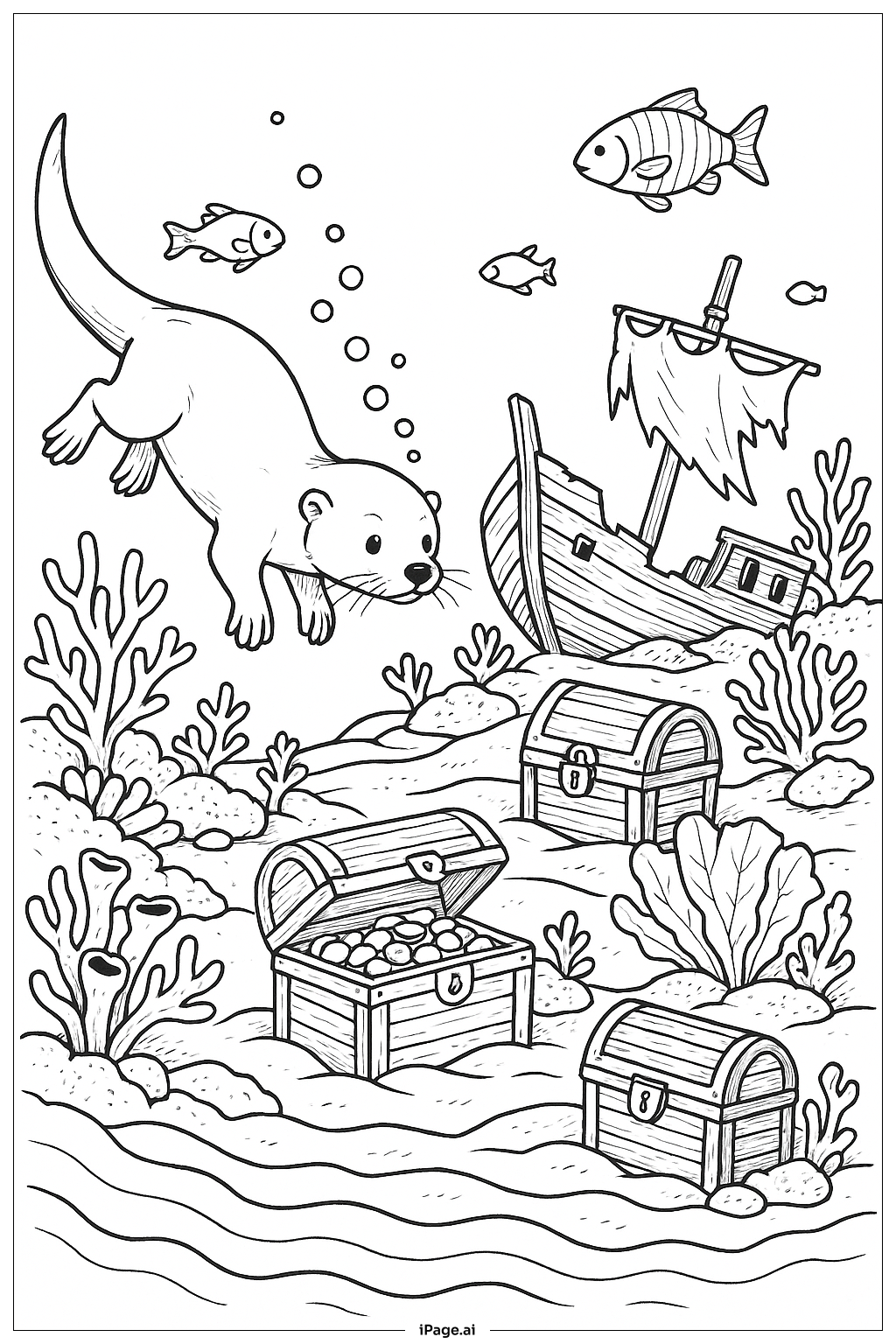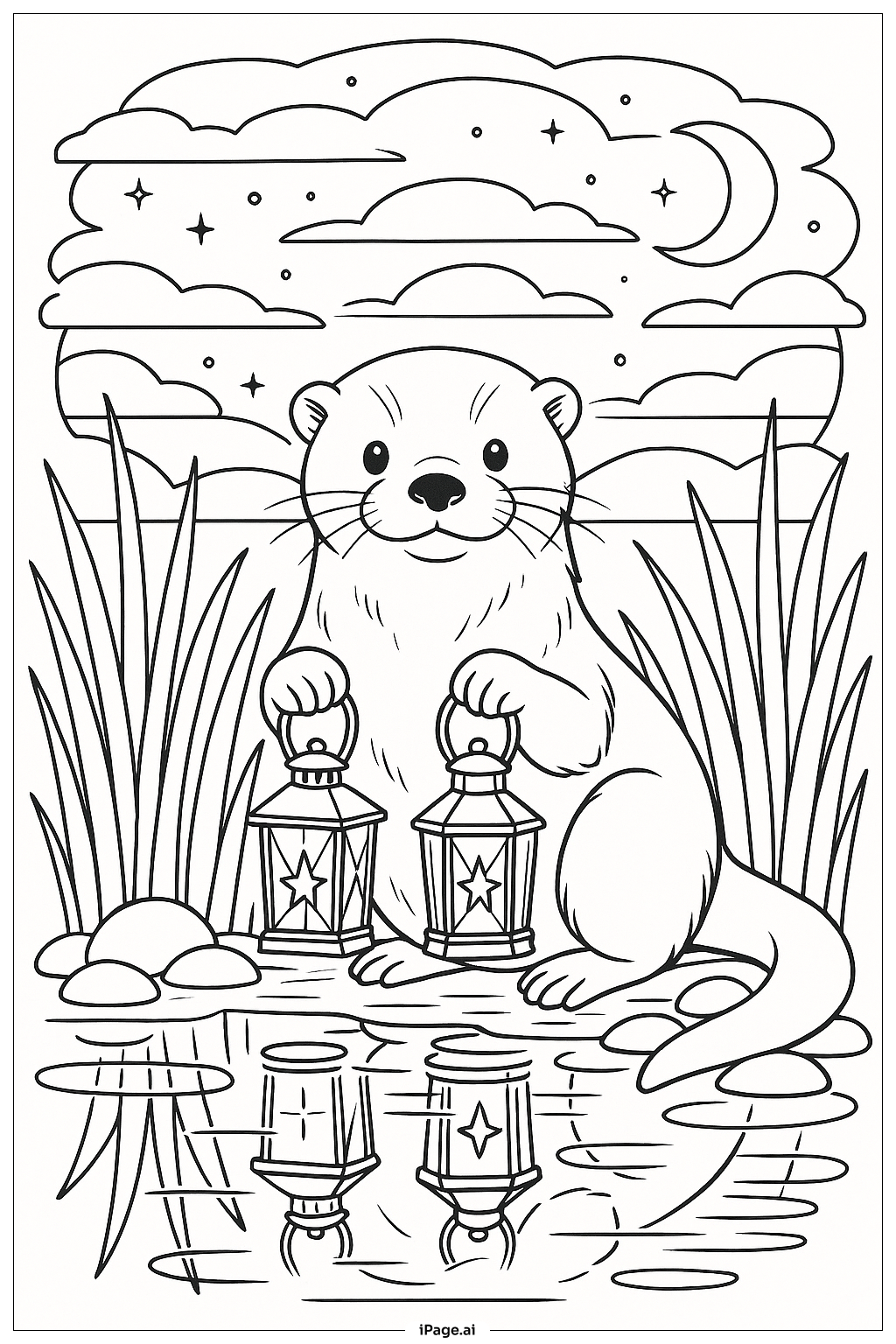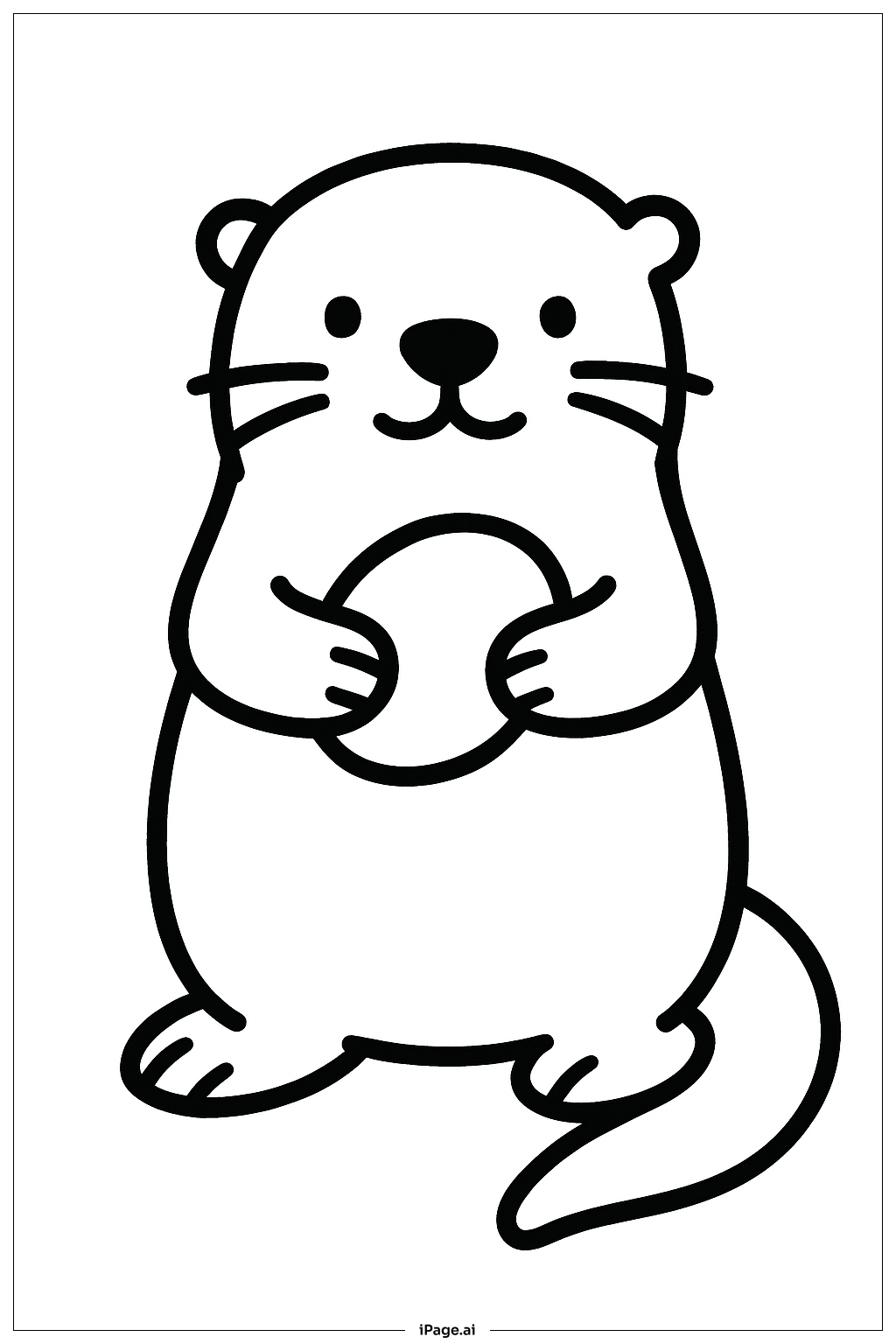
Coloring tips: How to color Otter Holding A Pebble coloring page well?
For this image, use soft browns or gray shades for the otter's fur. You can make the outer body a light brown and use a darker brown for the nose and paws. Try using pastel colors for the pebble like light blue, green, or soft gray to show its smoothness. The whiskers and eyes can be left black or dark gray. Use gentle strokes and maybe add a slightly darker shade around the edges of the otter to give a 3D effect. Background can be left white or filled with light blue to look like water or sky.
Coloring challenges: Which parts are difficult to color and need attention for Otter Holding A Pebble coloring page?
1. The otter's paws holding the pebble are small and close together, which can be tricky to color carefully without crossing lines.
2. The tail curves around the body, making it important to color inside the lines to keep the shape clear.
3. The whiskers are thin, needing steady hands to color or decorate without smudging.
4. The face has simple features but equal spacing, so coloring around the eyes and nose requires precision.
5. Adding shading or texture to make the otter look soft and fluffy can be challenging for beginners because the lines are basic and require imagination.
Benefits of coloring books: Advantages of drawing Otter Holding A Pebble coloring page
Coloring this picture helps kids improve hand-eye coordination by filling in small spaces like the pebble and paws. It encourages creativity in choosing colors for the otter and pebble. The simple shapes make it great for younger children to practice staying inside the lines, while older kids can try shading. It’s a relaxing activity that boosts focus and patience. Plus, it teaches about otters and nature in a fun way through art.