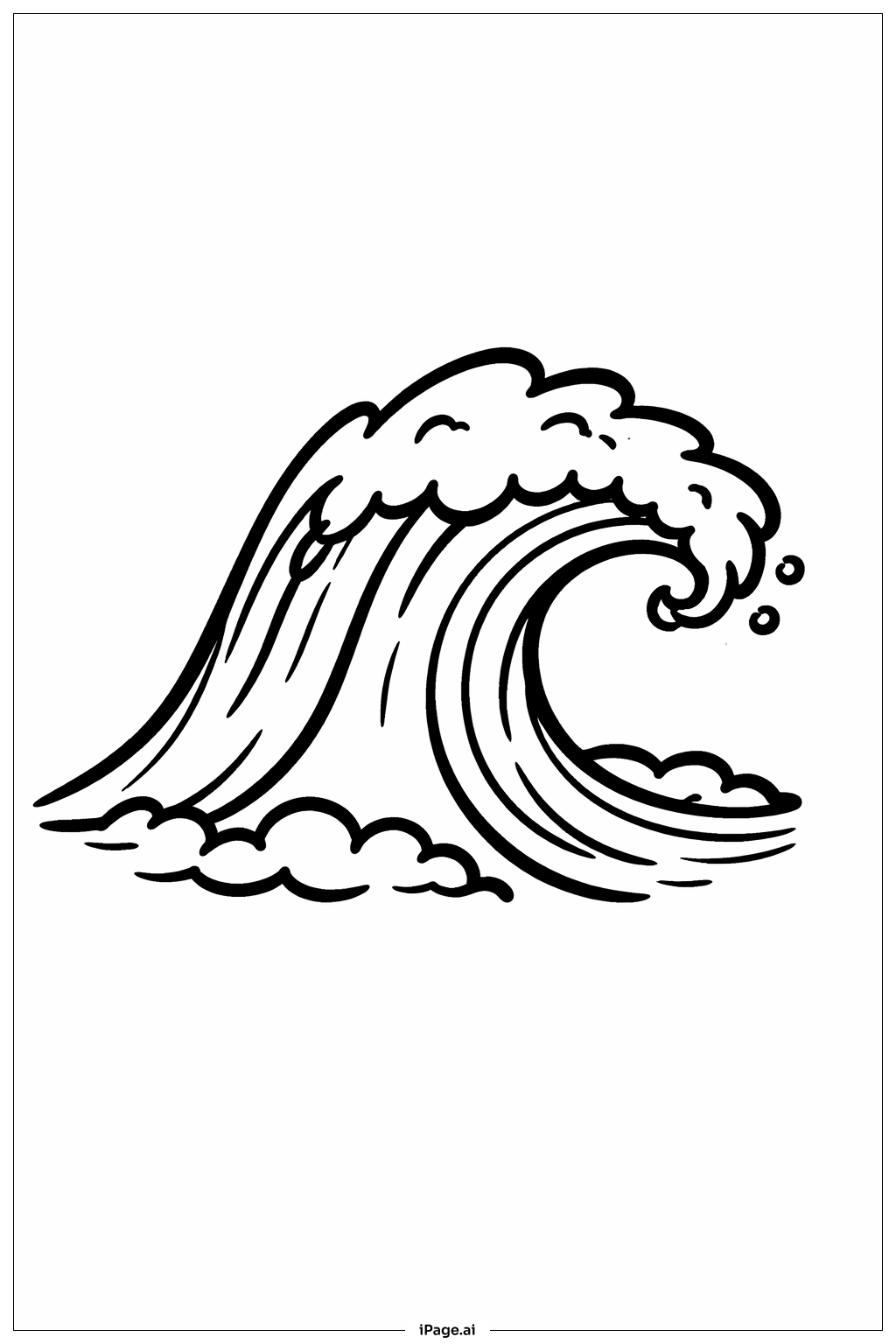
Coloring tips: How to color Ocean Simple Wave coloring page well?
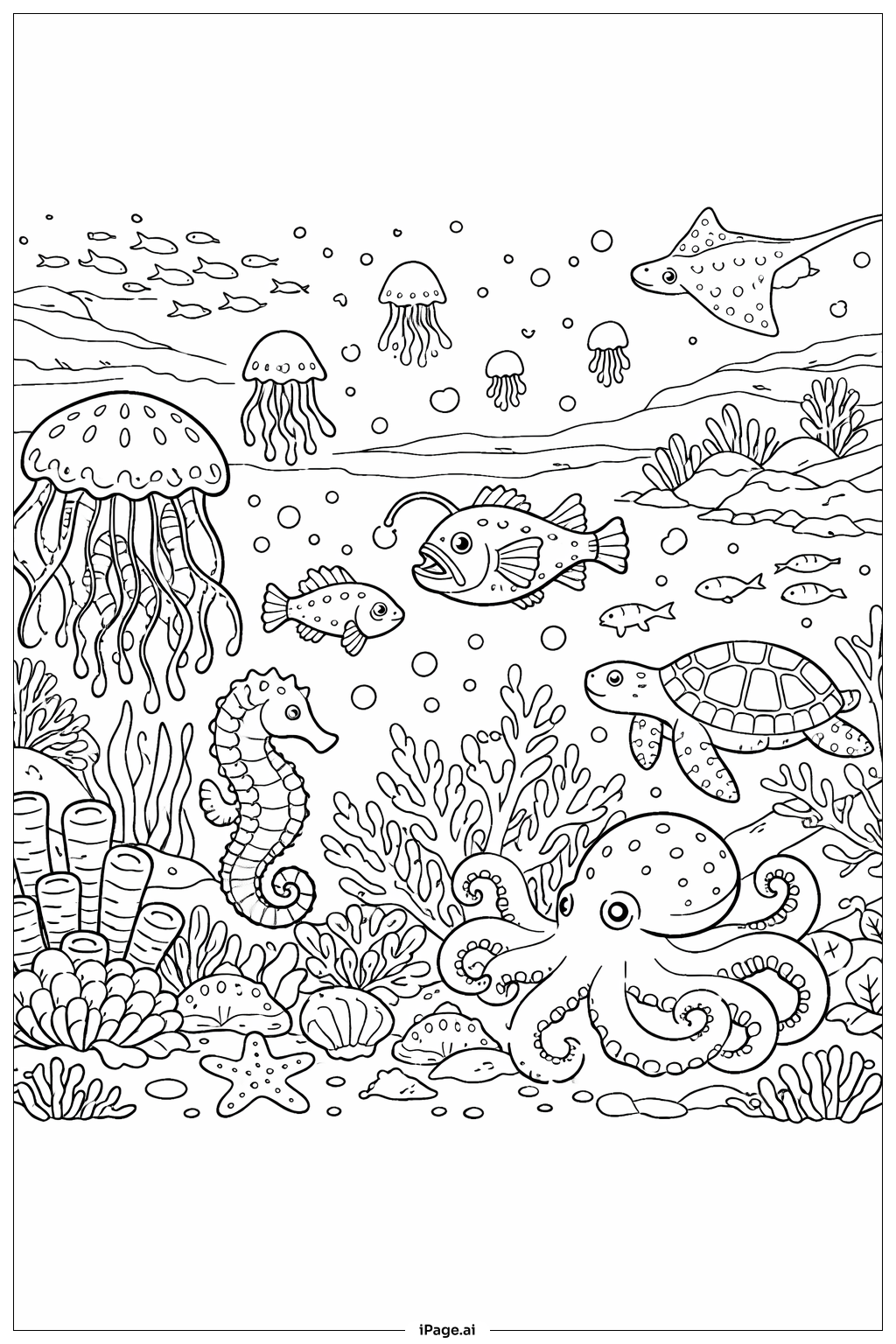
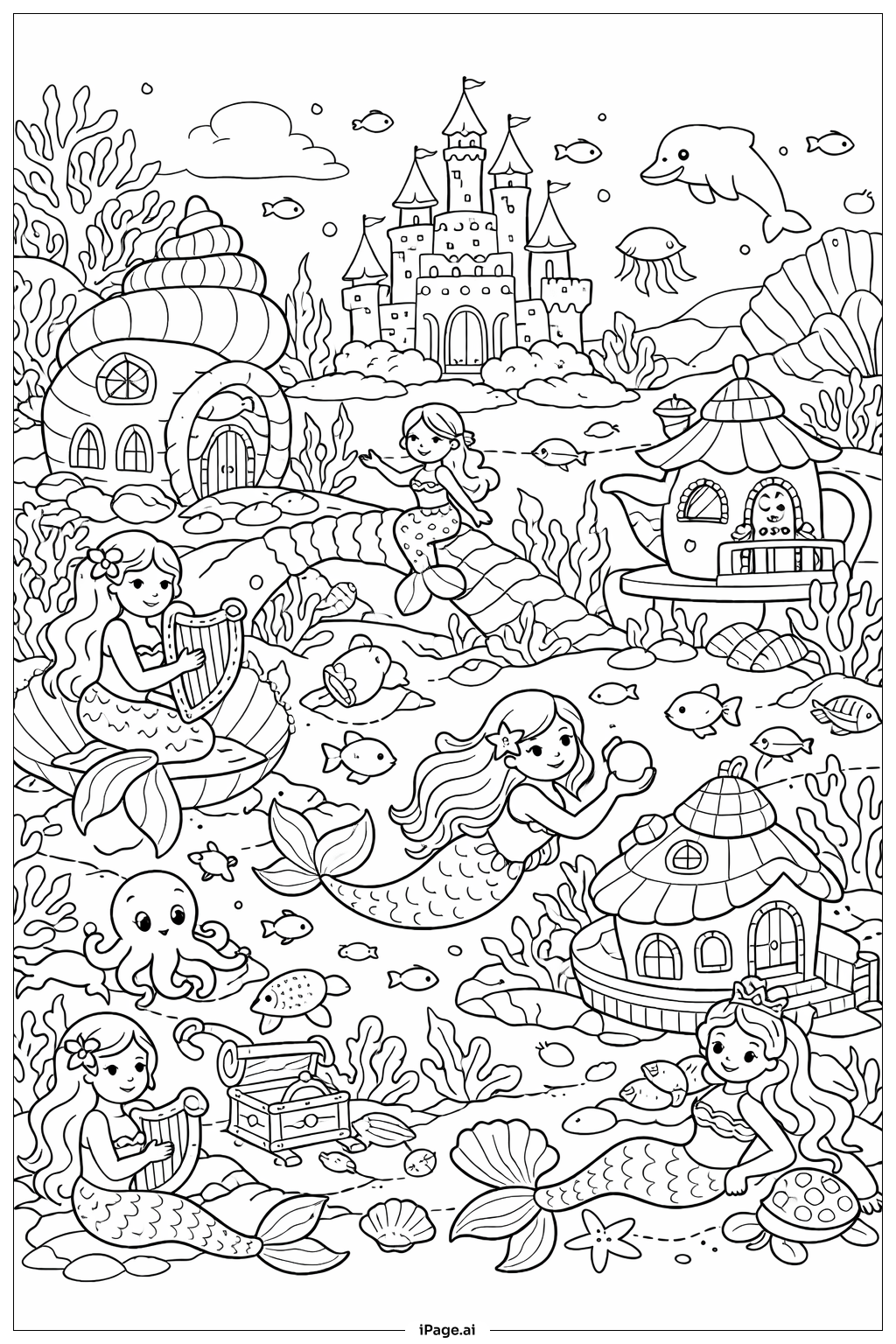
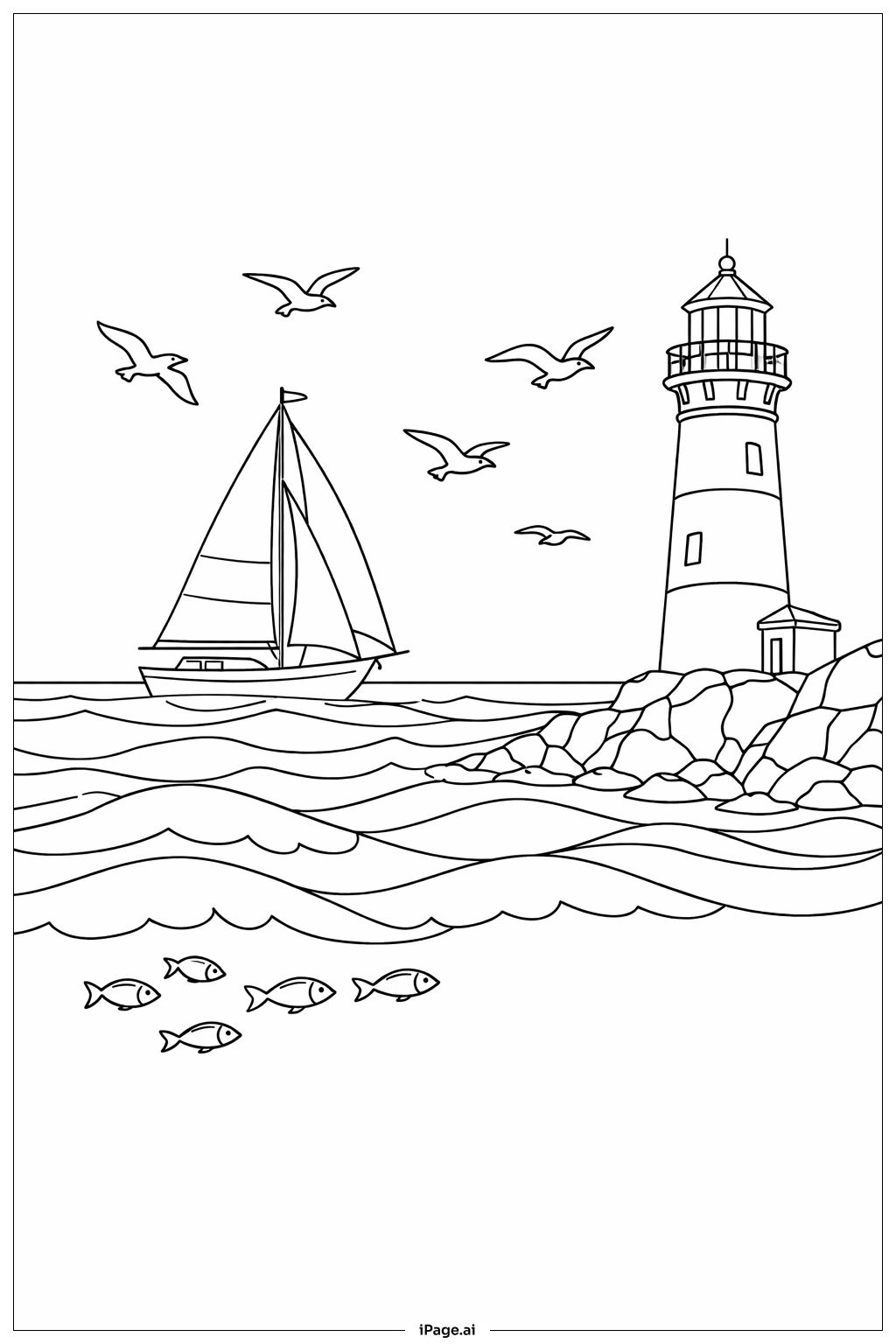
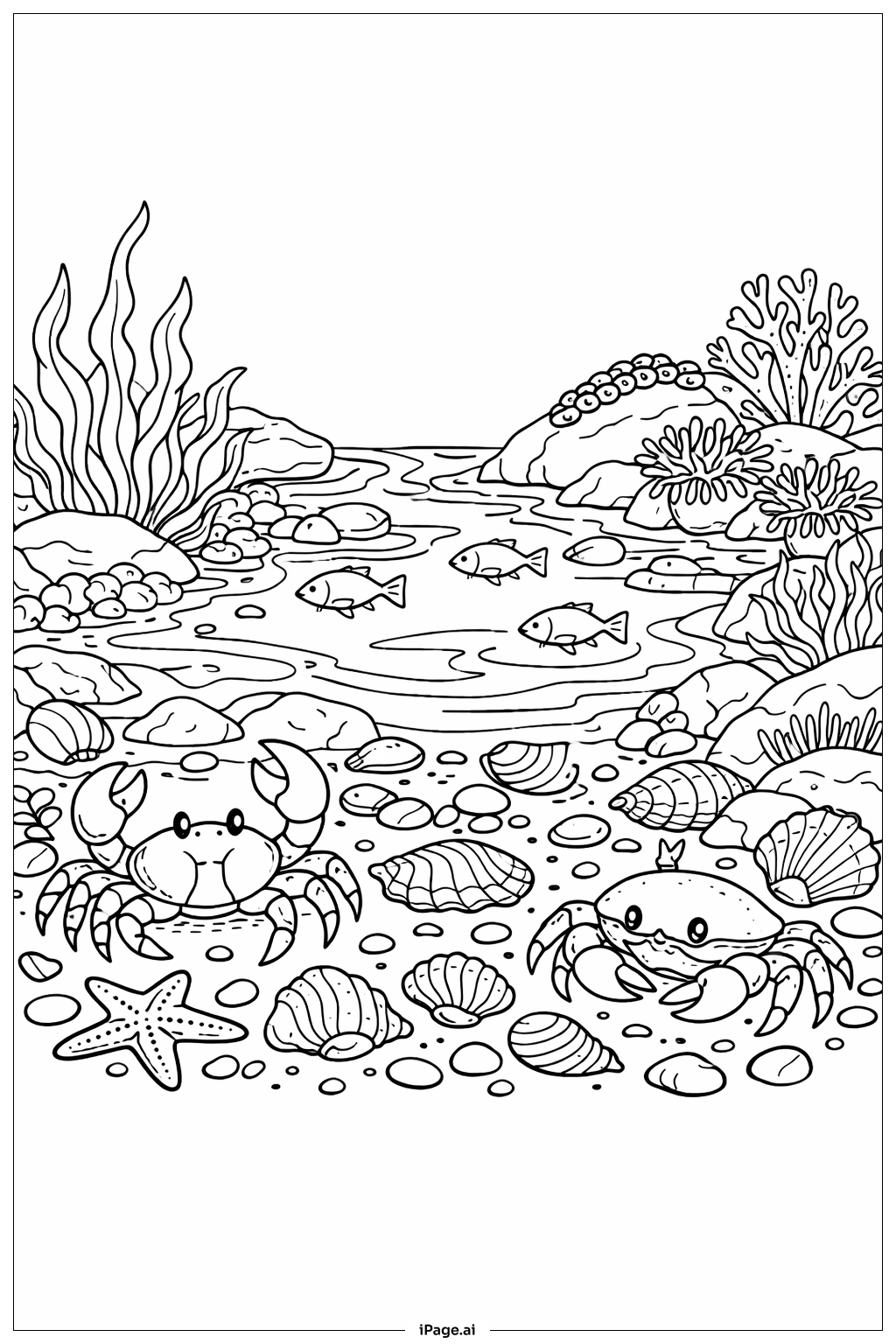
Use different shades of blue to color the wave body, such as light blue for smooth water and darker blue for the wave curves to show depth. Add some white or very light gray for the foamy parts to make them stand out. You can also use a little green to hint at sea water color. For the bubbles around the wave, use soft white or pale blue to highlight them. Feel free to create a gradient effect by blending colors gently from the base to the top of the wave. This will make the wave look more natural and dynamic.
Coloring challenges: Which parts are difficult to color and need attention for Ocean Simple Wave coloring page?
1. Creating a smooth color transition from light to dark blue can be challenging for young artists. 2. Coloring the foamy parts neatly without blending them too much into the wave requires patience. 3. The curved lines need careful coloring to stay inside the lines and keep the wave shape clear. 4. Adding highlights to bubbles while keeping them light and distinct might be tricky. 5. Understanding how to use multiple shades to show movement and depth can be complex for beginners.
Benefits of coloring books: Advantages of drawing Ocean Simple Wave coloring page
Coloring this ocean wave helps improve kids’ fine motor skills as they color inside curves and small bubbles. It teaches them about nature, especially the ocean and how waves move. The activity encourages creativity, allowing children to choose shades of blue and green and play with light and shadow. Coloring waves also develops focus and patience since the wave has detailed curves and foamy areas. Overall, it’s a fun and educational way for children to connect with nature and improve their art skills.