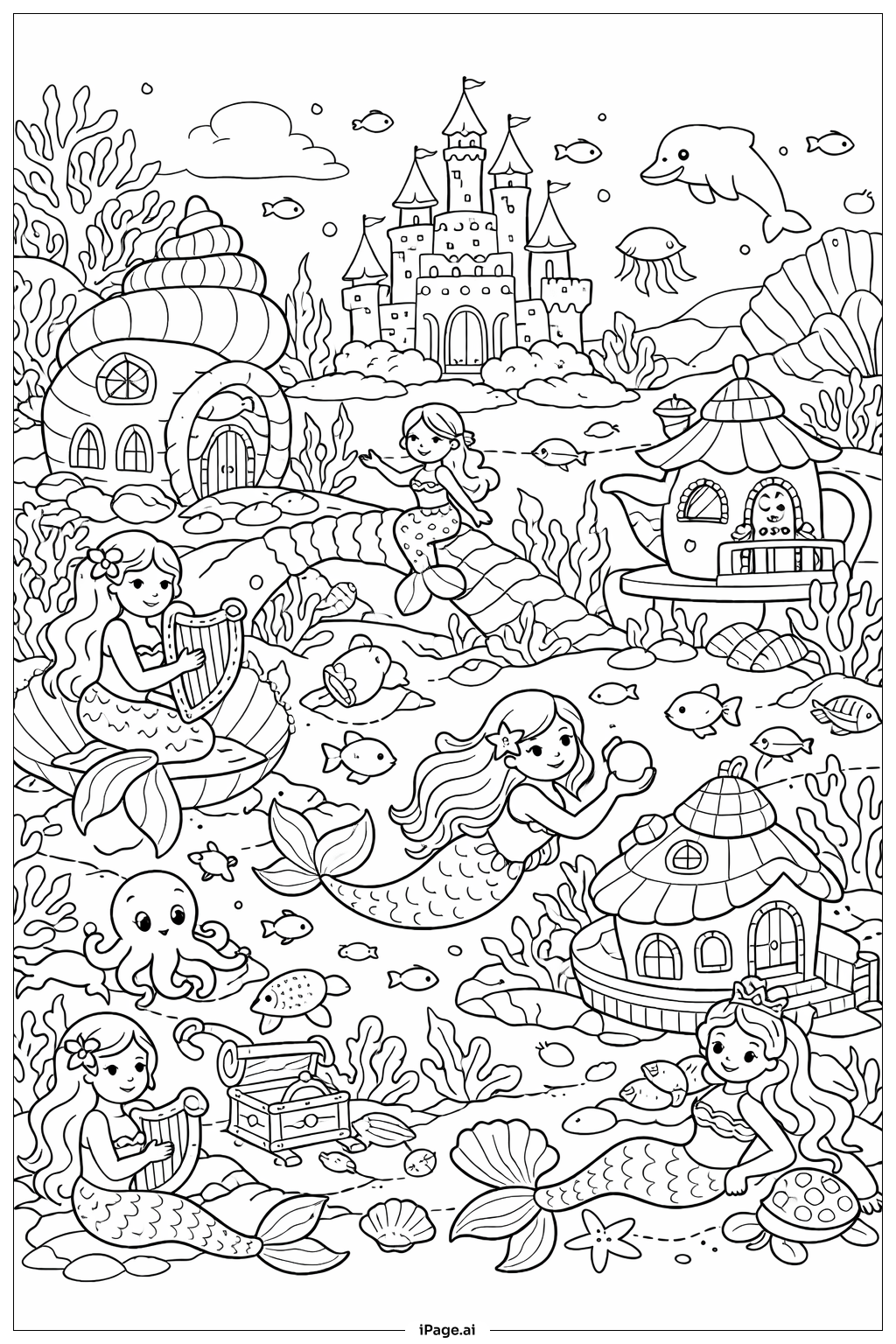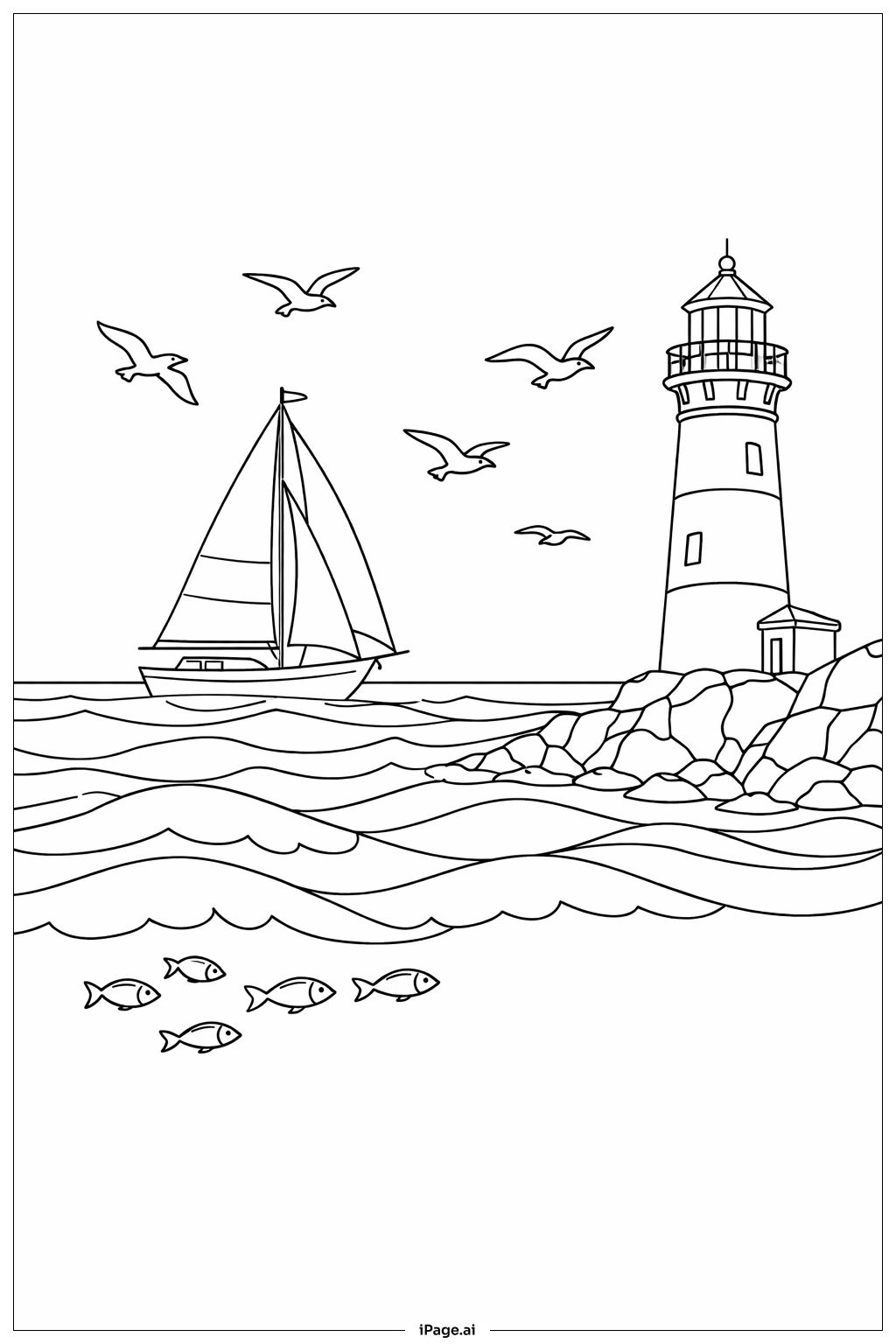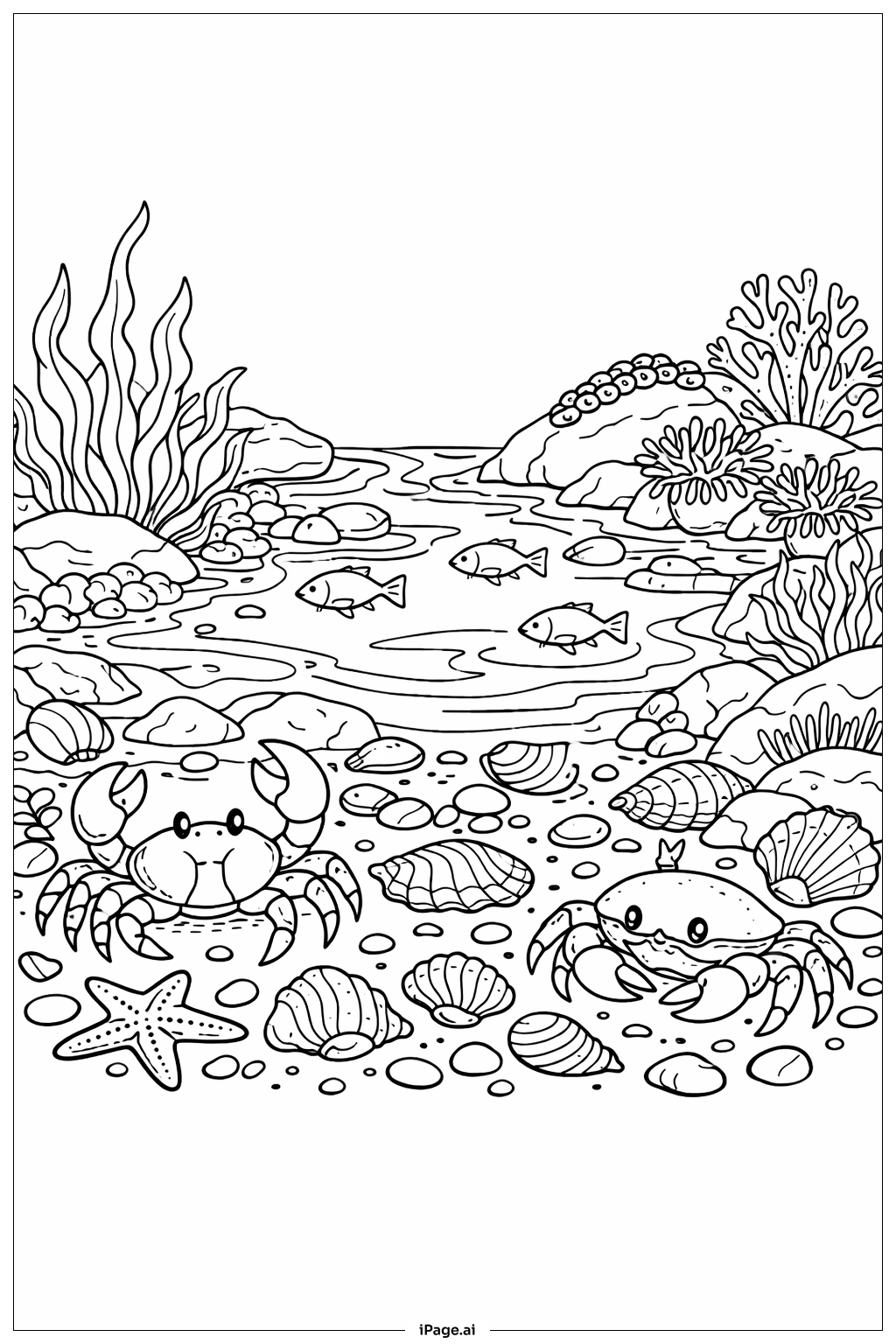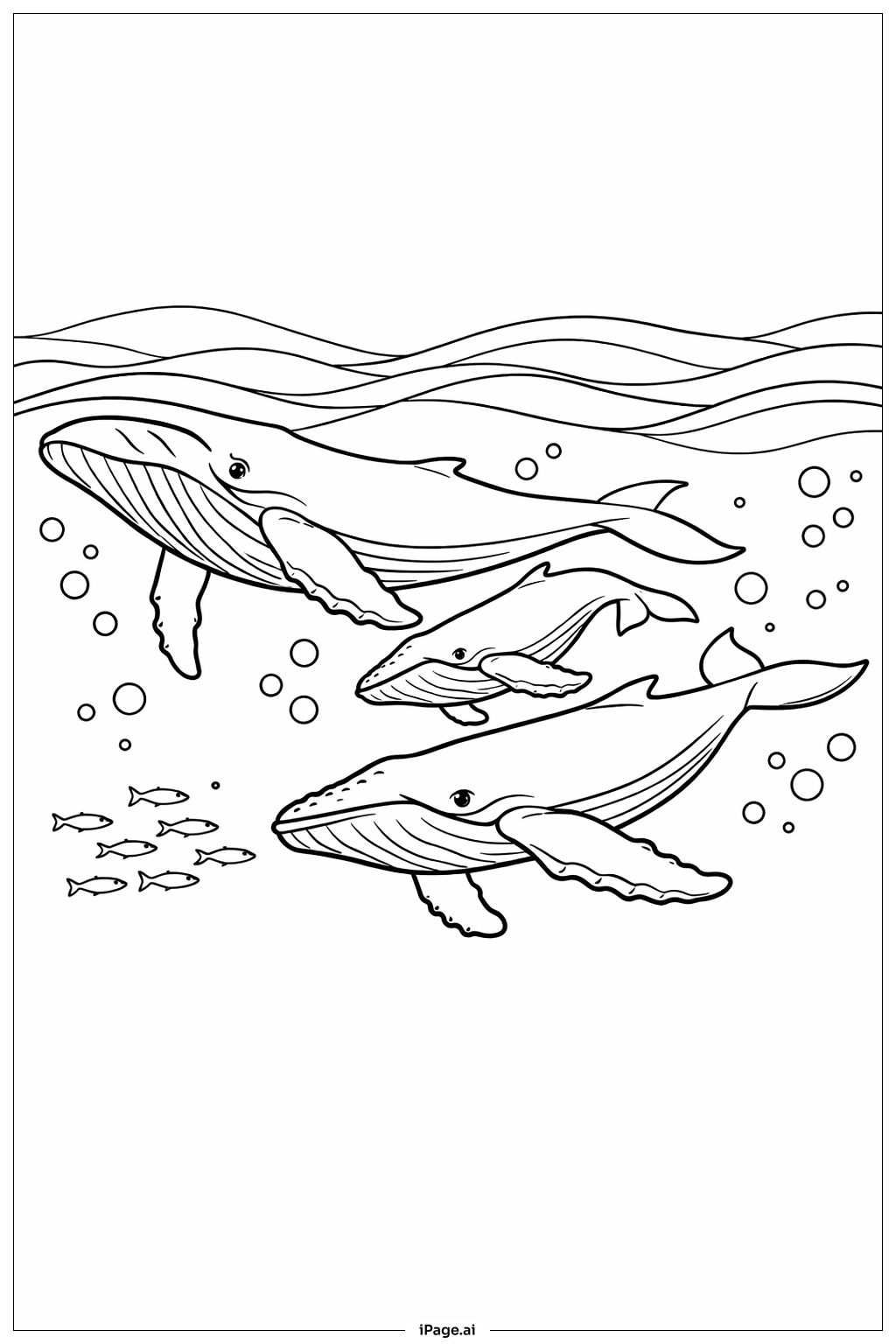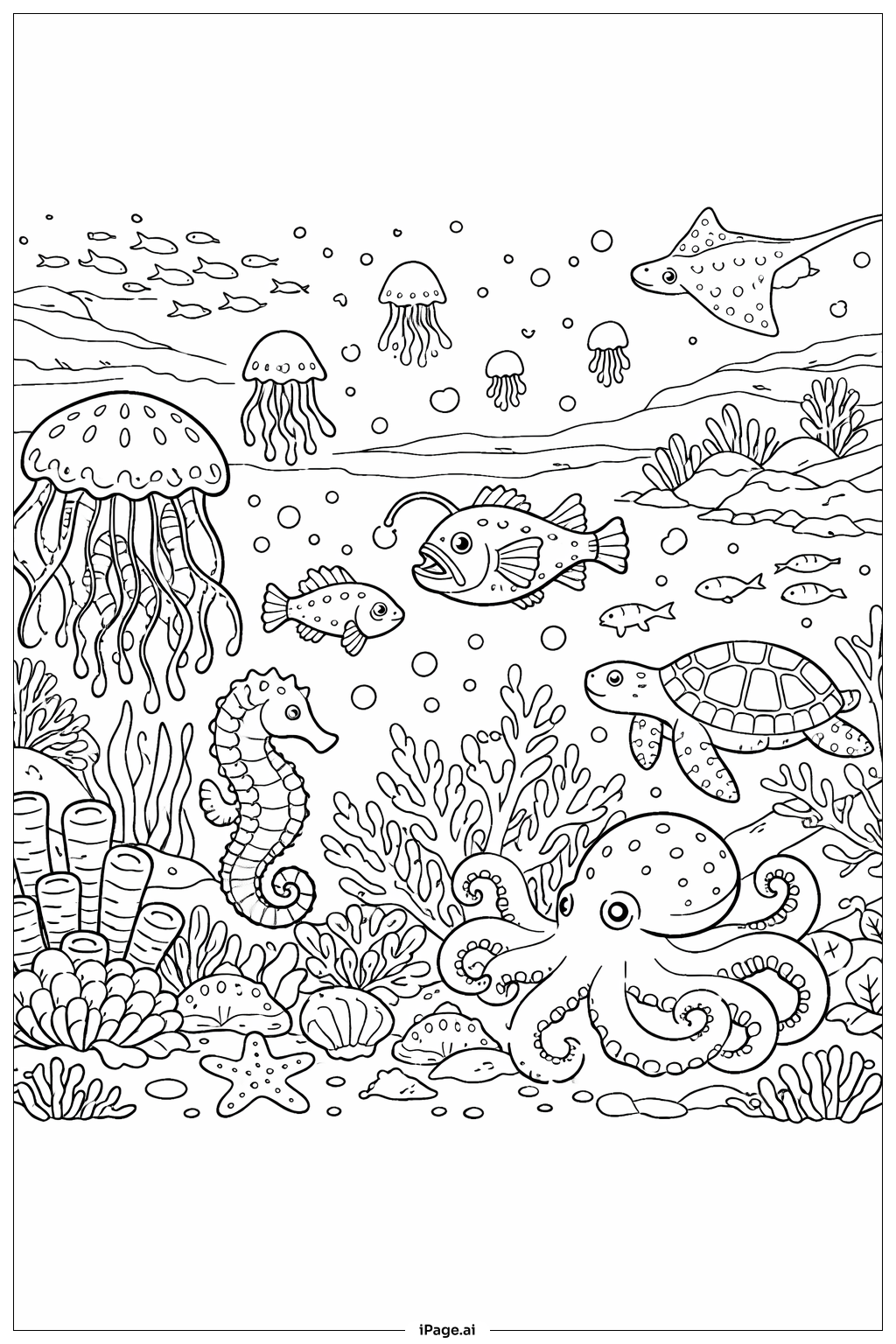
Coloring tips: How to color Ocean Night Bioluminescent Scene coloring page well?
Use bright and glowing colors to show the bioluminescence of the sea creatures. For the jellyfish and octopus, use soft blues, purples, and greens with light accents to make them appear shining. Color the seahorse and turtle with warm yellows and oranges to make them stand out. The background coral and seaweed can be colored in various greens, reds, and pinks to add variety. For small fishes, use bright shades like red, yellow, or blue to make them pop. Try to blend colors smoothly to give a glowing effect, especially around the animals and bubbles. Using a darker color for the water will help the glowing parts shine more.
Coloring challenges: Which parts are difficult to color and need attention for Ocean Night Bioluminescent Scene coloring page?
1. Small Details: Many small animals and plants need careful coloring, which may be hard for younger kids to stay inside the lines. 2. Blending Glow: Showing the glowing light softly around creatures requires blending colors gently, which needs practice. 3. Different Textures: Each sea creature and plant has a unique texture, and coloring them correctly can be challenging. 4. Dark Background: Coloring a dark ocean while keeping the bright animals glowing may be tricky for beginners. 5. Repeated Patterns: The bubbles and some plants repeat many times, so it might get boring or hard to keep consistency in coloring them.
Benefits of coloring books: Advantages of drawing Ocean Night Bioluminescent Scene coloring page
Coloring this ocean scene helps kids learn about different sea animals and their habitats. It encourages creativity by letting children choose colorful glowing effects. It also improves focus and fine motor skills because of the detailed patterns in animals and plants. This activity can calm and relax kids while making them curious about ocean life. Finally, it helps children understand light and color blending in a fun and artistic way.