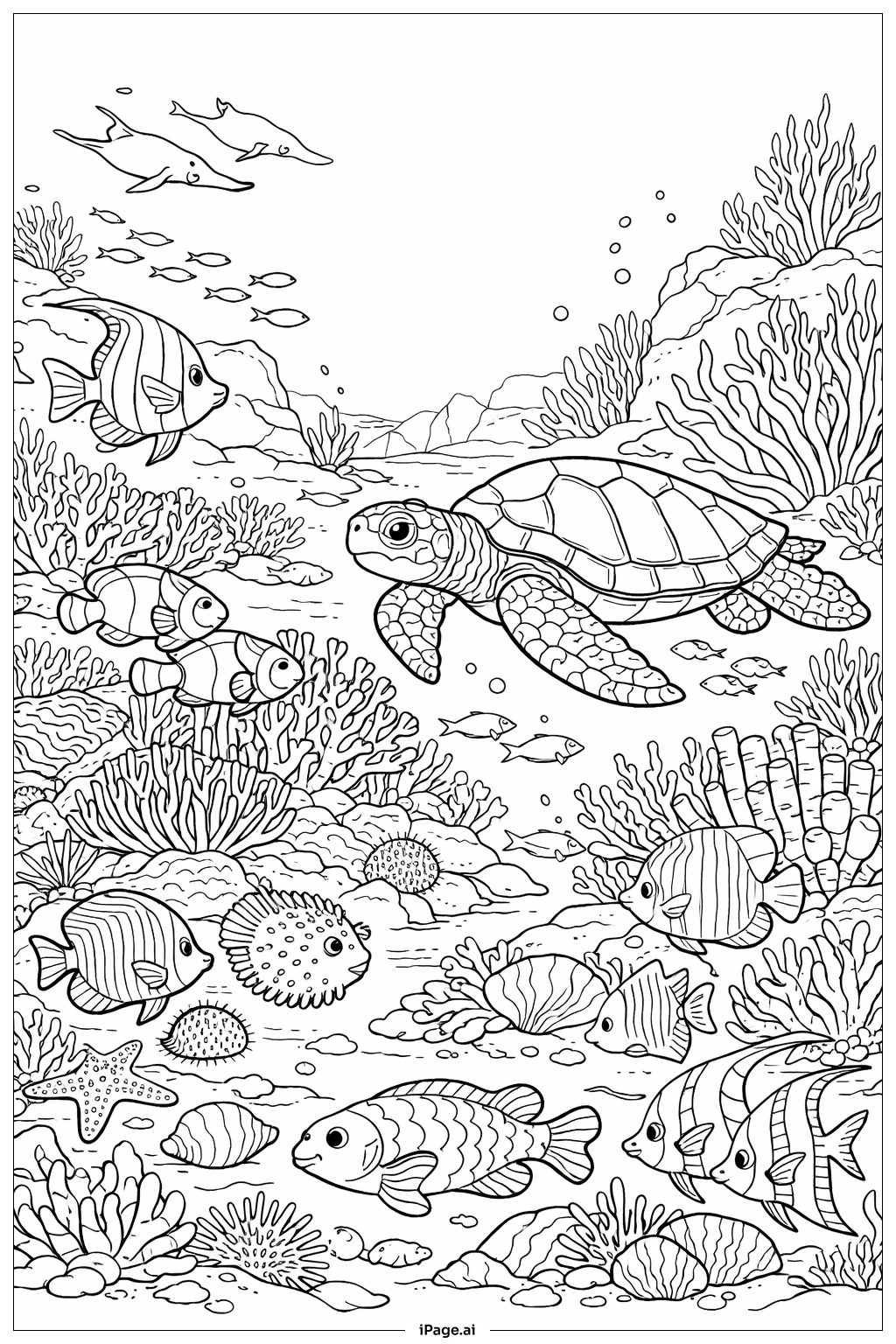
Coloring tips: How to color Ocean Coral Reef Scene coloring page well?
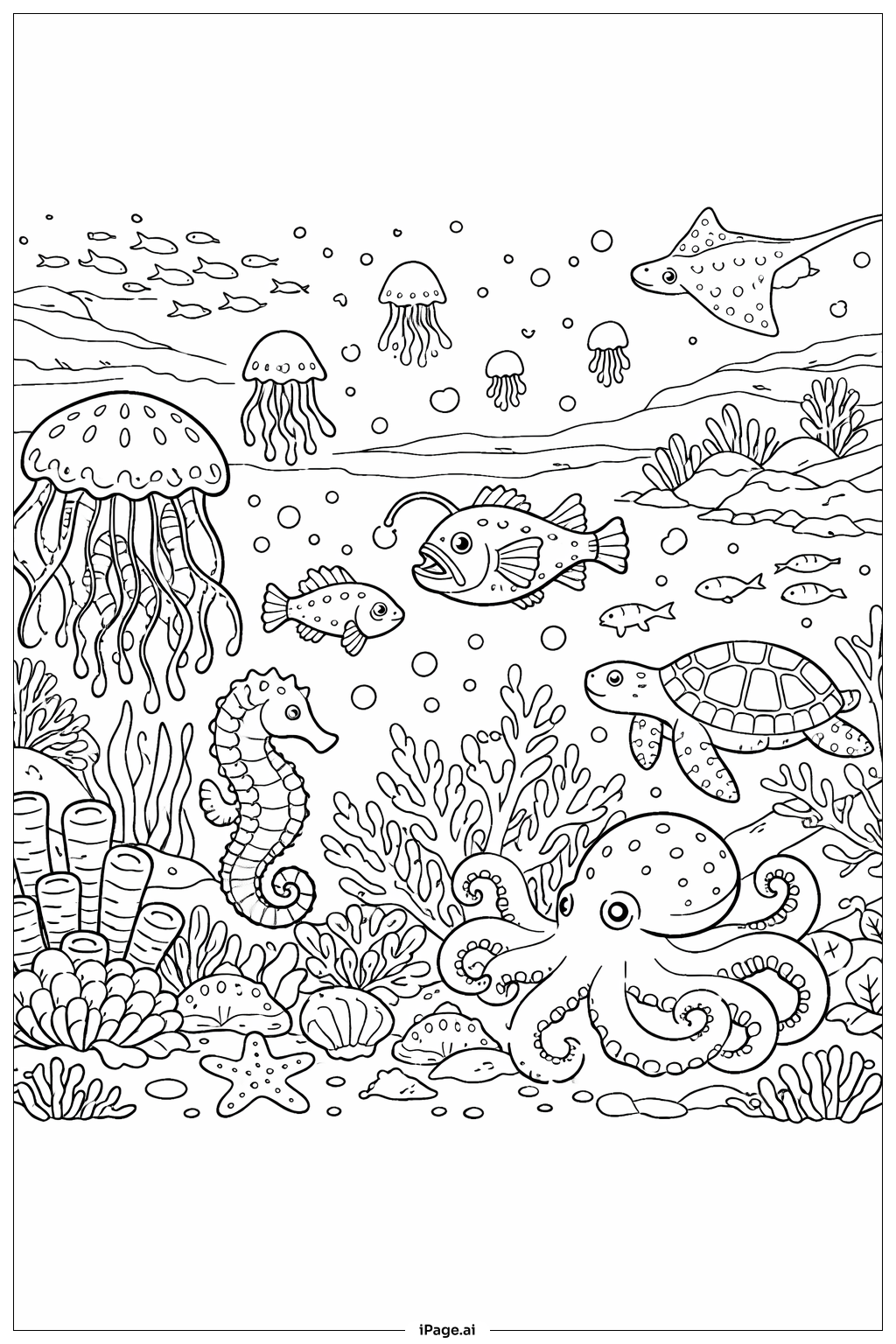
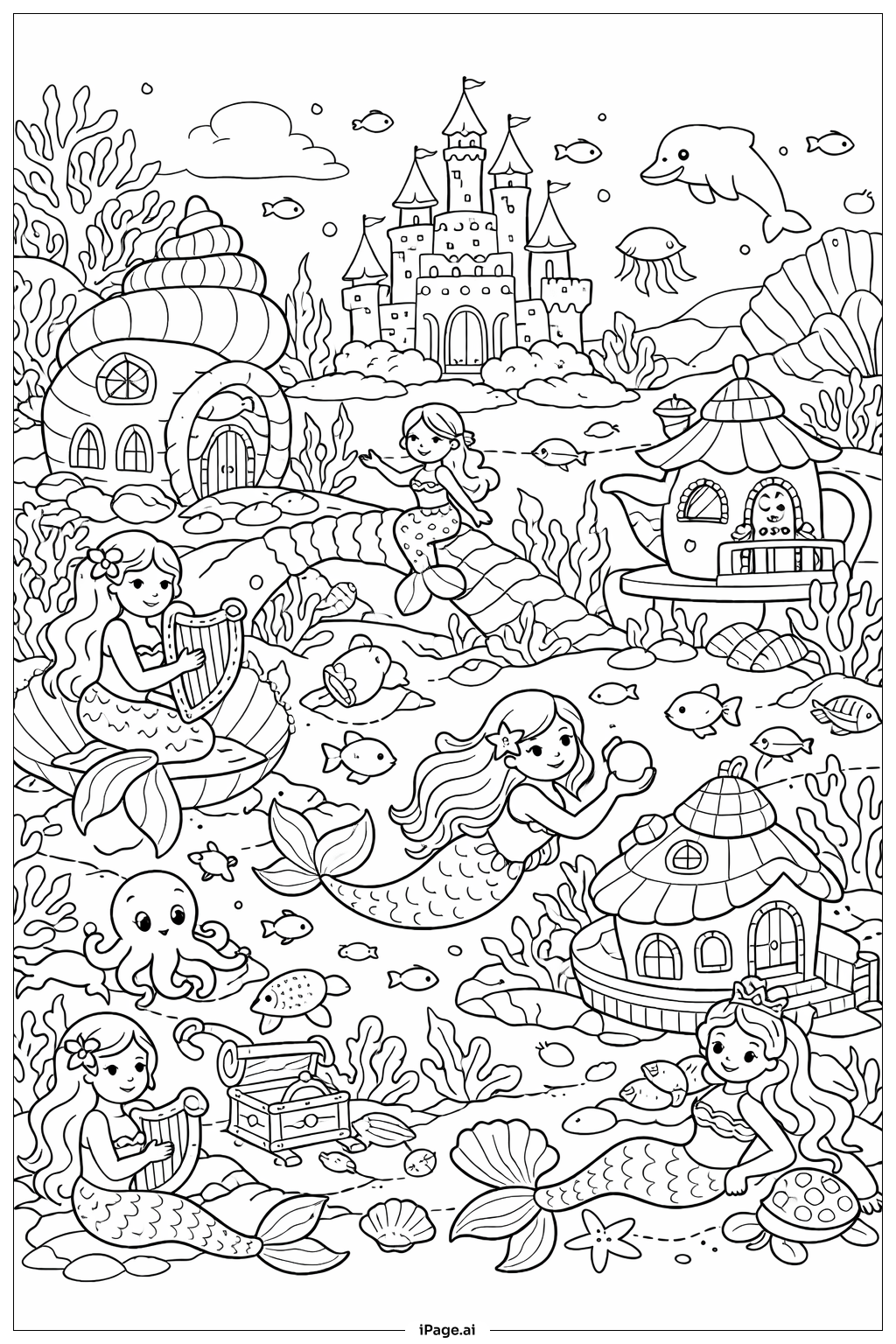
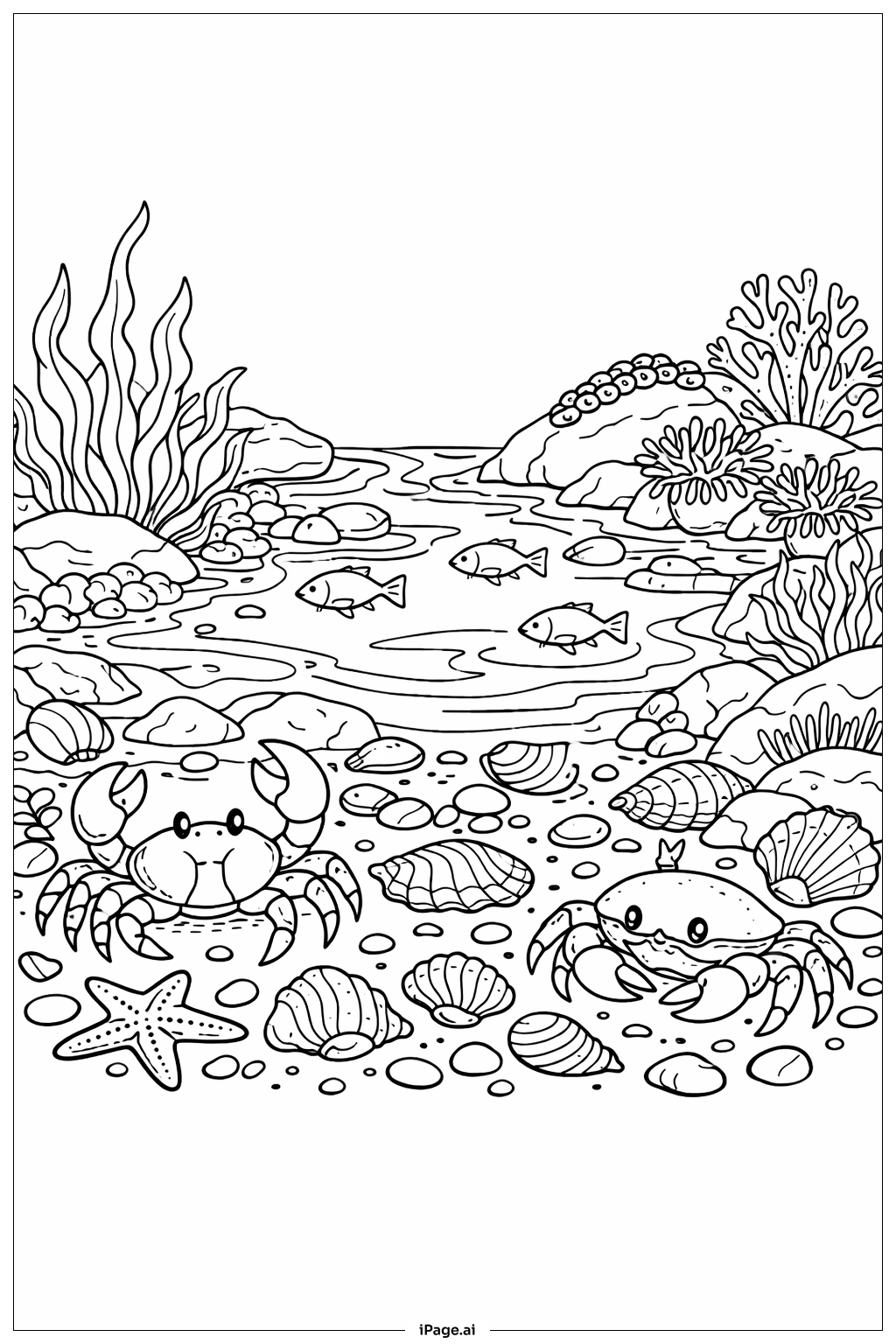
Start with the water background using light blues and teals, gradually darkening toward the bottom to create depth. Color the coral formations in a variety of warm tones like oranges, pinks, purples, and yellows to make them stand out. Each coral type can have its own color family for visual interest. For the tropical fish, use bright, bold colors like yellow, orange, blue, and striped patterns to make them pop against the background. Add touches of red or pink to the sea anemones, and use greens and browns for the seaweed and aquatic plants. The ocean floor can be sandy tan or light brown with gray pebbles. Consider using colored pencils or markers to layer colors, creating shadows in the coral crevices with darker shades and highlights on the fish with lighter tones for a three-dimensional effect.
Coloring challenges: Which parts are difficult to color and need attention for Ocean Coral Reef Scene coloring page?
• Intricate Coral Textures: The coral formations feature complex branching patterns and bumpy surfaces with many small details that require careful coloring. Young artists may find it challenging to stay within the lines of the tiny coral polyps and branches, and deciding how to shade these three-dimensional structures to show depth can be tricky. Using fine-tipped coloring tools and patience will help achieve the best results.
• Multiple Overlapping Elements: This scene contains many layers with fish swimming in front of corals, seaweed behind rocks, and various elements overlapping each other. Keeping track of which object is in front and maintaining consistent coloring without accidentally crossing into adjacent shapes requires focus and planning. It helps to color from background to foreground or to complete one element entirely before moving to the next.
• Creating Water Depth and Atmosphere: Depicting the underwater environment convincingly means showing how light filters through water. The background should be lighter near the top and gradually darker toward the bottom, while also appearing slightly blurred compared to foreground elements. Achieving smooth color gradients and maintaining consistent water tones around all the objects without making the scene look flat takes skill and practice with blending techniques.
• Varied Marine Life Details: The different fish species each have unique patterns, scales, and fin structures that need attention. Sea anemones have numerous flowing tentacles, and small creatures have tiny features. These details require precision and a steady hand, especially for younger children who are still developing fine motor control.
Benefits of coloring books: Advantages of drawing Ocean Coral Reef Scene coloring page
Coloring this Ocean Coral Reef Scene offers wonderful developmental benefits for children. It enhances fine motor skills and hand-eye coordination as they carefully navigate the intricate coral patterns and detailed marine life. The complex composition with overlapping elements helps develop spatial awareness and planning skills as children decide which colors to use and in what order to apply them. This underwater theme sparks curiosity about marine biology and ocean ecosystems, providing an educational opportunity to learn about coral reefs, tropical fish, and ocean conservation. The variety of textures and shapes exercises creativity and color theory understanding as children experiment with color combinations to create a vibrant, harmonious underwater world. The calming ocean theme promotes relaxation and mindfulness, while the sense of accomplishment from completing such a detailed scene builds confidence and patience in young artists.