Coloring tips: How to color Sleeping Mouse coloring page well?
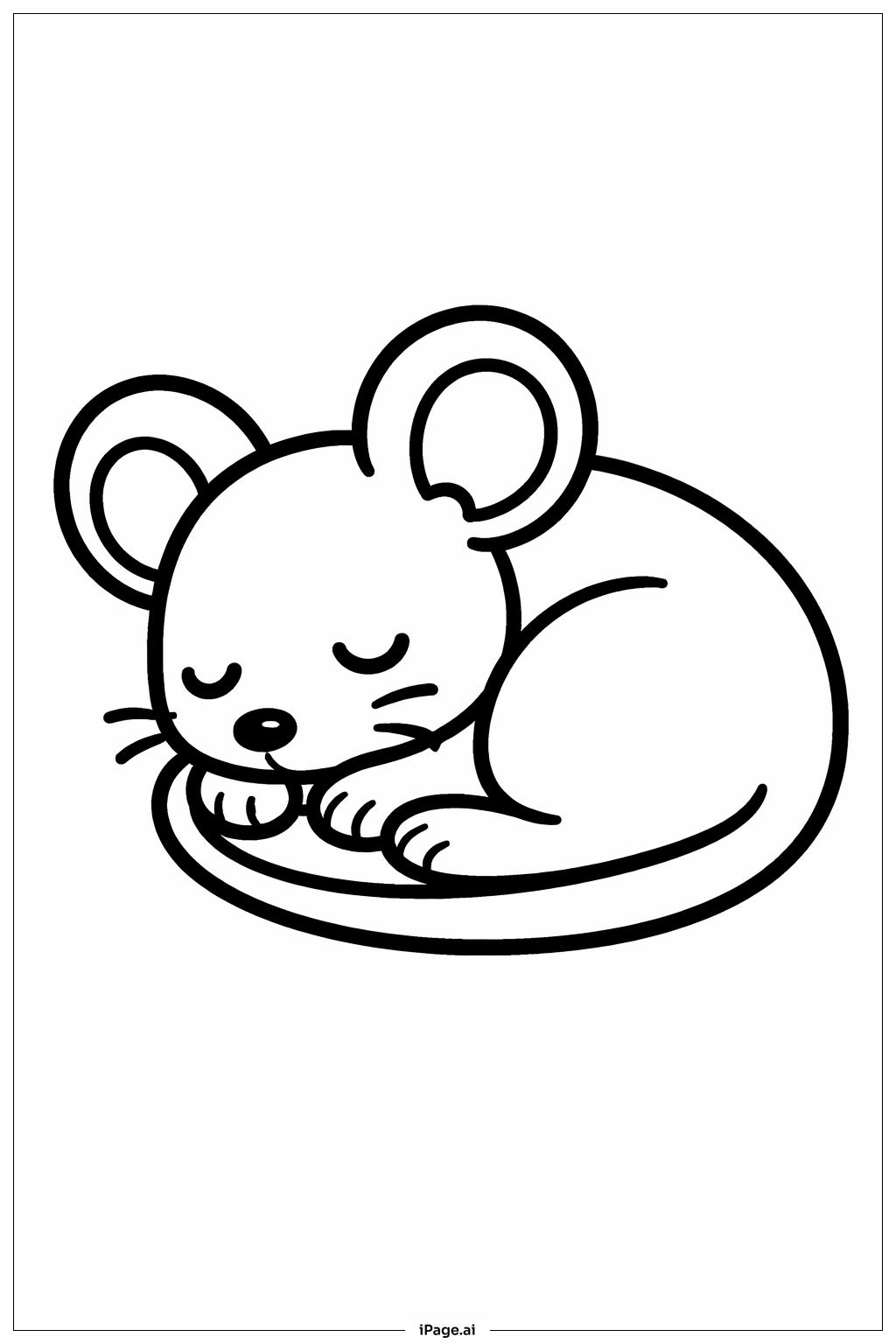
Use soft and light colors to bring out the gentle nature of the sleeping mouse. Try light grays or browns for the mouse's fur to keep it natural. Pink or light peach can be used for the inside of the ears, nose, and paws to add a cute touch. The cushion could be colored in warm tones like soft yellows, beige, or light blues to create a cozy atmosphere. Avoid very bright or dark colors to maintain the peaceful and calm mood of the picture.
Coloring challenges: Which parts are difficult to color and need attention for Sleeping Mouse coloring page?
1. Coloring the small details like the mouse's paws and ears may require careful control to stay inside the lines.
2. Choosing the right soft shades to keep the calm and peaceful feeling can be challenging.
3. The round cushion might be tricky to color evenly because it has a large empty space.
4. Adding subtle shading to show the mouse's soft fur texture without making it too dark could be difficult.
5. Keeping the mouse's face simple yet expressive while coloring requires attention to detail.
Benefits of coloring books: Advantages of drawing Sleeping Mouse coloring page
Coloring this sleeping mouse picture helps children learn to use soft and calm colors. It encourages focus and patience when coloring small parts like paws and ears. This activity promotes creativity by letting kids choose colors that show a peaceful mood. It also helps develop fine motor skills through careful coloring within the lines. Overall, it is a soothing picture that can make coloring time relaxing and enjoyable.