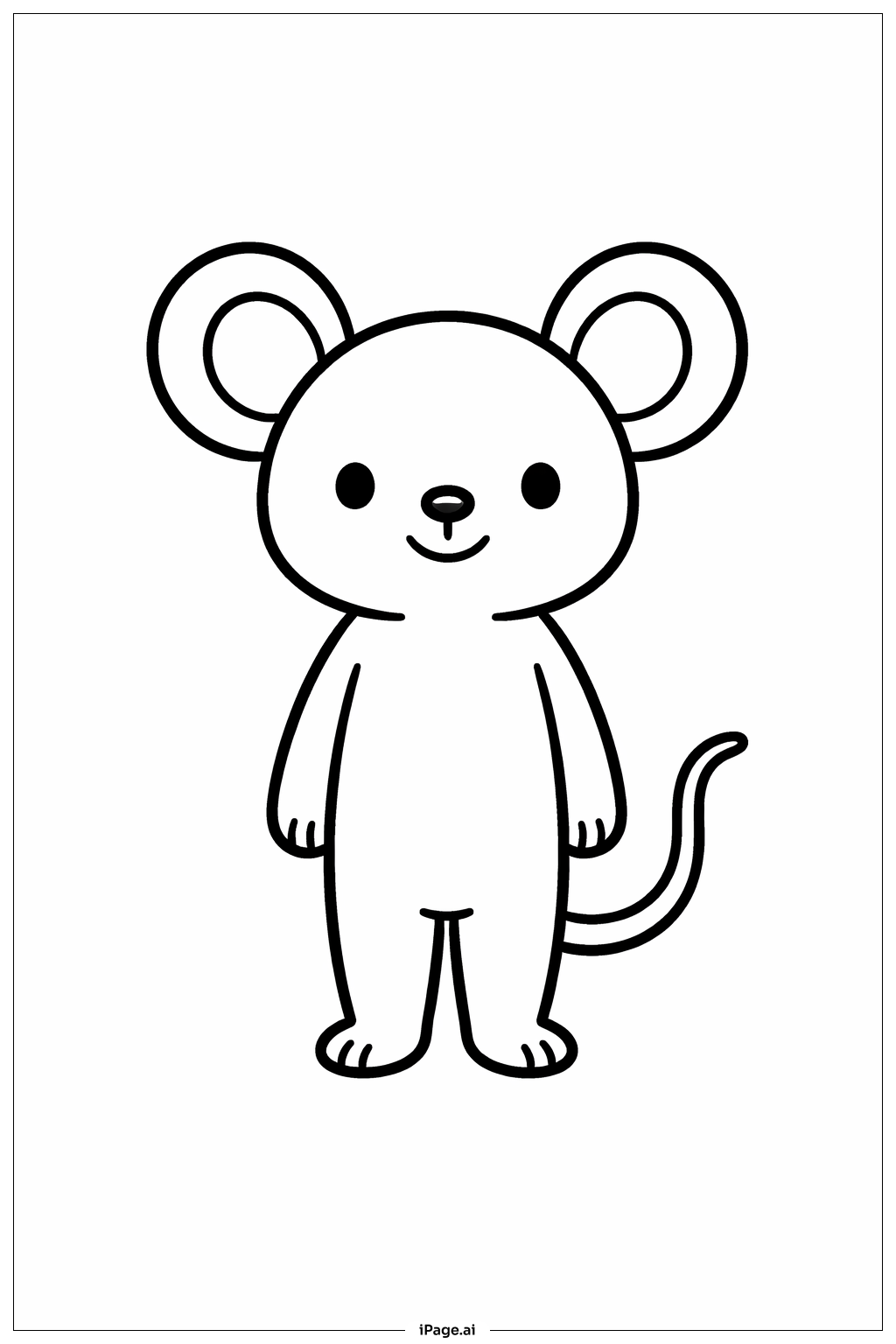
Coloring tips: How to color Mouse Standing coloring page well?
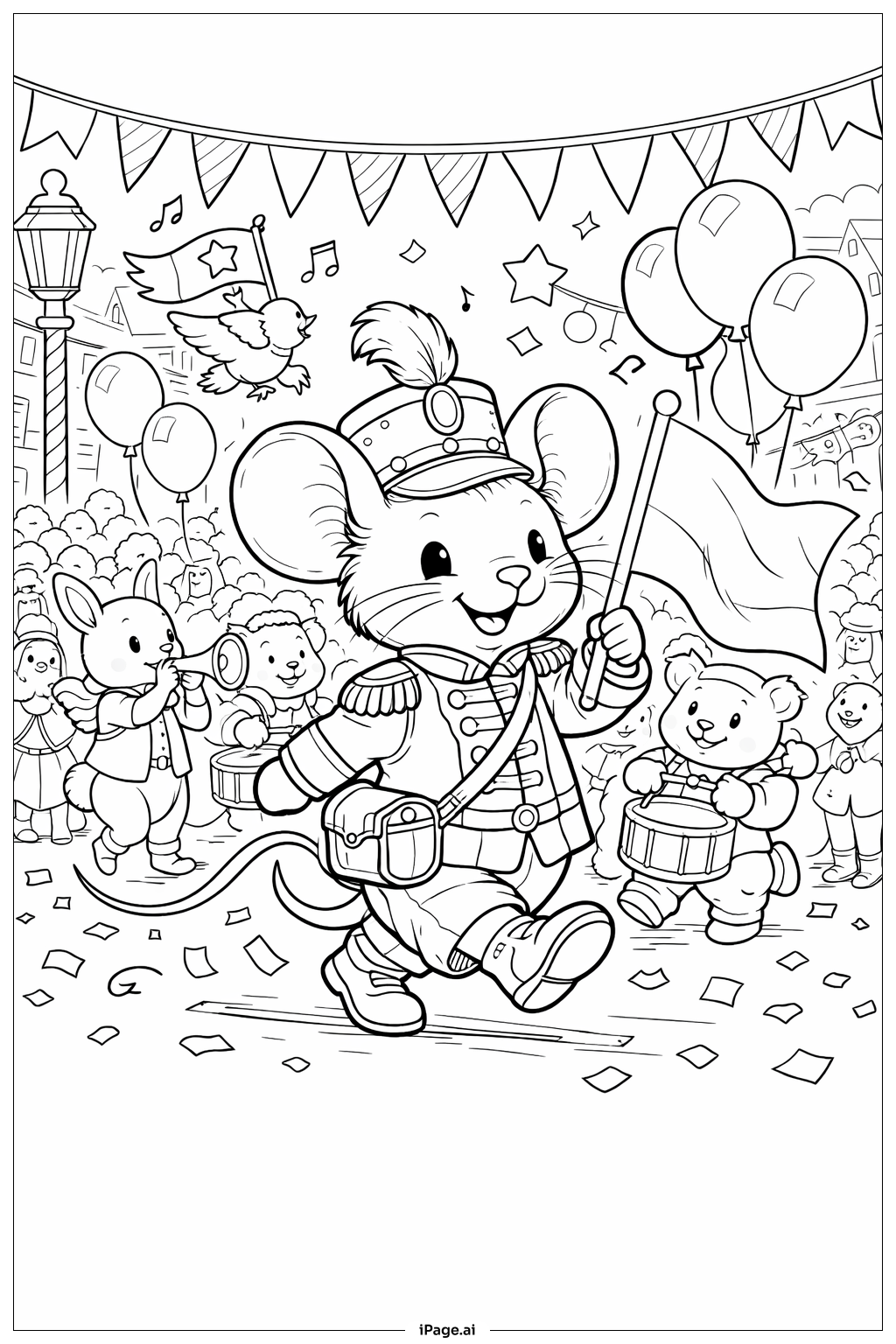
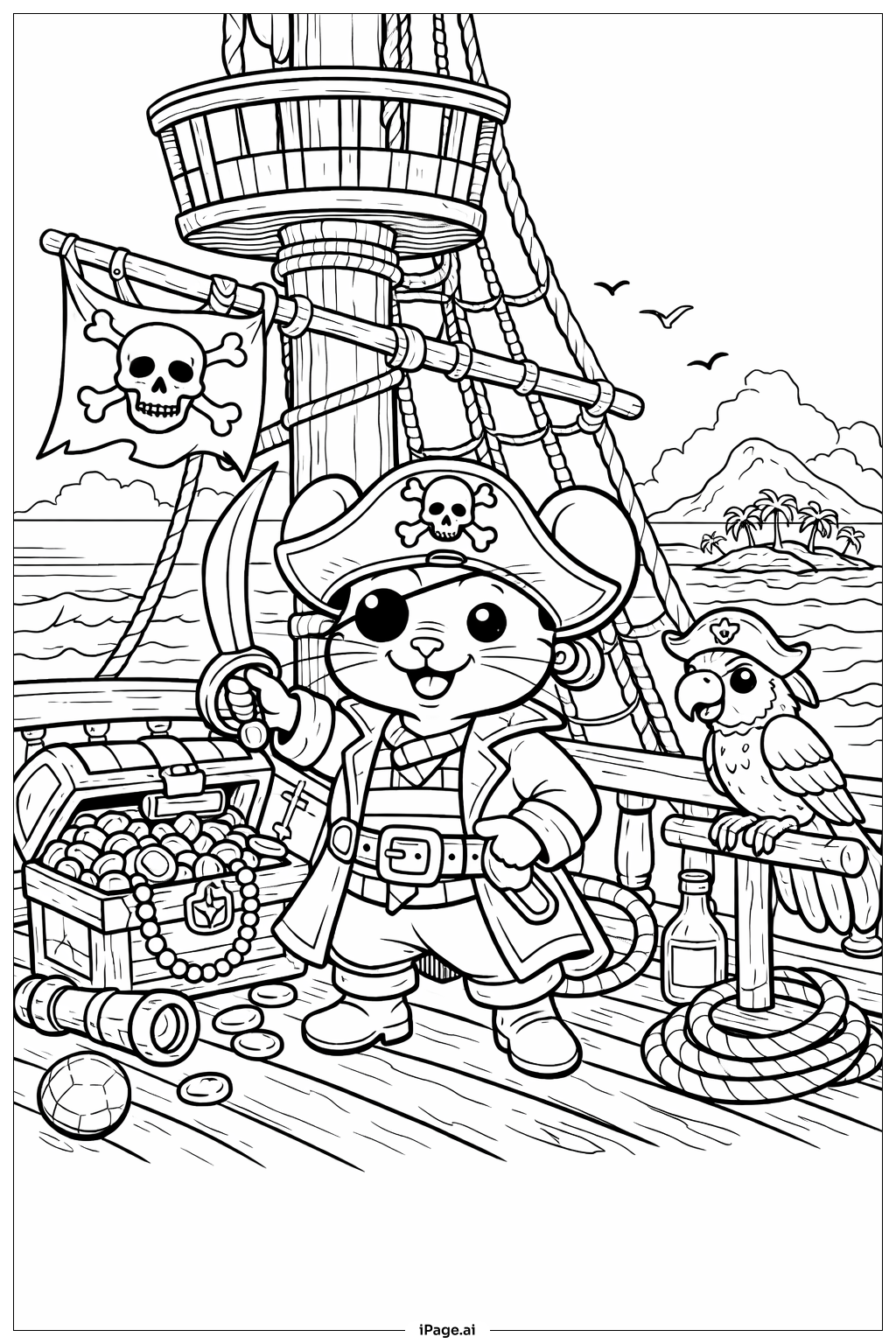
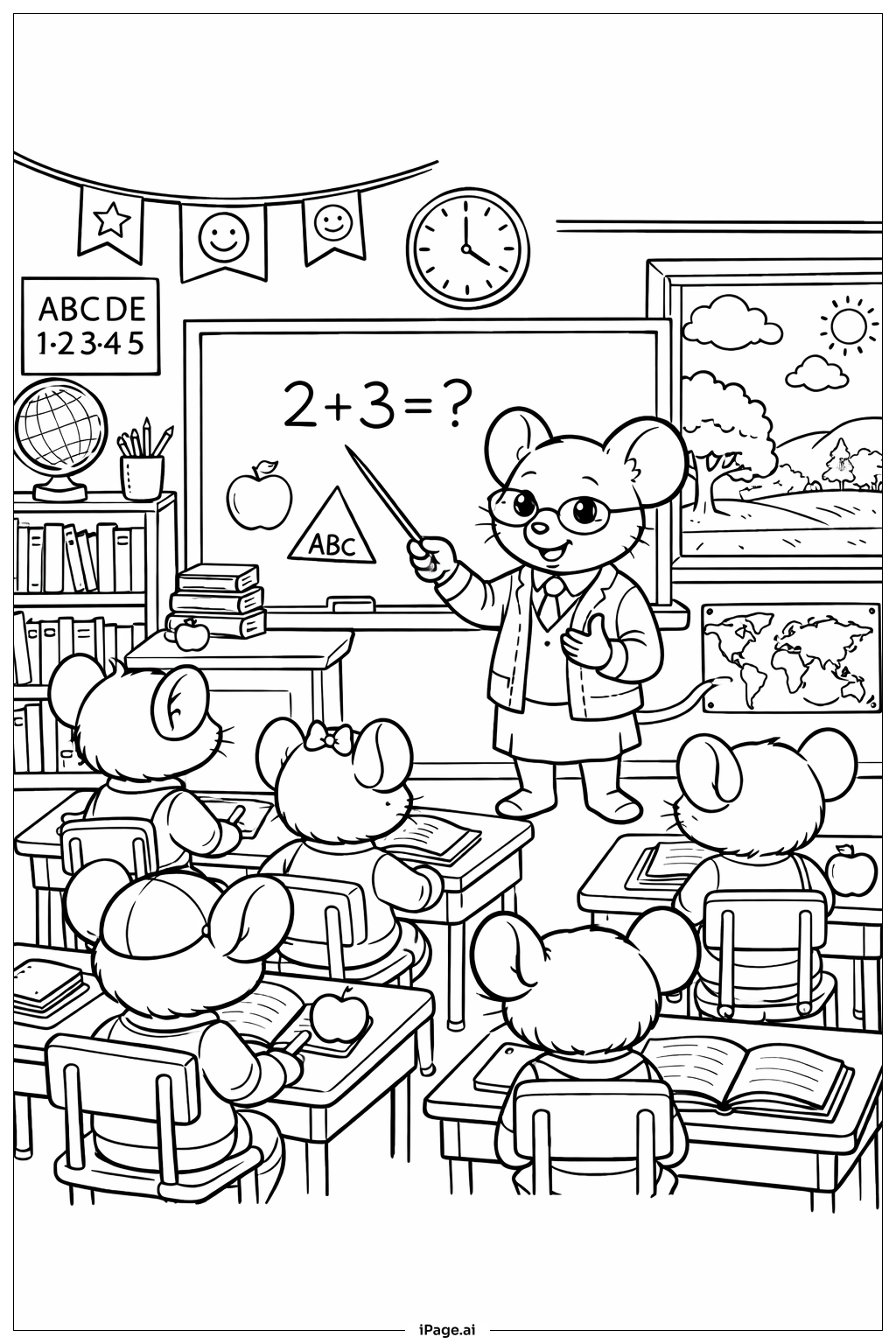
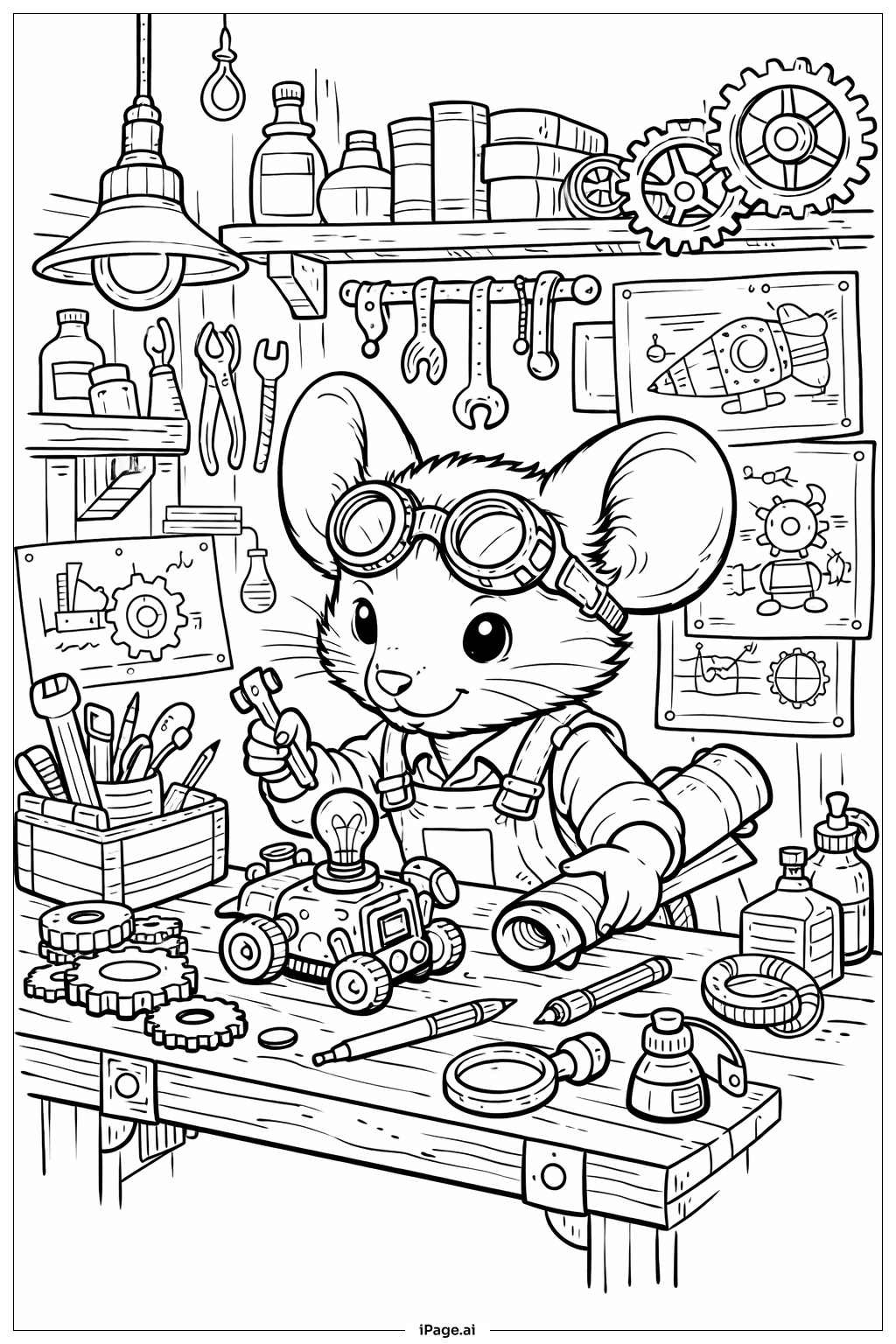
Start with the body of the mouse. Light gray or warm brown works great for the fur. You can make the belly a softer, lighter shade to show a natural contrast. Color the large round ears with a pinkish tone on the inside to make them look realistic and cute. Use a soft pink or peach for the nose and the tiny paws. The long tail can be a slightly darker shade of the body color, or you can try a rosy pink tone. For the eyes, use black or very dark brown and leave a small white dot to make them look shiny and alive. Feel free to add your own creative touch — maybe give the mouse a colorful background like a cozy kitchen or a grassy field. Kids can experiment with fun colors too, like a purple or blue mouse for a whimsical fantasy look. There are no rules — just have fun and enjoy the process!
Coloring challenges: Which parts are difficult to color and need attention for Mouse Standing coloring page?
• Fur Texture and Shading: Getting the mouse's fur to look soft and natural can be tricky. You need to use light and slightly darker shades of the same color, blending them gently to create a fluffy, three-dimensional effect. Coloring in the direction of the fur growth helps make it look more realistic.
• Tiny Facial Features: The mouse has small, delicate facial details — a tiny nose, small mouth, and bright eyes. These areas require a steady hand and a sharp pencil or fine-tipped marker. It is easy to color outside the lines in these tight spaces, so take your time and work slowly.
• Ear Gradient: The ears have an outer edge and a softer inner area that needs a different, lighter or pinker tone. Blending two colors smoothly in such a small, curved space can be challenging, especially for younger colorists. Using colored pencils rather than markers gives you more control here.
• Tail Detail: The long, thin tail curves around the body. Staying within its narrow outline while still adding color variation or shading along its length takes patience and precision. A fine-tipped tool works best for this area.
• Body Contrast and Depth: Creating a sense of depth on the round, soft body requires subtle shading along the edges and a lighter center. Without this contrast, the figure can look flat. Practicing light pressure on colored pencils and gradually building up color helps achieve a more polished, lifelike result.
Benefits of coloring books: Advantages of drawing Mouse Standing coloring page
Coloring this standing mouse is a wonderful activity for kids and beginners alike. It offers a range of developmental and creative benefits that make it more than just a fun pastime.
First, it helps build fine motor skills. Carefully coloring within the mouse's small features — like the ears, nose, and tail — trains hand control and pencil grip, which are important skills for writing and drawing.
Second, it encourages creativity and self-expression. Choosing colors for the fur, eyes, and background lets kids make their own artistic decisions and develop a personal style. There is no single right answer, which builds confidence.
Third, it supports focus and concentration. Sitting quietly and working through a detailed image helps children practice patience and attention to detail — skills that carry over into schoolwork and everyday tasks.
Fourth, coloring can be a calming and stress-relieving activity. The simple, repetitive motion of coloring helps kids and Adults alike relax and unwind after a busy day.
Finally, completing the page gives a real sense of accomplishment. Seeing a finished, colorful piece of art that you created yourself is a great confidence boost for colorists of all ages. It is a simple, joyful activity with real lasting value.