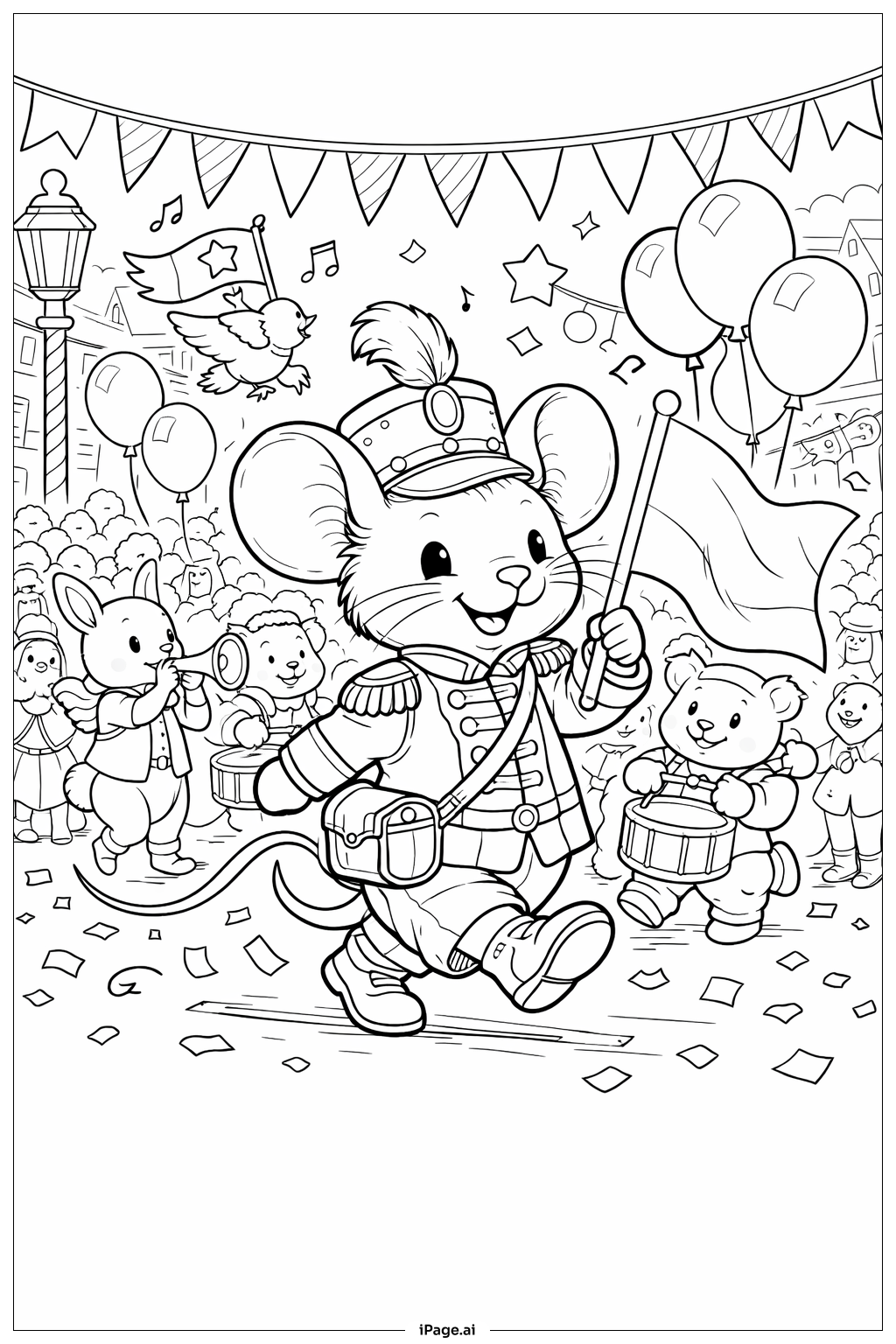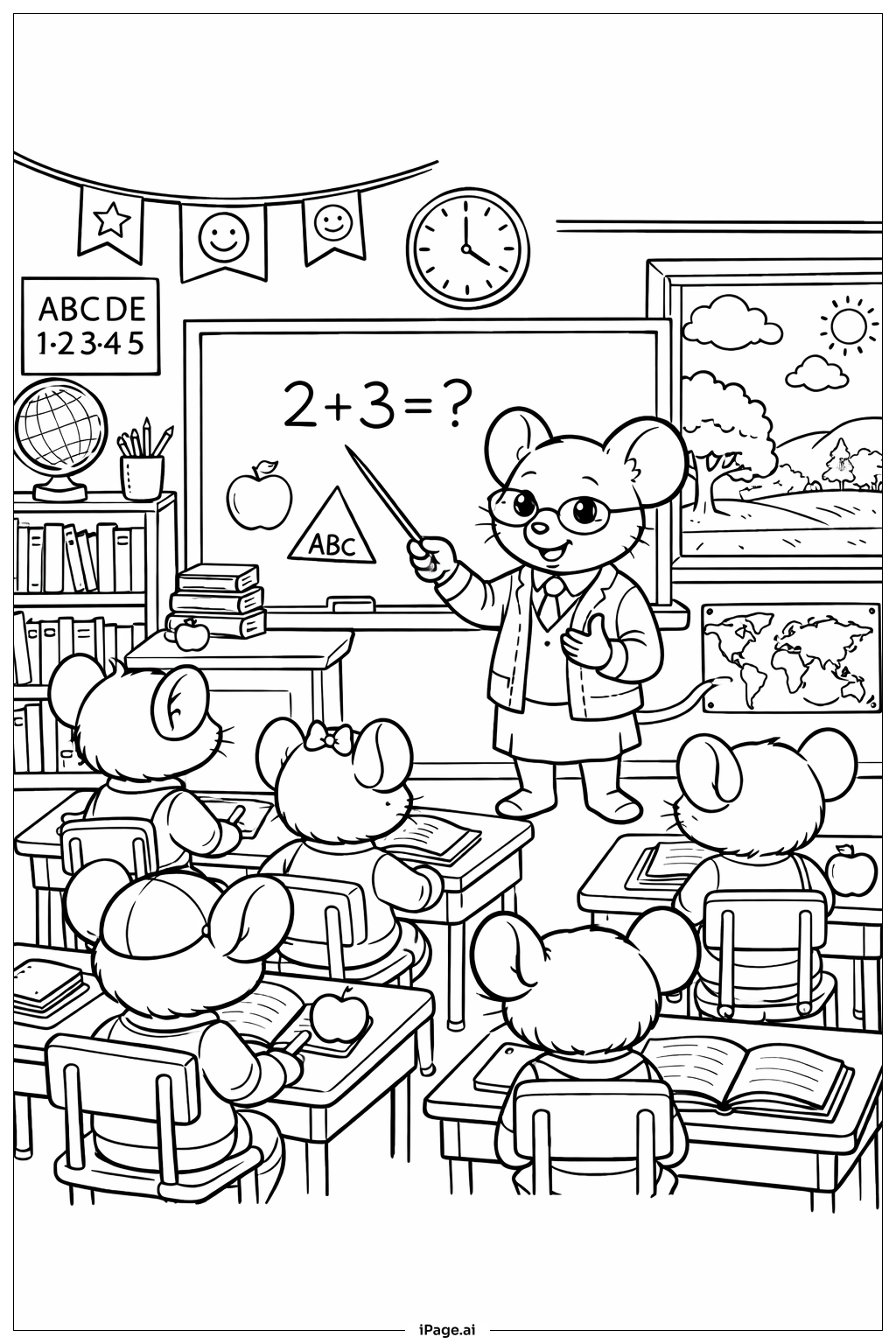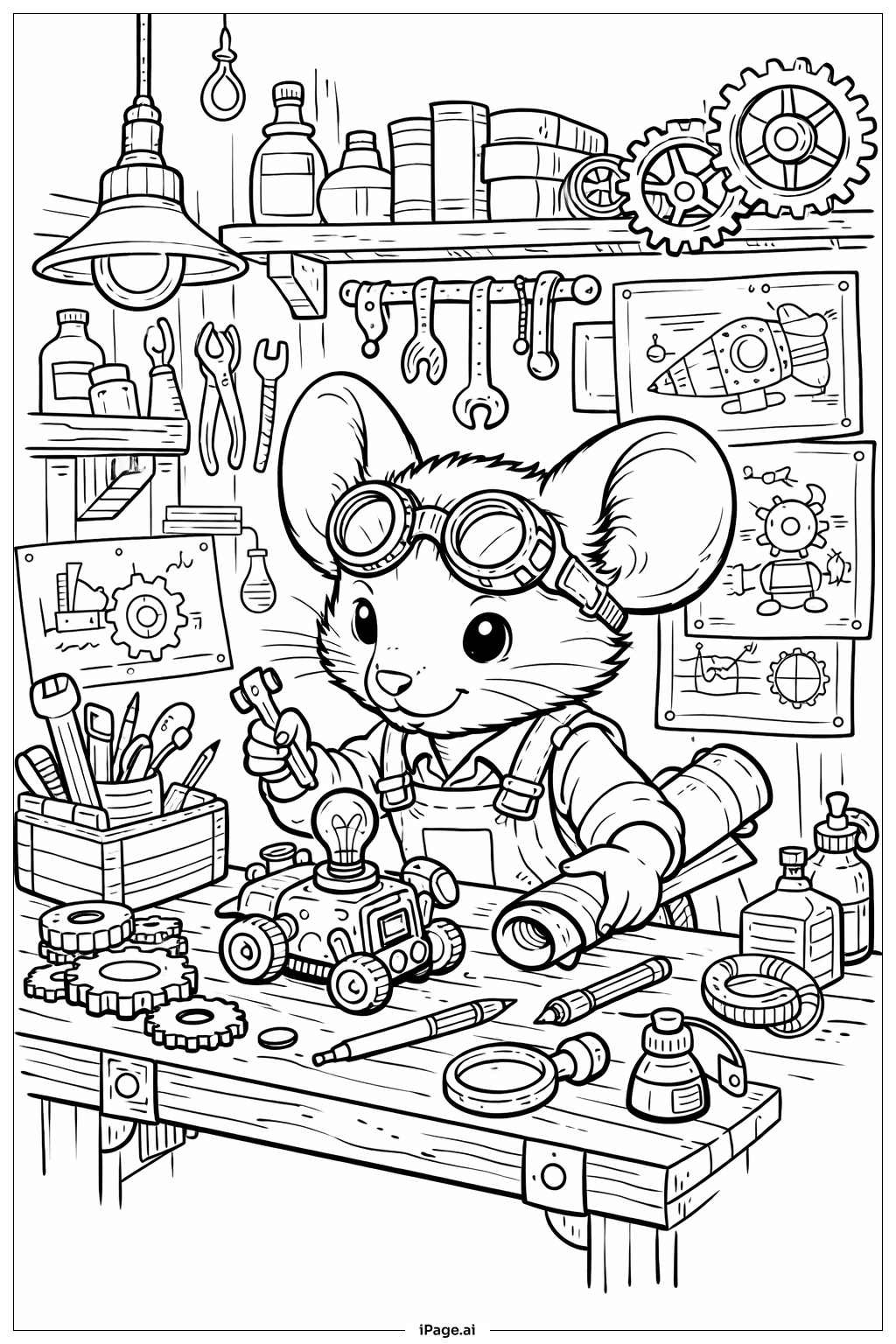
Coloring tips: How to color Mouse In Box coloring page well?
Use light gray or soft brown for the mouse’s body and ears. Color the mouse’s nose and eyes black to make them stand out. The whiskers can stay white or be lightly traced in gray. For the box, choose warm colors like light brown or beige to resemble cardboard. You can add shadows with darker brown along the edges of the box to give it depth. Use bright colors around the background if you want to make the scene more lively, like green for grass or blue for the sky. Keep the colors soft and gentle to match the friendly look of the mouse.
Coloring challenges: Which parts are difficult to color and need attention for Mouse In Box coloring page?
1. Coloring inside the small mouse paws needs care to stay within the lines. 2. Adding shading to the box to make it look three-dimensional can be tricky for younger children. 3. Coloring the mouse’s facial features neatly, like the eyes, nose, and whiskers, requires good hand control. 4. Choosing appropriate contrast between the mouse and the box colors will help the mouse stand out. 5. Coloring the box flaps evenly on both sides needs attention to detail to keep symmetry.
Benefits of coloring books: Advantages of drawing Mouse In Box coloring page
Coloring this image helps improve fine motor skills by controlling pencil or crayon movements around small shapes, like the mouse’s face and paws. It encourages creativity in choosing colors to make the mouse and box look natural or playful. This activity also teaches attention to detail when coloring small areas and helps develop patience as the child carefully fills all parts of the picture. Moreover, coloring a friendly animal like a mouse can be calming and boost confidence when the picture looks complete and colorful.