Coloring tips: How to color Mandala Fish coloring page well?
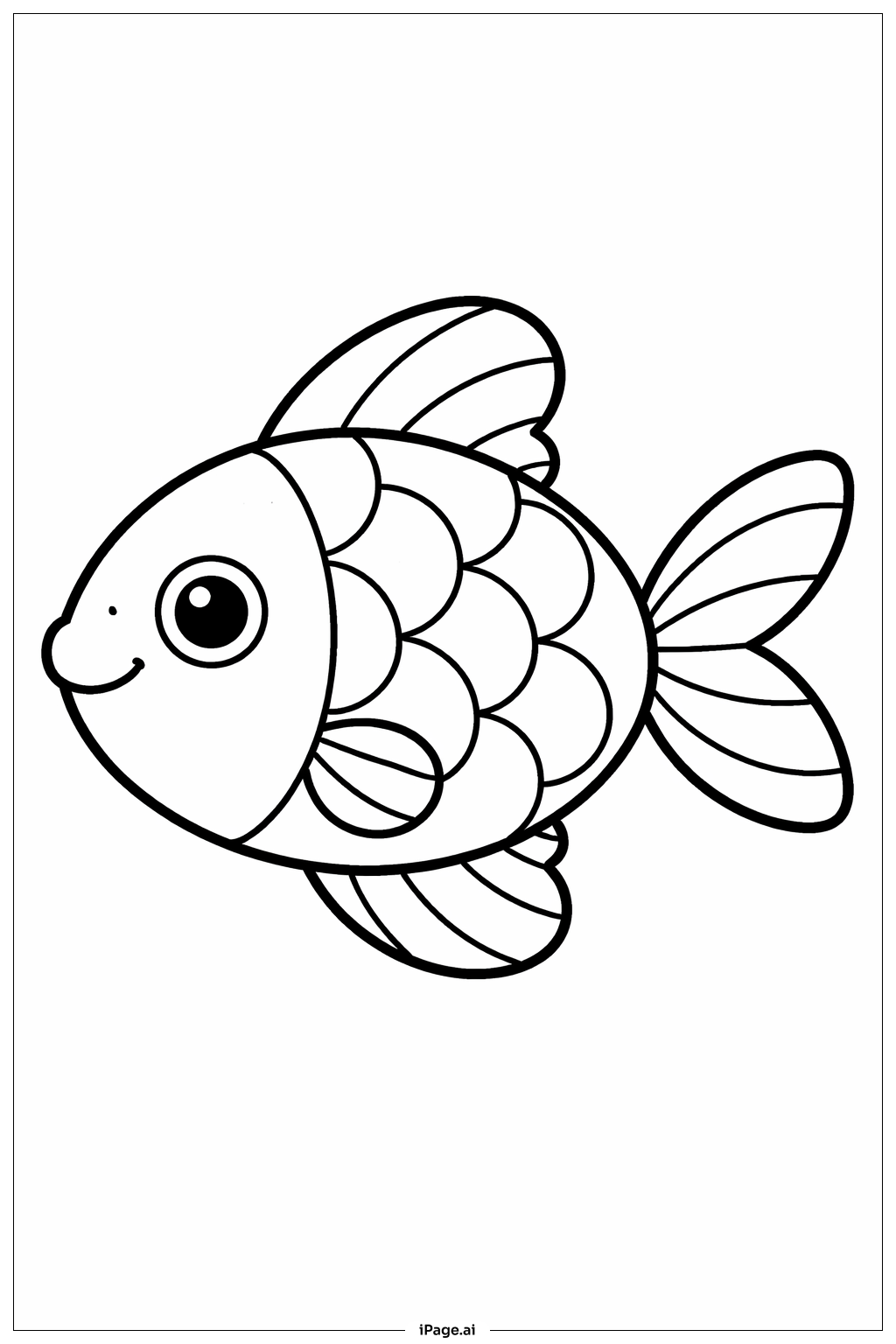
Use bright and vibrant colors for the fish to make it stand out. You can pick different shades of blue, green, and purple for the scales to create a beautiful effect. Color the fins and tail in warm colors like orange, yellow, or red to add contrast. For the eye, use black for the pupil and a small white dot for the shine to make it look lively. Try blending colors gently in the fins and scales for a smooth look. Feel free to add some background colors like light blue for water or green for seaweed to complete the picture.
Coloring challenges: Which parts are difficult to color and need attention for Mandala Fish coloring page?
1. Small Scale Sections: The overlapping semicircle shapes on the fish's body are small and close together, which requires careful coloring to avoid going outside the lines.
2. Thin Fin Lines: The fins and tail have thin, separated areas that can be a bit tricky for young kids to color neatly.
3. Color Balance: Choosing colors that work well together on the scales and fins to make the fish look natural yet vibrant can be challenging.
4. Eye Detailing: The eye has small details like the pupil and shine that need precision to color properly.
5. Avoiding Color Smudges: Because the design has many small sections, children need to color slowly and patiently to prevent color smudging between areas.
Benefits of coloring books: Advantages of drawing Mandala Fish coloring page
Coloring this mandala fish helps improve hand-eye coordination and fine motor skills. It encourages creativity by letting kids choose colors and experiment with patterns. Coloring within small spaces boosts concentration and attention to detail. It also promotes relaxation and stress relief through a fun, artistic activity. This image combines nature and art, inspiring children to appreciate both while developing patience and self-expression.