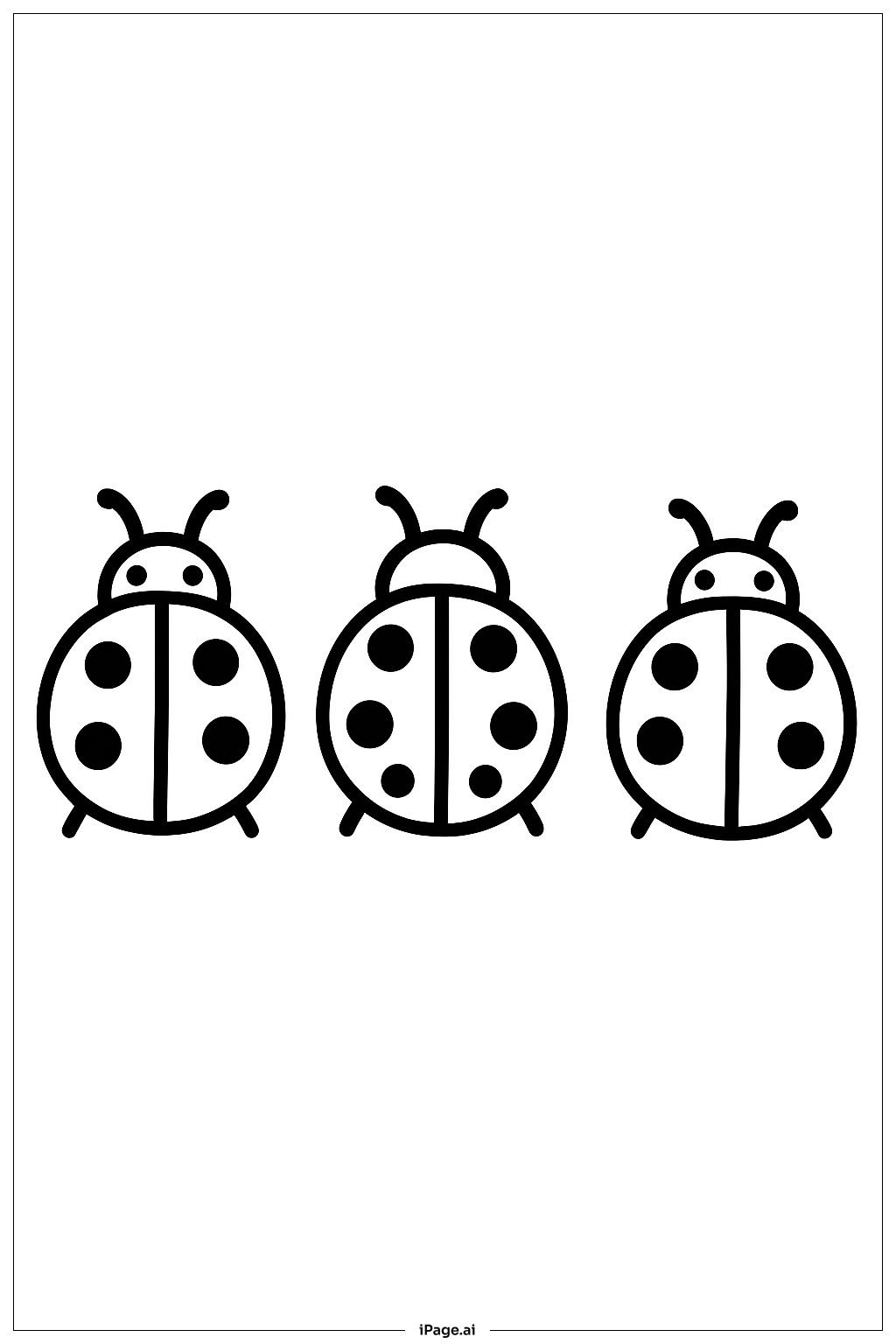
Coloring tips: How to color Tiny Ladybug Trio coloring page well?
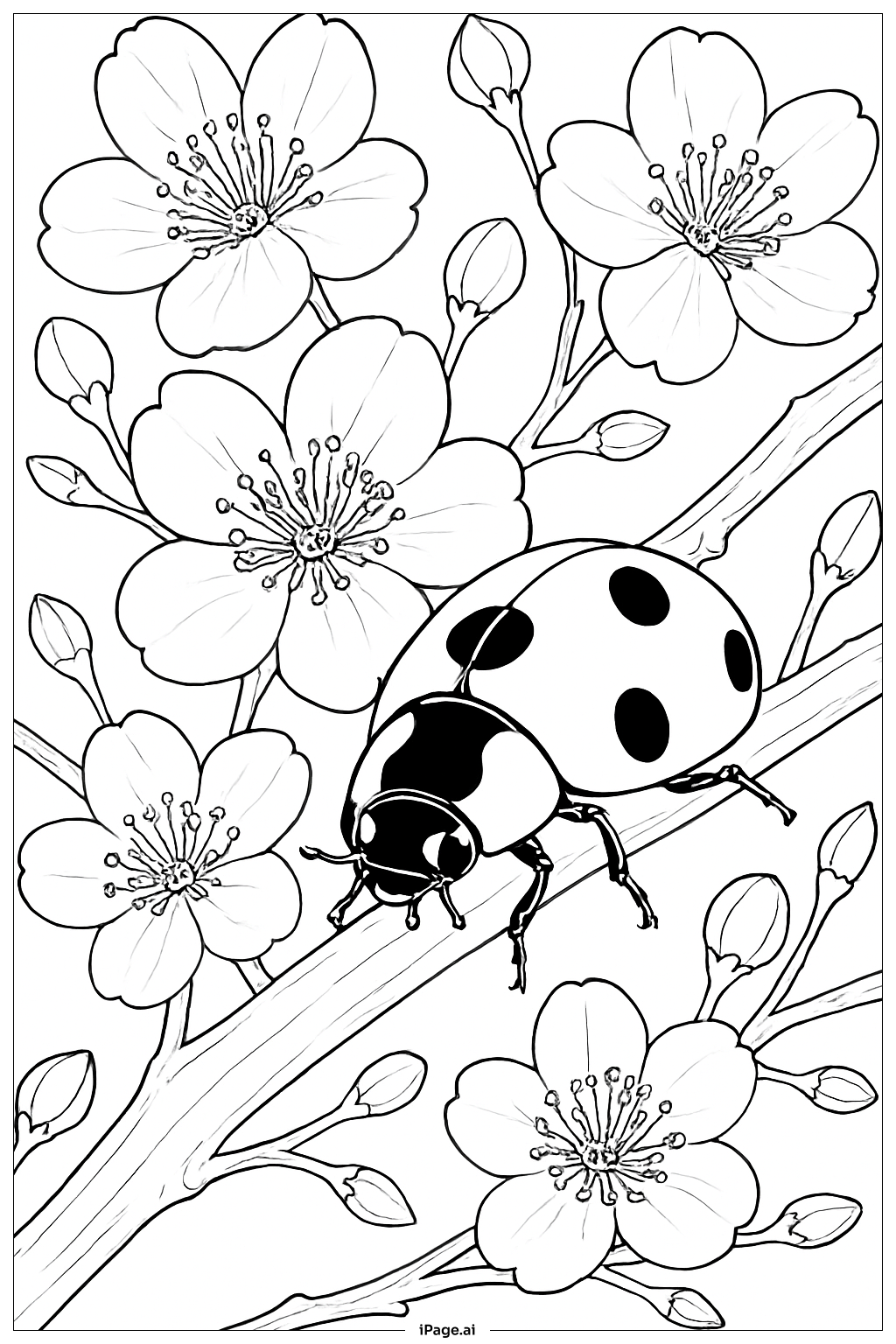
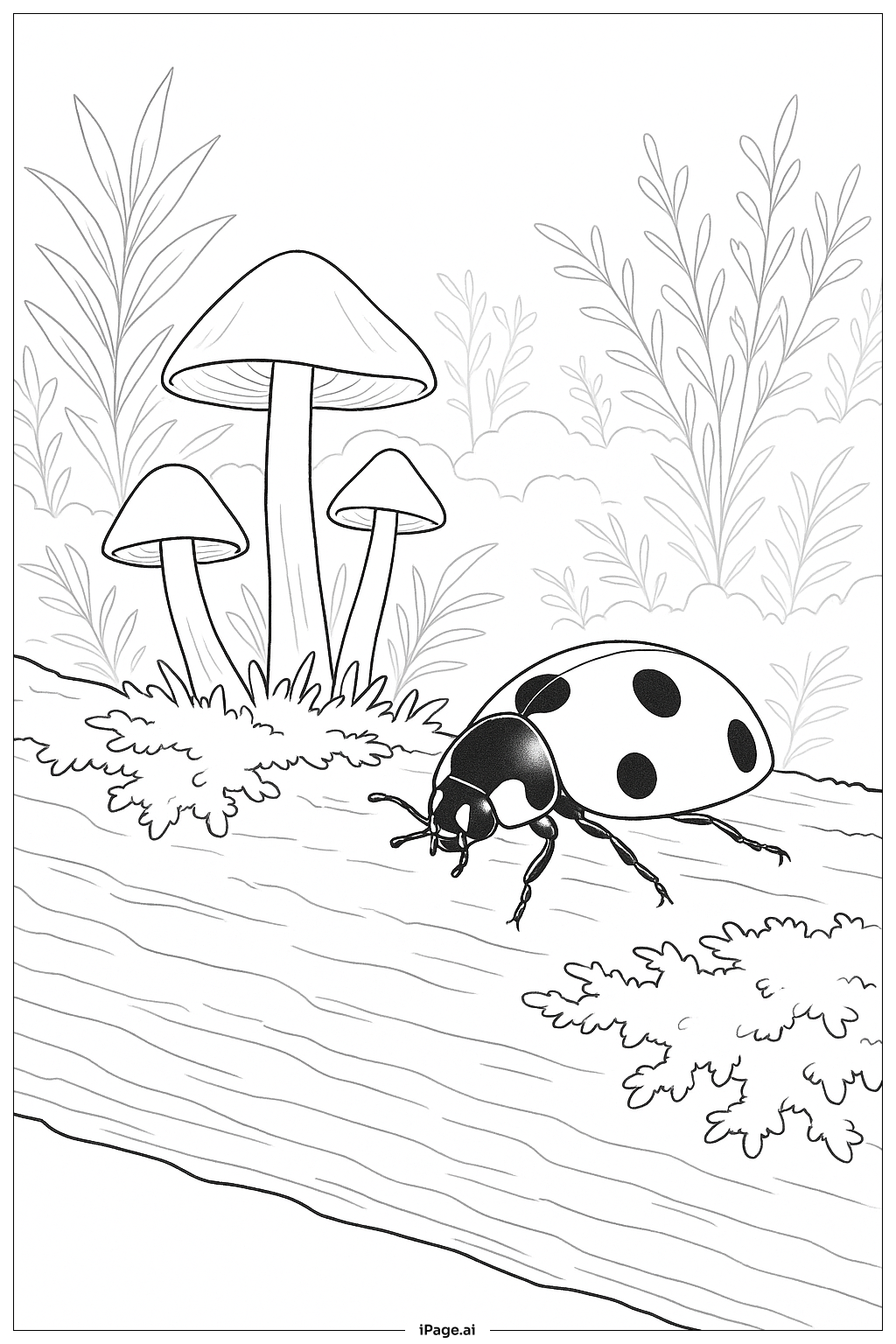
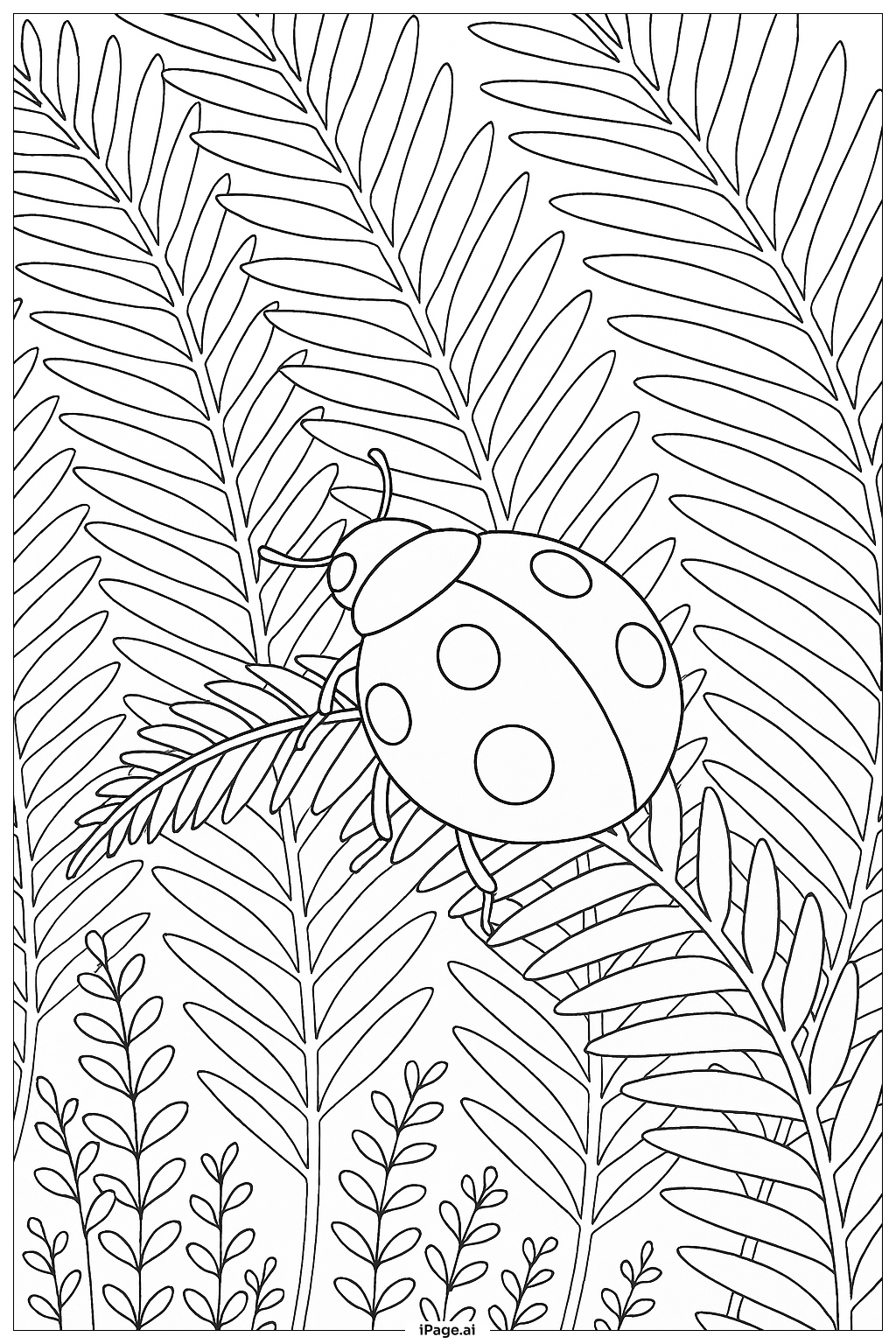
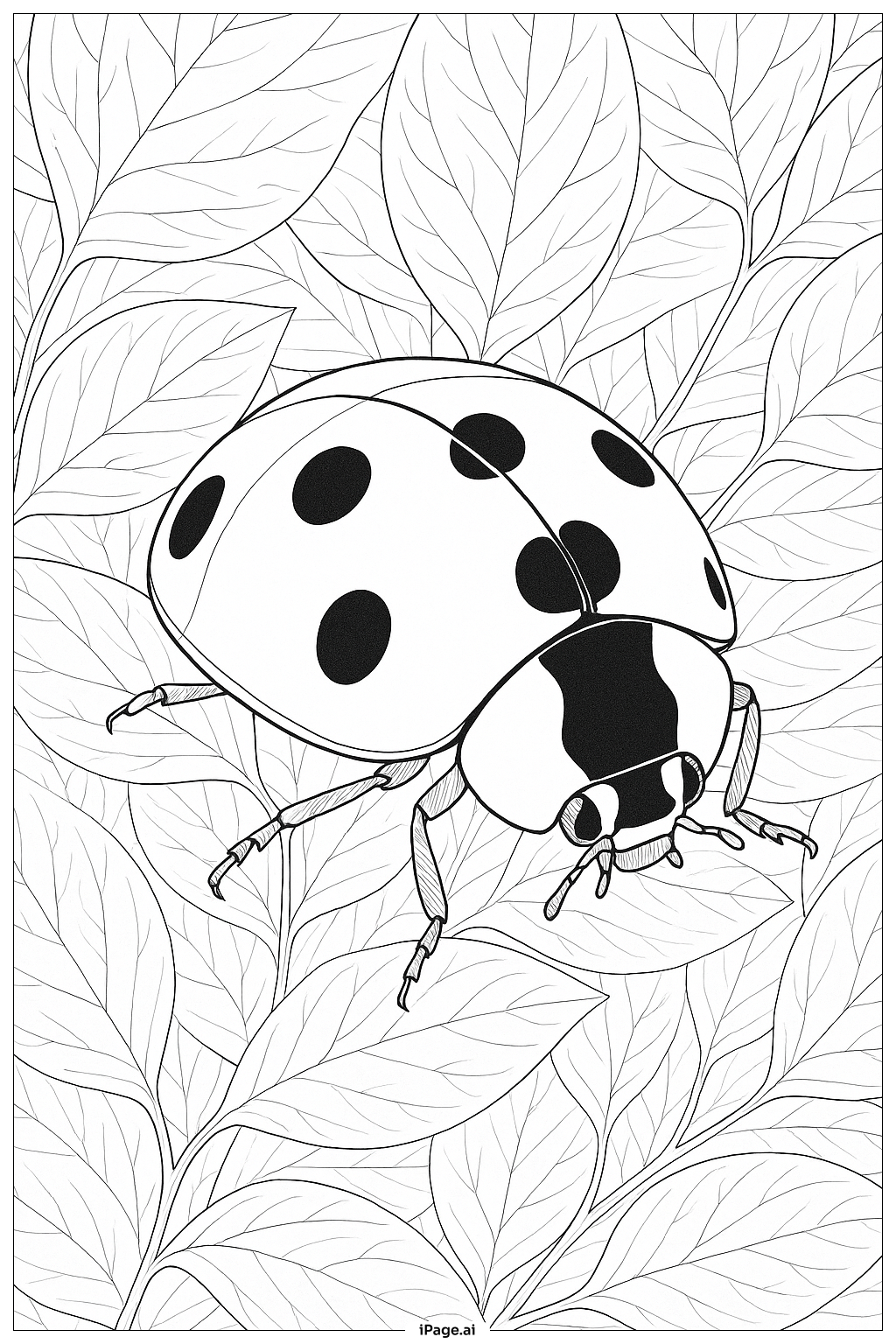
Start with the ladybugs' shells using a bold red or orange-red. Let each ladybug have a slightly different shade to tell them apart — one bright red, one deep crimson, and one warm orange-red. Fill the spots with solid black to keep that classic ladybug look. Use black or very dark brown for the head and the dividing line on the shell. Color the legs and antennae in black or dark gray. For the eyes, try white with a small black pupil, adding a tiny white dot for a shiny effect. If there are leaves or grass in the background, use light and dark greens to create depth. You can add a soft yellow or pale blue to the background to make the red ladybugs really pop. Keep your strokes smooth and stay inside the lines for a neat, polished finish. This page is great for practicing color contrast and trying out shading by pressing your pencil lighter at the edges of each shell.
Coloring challenges: Which parts are difficult to color and need attention for Tiny Ladybug Trio coloring page?
• Tiny Spot Placement: The small black spots on each ladybug's shell are closely spaced and quite small. Filling them in neatly without bleeding into the surrounding red areas requires a sharp, fine-tipped colored pencil or a thin marker. Young colorists may find it tricky to stay precisely within each spot's boundaries, so taking your time and using a well-sharpened tool is key.
• Differentiating Three Similar Figures: Since all three ladybugs share the same basic shape and features, it can be challenging to make each one look distinct. Choosing slightly different shades of red or varying the size and number of spots for each bug helps avoid a repetitive look and adds visual interest to the finished page.
• Fine Antenna and Leg Lines: The antennae and legs are very thin, delicate lines that are easy to accidentally smudge or color over. Use a fine-tipped tool for these details and consider coloring the surrounding areas first before carefully filling in or outlining these thin elements.
• Small Facial Details: The eyes are tiny but important for giving each ladybug personality. Adding highlights, pupils, and shading in such a small space demands a steady hand and a very sharp pencil tip. Rushing this step can make the faces look uneven or muddy.
• Background and Foreground Separation: If the image includes leaves or ground details, keeping the background colors from visually merging with the ladybugs' red shells can be difficult. Using contrasting colors like green or soft blue for the background helps the trio stand out clearly and makes the overall composition feel balanced.
Benefits of coloring books: Advantages of drawing Tiny Ladybug Trio coloring page
Coloring this Tiny Ladybug Trio page brings a wonderful mix of fun and learning for kids of all ages. Working on three small, detailed figures helps build fine motor skills, as children practice controlling their tools to fill in tiny spots, thin legs, and small facial features. This kind of careful coloring strengthens the hand muscles needed for writing and drawing.
The page also encourages color awareness. Kids learn about contrast by placing bold red against black spots, and they discover how background colors can make the main subjects pop. Choosing slightly different shades for each ladybug sparks creative thinking and decision-making.
Focusing on the details of this image naturally promotes patience and concentration. Completing all three bugs gives children a real sense of accomplishment, boosting confidence and pride in their work.
The nature theme gently connects kids to the natural world. Learning that ladybugs are helpful garden insects while coloring them makes the activity both creative and educational.
For older children and teens, the challenge of shading rounded shells and creating depth is a great introduction to basic art techniques. For younger kids, the friendly, simple shapes make the page approachable and enjoyable. Overall, this page is a calming, rewarding activity that nurtures creativity, focus, and a love of nature.