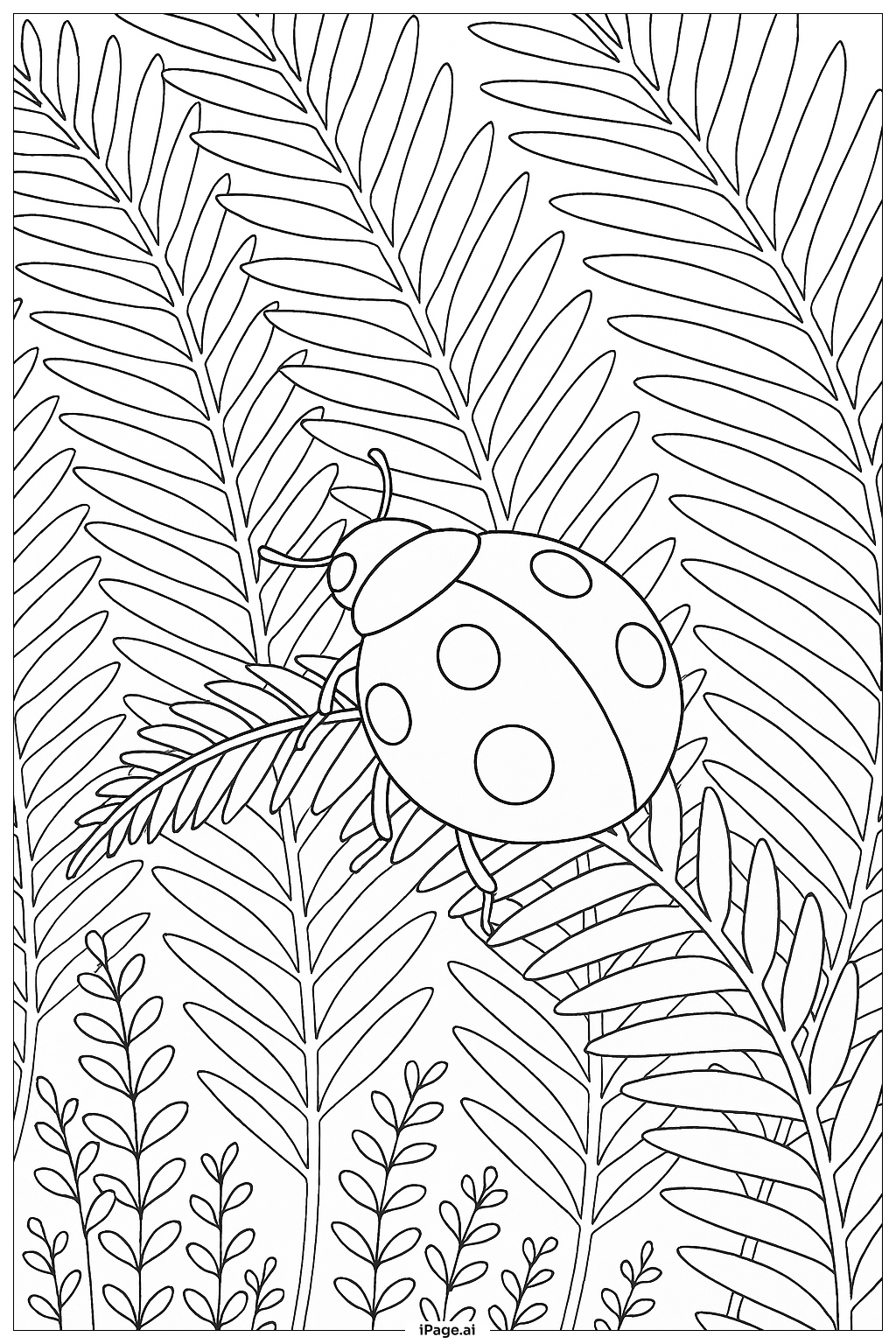
Coloring tips: How to color Ladybug On A Fern With Layered Plants coloring page well?
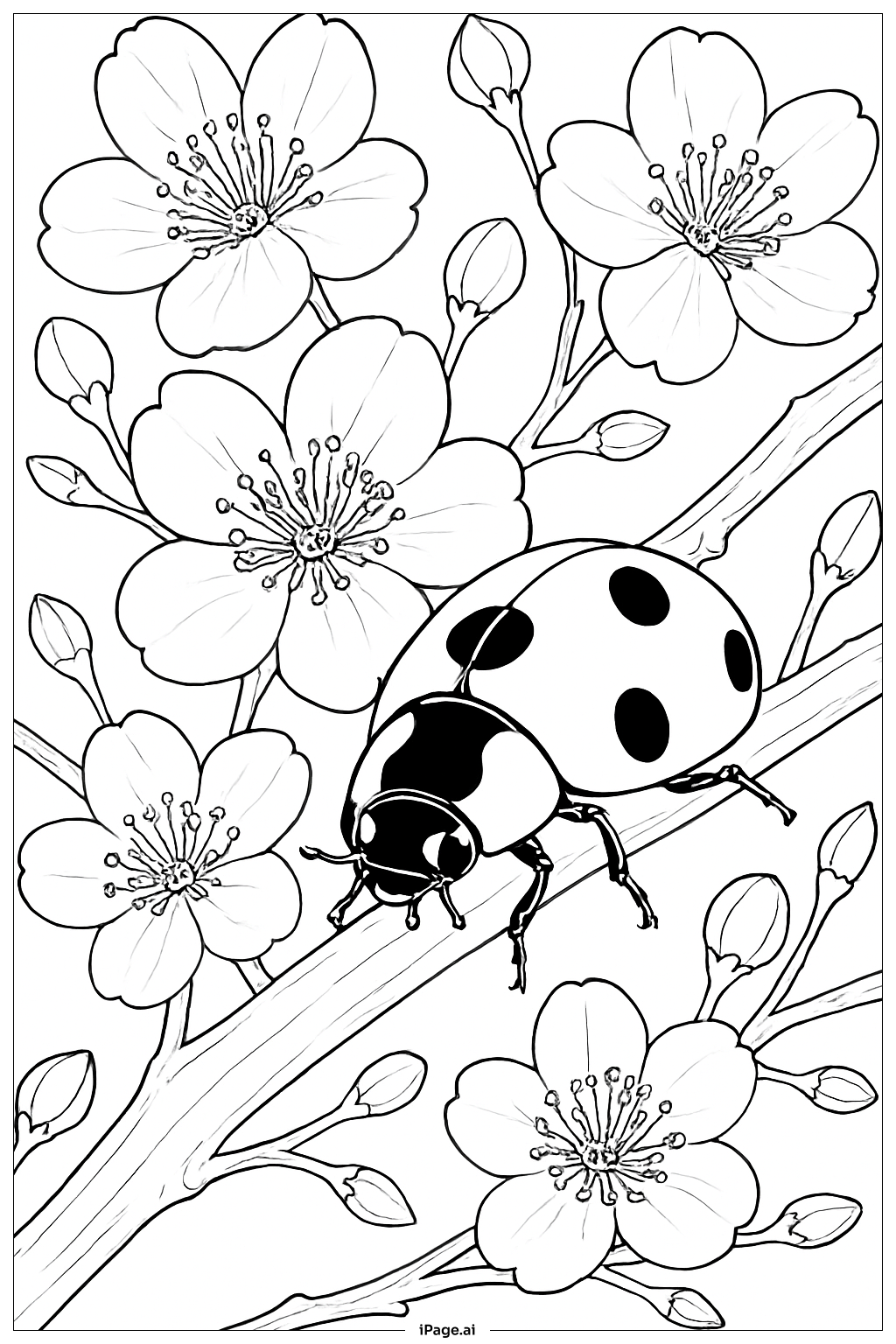
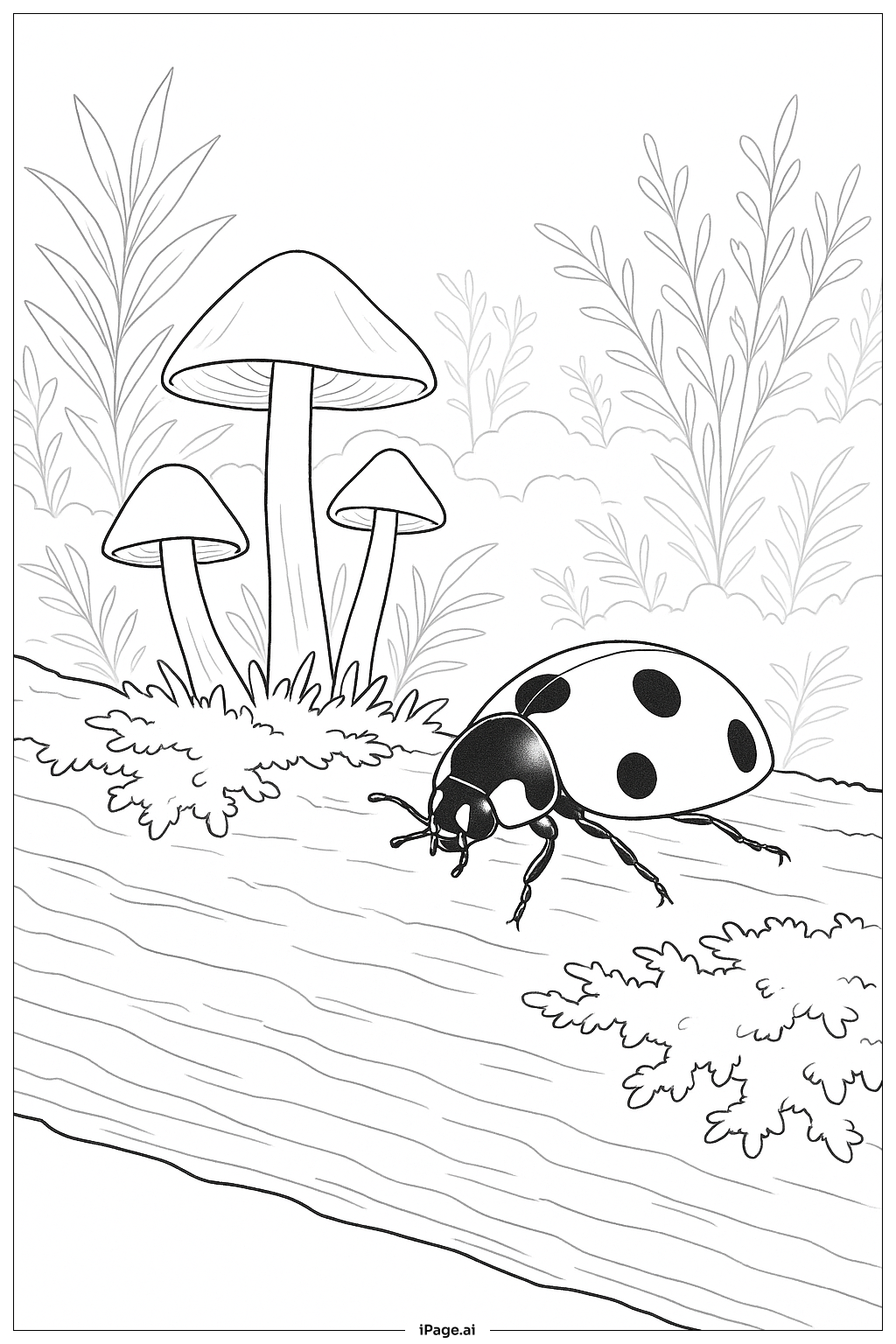
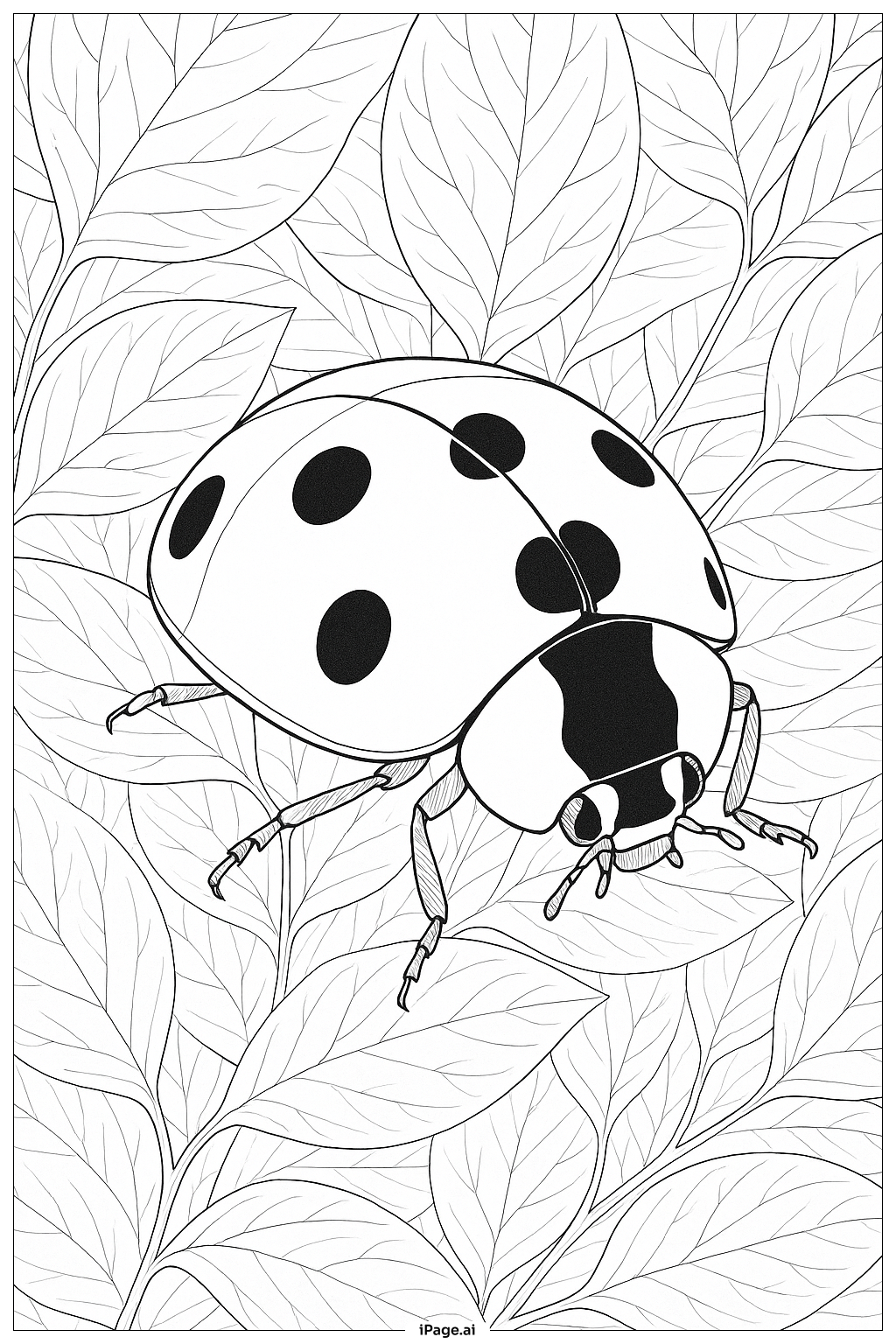
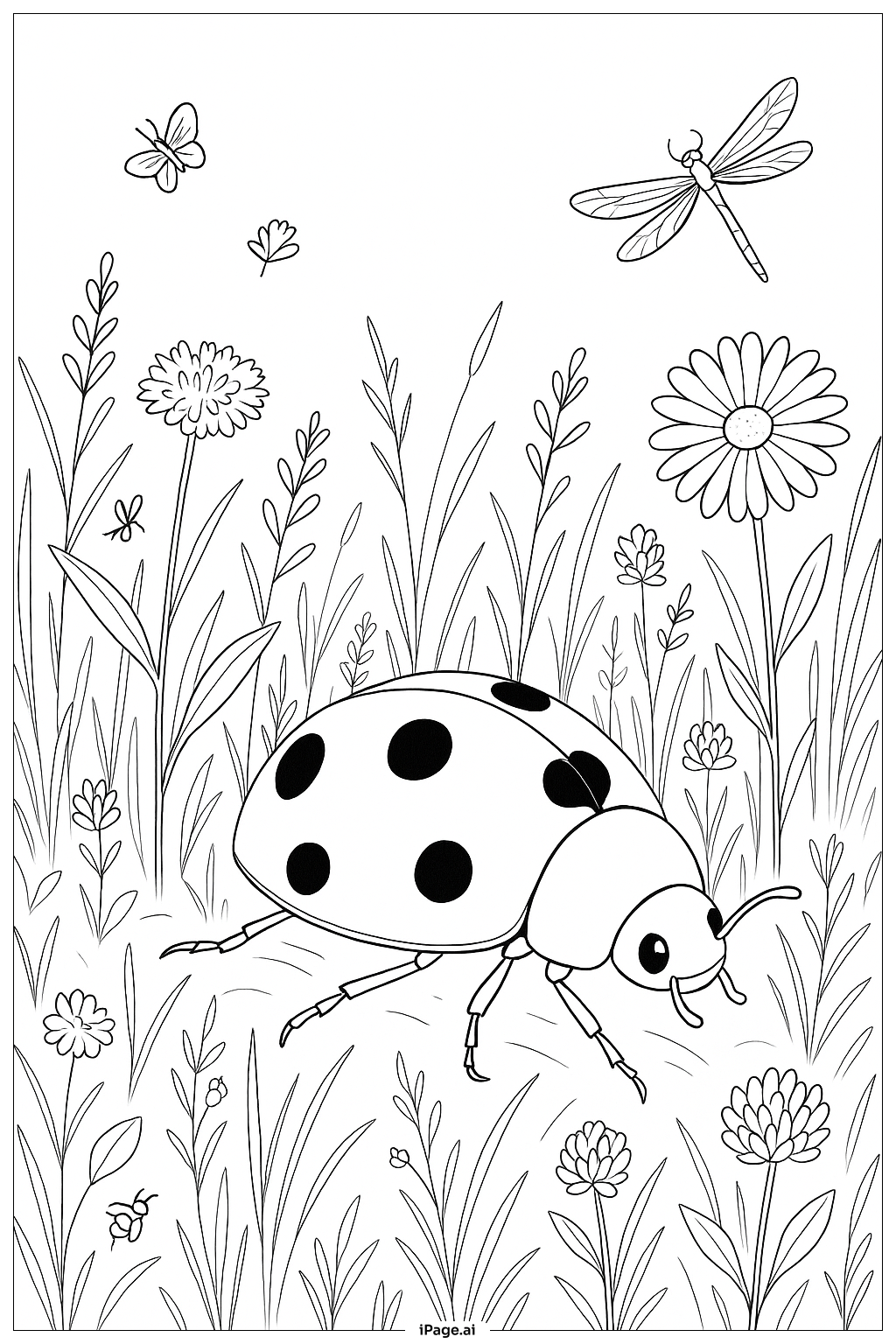
For this picture, use bright red and black for the ladybug to make it stand out. The fern leaves can be colored in different shades of green to show depth and layers. Use light green for the smaller plants to create contrast with the darker ferns. Try to color the leaves by following their shape, which will help keep the picture neat. You can add soft yellow or brown touches to some leaves to make the scene more natural. For the background, use a light blue or soft color to keep the focus on the ladybug and plants.
Coloring challenges: Which parts are difficult to color and need attention for Ladybug On A Fern With Layered Plants coloring page?
1. The many fern leaves are very close and layered, making it hard to color inside the lines without mixing colors.
2. The ladybug's small spots need careful coloring to keep their round shape clear.
3. The thin stems of the smaller plants can be tricky to color without going outside the lines.
4. Choosing the right green colors for different plants can be confusing but important to show depth.
5. Keeping the balance between bright colors for the ladybug and softer tones for the plants can be difficult for beginners.
Benefits of coloring books: Advantages of drawing Ladybug On A Fern With Layered Plants coloring page
Coloring this page helps children practice their fine motor skills by coloring small, detailed areas like the ladybug's spots and thin leaves. It encourages attention to detail and patience. Using different green hues teaches about colors and nature. It also sparks creativity by allowing children to choose how to color the plants and ladybug. Coloring this natural scene can be relaxing and improve focus, offering a fun way to learn about insects and plants.