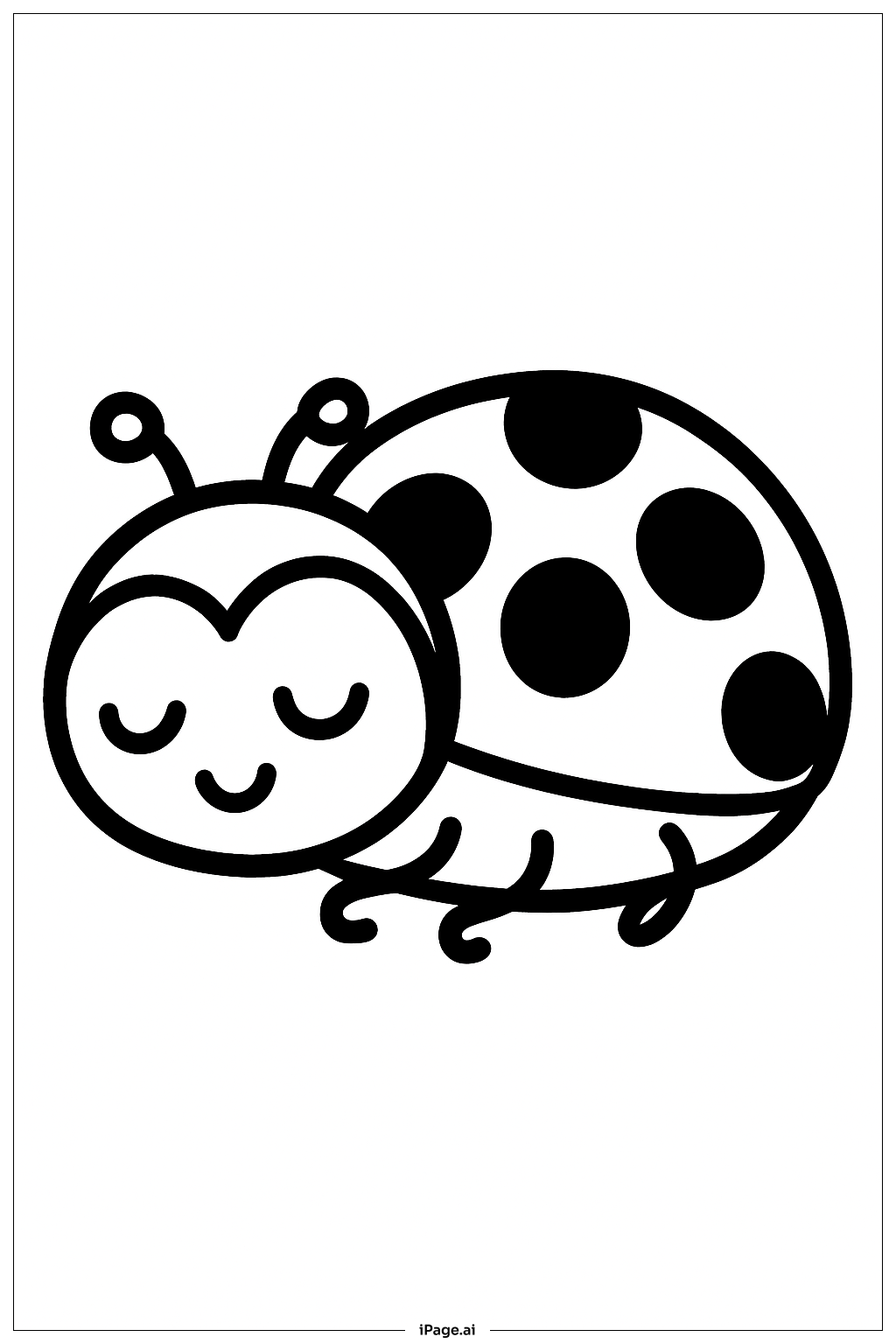
Coloring tips: How to color Sleeping Ladybug coloring page well?
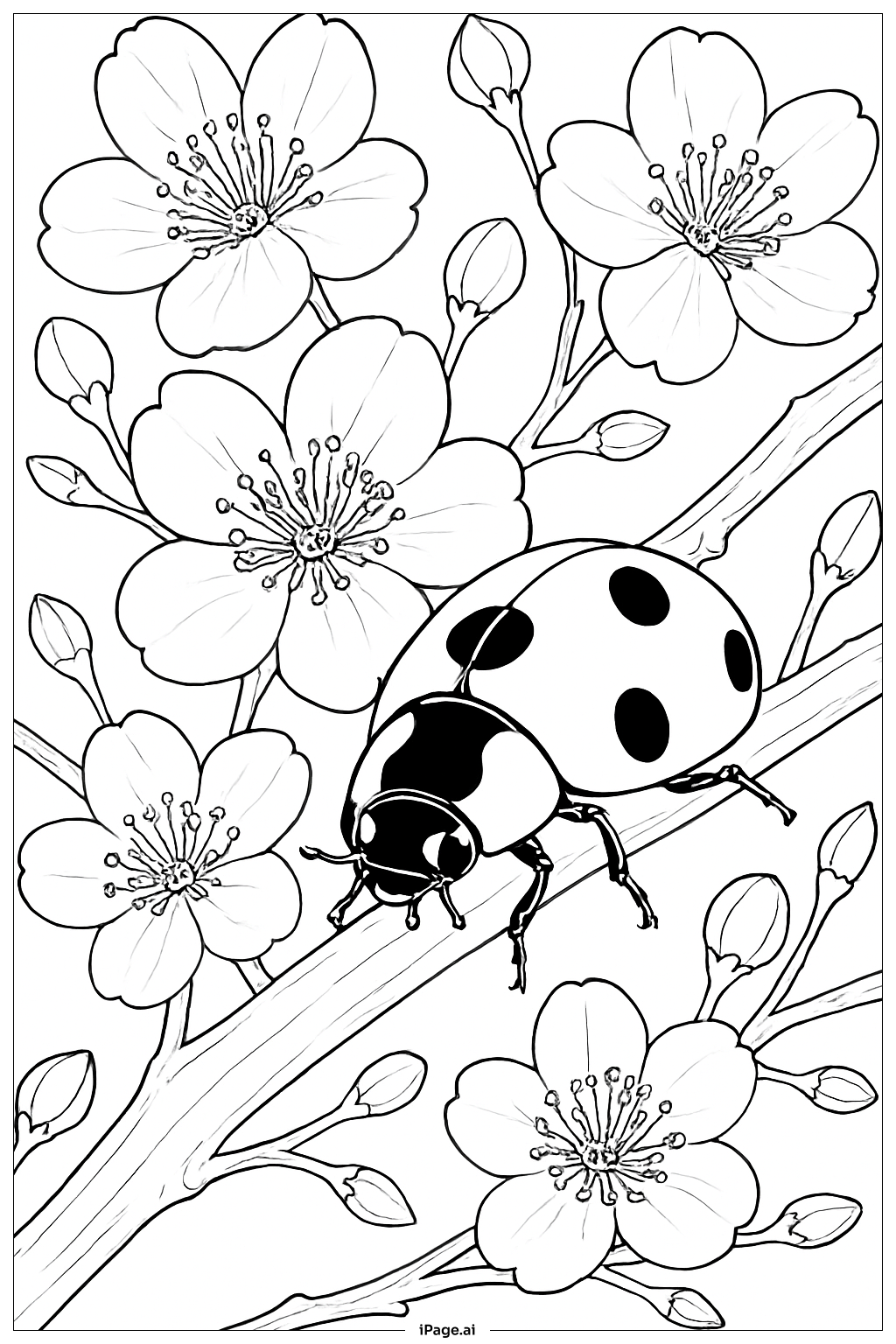
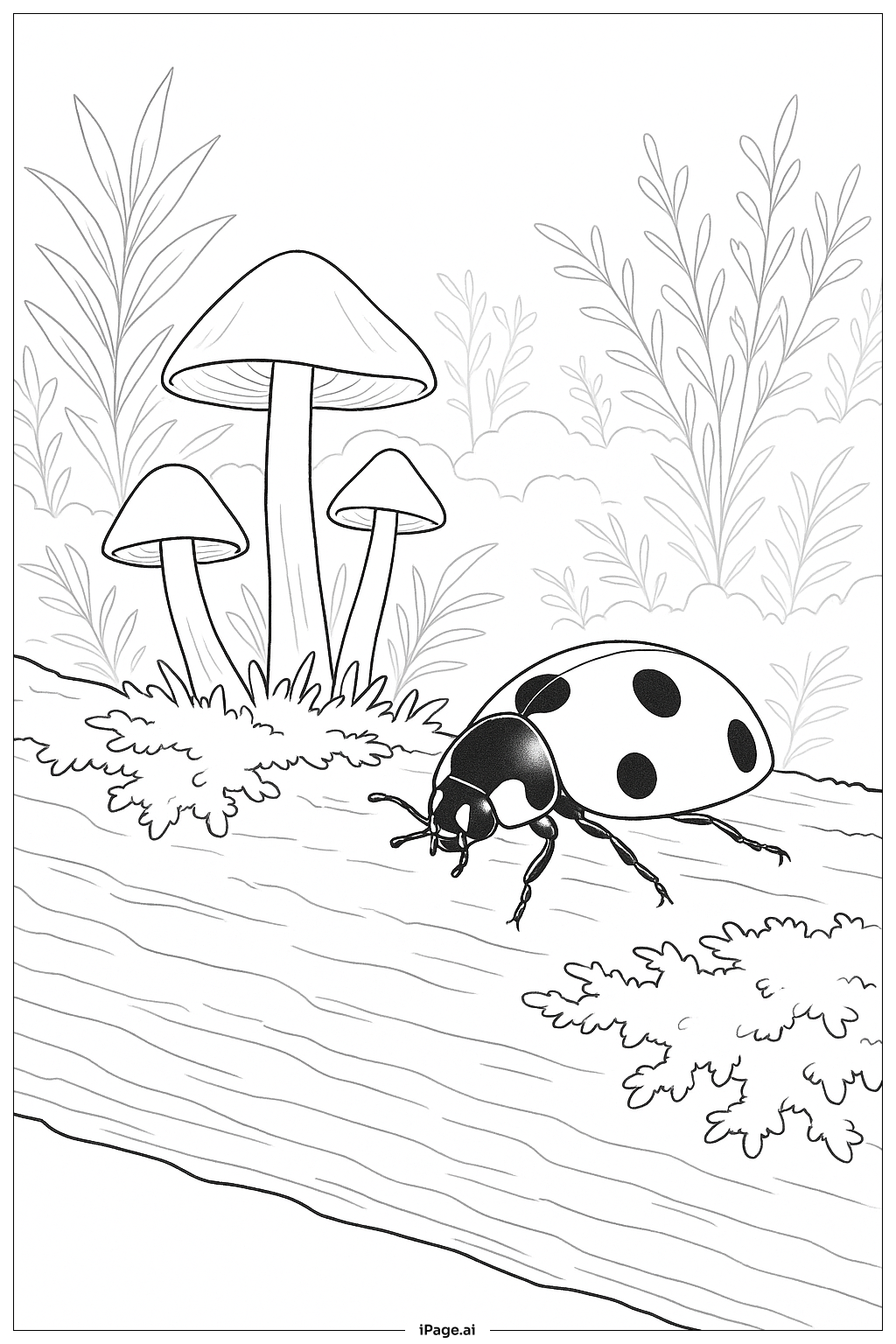
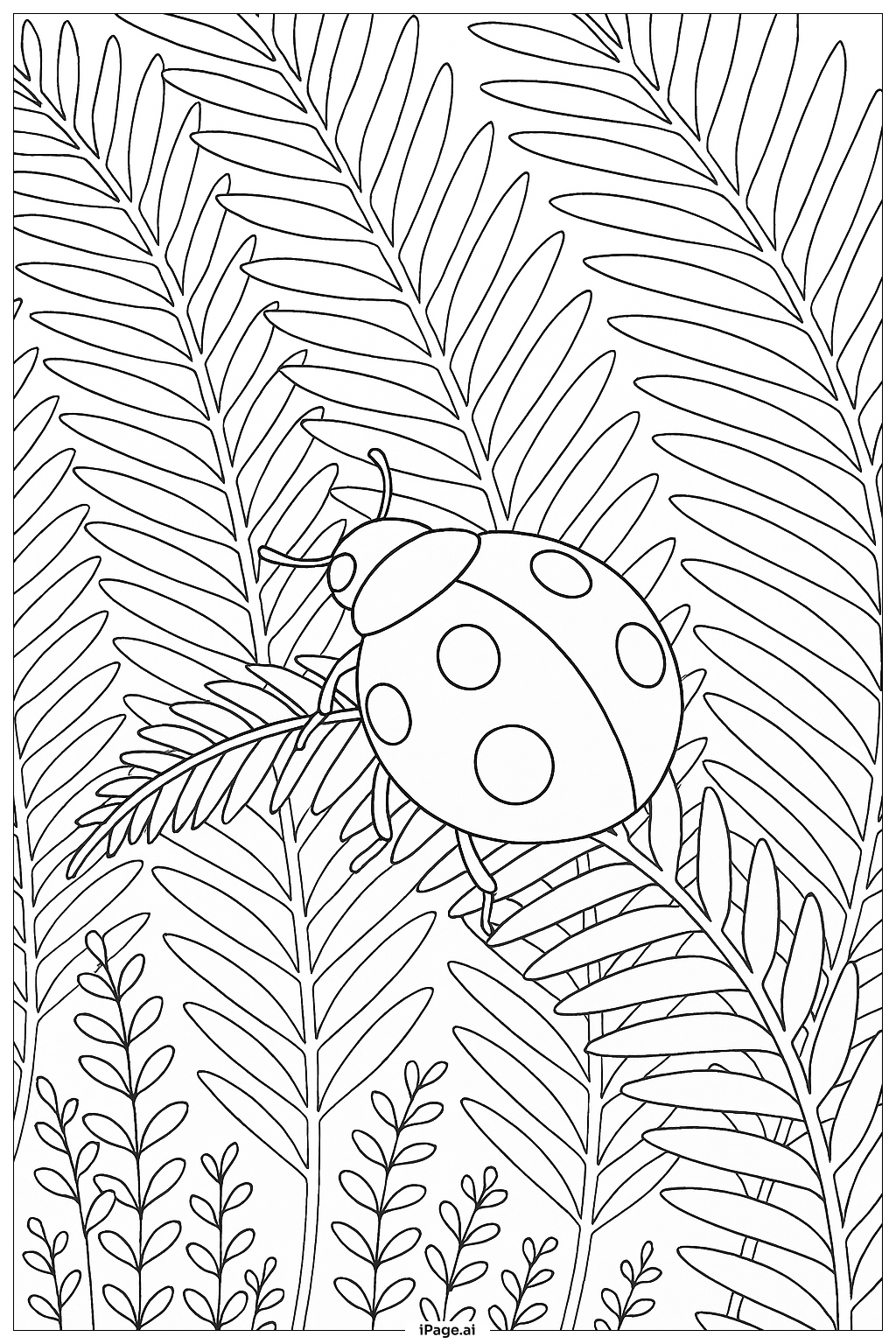
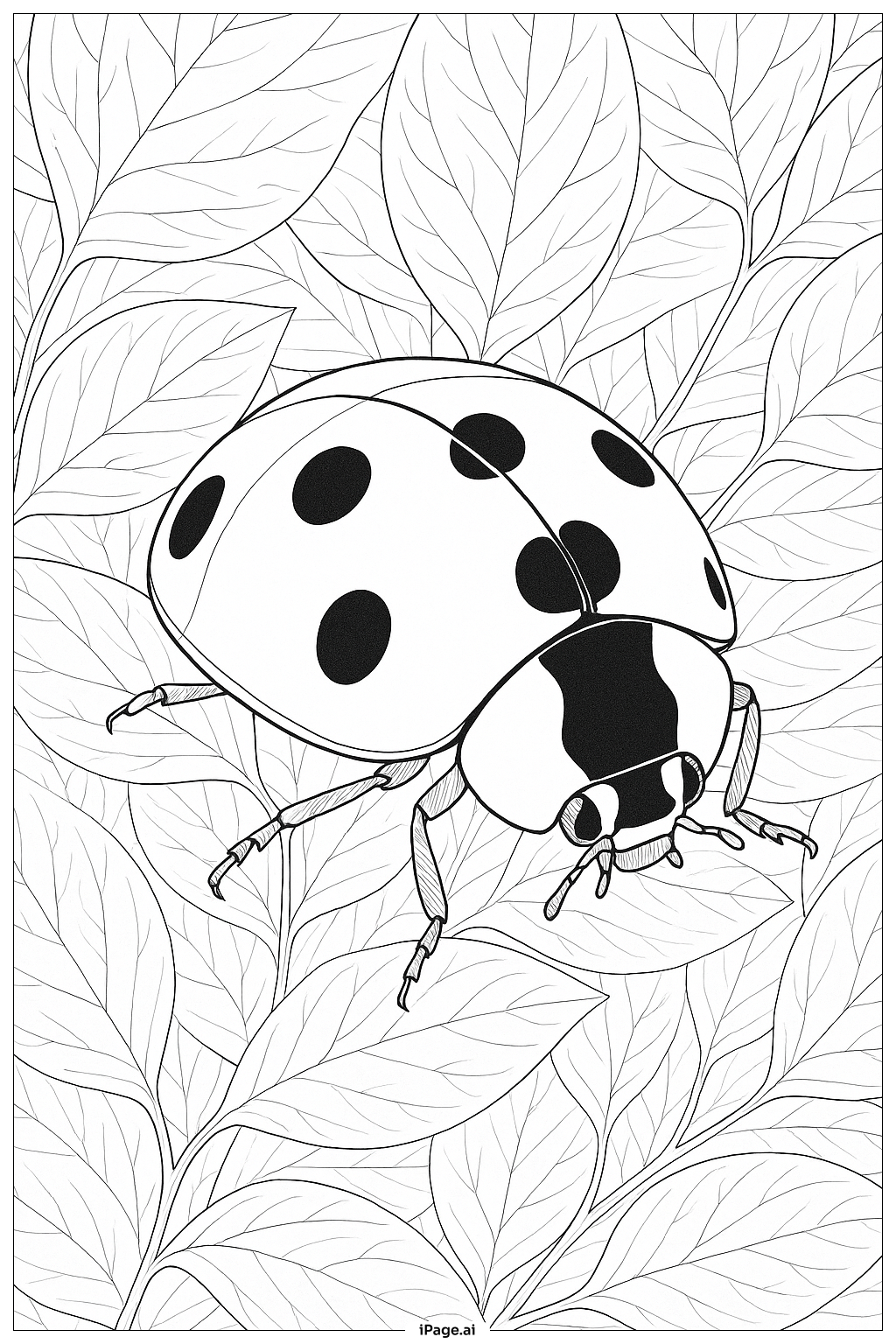
For this sleeping ladybug, consider using bright red or orange for the body to make it look lively. Use black or dark brown for the spots and antennae to create contrast. You can choose soft pastel colors for the background to keep the calm and peaceful mood of the sleeping ladybug. For the face, use light pink or peach to give it a gentle and warm feeling. Try to color inside the lines carefully to make the ladybug look neat and clean. You can also add some green or yellow around the ladybug to suggest grass or leaves where it is sleeping.
Coloring challenges: Which parts are difficult to color and need attention for Sleeping Ladybug coloring page?
1. Coloring the small legs can be tricky because they are thin and close together. Children need to be careful not to color outside the lines. 2. The ladybug's spots are also small but bold black shapes. It may be difficult to color them evenly without going outside the edges. 3. The antennae are round at the tips and thin stems, requiring careful coloring to keep the shape intact. 4. Maintaining the smoothness of the ladybug's round body might also be challenging for younger children, especially when blending colors. 5. Choosing colors that work well together to keep the peaceful sleeping theme may be confusing for some.
Benefits of coloring books: Advantages of drawing Sleeping Ladybug coloring page
Coloring this sleeping ladybug helps children improve their fine motor skills as they work within small spaces like the spots and legs. It encourages creativity by allowing children to choose colors and imagine a calm natural setting. The simple design makes it a great way for beginners to practice careful coloring and patience. Additionally, coloring insects like ladybugs can teach kids about nature and develop their interest in animals and the environment.