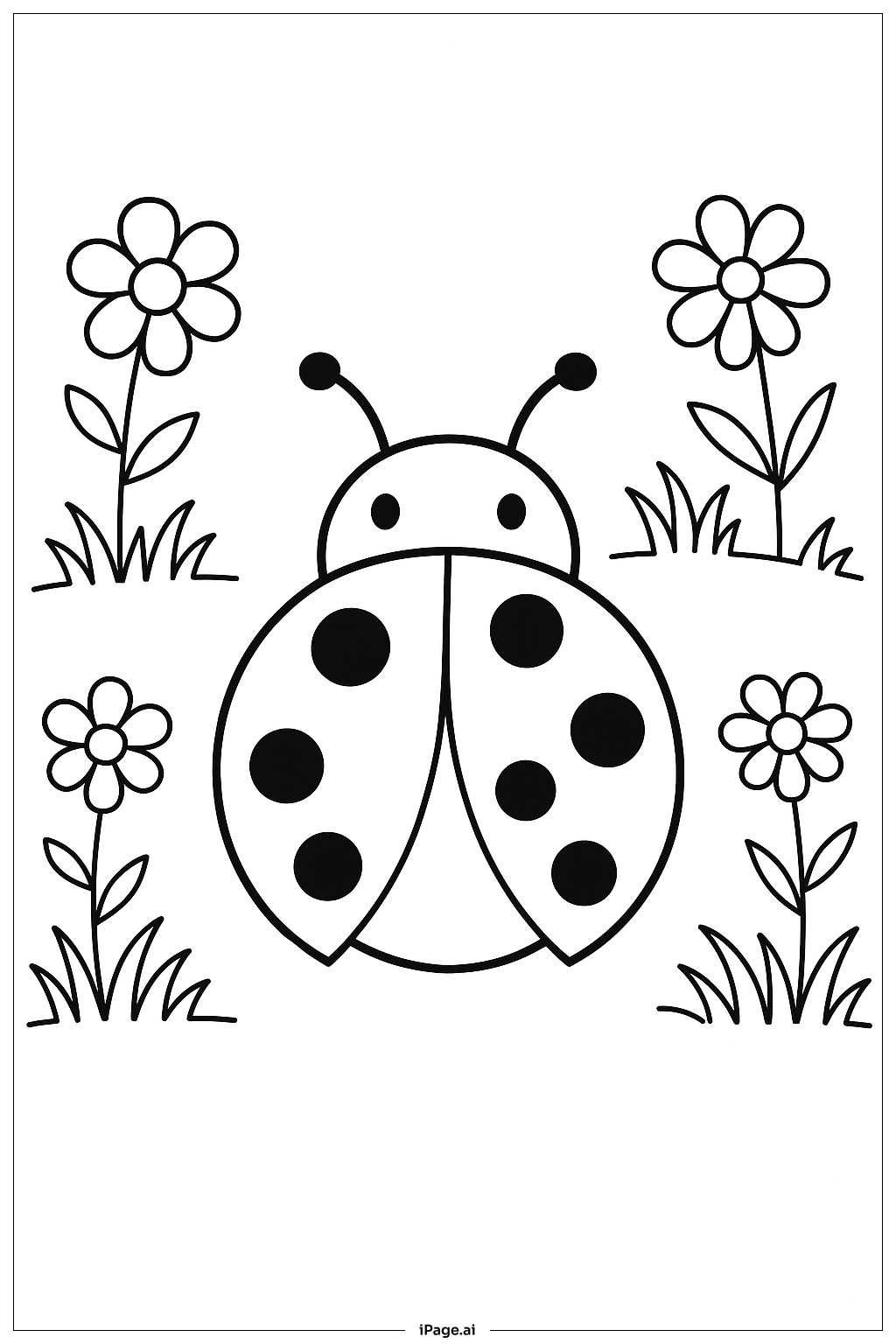
Coloring tips: How to color Ladybug With Simple Garden coloring page well?
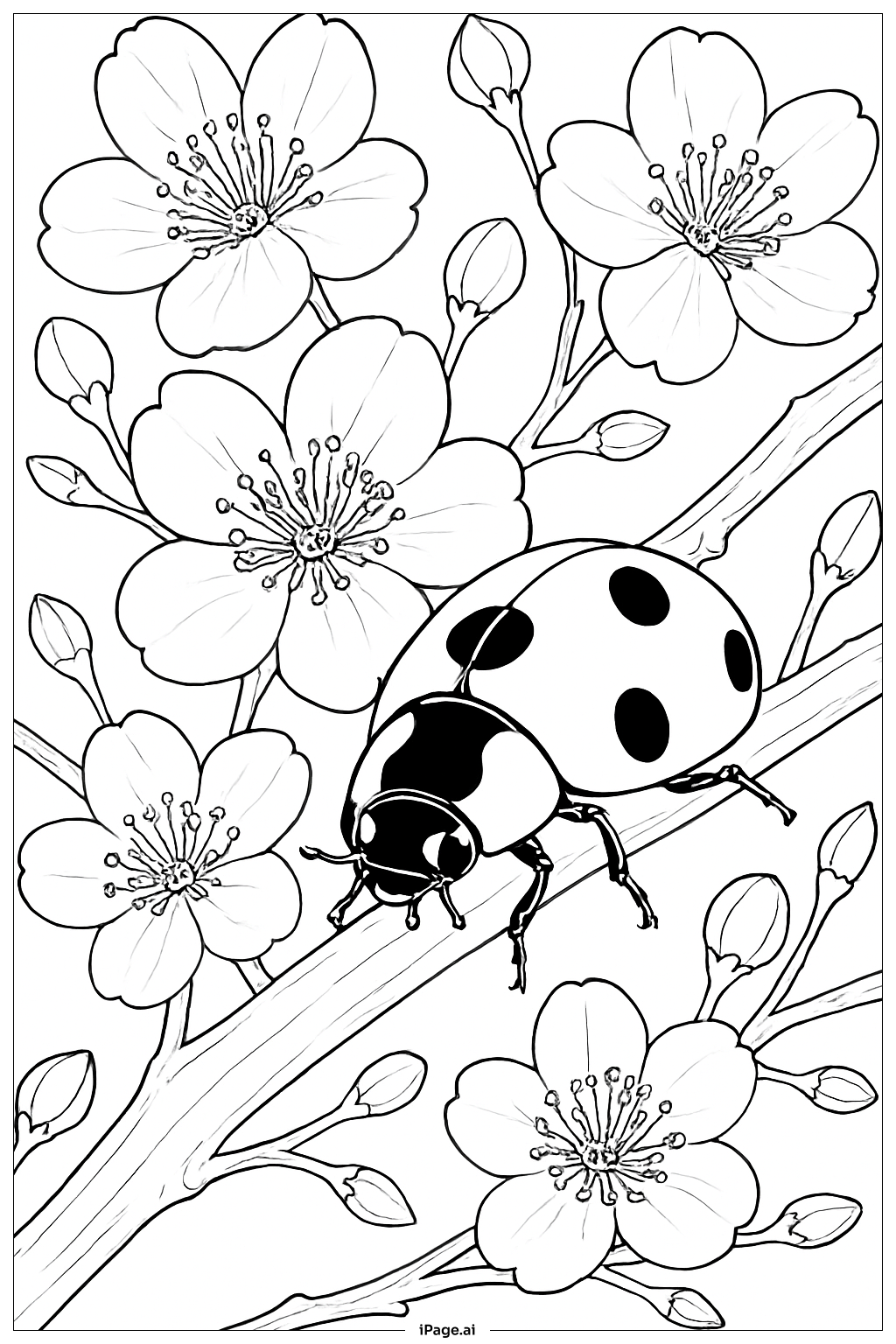
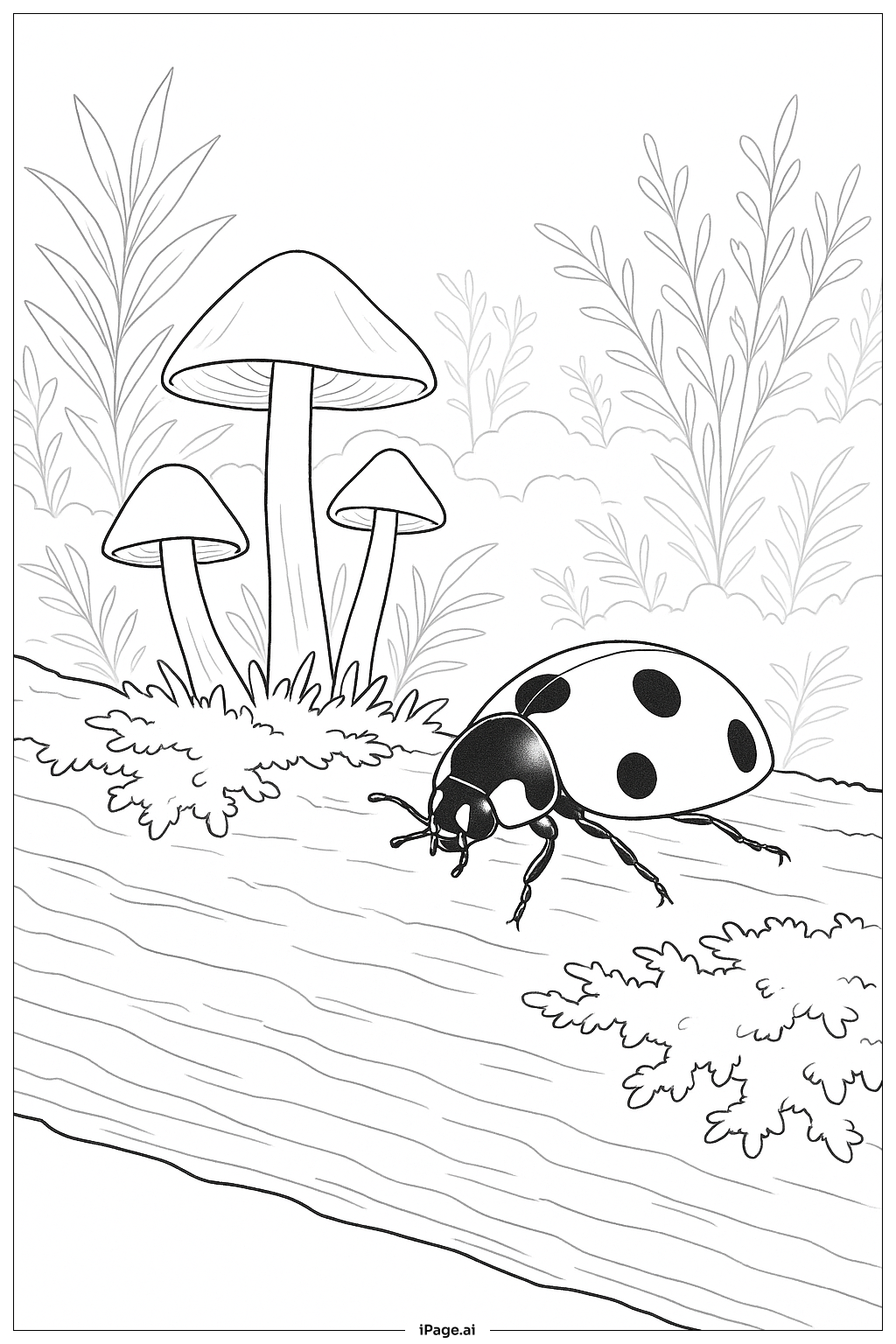
Start with the ladybug's body. Use bright red for the main shell and leave the spots white, or fill them in with solid black for a classic look. The head and legs look great in black or dark brown. For the eyes, try white with a small black pupil to make them pop.
Move on to the garden next. Use different shades of green for the leaves and grass — mixing a light green with a darker green adds depth. For the flowers, pick cheerful colors like yellow, pink, orange, or purple. You can even use more than one color per flower to make them look fun and bright.
Add a soft blue or light yellow to the background to suggest a clear sky or sunny day. Keep colors simple and bold so the ladybug stays the star of the scene. Don't worry about staying perfectly inside the lines — just enjoy the process and make it your own!
Coloring challenges: Which parts are difficult to color and need attention for Ladybug With Simple Garden coloring page?
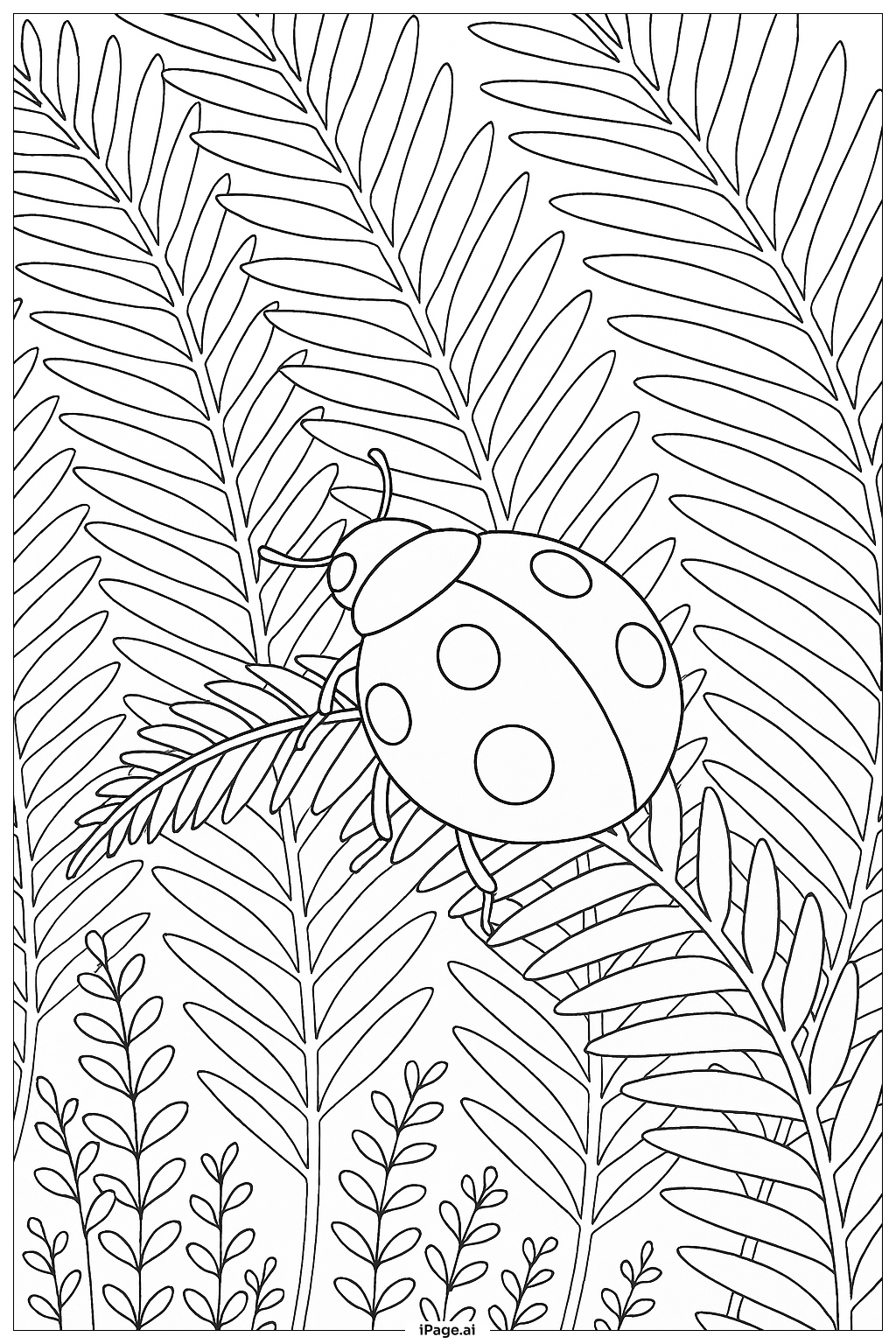
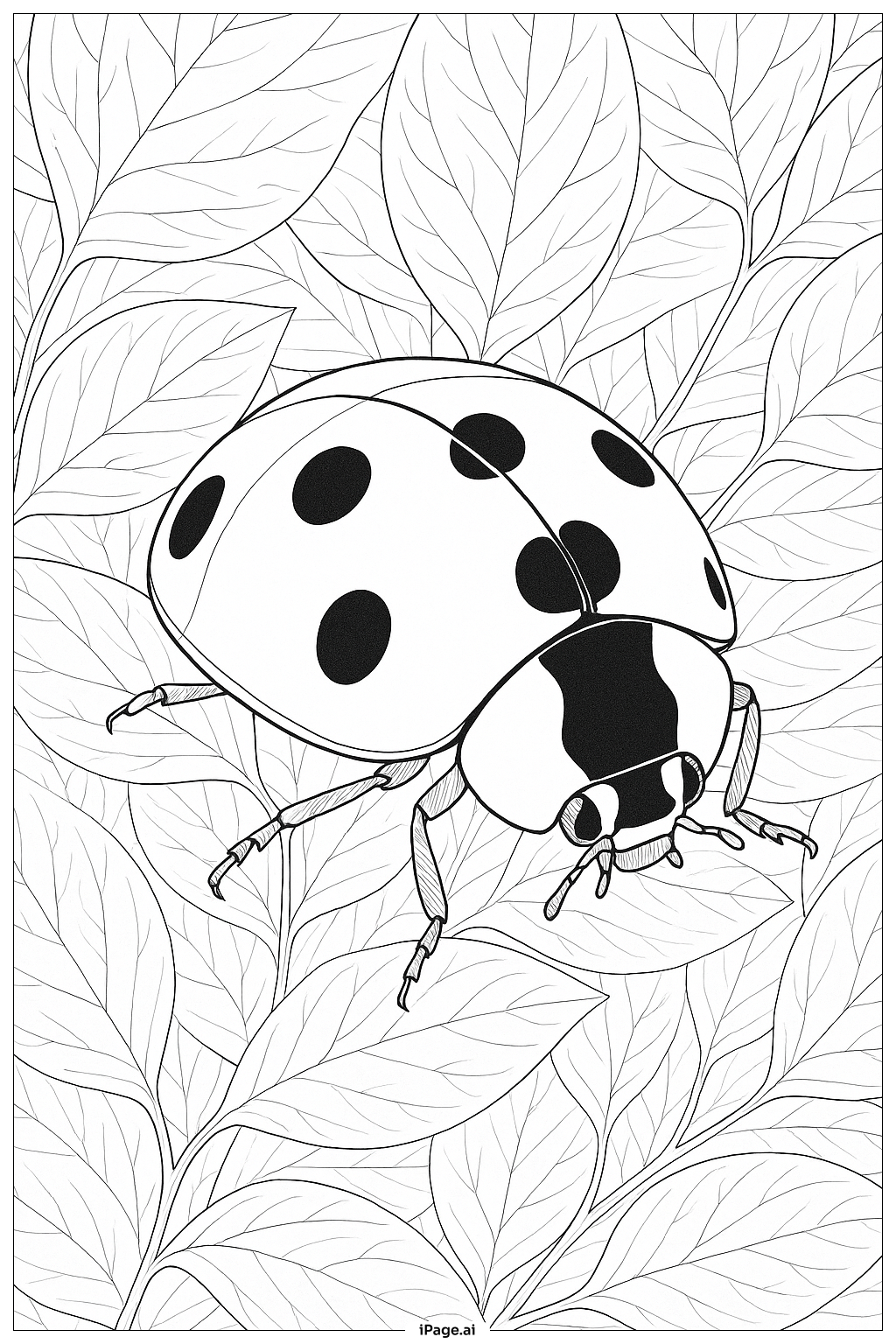
• Ladybug Spots and Body Contrast: The circular spots on the ladybug's shell need careful attention. If you color the spots black and the shell red, you must keep a clean edge between the two colors. Going too far outside the spot outlines will blur the classic ladybug pattern. Using a fine-tipped marker or a sharpened colored pencil helps a lot here.
• Small Leg and Antenna Details: The ladybug's six thin legs and curved antennae are narrow and closely spaced. Coloring inside such small, thin shapes without smudging onto the body or background takes steady hands and a pointed tool. Young colorists may find this the trickiest part of the whole page.
• Overlapping Leaves and Stems: In the garden section, leaves and stems may overlap or sit very close together. Choosing colors that are different enough from each other — for example, a light yellow-green next to a darker forest green — keeps each shape readable and prevents the garden from looking like one big green blob.
• Flower Petal Separation: Each flower is made up of several small petals grouped tightly around a center. Coloring each petal individually, rather than sweeping color across all of them at once, gives the flower a more three-dimensional and lively look. Alternating colors between petals is a fun trick that adds visual interest.
• Background Balance: The open background area can be easy to overlook, but leaving it completely blank sometimes makes the image feel unfinished. Deciding on a soft, light color — such as pale blue or light yellow — and applying it evenly without overwhelming the main subjects is a small but important challenge.
Benefits of coloring books: Advantages of drawing Ladybug With Simple Garden coloring page
Coloring this Ladybug With Simple Garden page brings a wonderful range of benefits for kids and beginners alike.
Fine motor skills get a real workout as children carefully color the ladybug's small spots, thin legs, and tiny flower petals. Guiding a pencil or marker along these shapes builds hand strength and control that also helps with writing.
Color recognition and creativity grow naturally as kids choose shades for the flowers, leaves, and ladybug body. Deciding which colors go well together encourages early thinking about art and design.
Focus and patience are quietly built during the coloring process. Sitting with a detailed scene, moving from one small area to the next, helps children practice staying on task in a relaxed and enjoyable way.
Nature awareness is another quiet bonus. The garden setting introduces kids to simple elements of the natural world — insects, flowers, leaves, and sunlight — sparking curiosity about the outdoors.
Finally, finishing the page gives a real sense of accomplishment. Seeing a complete, colorful image that they created themselves boosts confidence and pride. It is a simple, screen-free activity that is both calming and genuinely rewarding for colorists of all skill levels.