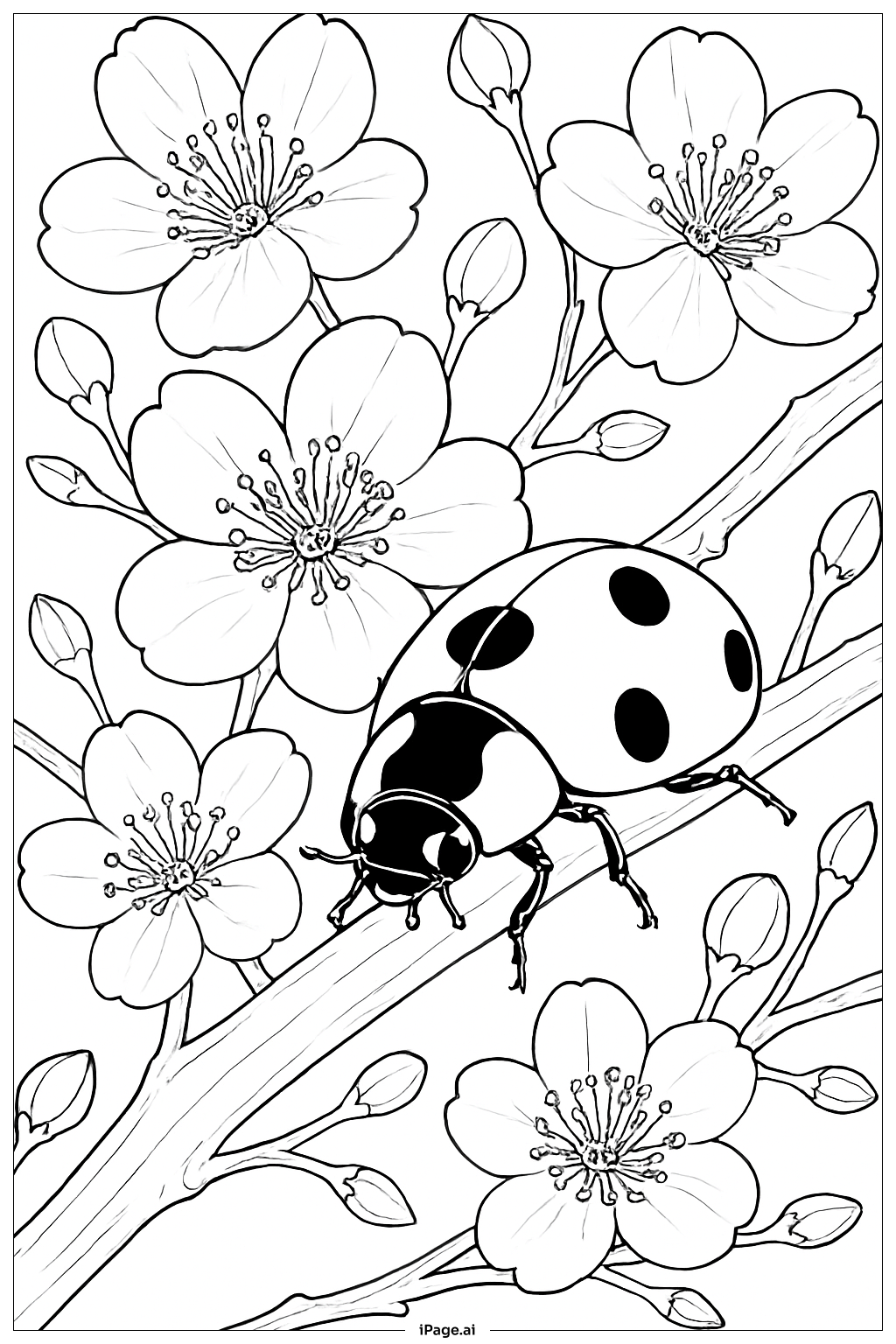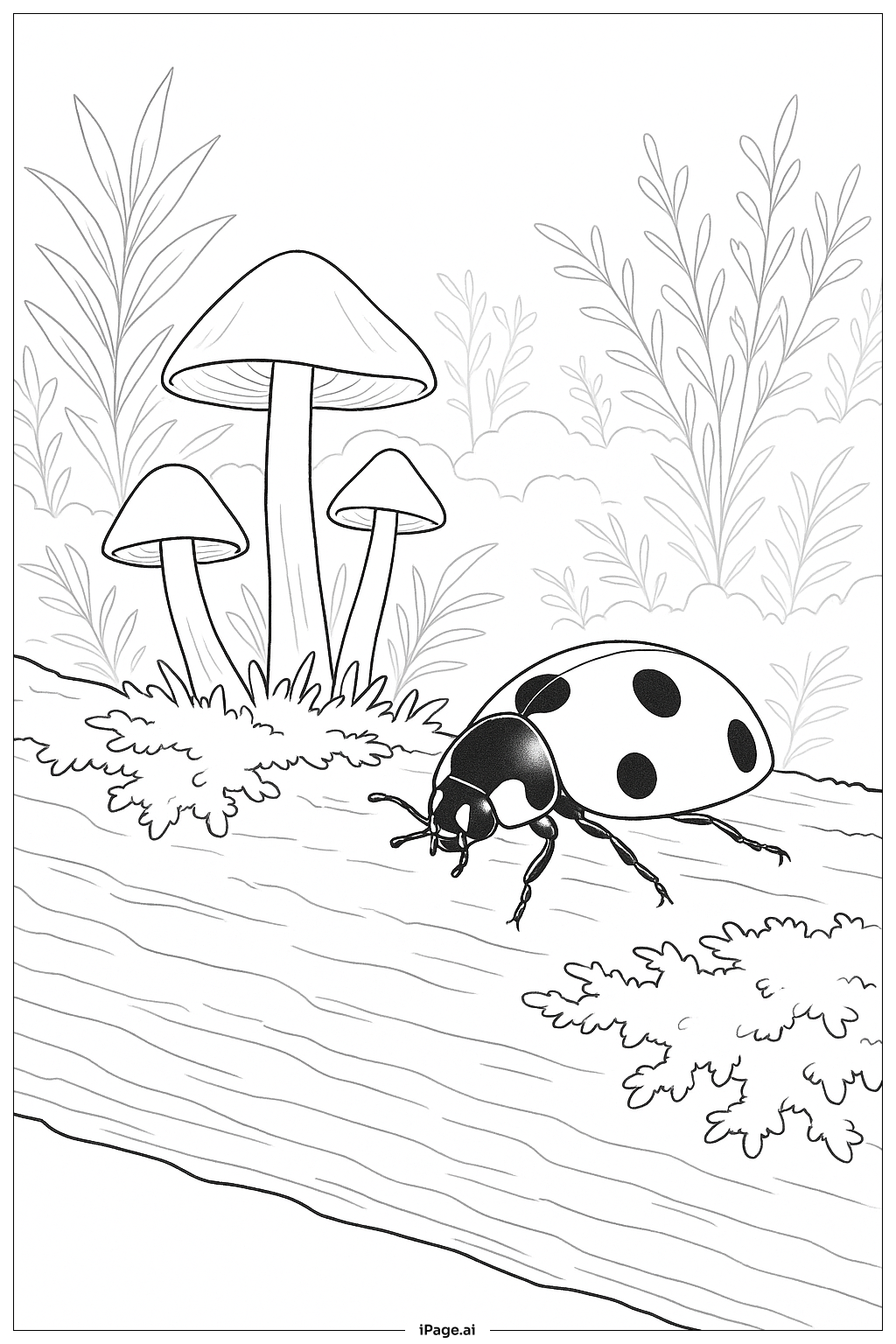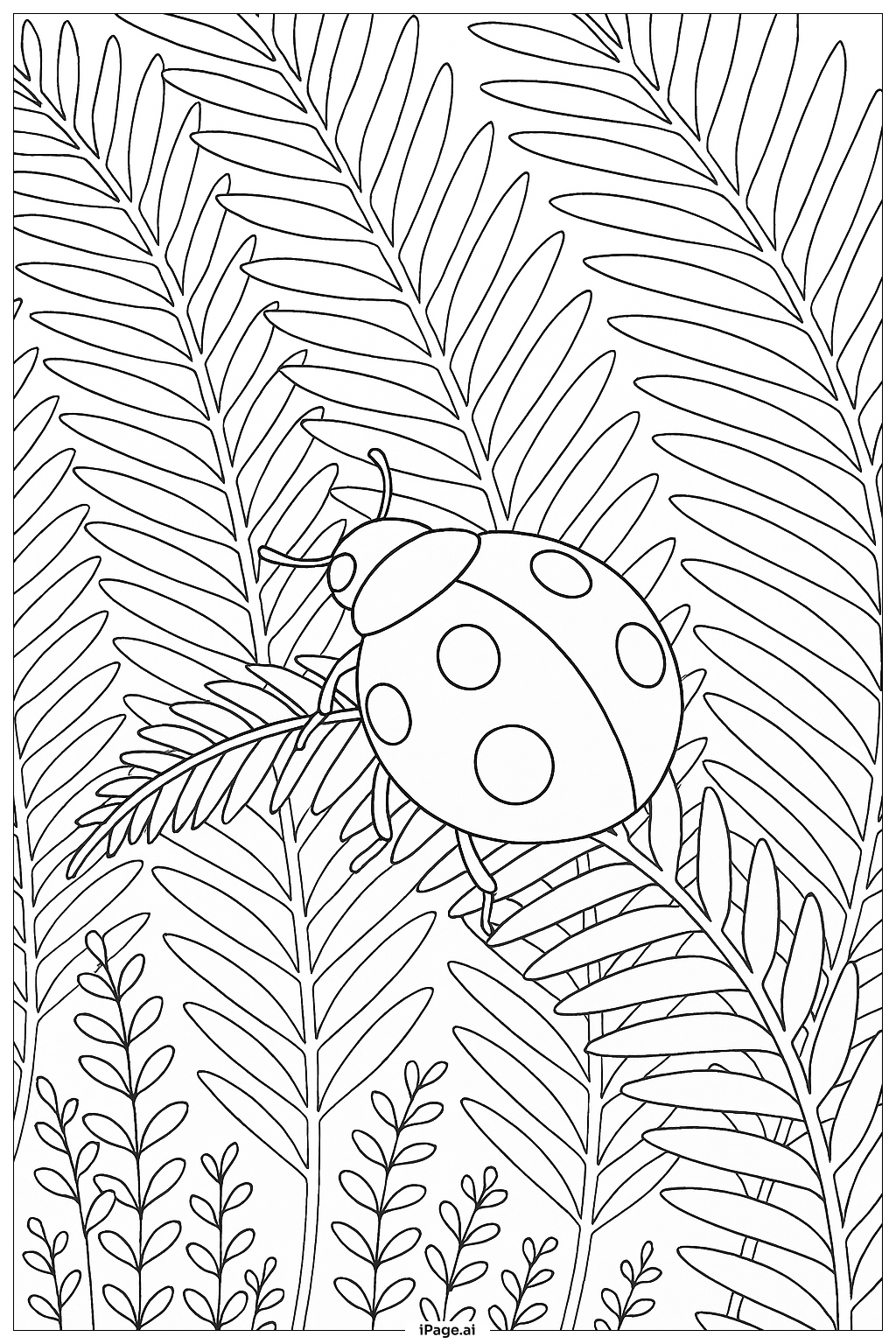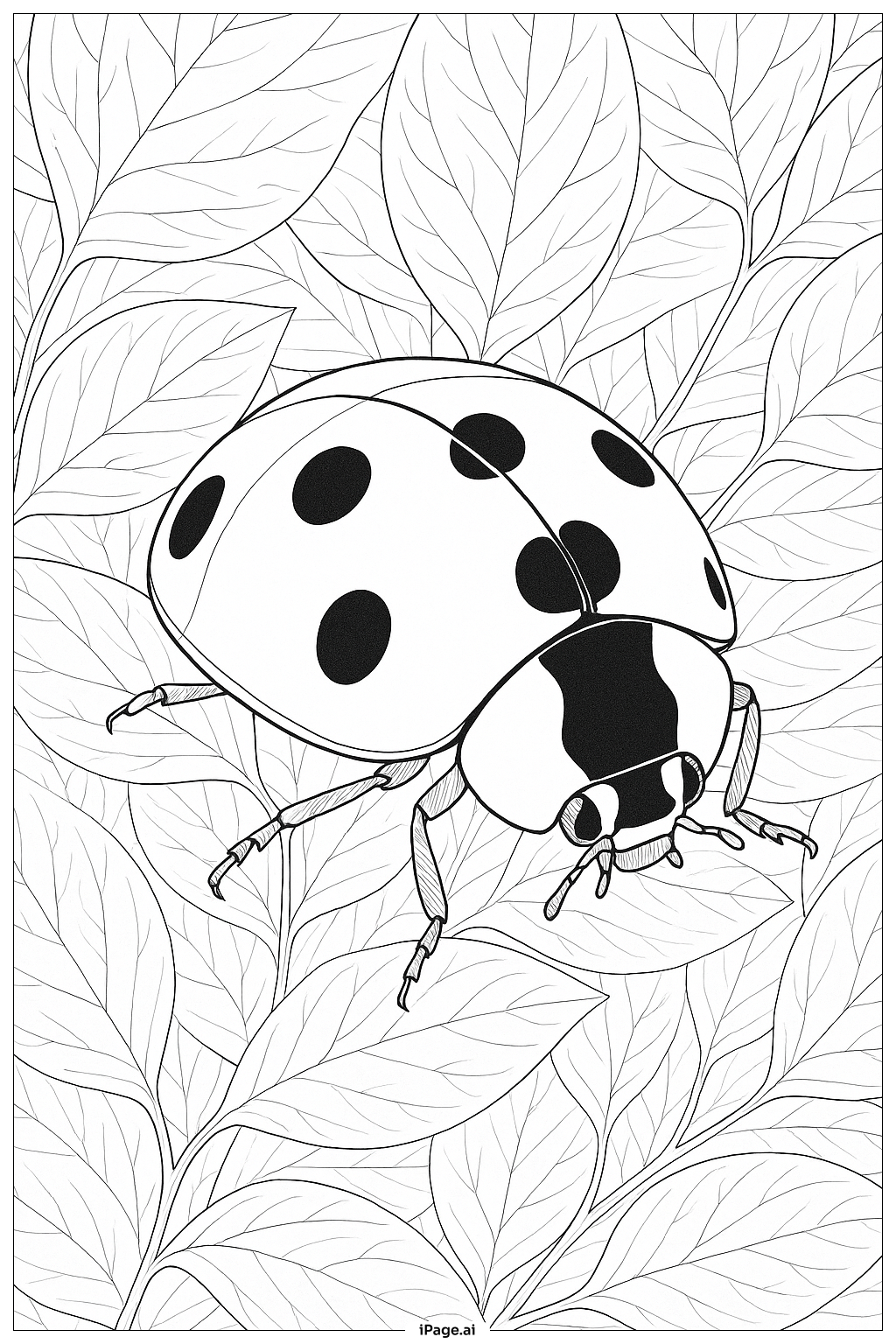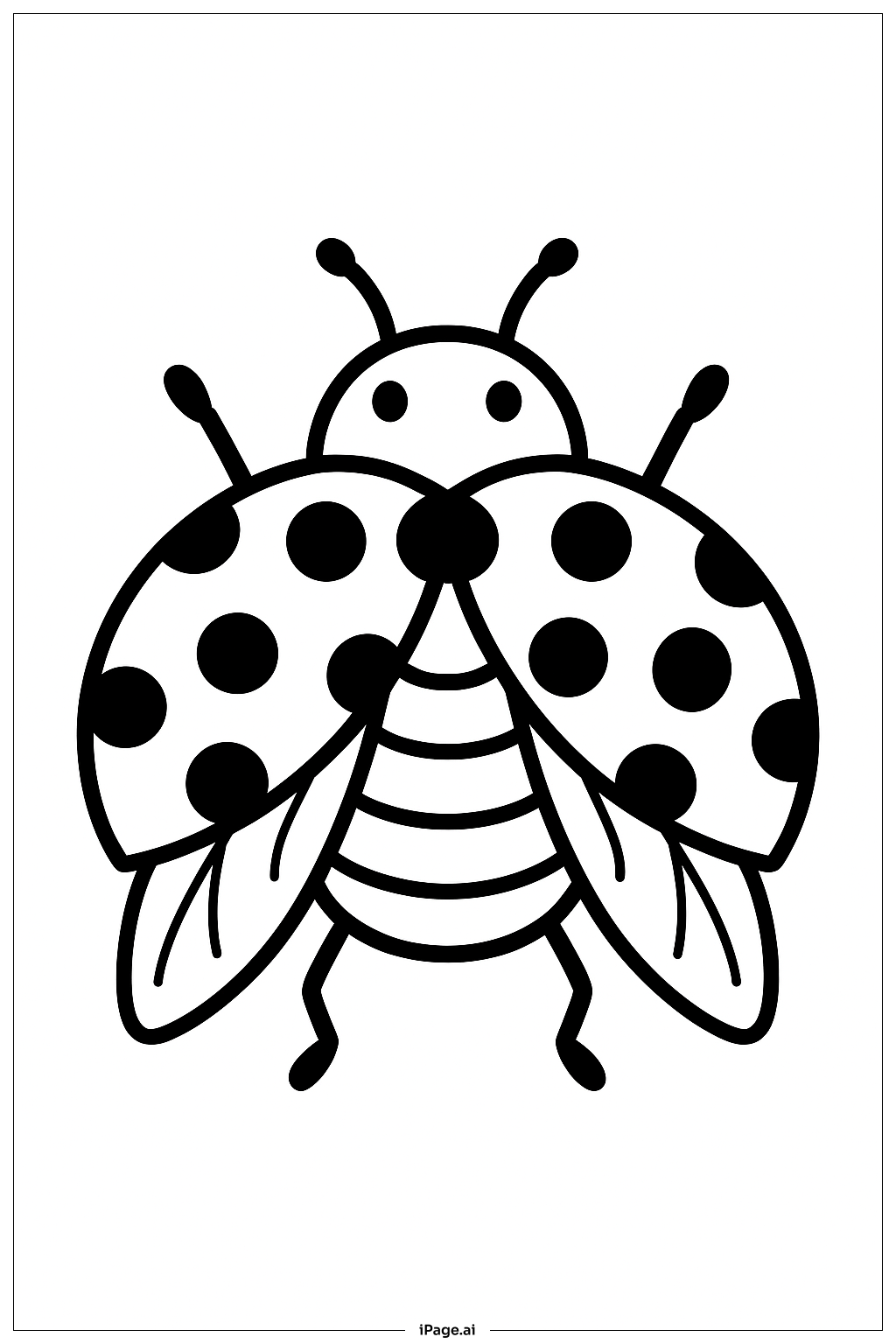
Coloring tips: How to color Ladybug With Open Wings coloring page well?
Start by coloring the hard wing covers (elytra) a bright red or orange-red. Leave the spots white or color them black — classic ladybug style! You can also try purple, yellow, or blue wings to create your own fantasy ladybug. Color the inner flight wings a soft translucent look using light gray, pale blue, or even a light pink. Use black for the head, the dividing line down the center of the body, and the leg outlines. The antennae can be black or dark brown with tiny colored tips. For the eyes, try white with a dark pupil and a small white highlight dot to make them look shiny and alive. Use darker shades of your main wing color along the edges to give the body a rounded, three-dimensional look. Keep the background simple — a light sky blue or soft green works beautifully to make the ladybug pop off the page.
Coloring challenges: Which parts are difficult to color and need attention for Ladybug With Open Wings coloring page?
• Spot Placement and Symmetry: The circular spots on both wing covers need to look balanced and even on both sides. If one side has darker or larger spots than the other, the image can look uneven. Take your time and try to match the color pressure and size on each wing cover carefully.
• Wing Texture Contrast: The hard outer wing covers and the soft inner flight wings have very different textures. Showing that difference through color is tricky. The outer wings should look solid and shiny, while the inner wings need a lighter, more delicate, almost see-through look. Blending colors gradually or leaving subtle white space can help create this contrast.
• Small Leg Details: The six segmented legs are thin and closely spaced near the body. Coloring each leg segment neatly without going outside the lines takes a steady hand and a fine-tipped tool. Younger colorists may find this part especially challenging and may want to use a thin marker or a sharpened colored pencil.
• Head and Antennae Precision: The head is small and rounded, with detailed eyes and two slender antennae. Adding highlights to the eyes and keeping the antennae lines clean requires careful control. Using a very fine point for these small areas will give the best result.
• Achieving a 3D Rounded Effect: The ladybug's body is dome-shaped, not flat. To make it look round and realistic, colorists need to add shading — using a darker tone near the edges and a lighter tone in the center. This shading technique can be difficult for beginners but adds a lot of life and depth to the finished image.
Benefits of coloring books: Advantages of drawing Ladybug With Open Wings coloring page
Coloring this Ladybug With Open Wings page brings a wonderful range of benefits for kids and beginners alike. First, it builds fine motor skills. Carefully filling in the spots, legs, and antennae strengthens hand muscles and improves pencil control — skills that directly support handwriting and everyday tasks. Second, it encourages creativity. Kids can choose realistic colors or invent a brand-new fantasy ladybug, boosting imaginative thinking and personal expression. Third, it teaches focus and patience. Staying inside the lines and matching colors on both wings helps children practice concentration and attention to detail in a fun, low-pressure way. Fourth, it introduces basic art concepts. Learning to use light and dark shades to make the body look round gives children an early understanding of shading and color contrast. Fifth, it sparks curiosity about nature. A ladybug with open wings is a fascinating real-life moment, and coloring it can inspire kids to learn more about insects, flight, and the natural world. Finally, the whole process is simply relaxing and enjoyable, giving children a satisfying sense of accomplishment when they finish their colorful creation.