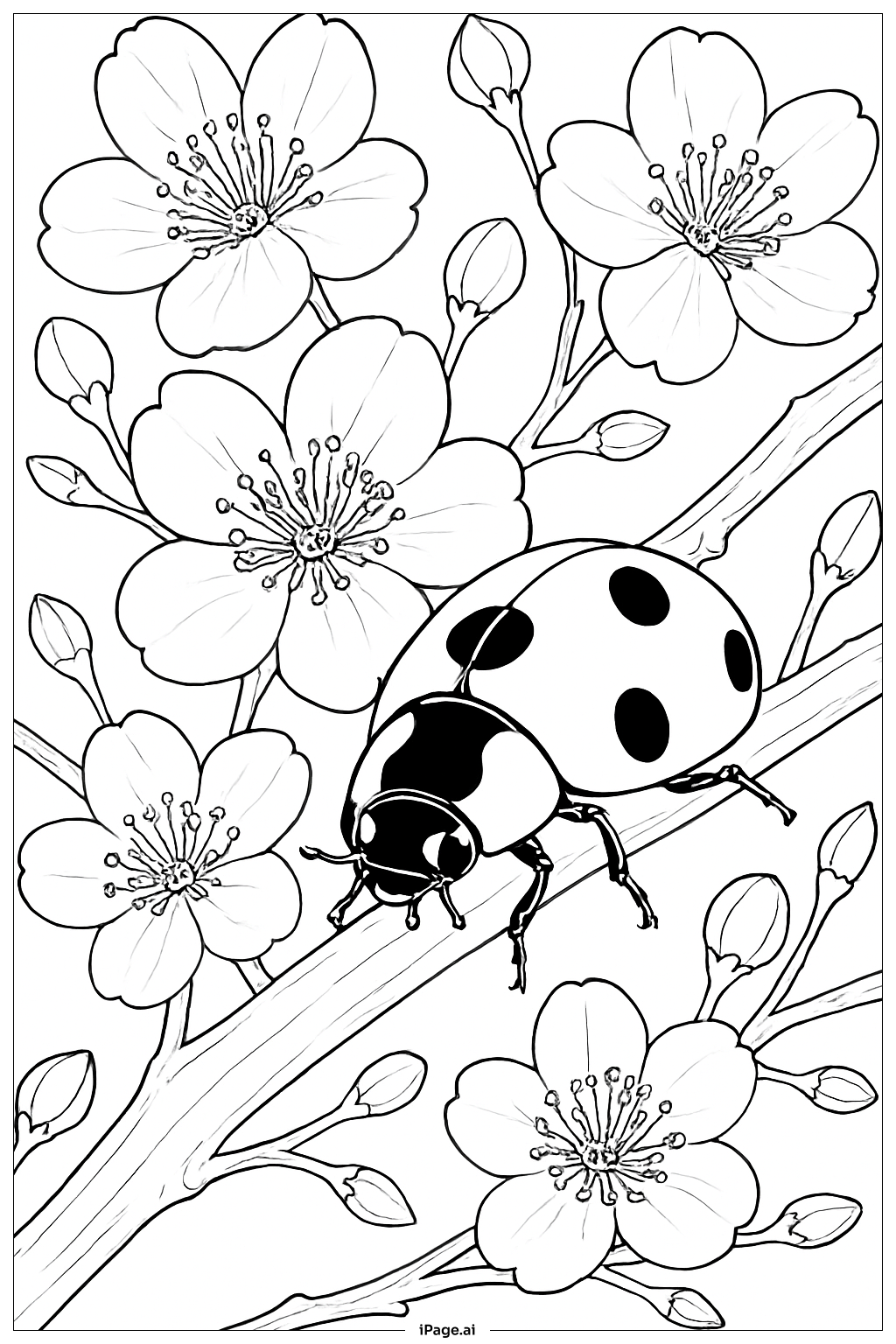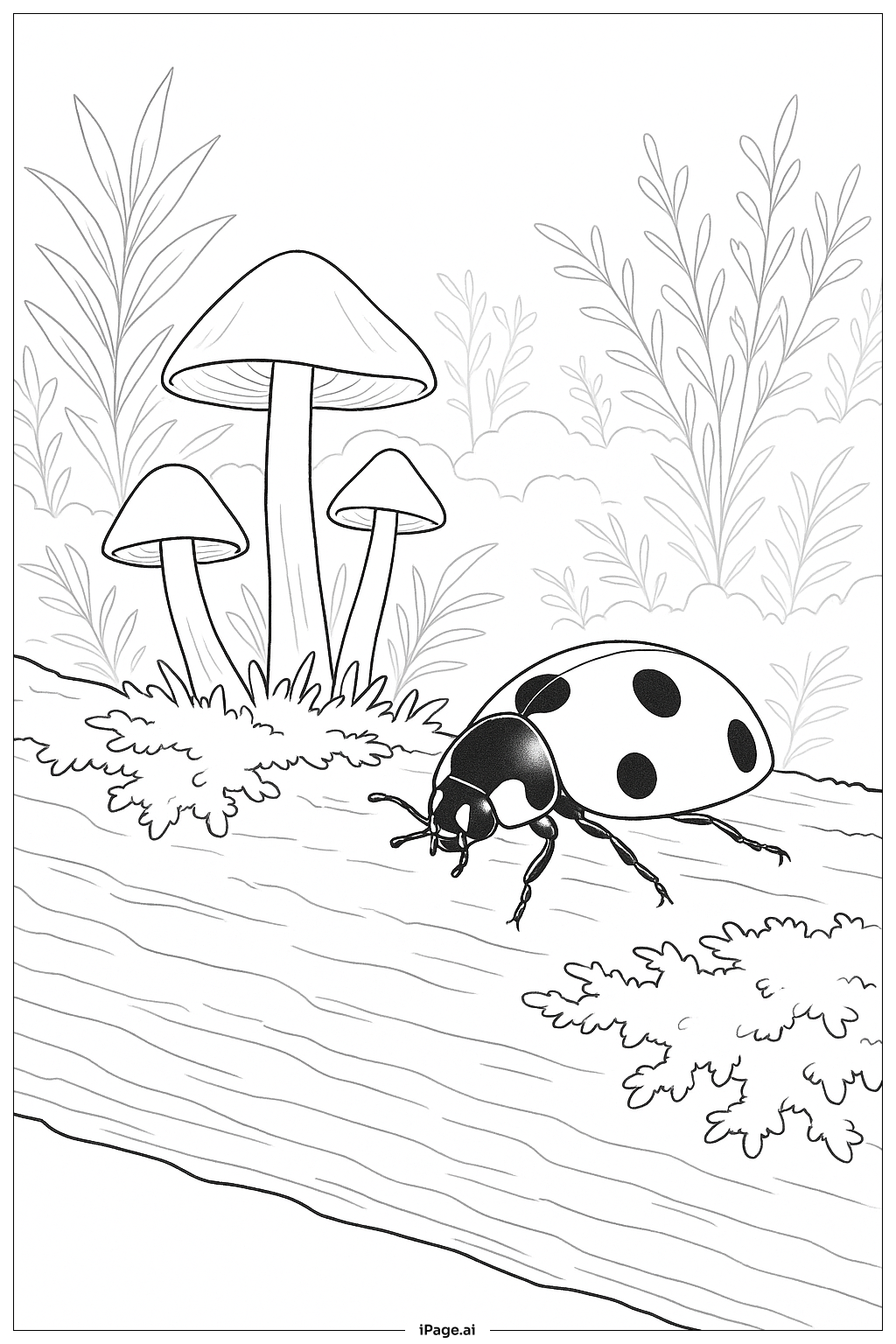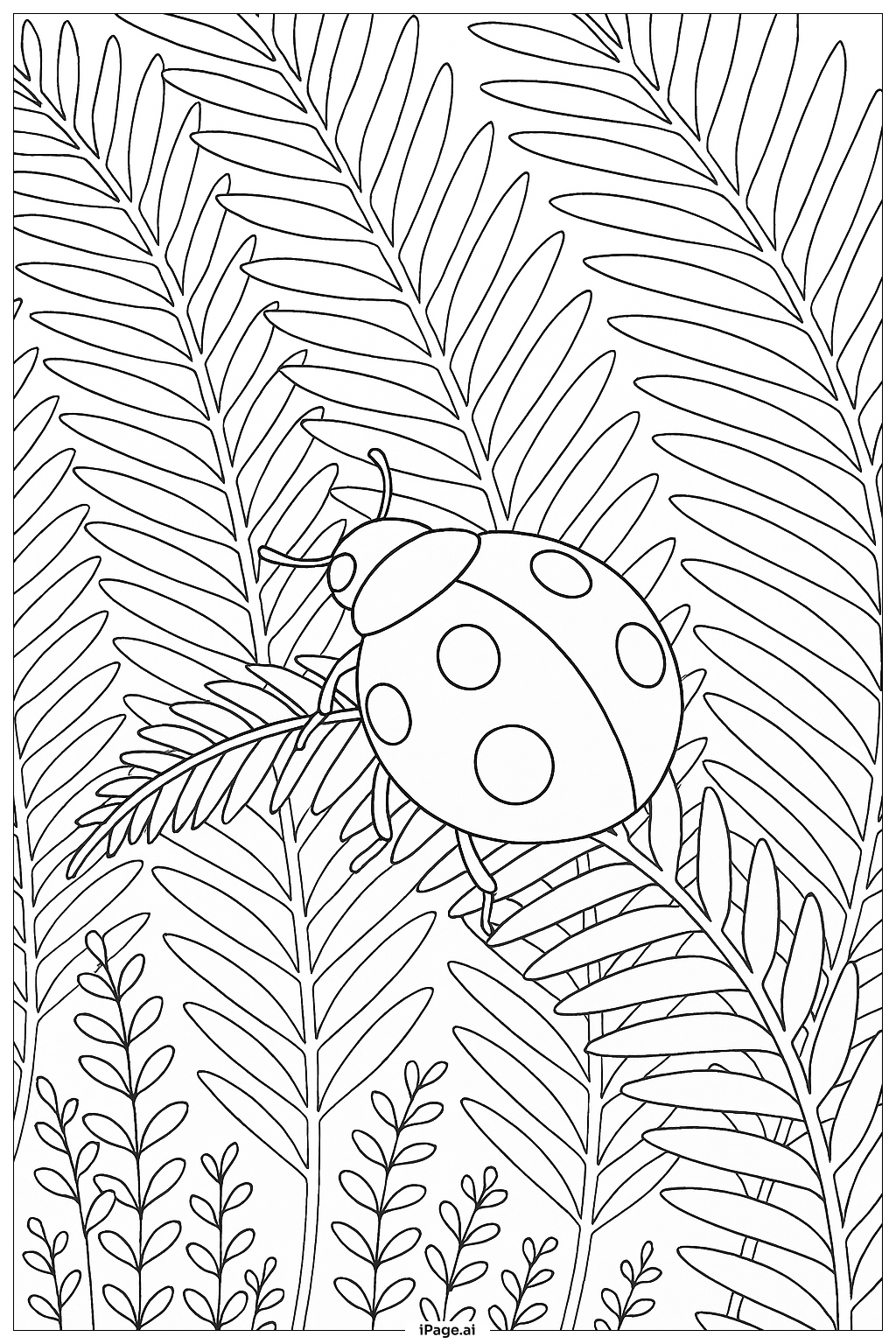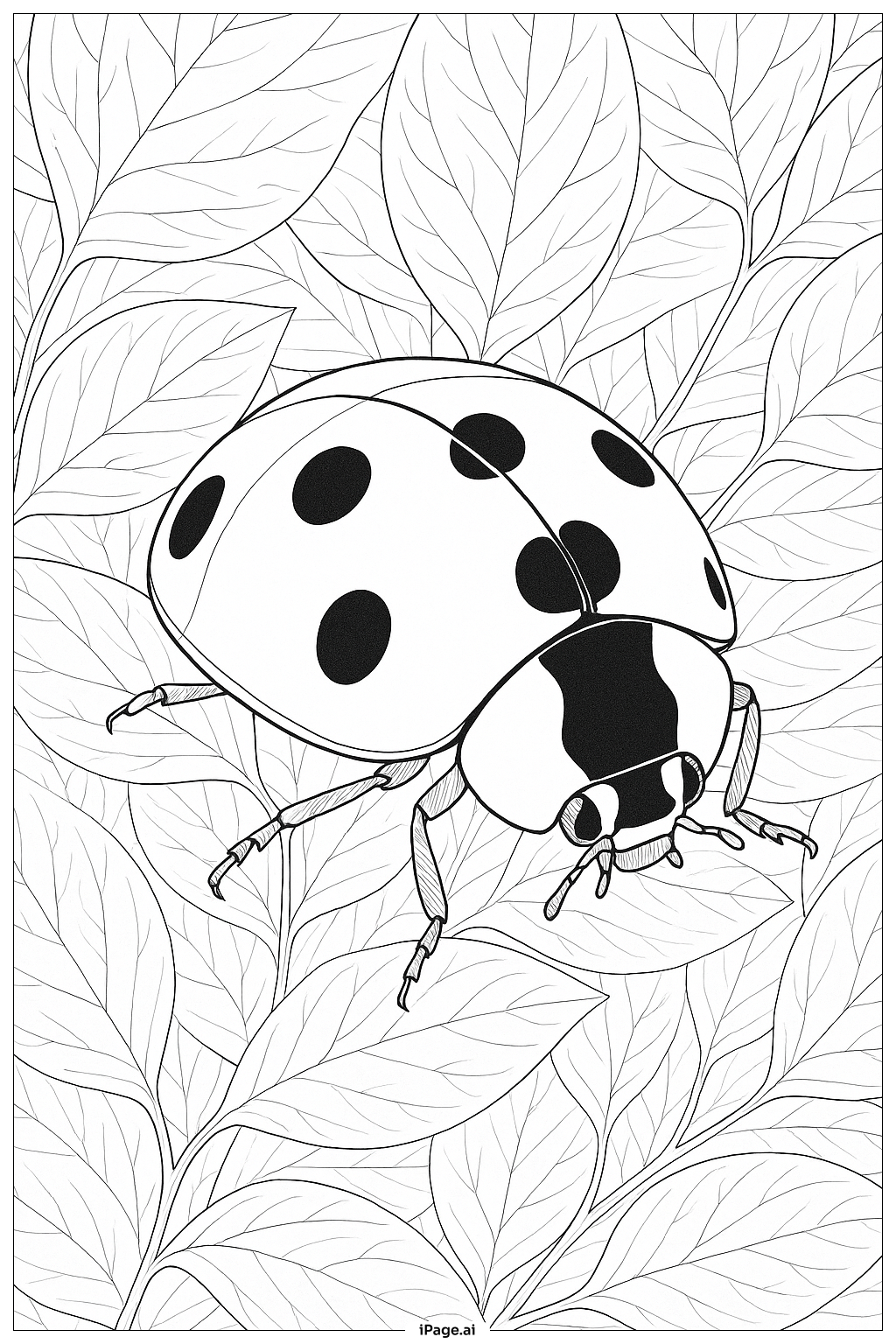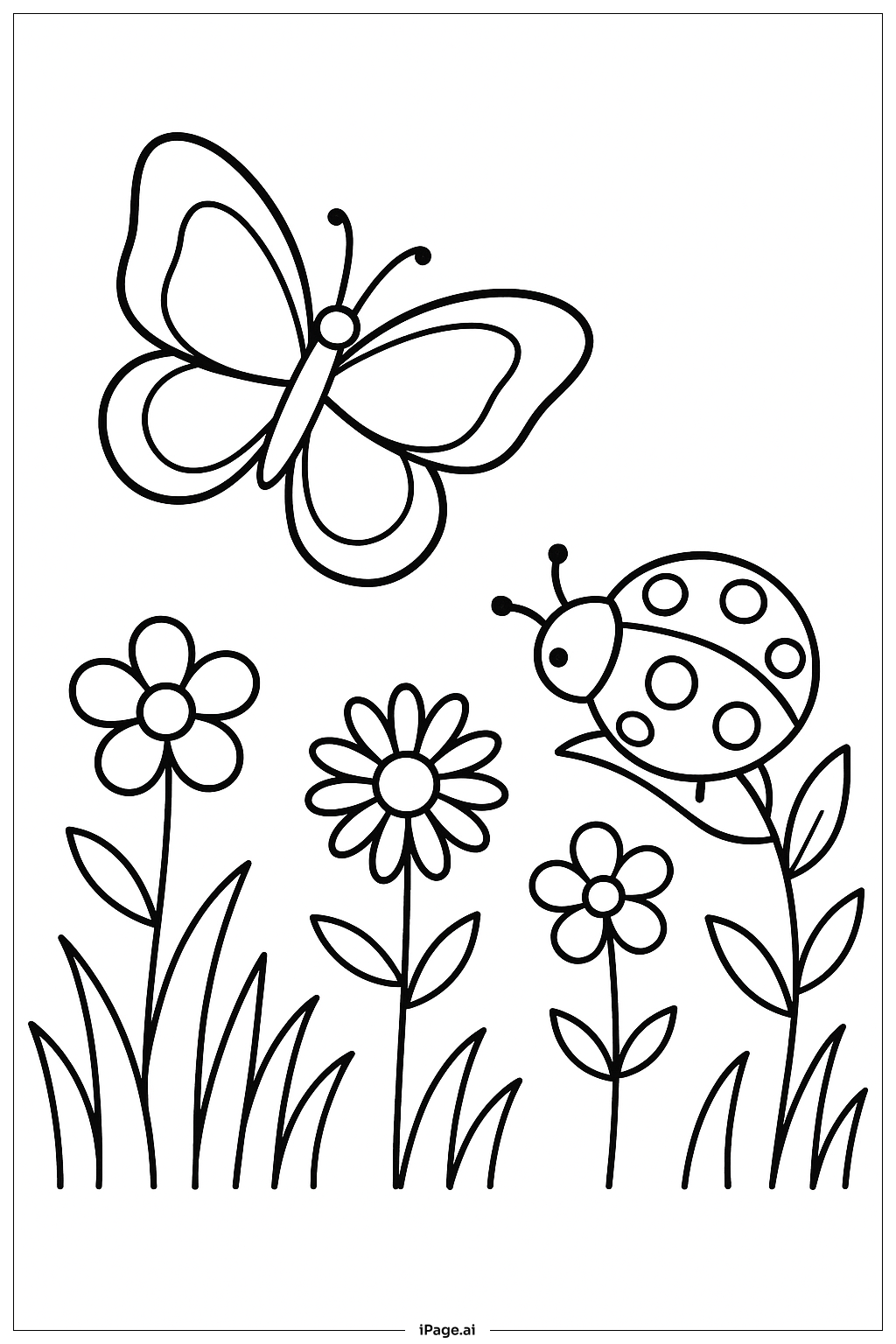
Coloring tips: How to color Ladybug With Butterfly Friend coloring page well?
Start with the ladybug's shell. Use a bright red for the main body and fill in the spots with solid black. Leave the ladybug's head and legs black as well to keep it looking natural. For the butterfly, try soft pastel shades like lavender, light orange, or sky blue on the wings. Use a slightly darker version of each color along the wing edges to add depth. Add yellow or white highlights near the center of the wings to make them look luminous. Color the flowers in warm tones like pink, yellow, or peach, and use different shades of green for the leaves to create variety. A light blue or soft green background can help the characters stand out. Encourage kids to mix colors freely and make the scene their own. There are no wrong choices here, so have fun with it!
Coloring challenges: Which parts are difficult to color and need attention for Ladybug With Butterfly Friend coloring page?
• Ladybug Spots: The small, evenly spaced spots on the ladybug's shell can be tricky to fill in neatly. Using the tip of a fine marker or a sharpened colored pencil works best. Try to stay inside the circular outlines without smudging the surrounding red area. Take your time with each spot for a clean finish.
• Butterfly Wing Patterns: The butterfly's wings contain fine lines, curves, and small decorative shapes. These details require a steady hand and a thin coloring tool. Switching between multiple colors within a single wing can be challenging, so plan your color zones before you begin. Let each section dry before moving to the next if using markers.
• Small Body Parts: The ladybug's thin legs and antennae, as well as the butterfly's slender body and antennae, are narrow and easy to color outside of. Use a very fine-tipped pen or pencil to stay within these small shapes. Working slowly and applying light pressure helps avoid going over the lines.
• Flower and Leaf Details: The background flowers and leaves have overlapping petals and layered shapes that can be hard to separate visually. Choosing clearly contrasting colors for neighboring petals and leaves will help each element stand out. Using lighter and darker shades of the same color within one flower adds a realistic touch.
• Overall Color Balance: With two main characters and a detailed background, keeping the whole image visually balanced can be a challenge. Avoid using too many bright colors in one area. Spread warm and cool tones evenly across the page so no single section feels too heavy or too flat.
Benefits of coloring books: Advantages of drawing Ladybug With Butterfly Friend coloring page
Coloring this Ladybug With Butterfly Friend page offers a wonderful mix of fun and learning for kids of all ages. Working on the ladybug's spots and the butterfly's wing patterns helps children build fine motor skills and improve hand control. These are skills that directly support handwriting and other everyday tasks.
Choosing colors for the flowers, leaves, and insects encourages creative thinking. Kids learn to experiment with color combinations and develop their own sense of style and artistic expression. This kind of open-ended activity builds confidence and independence.
The calming, nature-inspired scene also makes it a great tool for relaxation. Focusing on coloring helps children slow down, reduce stress, and practice mindfulness in a natural, playful way. It gives them a quiet activity that still feels engaging and rewarding.
For younger children, this page introduces basic concepts like symmetry through the butterfly's wings and pattern recognition through the ladybug's spots. For older kids, it offers a chance to practice shading and color blending techniques.
Completing the page gives children a real sense of achievement. Displaying their finished artwork builds pride and motivates them to keep creating. Overall, this coloring page is a joyful, educational, and soothing experience wrapped up in one delightful image.