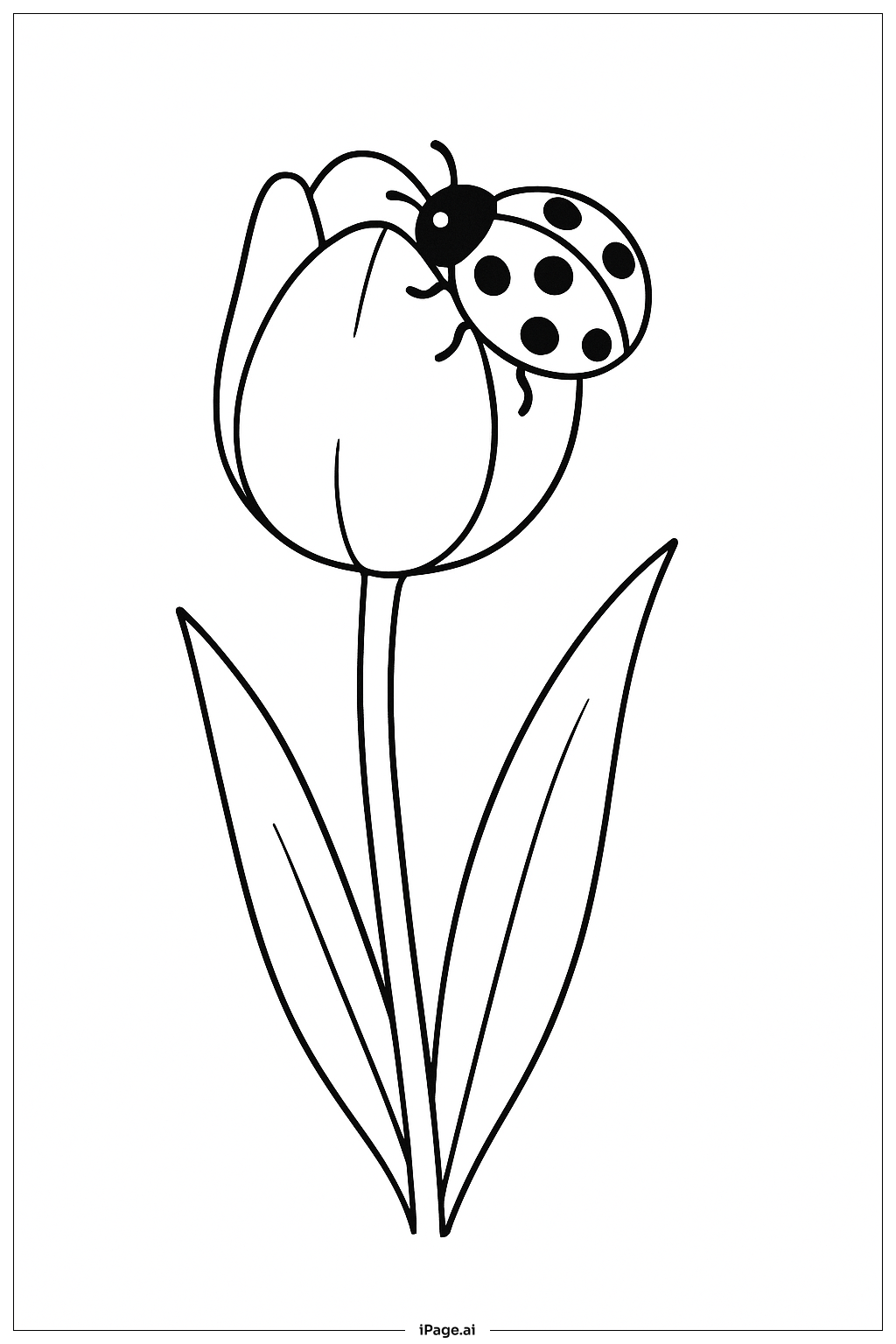
Coloring tips: How to color Ladybug On A Tulip coloring page well?
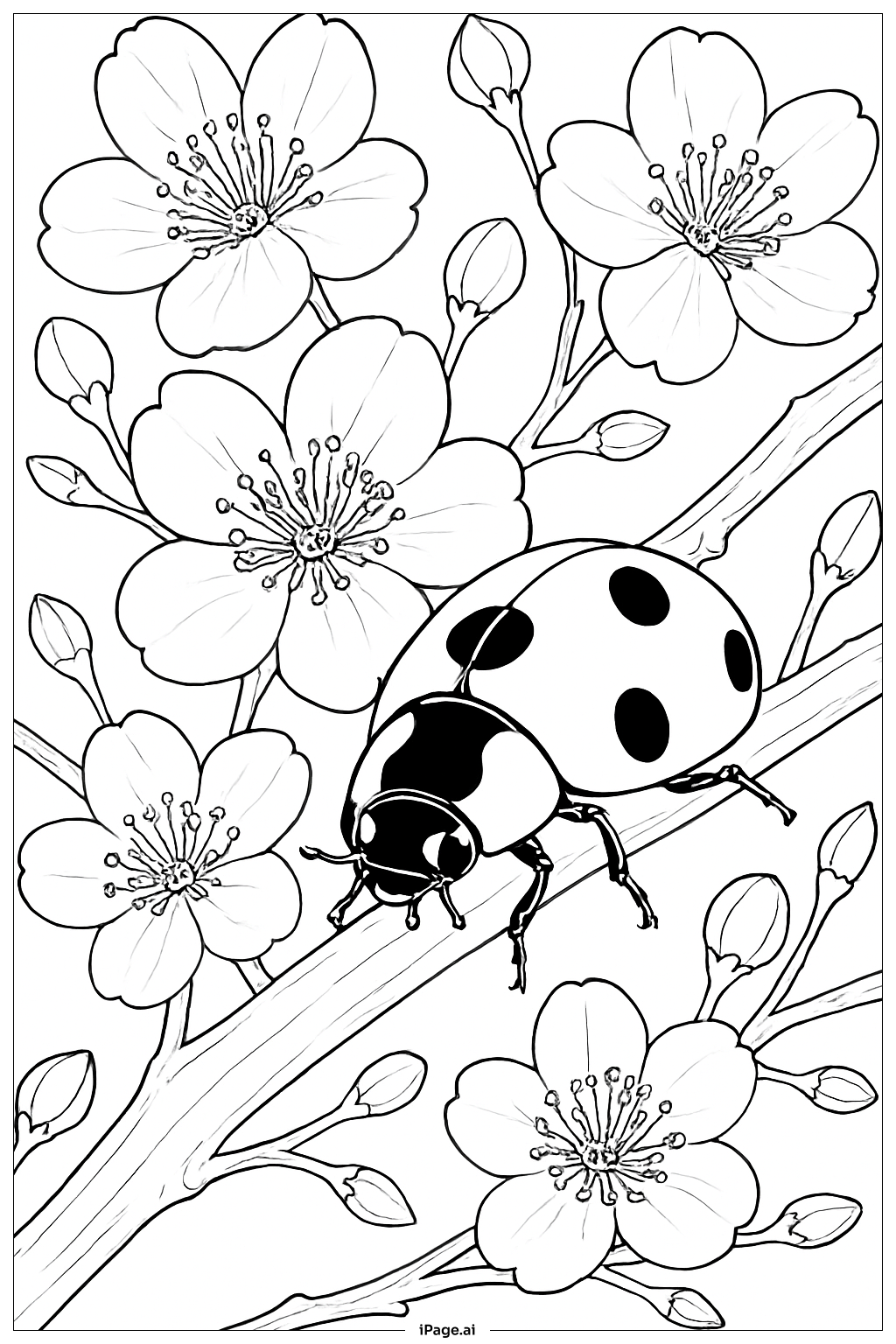
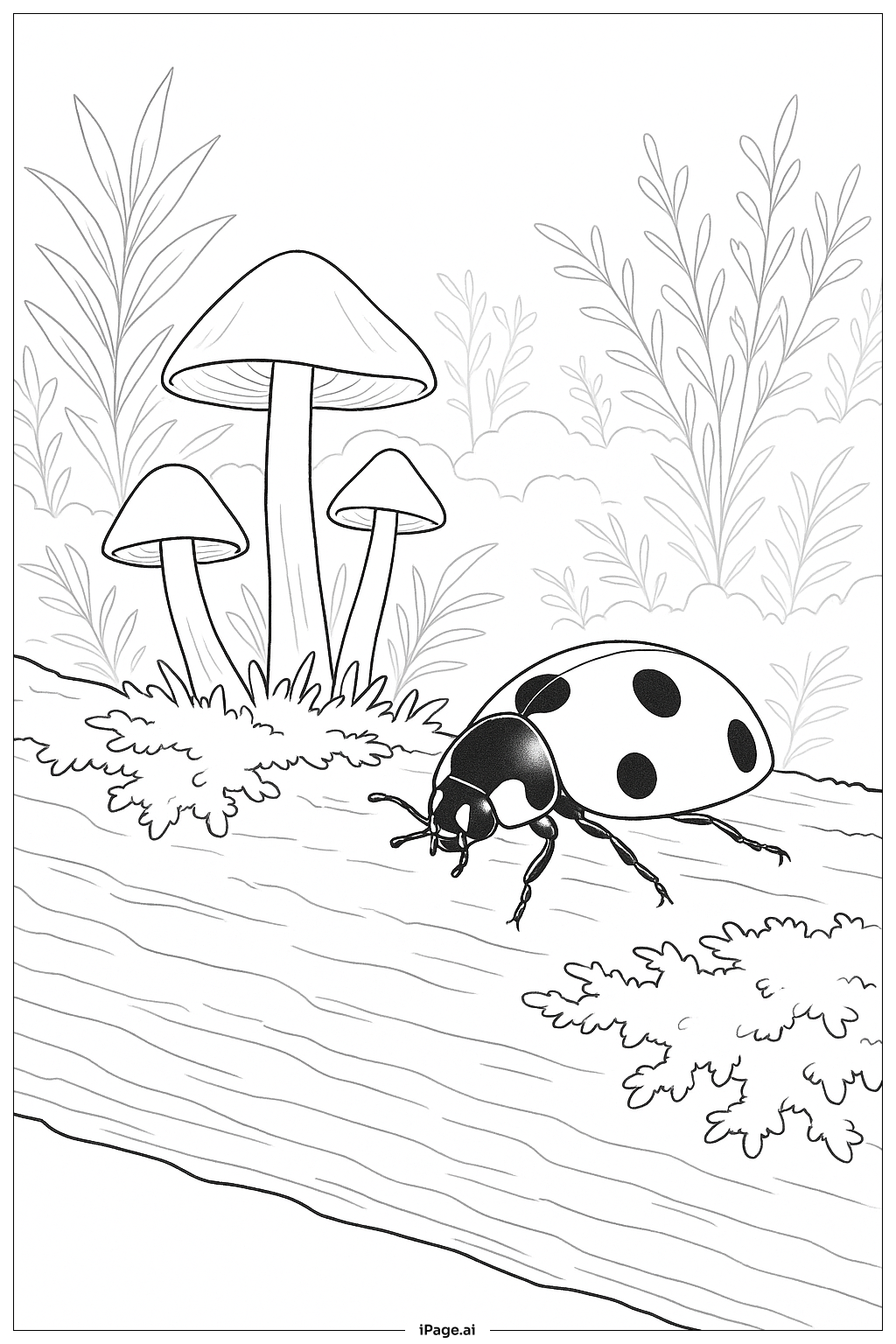
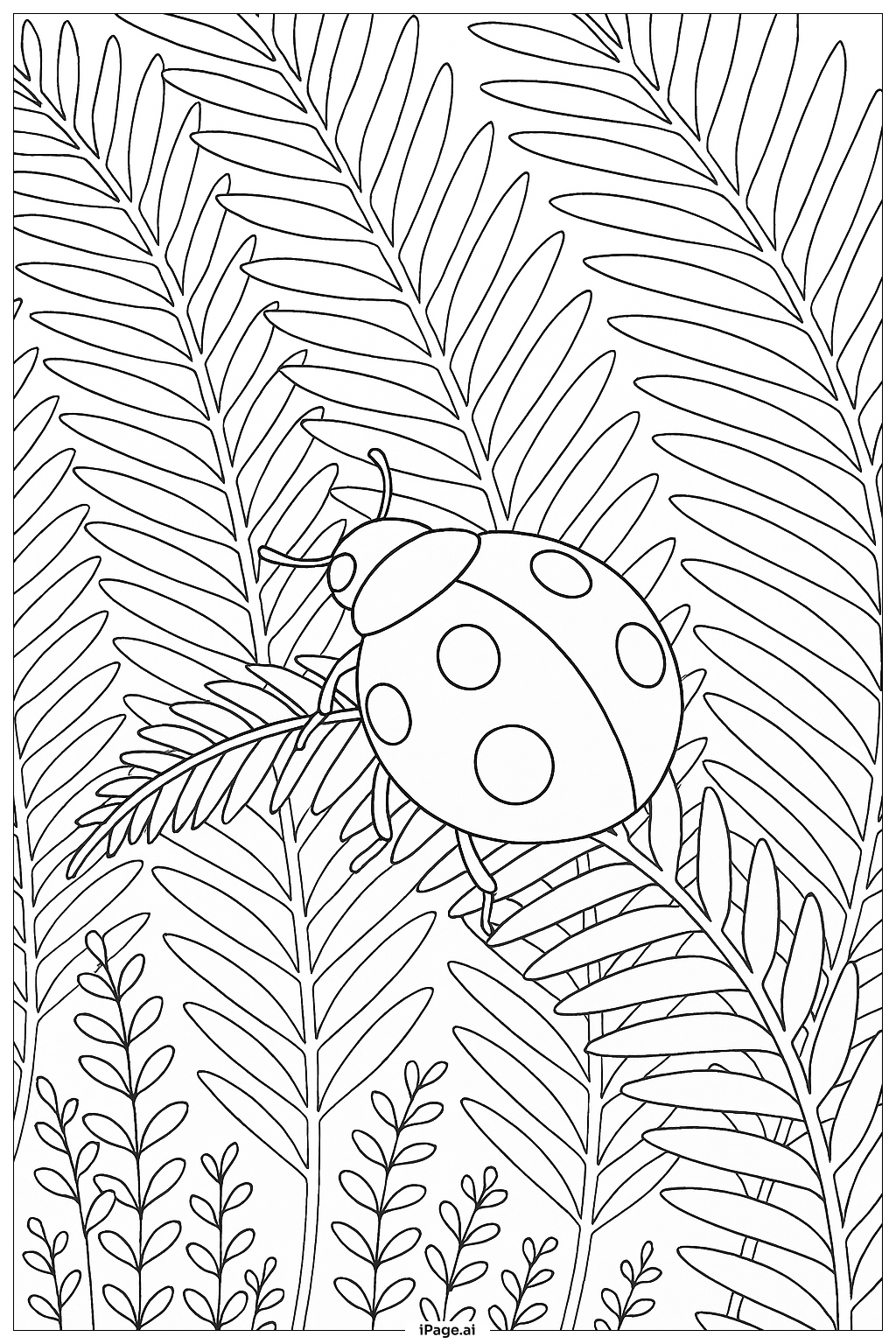
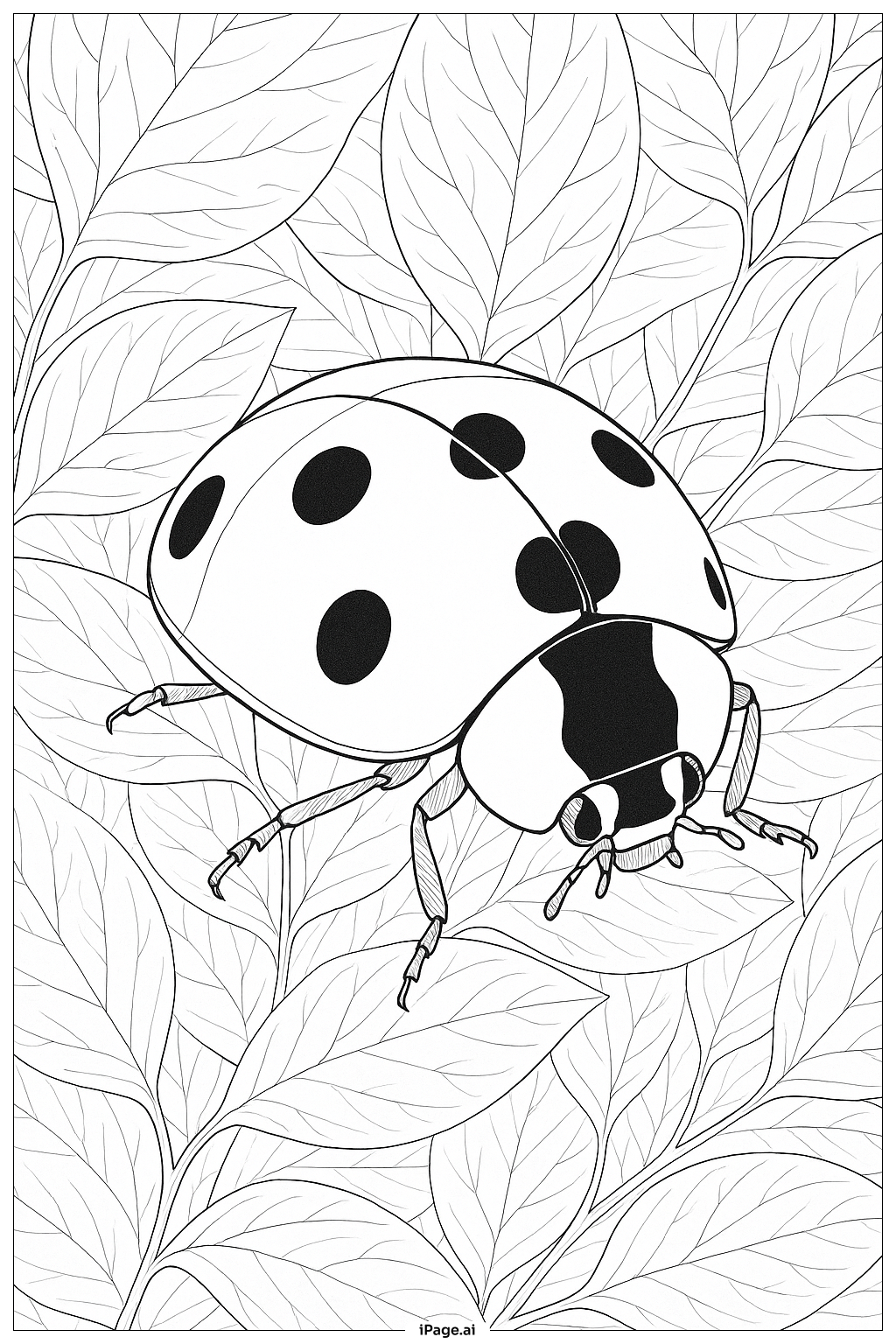
You can start by coloring the tulip petals in bright red, pink, yellow, or purple to make it look lively. For the leaves and stem, shades of green are a great choice. The ladybug’s body can be colored in classic red with black spots. Use black for its head and legs. You might also try shading to add depth and make the flower and ladybug look more real. Remember to color within the lines carefully for a neat look.
Coloring challenges: Which parts are difficult to color and need attention for Ladybug On A Tulip coloring page?
1. Staying inside the small parts of the ladybug spots and legs can be tricky due to their size. 2. Coloring the narrow stem without going outside its lines requires good control. 3. Shading the tulip petals evenly while keeping the colors bright may be challenging. 4. Balancing colors between the flower and the ladybug to keep the image looking natural can be hard. 5. Details like the ladybug's antennae need careful attention to avoid smudging.
Benefits of coloring books: Advantages of drawing Ladybug On A Tulip coloring page
Coloring this picture helps improve fine motor skills as children work on small details like the ladybug’s spots and the tulip petals. It encourages creativity through color choices and patterns. It also teaches children to focus and be patient while coloring inside the lines. Plus, it provides an opportunity to learn about nature, flowers, and insects. Lastly, coloring this image can be calming and enjoyable, boosting mood and concentration.