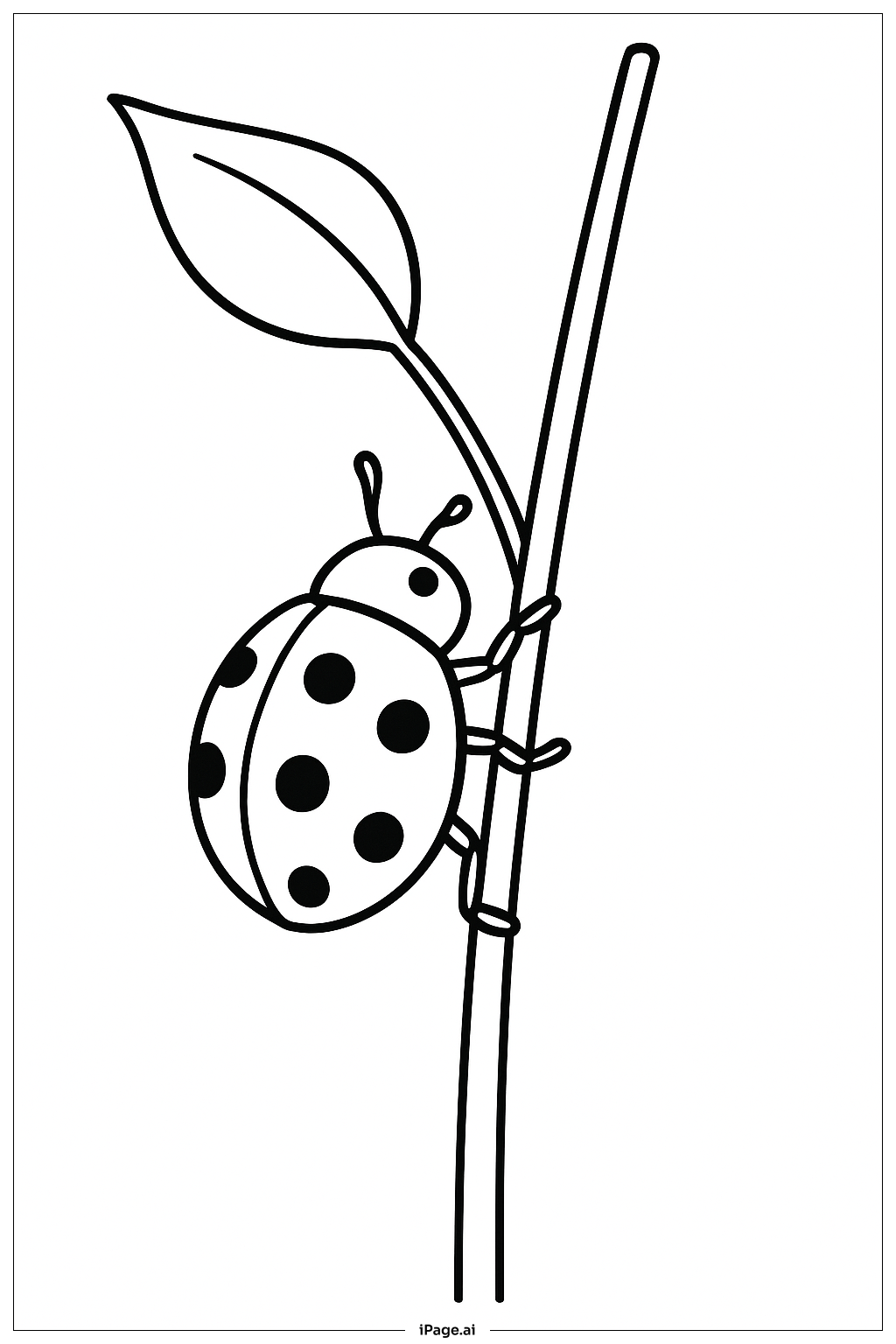
Coloring tips: How to color Ladybug On A Stem coloring page well?
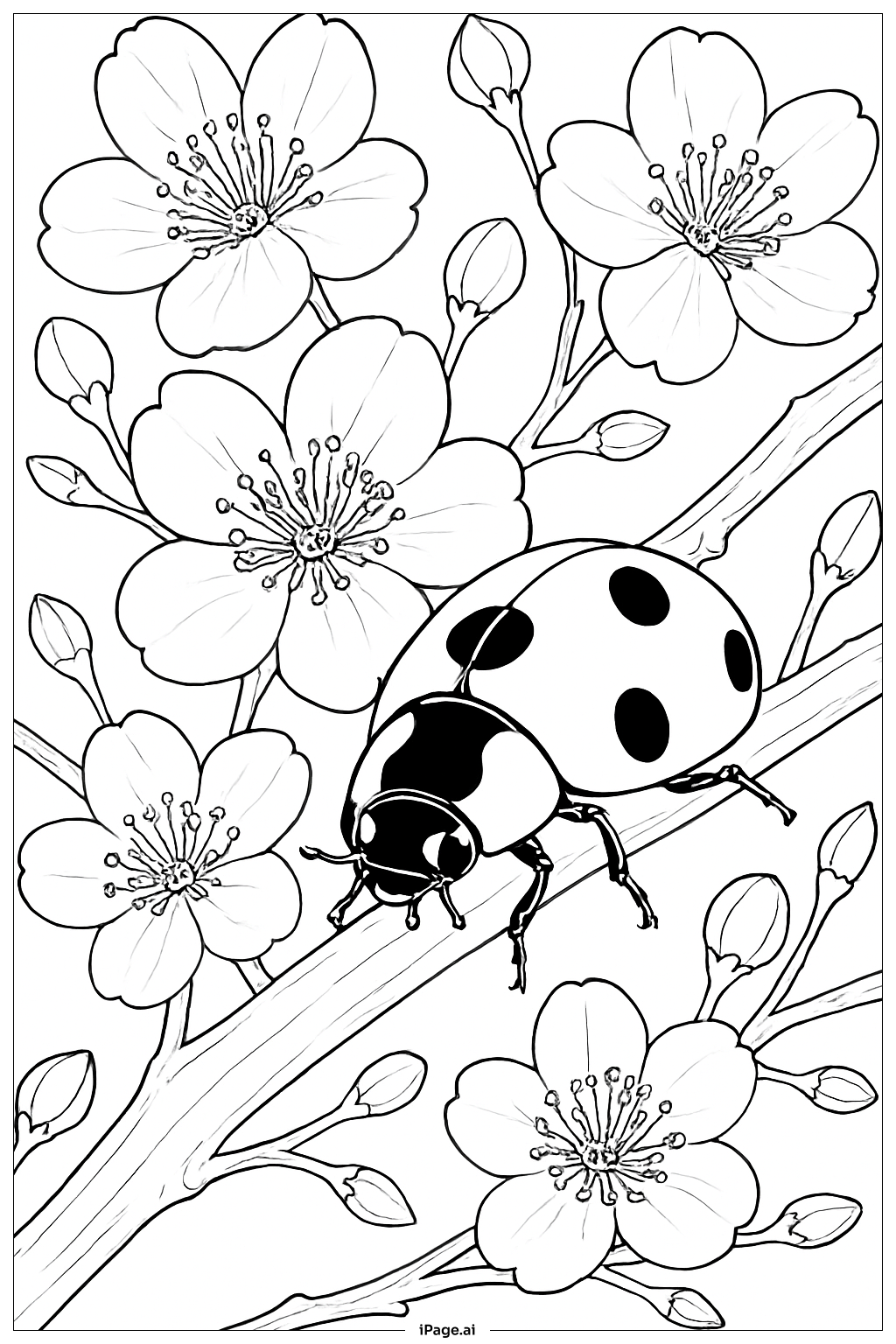
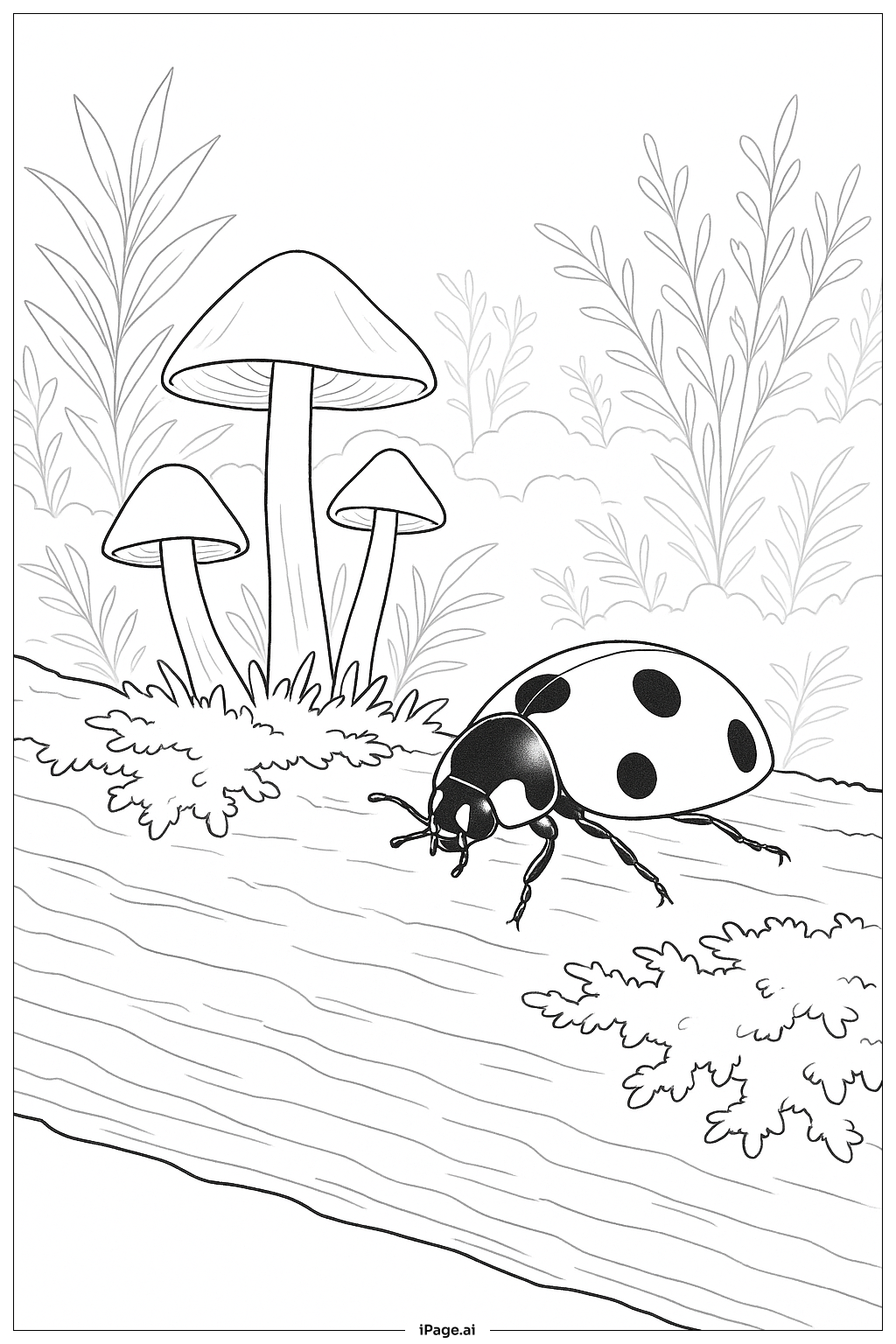
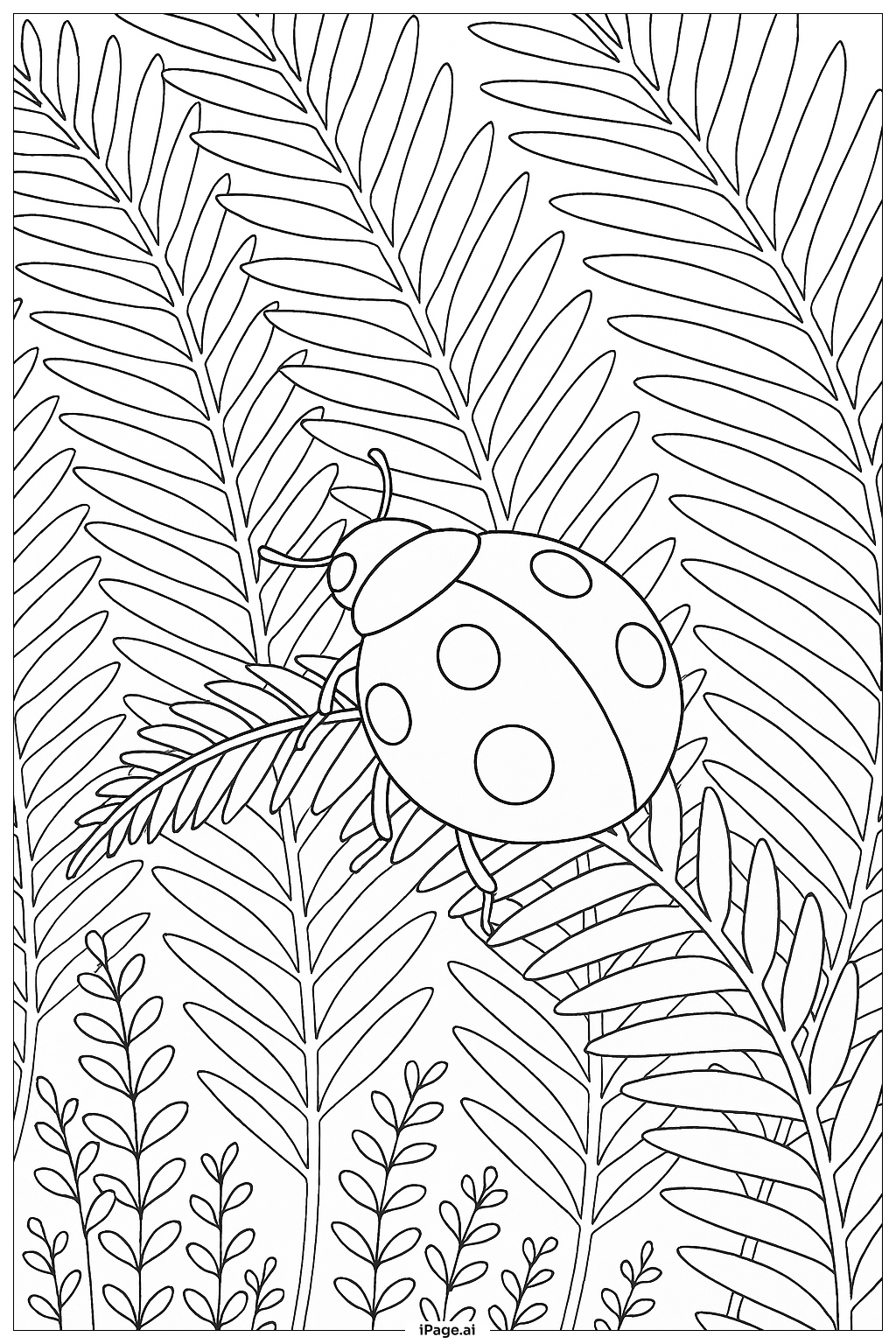
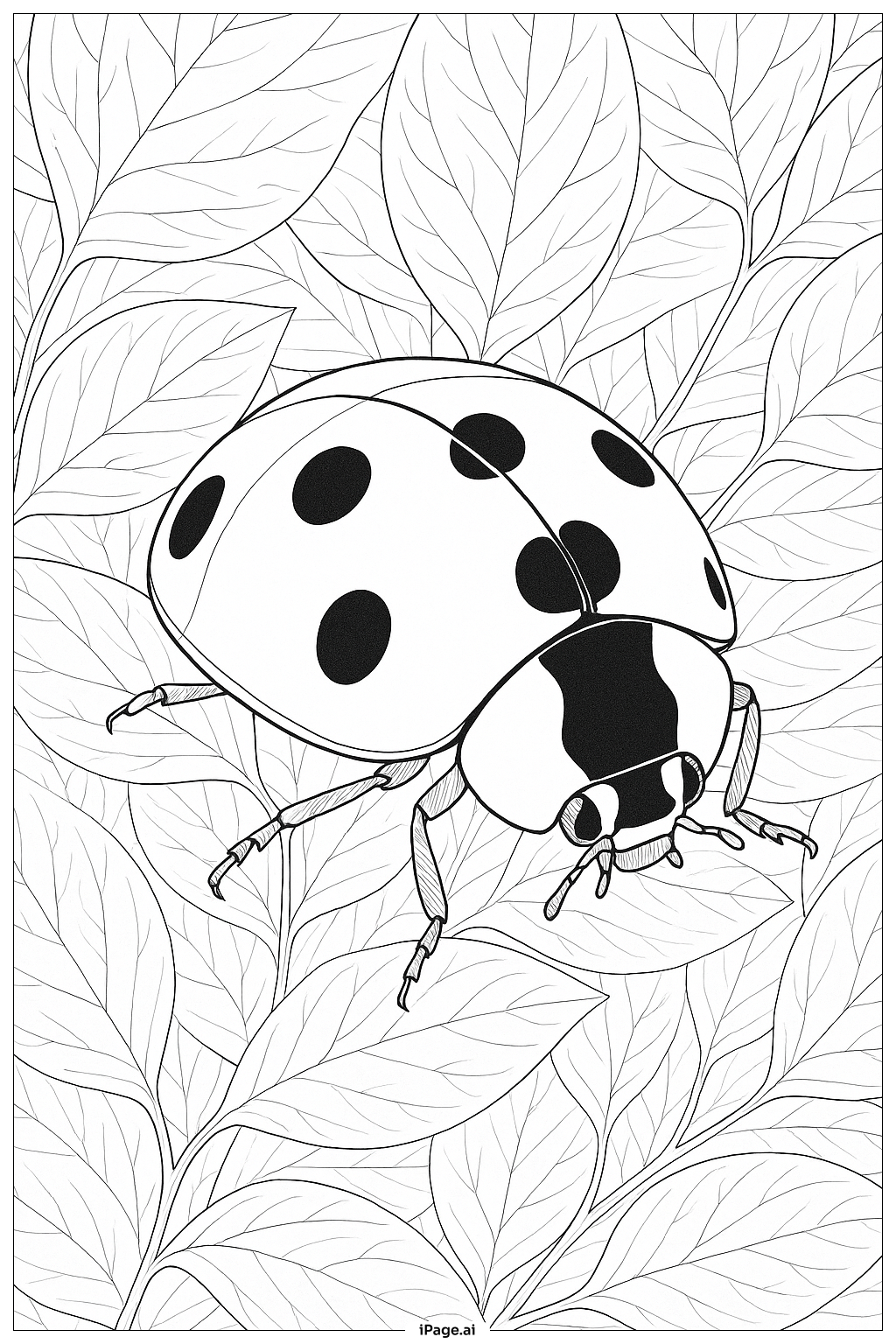
Use bright red or orange for the ladybug's body to show its vibrant look. Color its spots black to make them stand out. The stem and leaf can be colored different shades of green to give a natural feel. Use darker green for the stem and lighter green for the leaf veins. Children can use colored pencils or markers. They can try blending colors to give depth, like adding a bit of yellow to the leaf tips or some darker red to the ladybug's wings. Remember to color inside the lines to keep the picture neat.
Coloring challenges: Which parts are difficult to color and need attention for Ladybug On A Stem coloring page?
1. Small spots on the ladybug's wings can be tricky to color neatly because they require careful attention to avoid going outside the lines.
2. The ladybug's thin legs and antennae are narrow parts that might be tough for younger children to color without crossing the borders.
3. The stem's long, thin shape needs steady hand control to keep the coloring even and within the outline.
4. Adding shading or blending colors on the leaf and ladybug to create a three-dimensional look can be a challenge but also a learning opportunity.
5. Ensuring the contrast between the ladybug's body, spots, and the stem might need thoughtful color choices and patience.
Benefits of coloring books: Advantages of drawing Ladybug On A Stem coloring page
Coloring this ladybug on a stem helps improve fine motor skills as children carefully color small and narrow spaces. It encourages focus and patience, especially when coloring detailed parts like the spots and legs. The picture also inspires creativity as kids choose different shades for the leaf and ladybug. Coloring natural subjects can teach kids about insects and plants. It also boosts hand-eye coordination and gives a sense of accomplishment when the picture is completed beautifully.