Coloring tips: How to color Ladybug On A Leaf coloring page well?
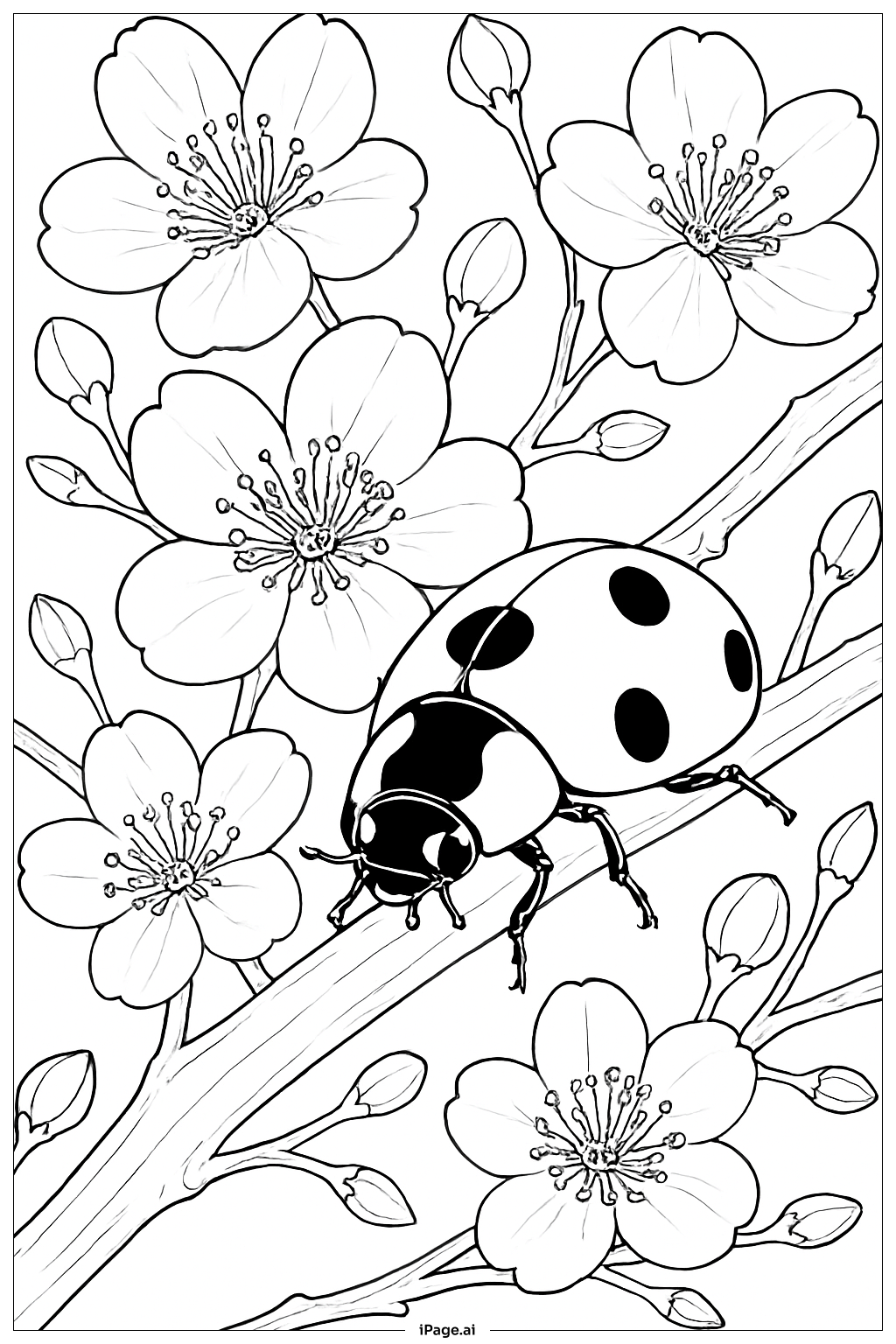
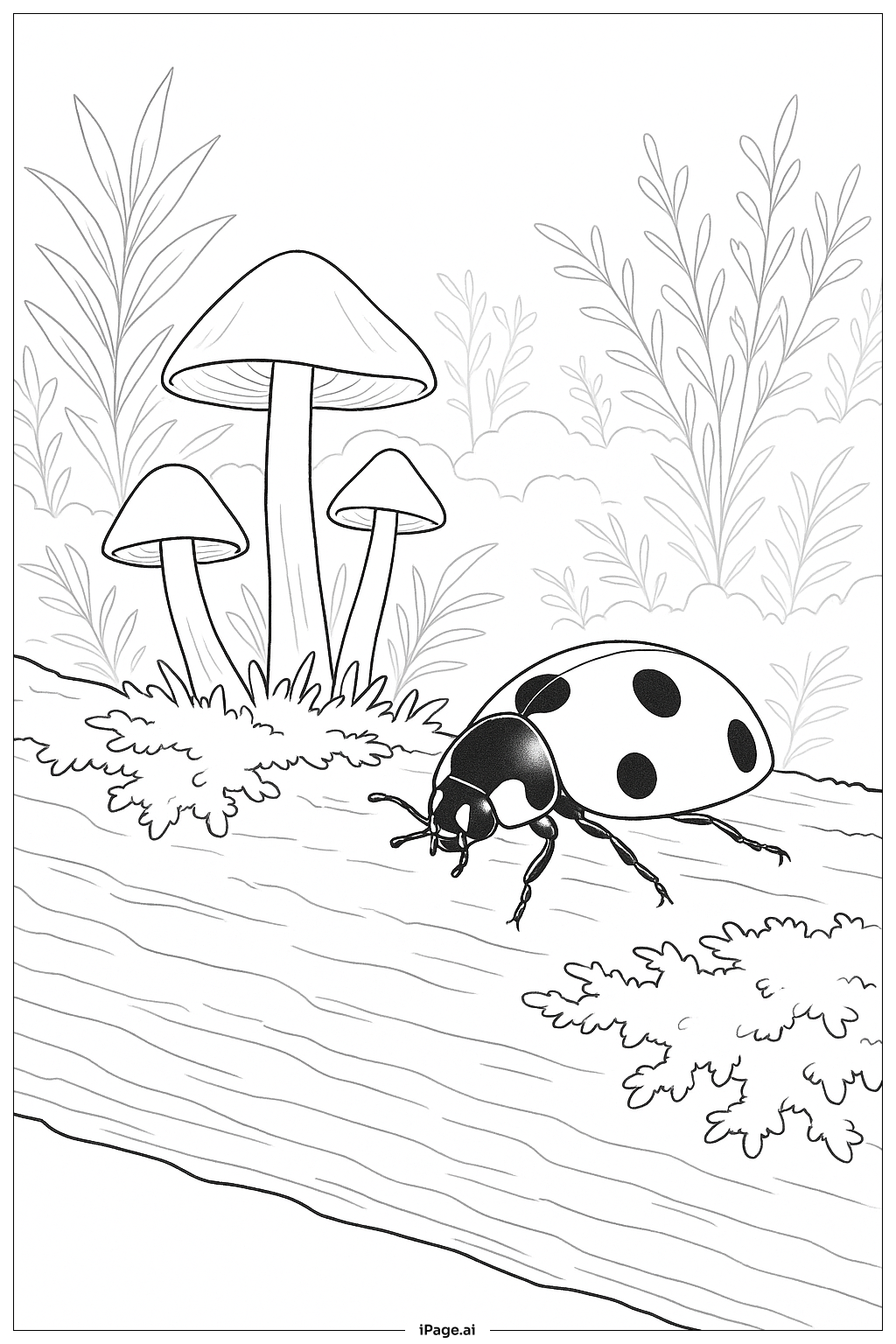
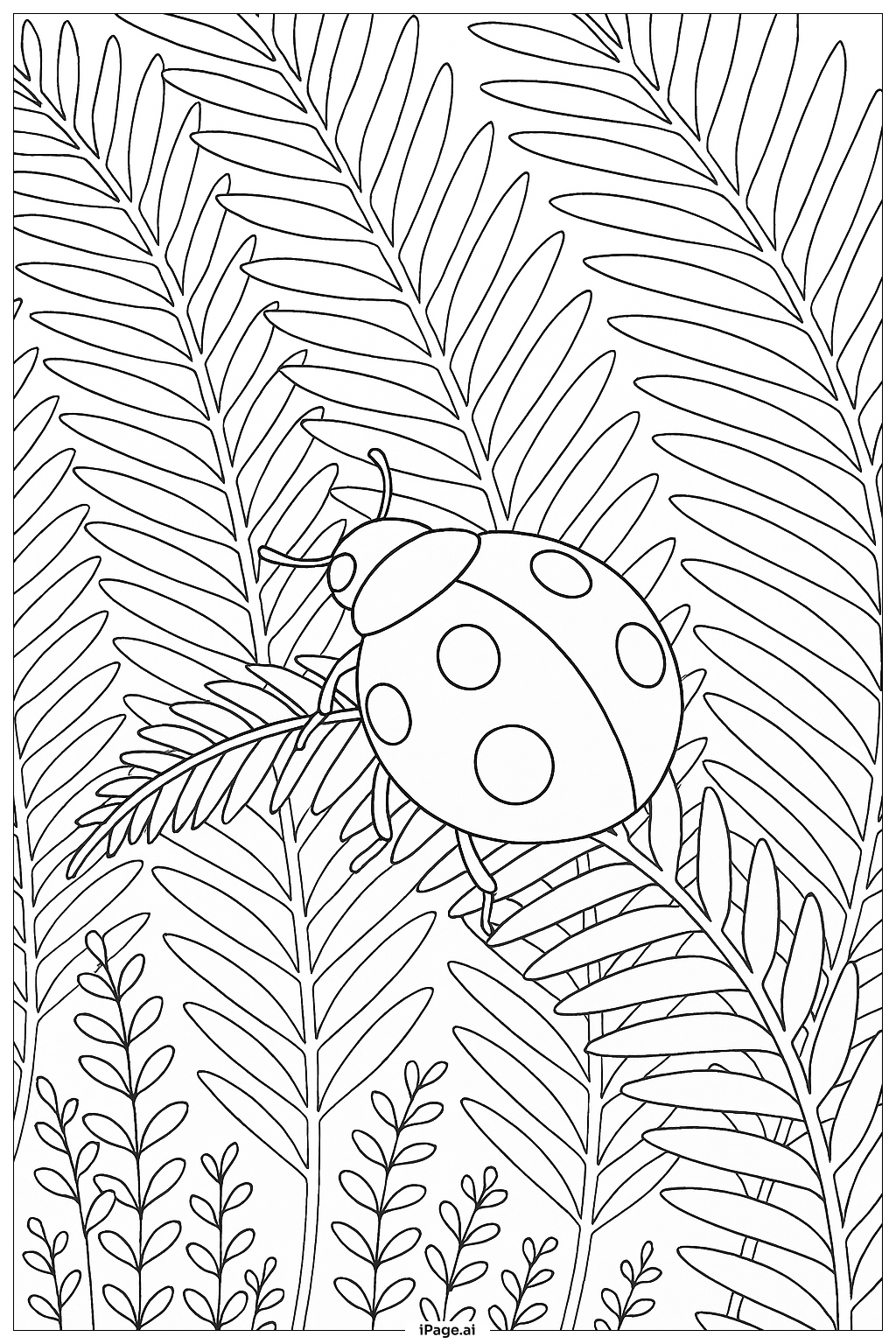
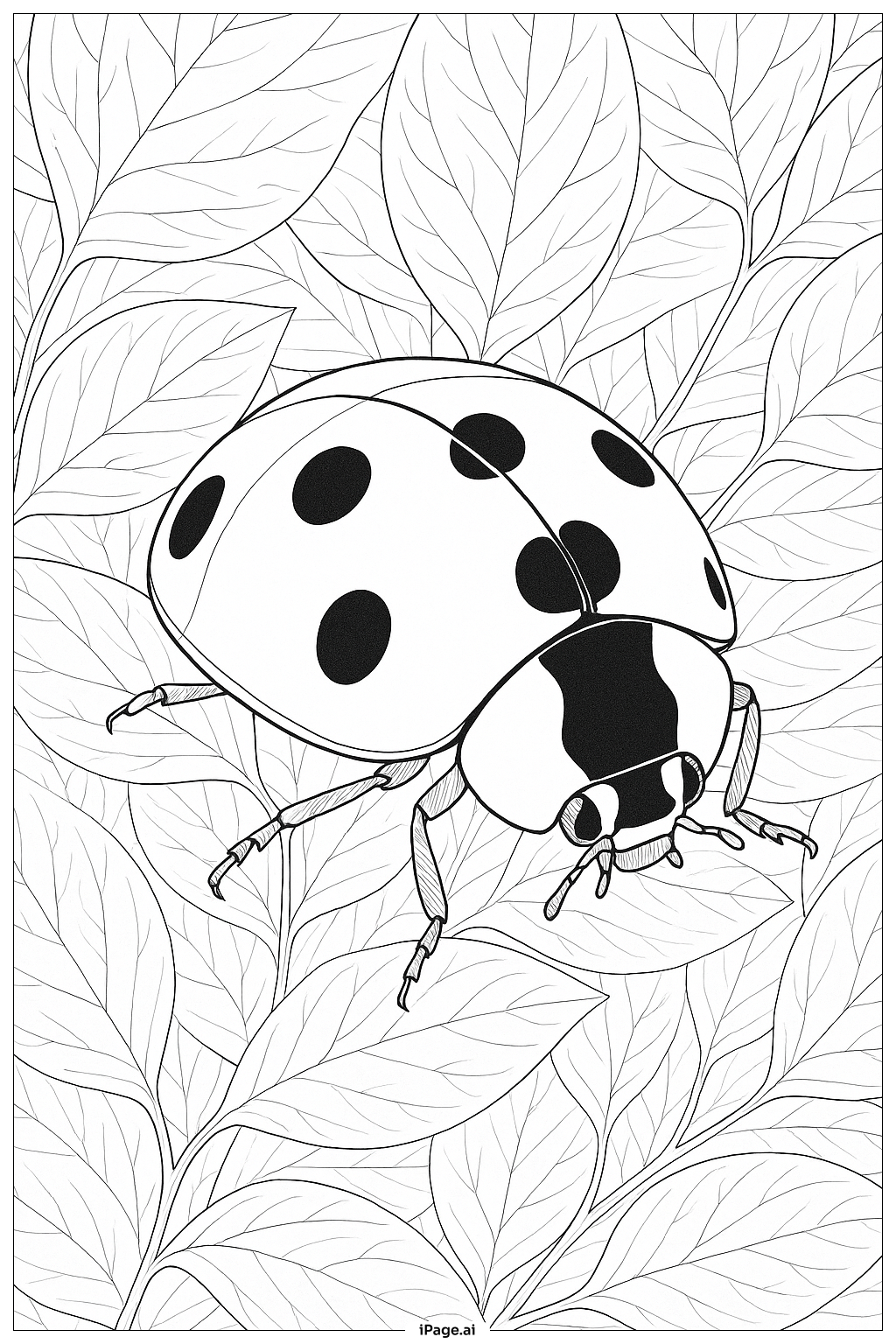
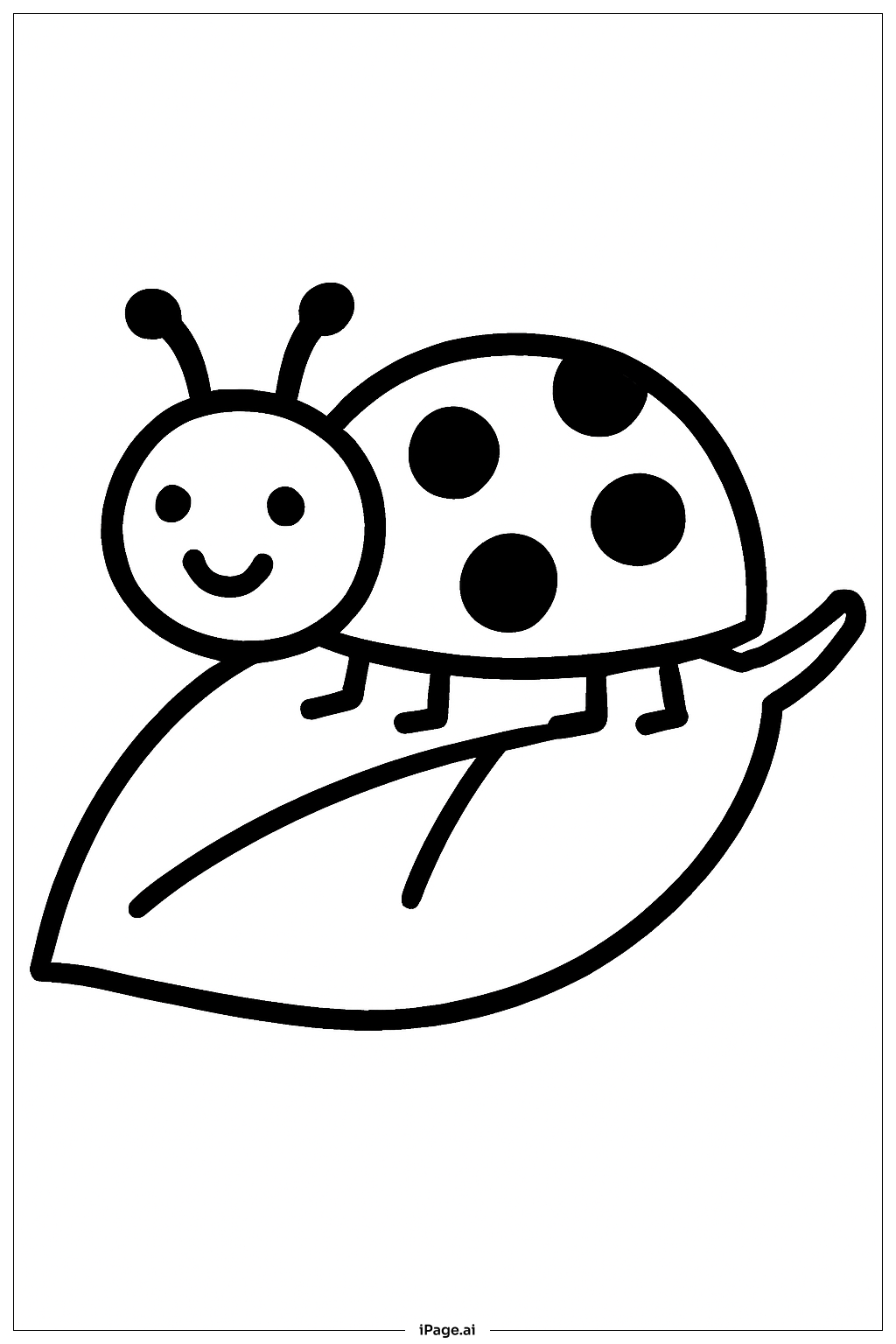
Use red or orange colors for the ladybug's body, and black for the spots, antennae, and legs. The leaf can be colored in different shades of green to show depth. You can add light yellow or light green highlights on the leaf to make it look shiny. For the background, soft blue or light colors can bring out the ladybug and leaf nicely. Try using crayons, markers, or colored pencils to add texture.
Coloring challenges: Which parts are difficult to color and need attention for Ladybug On A Leaf coloring page?
1. Coloring inside the small spots on the ladybug’s back needs careful attention to avoid coloring outside the lines. 2. The legs and antennae are thin and small, which can be tricky for young children to color neatly. 3. Making the leaf look natural by adding different shades of green can be a challenge for beginners. 4. Ensuring the ladybug’s face remains clear and cheerful while coloring around it. 5. Managing the different textures, like the smooth ladybug and the veins on the leaf, can require patience.
Benefits of coloring books: Advantages of drawing Ladybug On A Leaf coloring page
Coloring this picture helps children improve their hand-eye coordination and fine motor skills. It encourages attention to detail as they stay inside the lines and choose colors carefully. The image is simple but engaging, allowing kids to use their creativity to mix colors on the leaf and ladybug. It also helps children learn about insects and nature, making coloring both fun and educational.