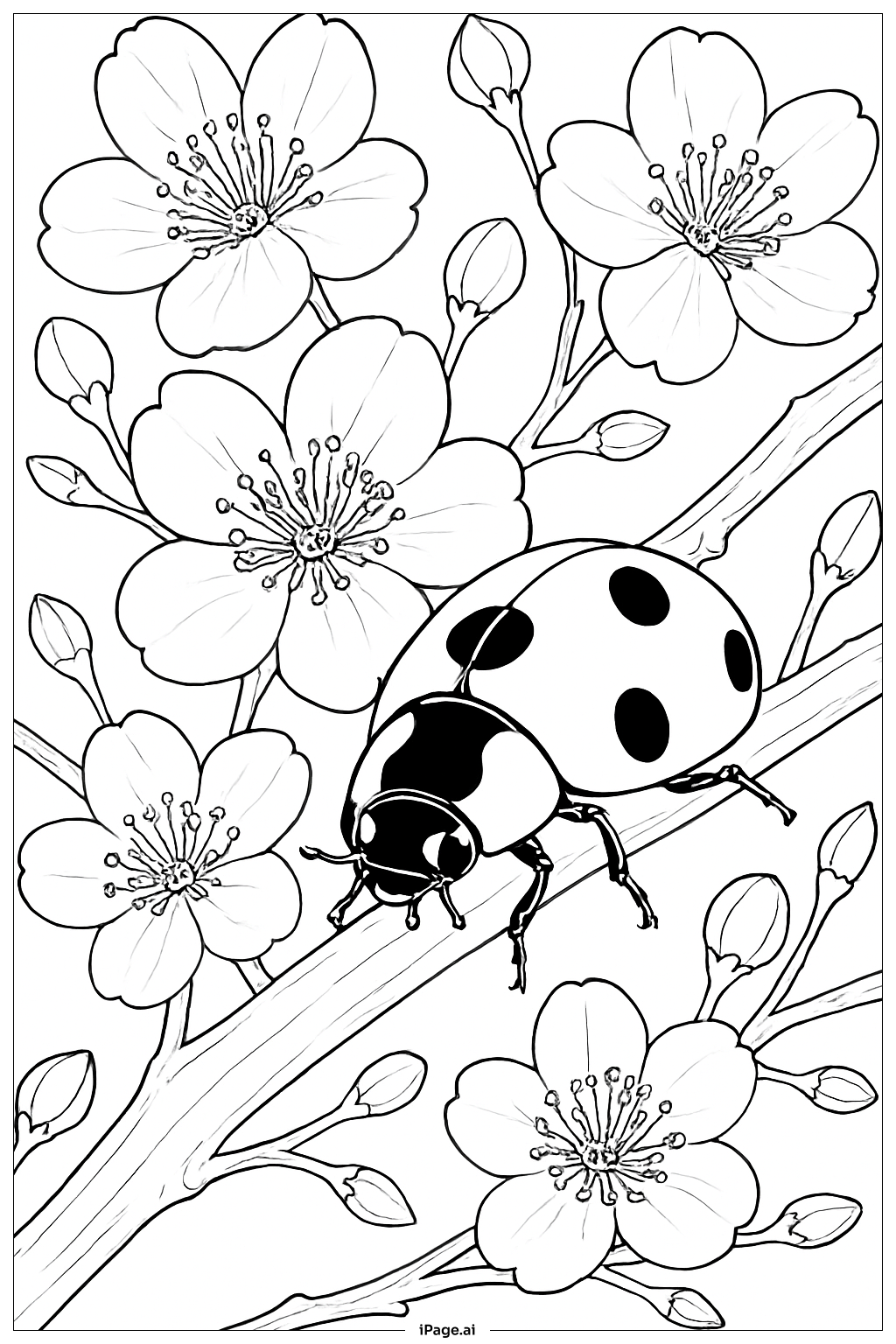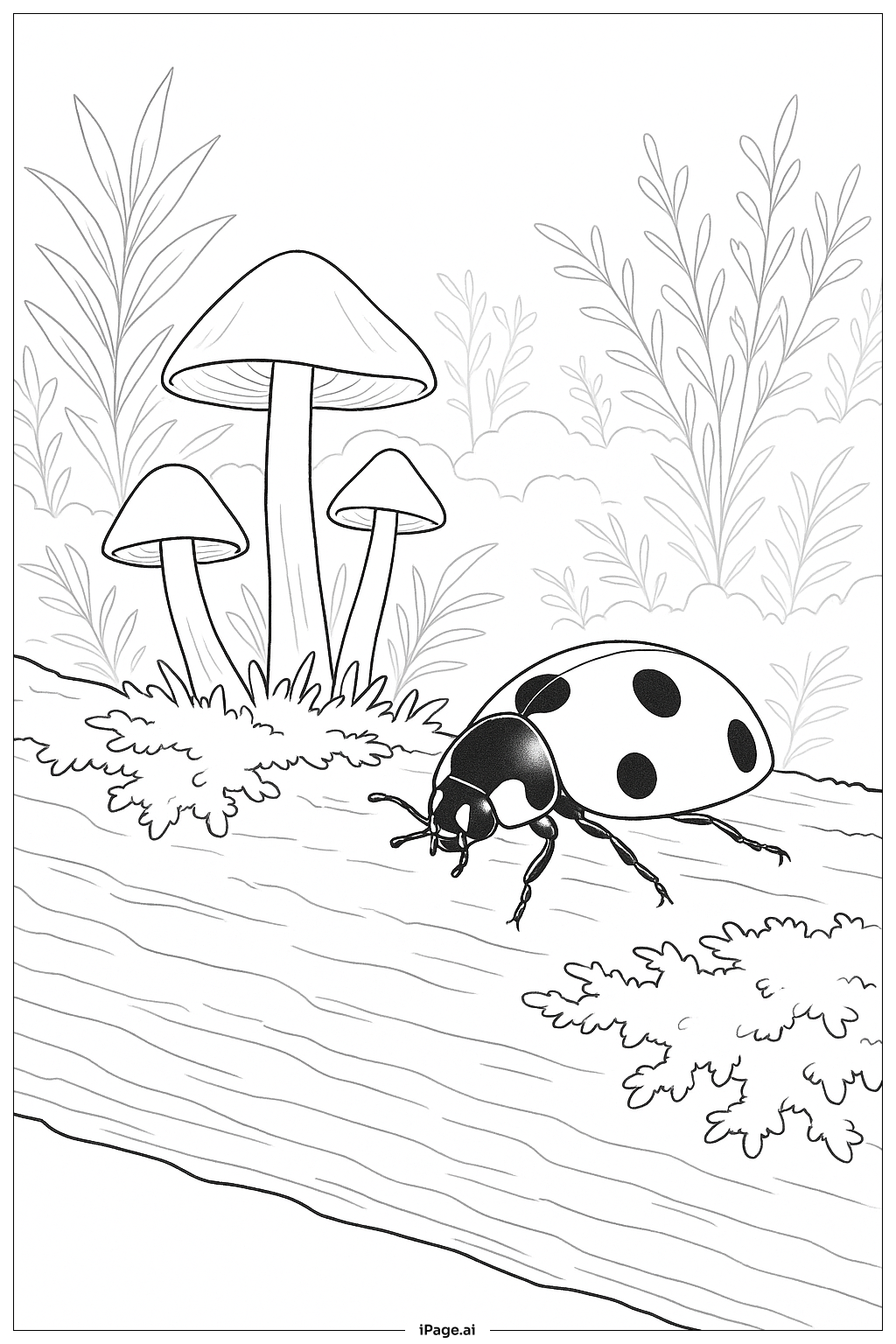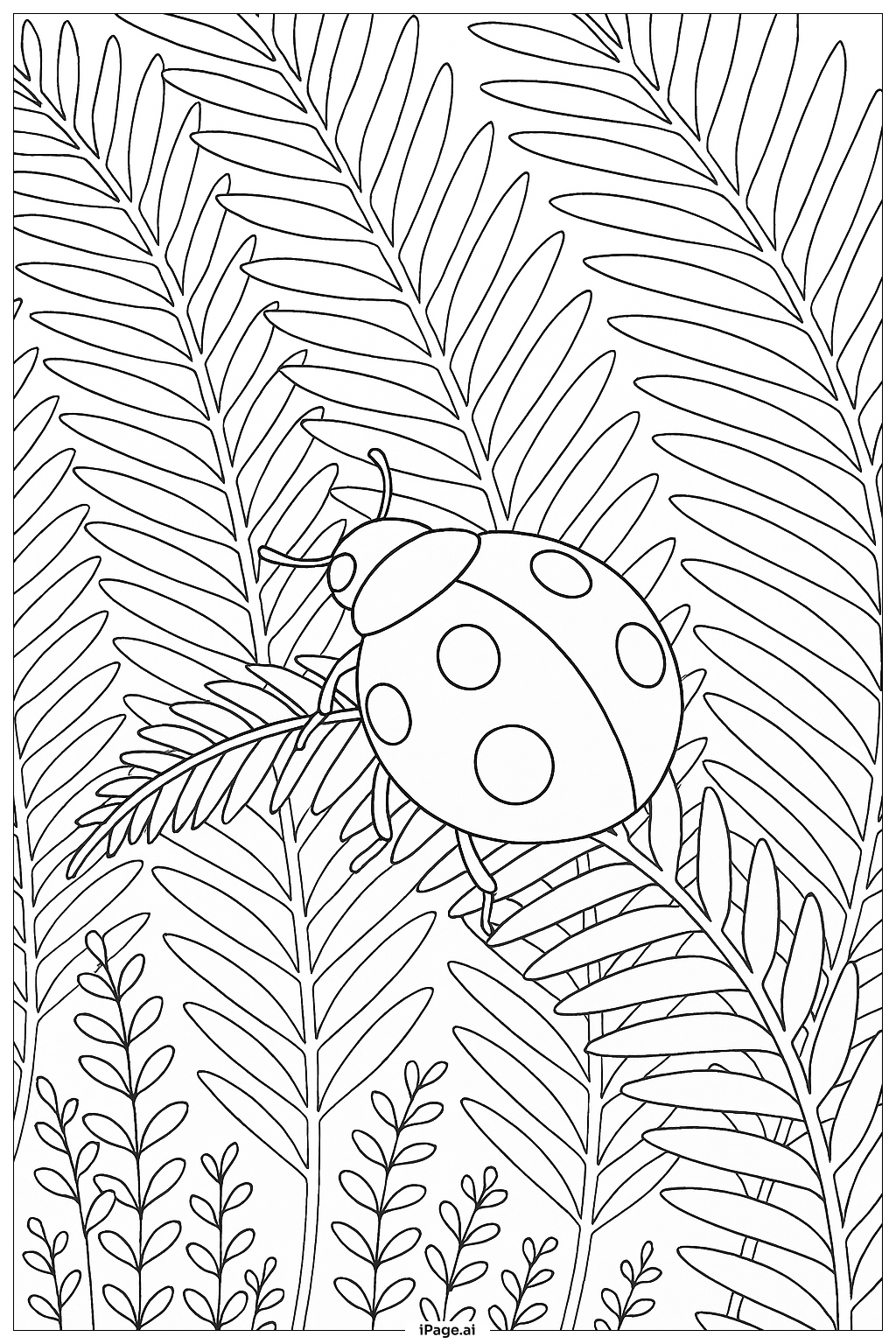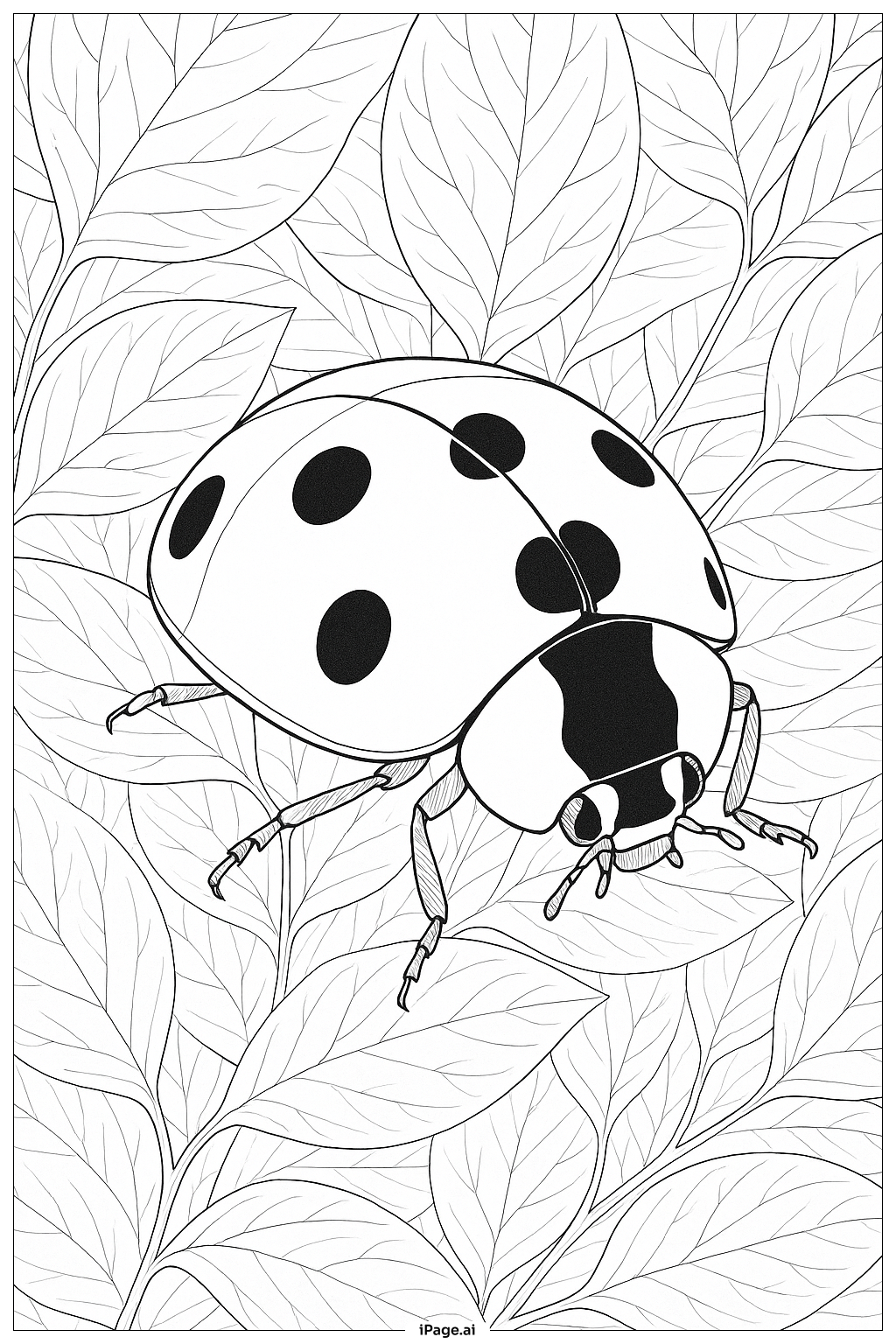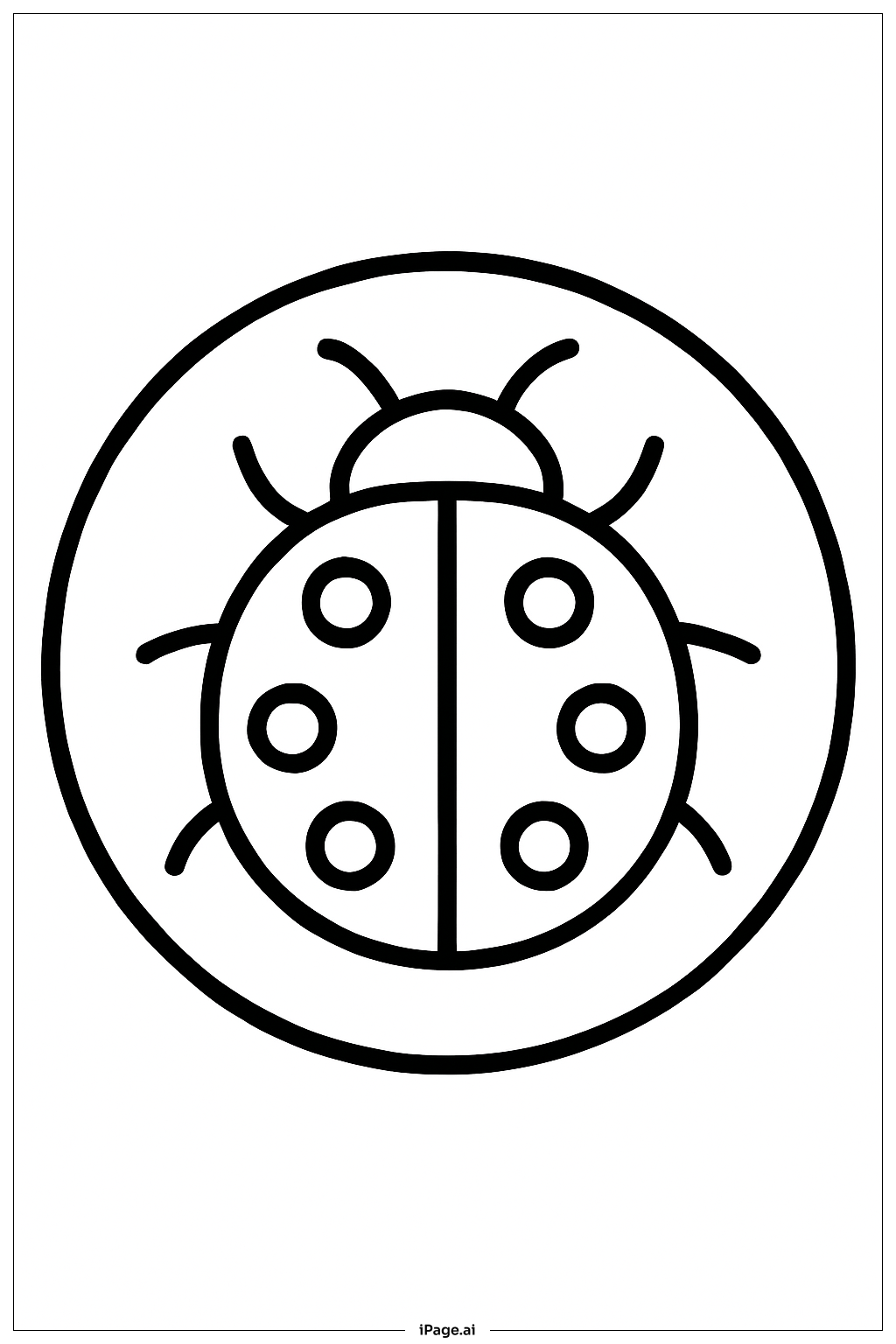
Coloring tips: How to color Ladybug In Simple Circle coloring page well?
Start with the classic bright red for the ladybug's wing case to capture its iconic appearance. Use deep black for the distinctive spots scattered across the wings. The head can be colored in black as well to create a natural contrast with the vibrant body. For the antennae, consider using black or a dark brown shade. The six little legs look wonderful in black too. The circular border offers a great opportunity for creativity—try a soft blue to represent the sky, a gentle green for grass, or even a sunny yellow for a cheerful background. You could also leave the circle white or add decorative patterns like dots or stripes around the edge. Younger children might enjoy using crayons for bold, bright colors, while older colorists can experiment with shading techniques using colored pencils to add depth and dimension to the ladybug's rounded body.
Coloring challenges: Which parts are difficult to color and need attention for Ladybug In Simple Circle coloring page?
• Spot Precision: The ladybug's spots require careful coloring to stay within their circular boundaries. Young children may find it challenging to color these small circles neatly without going over the lines, especially if using markers or crayons with broad tips. Taking time and using smaller coloring tools can help achieve cleaner results.
• Leg Details: The six tiny legs are thin and delicate, making them tricky to color accurately. Children might struggle to fill these narrow spaces without accidentally coloring outside the lines or missing them entirely. Using fine-tip markers or sharpened colored pencils works best for these small details.
• Body Sections: The ladybug's body is divided into different sections including the head and wing case. Maintaining clean transitions between these areas while using different colors requires steady hand control and attention to boundaries. Younger colorists may need to work slowly and carefully at these meeting points.
• Circle Border: Keeping color consistent within the circular frame, whether filling it with solid color or adding patterns, can be challenging. The curved edge requires careful following of the line, and achieving smooth, even coverage around the entire circle takes patience and practice.
• Creating Depth: For those wanting to add shading and dimension to make the ladybug look three-dimensional, understanding where to place lighter and darker tones requires more advanced skills and careful observation of how light affects rounded surfaces.
Benefits of coloring books: Advantages of drawing Ladybug In Simple Circle coloring page
Coloring this delightful ladybug design offers wonderful developmental benefits for children and relaxation for all ages. The simple circular composition helps young children practice hand-eye coordination and fine motor skills as they carefully fill in the spots and body sections. The clearly defined areas teach color recognition and decision-making as colorists choose their palette. Working on the tiny details like legs and antennae improves concentration and patience, encouraging children to slow down and focus on precision work. The familiar subject matter connects young artists to nature and science, sparking curiosity about insects and their role in gardens and ecosystems. For older children and adults, this page provides a calming, meditative activity that reduces stress and promotes mindfulness. The contained circular design creates a sense of completion and accomplishment when finished. This coloring experience builds confidence, encourages creativity through color choices, and provides a satisfying screen-free activity that can be enjoyed independently or shared with family and friends.