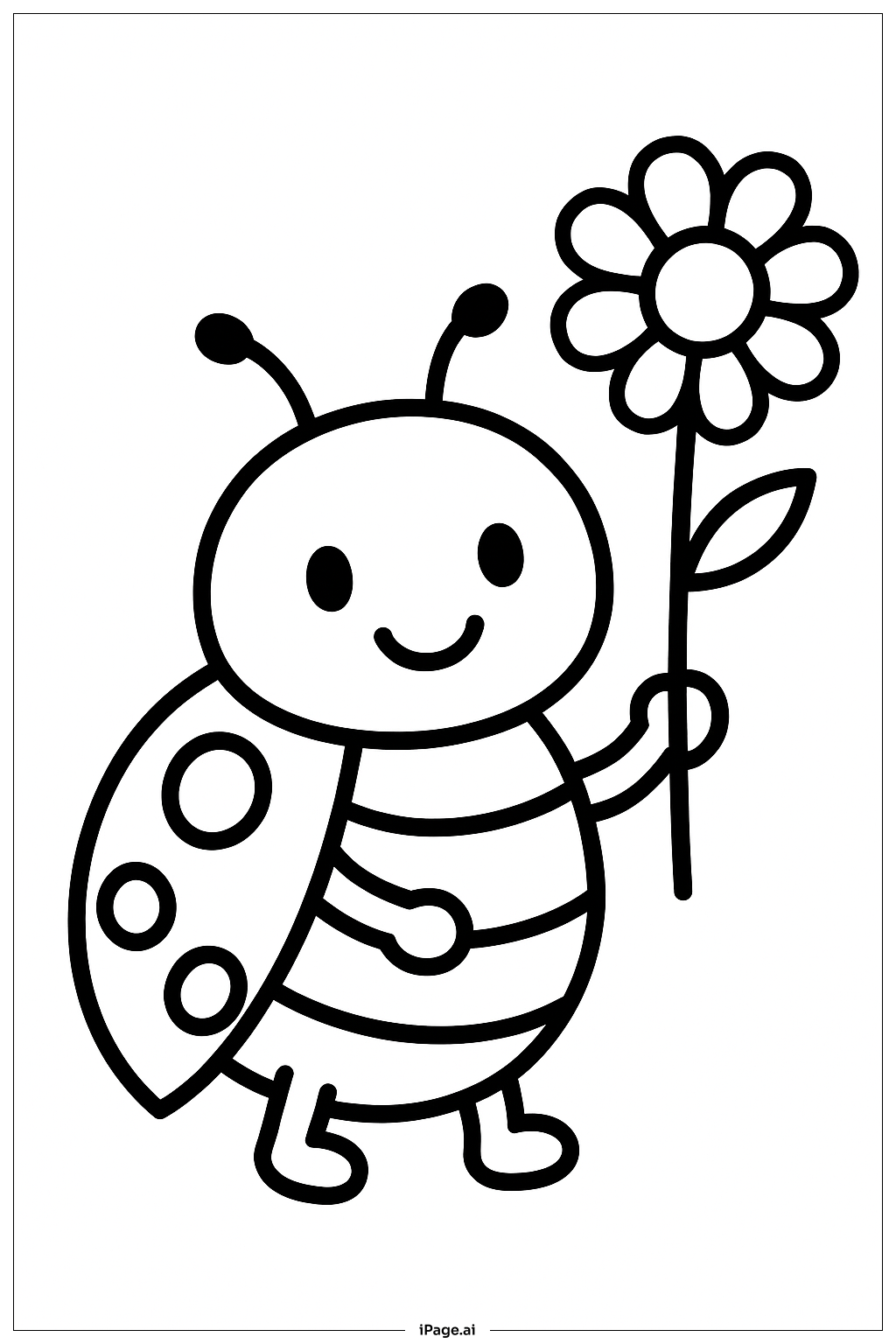
Coloring tips: How to color Ladybug Holding A Flower coloring page well?
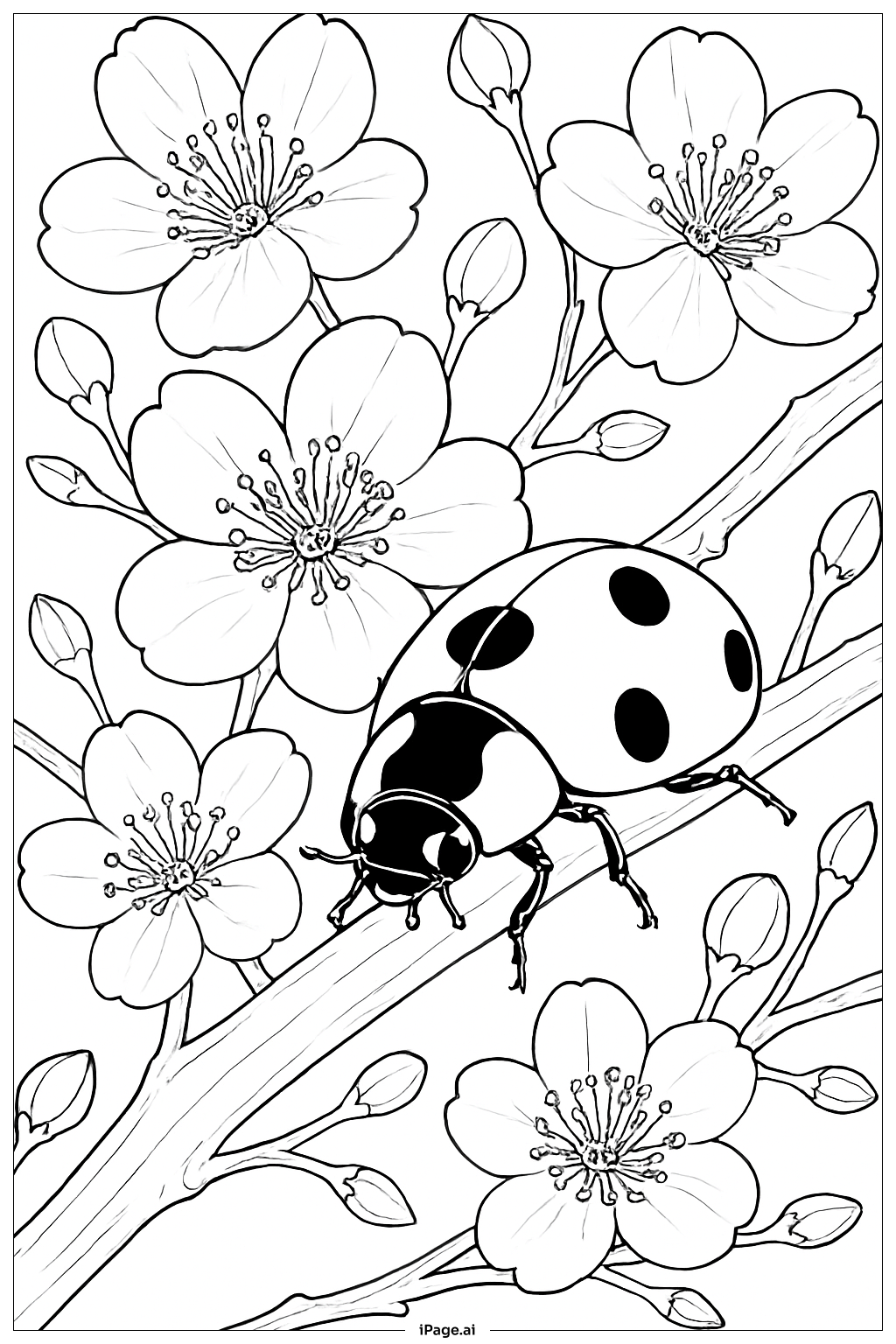
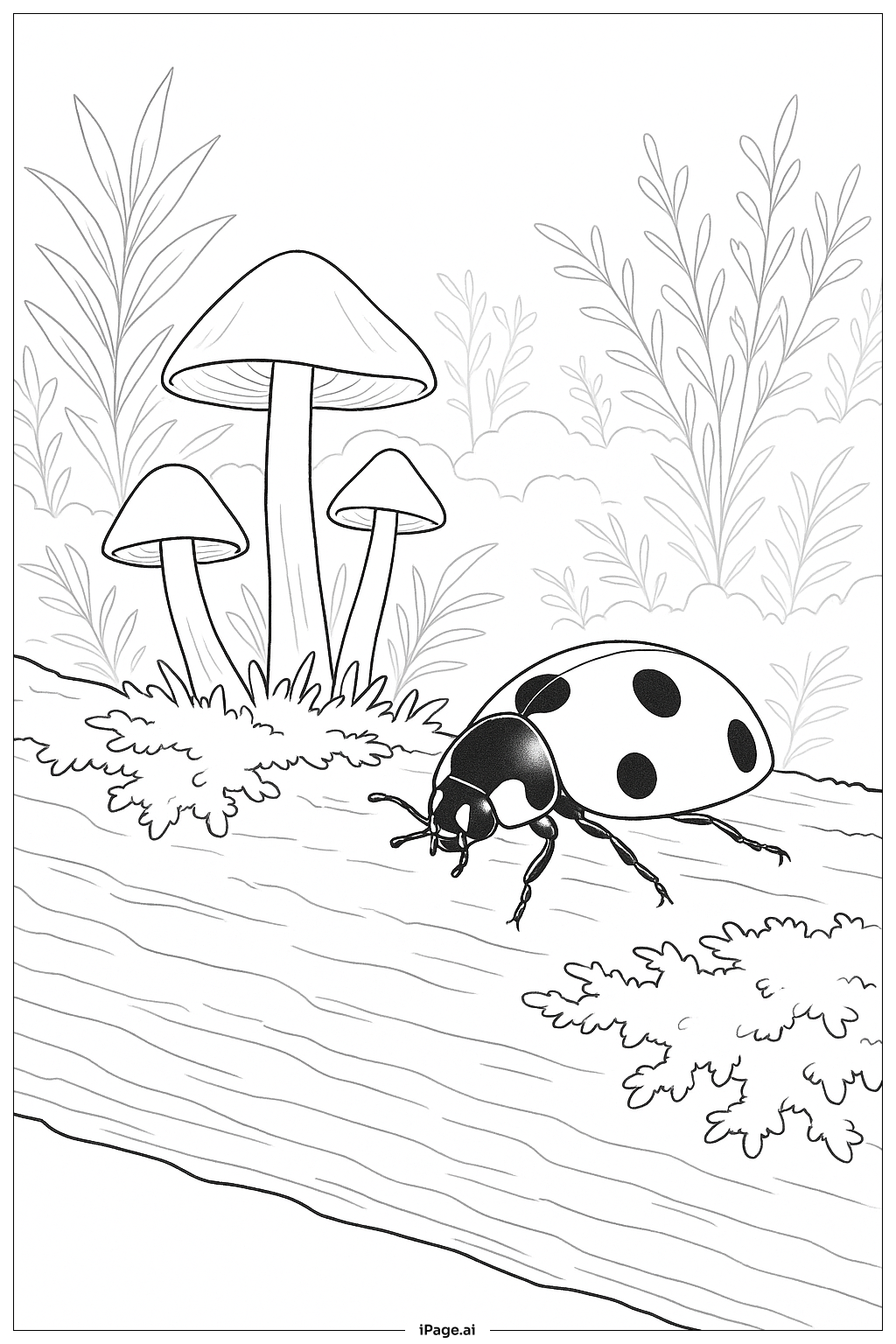
For the ladybug, use bright red or orange for the wing covers, and add black spots to create the traditional ladybug appearance. Color the head and legs black to match real ladybugs. The flower offers wonderful creative opportunities. Try pink, purple, yellow, or red for the petals, and use a contrasting color like yellow or orange for the flower center. Green works perfectly for the stem and leaves. For added dimension, use lighter shades on one side of the petals and darker shades on the other to create depth. The ladybug's eyes can be colored with bright blues or browns, leaving white highlights to make them sparkle. Consider using colored pencils for smooth blending on the petals, or markers for bold, vibrant colors. A light blue or yellow background can make the entire scene pop.
Coloring challenges: Which parts are difficult to color and need attention for Ladybug Holding A Flower coloring page?
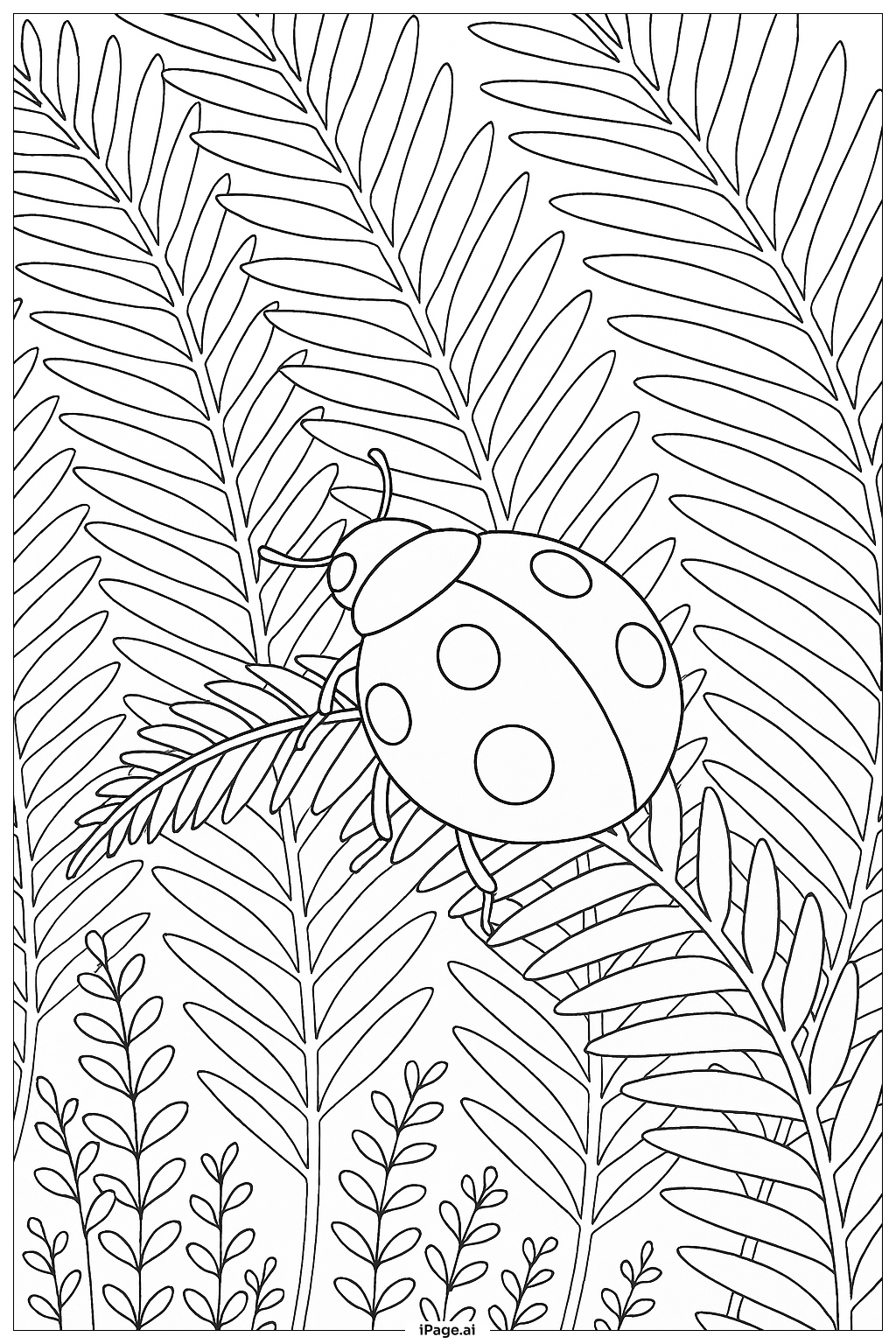
• Spot Placement and Symmetry: The ladybug's spots require careful attention to stay within the outlined circles while maintaining consistent color intensity. Young children may find it challenging to color these small circular areas without going outside the lines, and keeping the black spots uniform in darkness requires steady hand control and patience.
• Petal Layering and Depth: The flower features multiple overlapping petals that create a layered effect. Distinguishing between the different petal layers and applying appropriate color variations to show depth can be tricky. Children need to recognize which petals are in front and which are behind, then adjust their coloring pressure or shade selection accordingly to create a three-dimensional appearance.
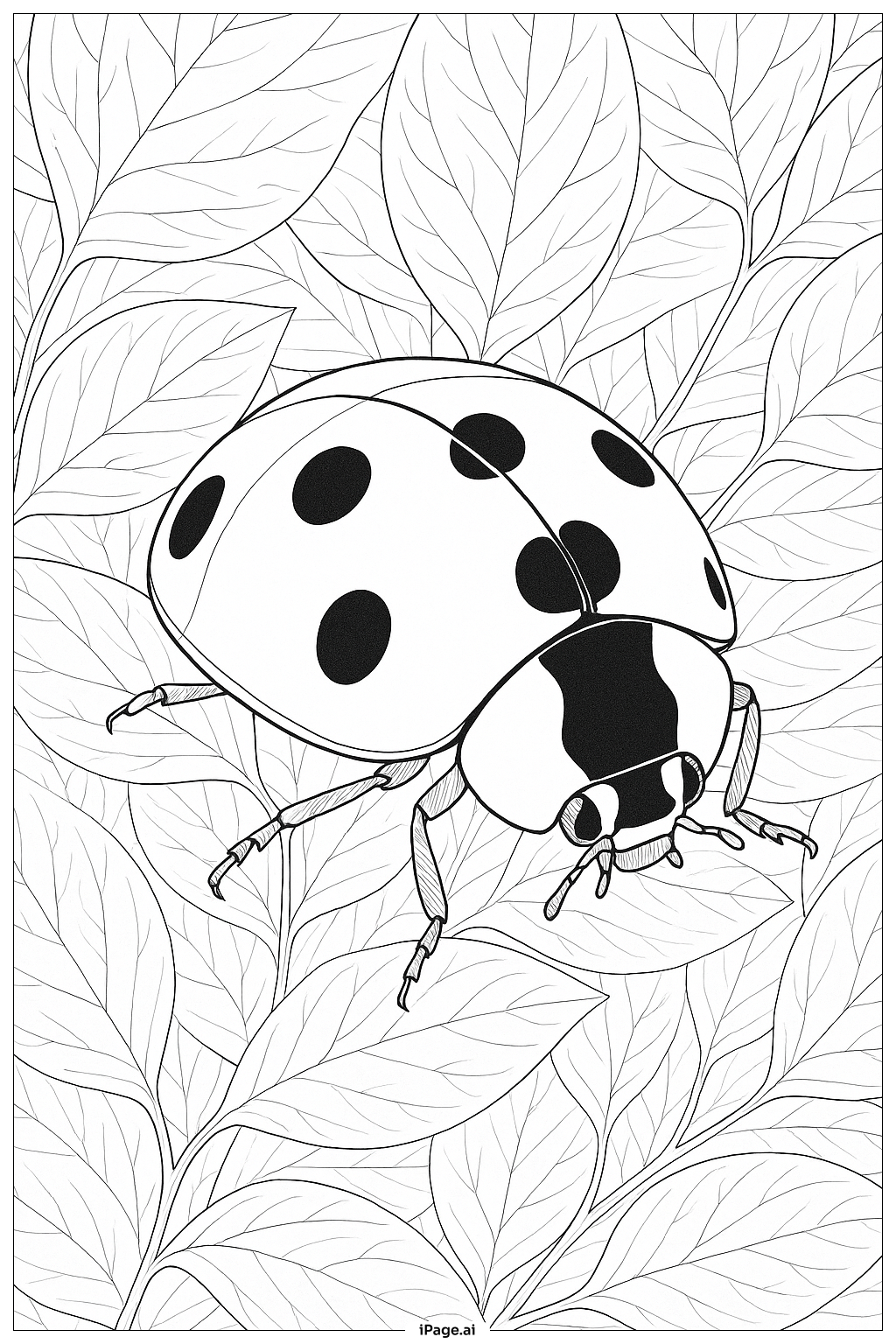
• Small Detail Areas: The ladybug's legs, antennae, and facial features are relatively small and require precision coloring. These narrow spaces can be difficult for younger children or those still developing fine motor control. Staying within these tiny boundaries while maintaining clean edges demands concentration and a steady grip on coloring tools.
• Color Blending and Shading: Creating smooth color transitions on the larger areas like the flower petals and ladybug's body enhances the overall appearance but requires some technique. Blending colors gradually from light to dark, or mixing complementary shades, needs practice and an understanding of how colors work together, which may challenge beginners.
Benefits of coloring books: Advantages of drawing Ladybug Holding A Flower coloring page
Coloring this ladybug scene offers excellent developmental benefits for children. It helps improve fine motor skills and hand-eye coordination as they carefully color within the lines of small details like spots and petals. The varied elements in the image encourage focus and concentration, building attention span as children work to complete the entire picture. This page also sparks creativity through color selection, allowing kids to experiment with different color combinations for the flower and ladybug. Learning about nature becomes fun as children engage with the ladybug's anatomy and flower structure. The accomplishment of finishing this charming scene boosts self-confidence and provides a sense of achievement. Additionally, the calming, repetitive motion of coloring promotes relaxation and stress relief, making it a peaceful activity for quiet time.