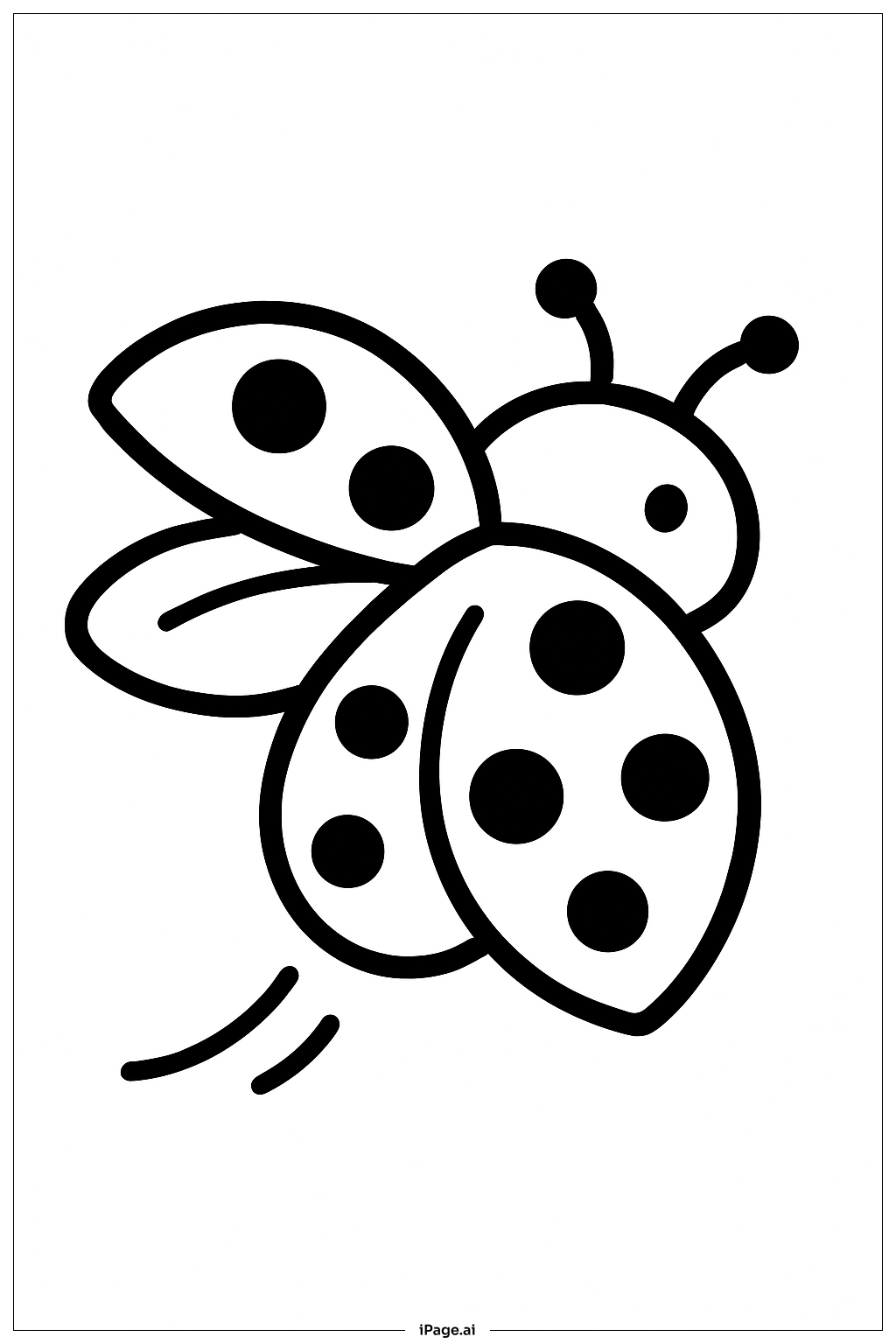
Coloring tips: How to color Ladybug Flying coloring page well?
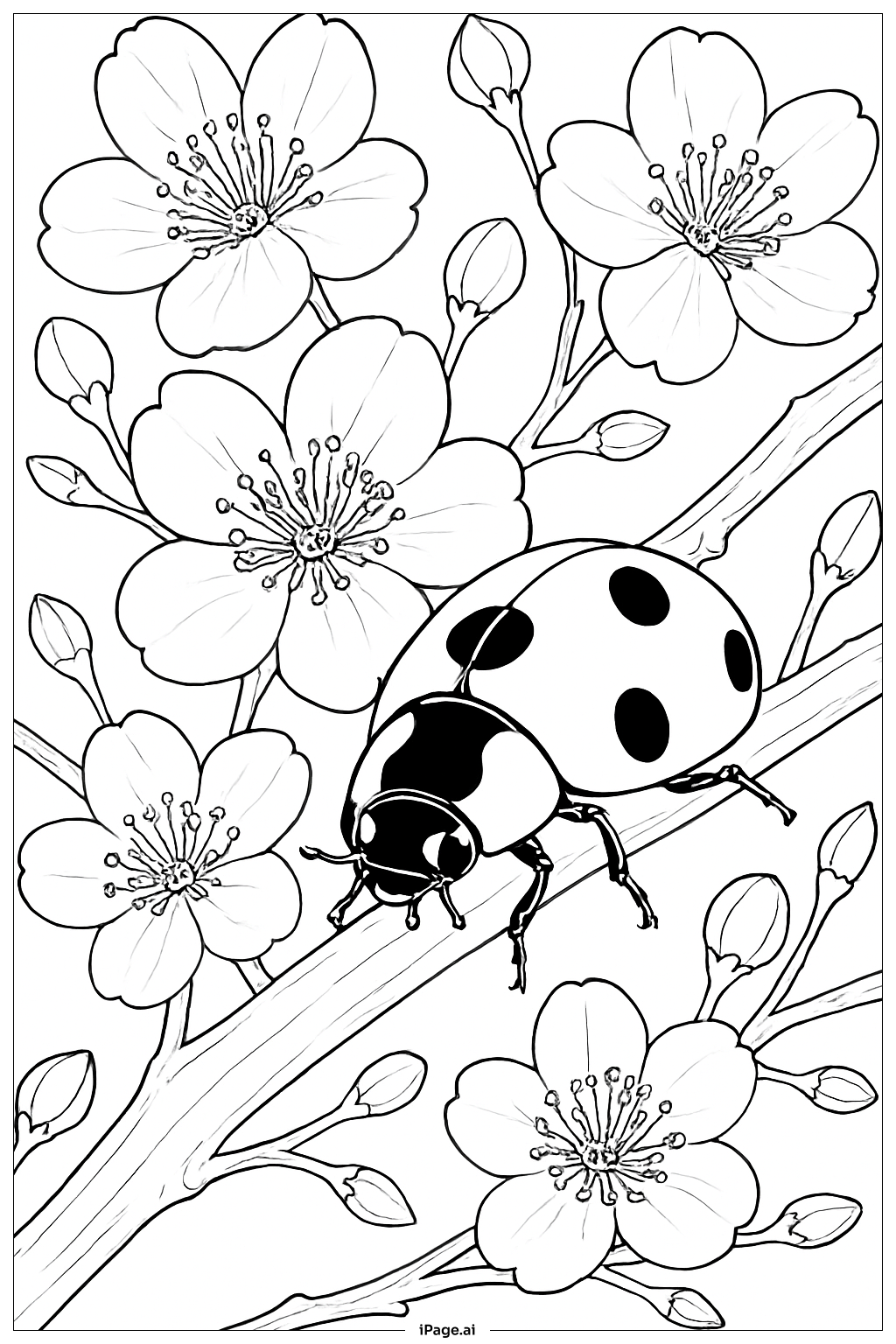
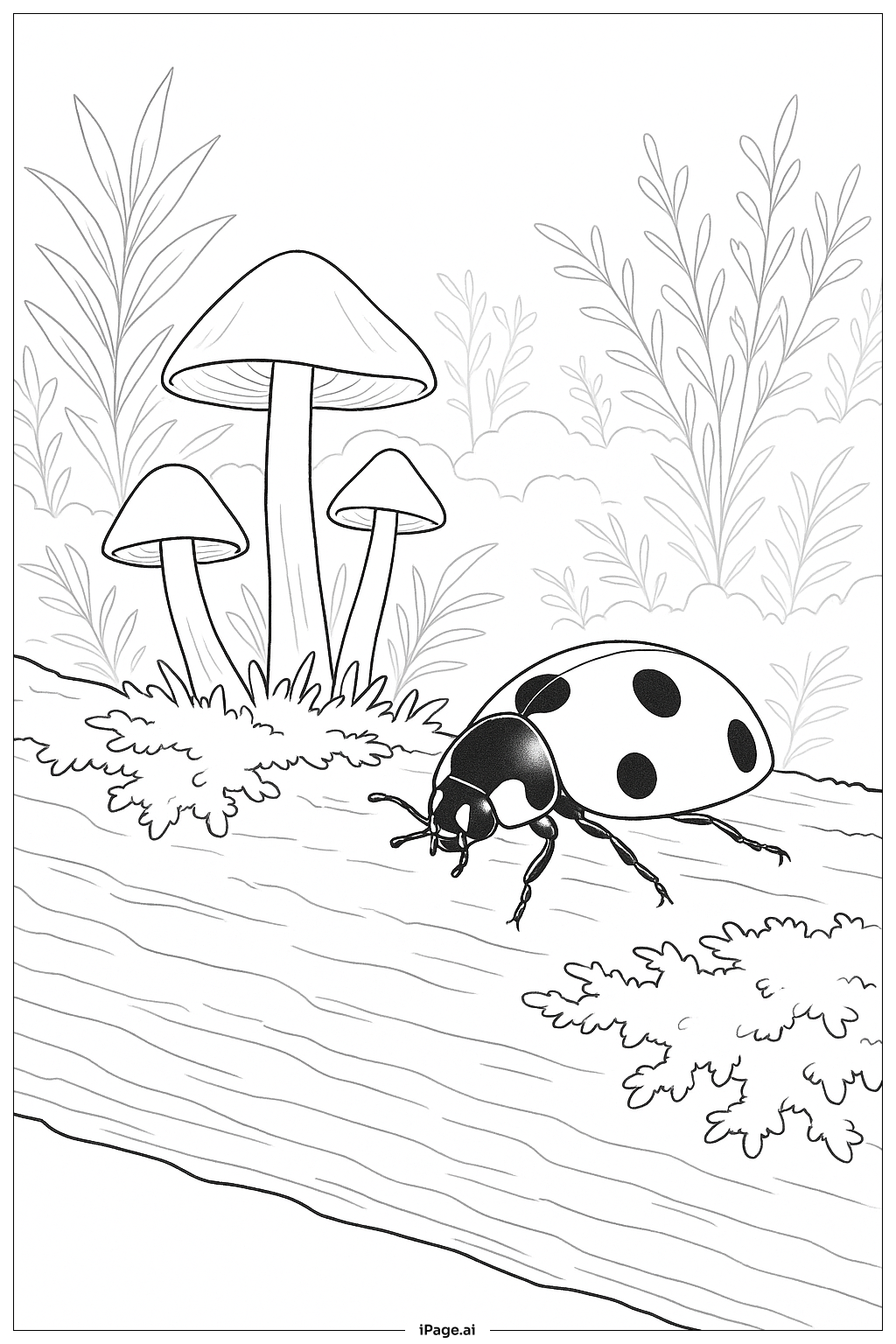
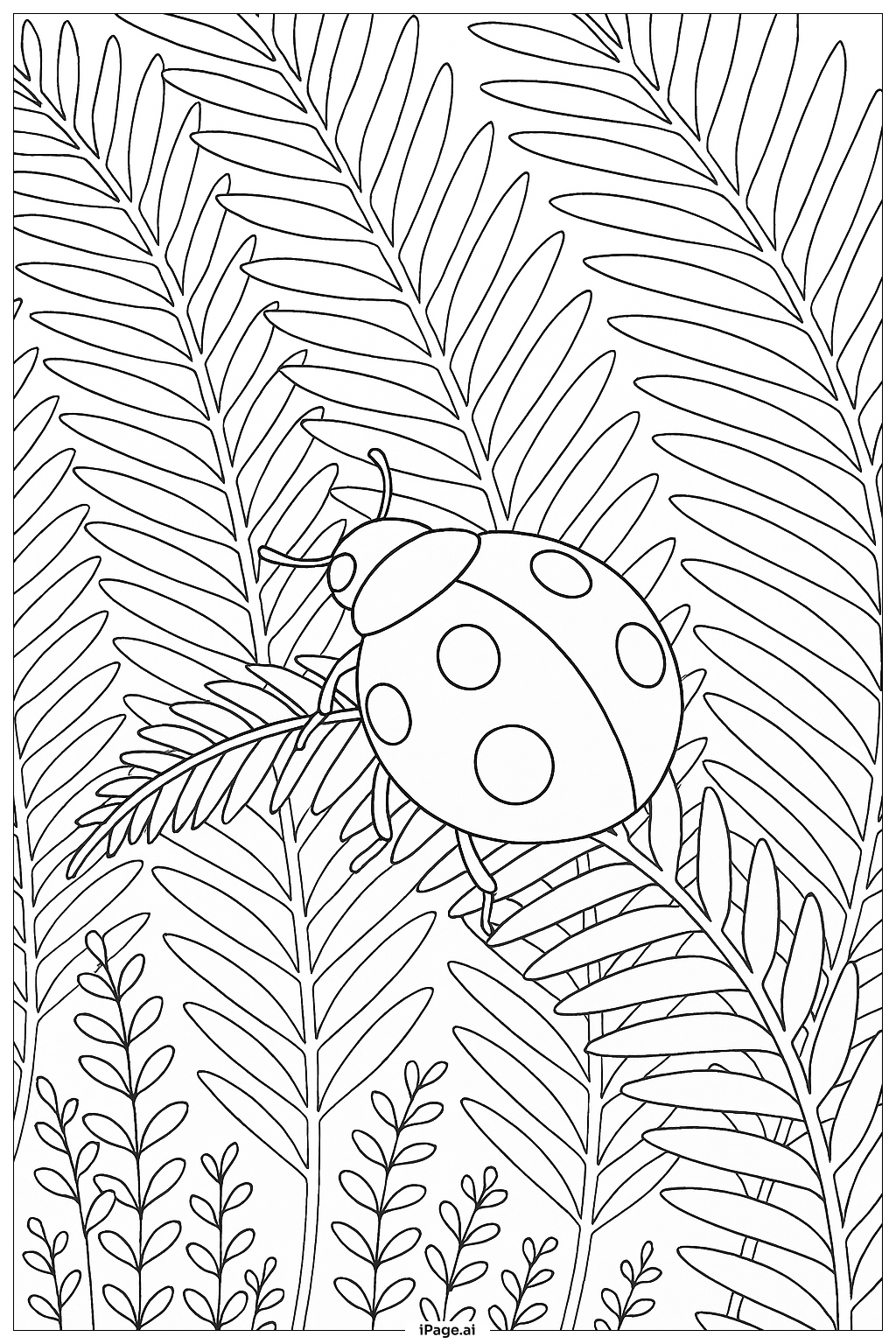
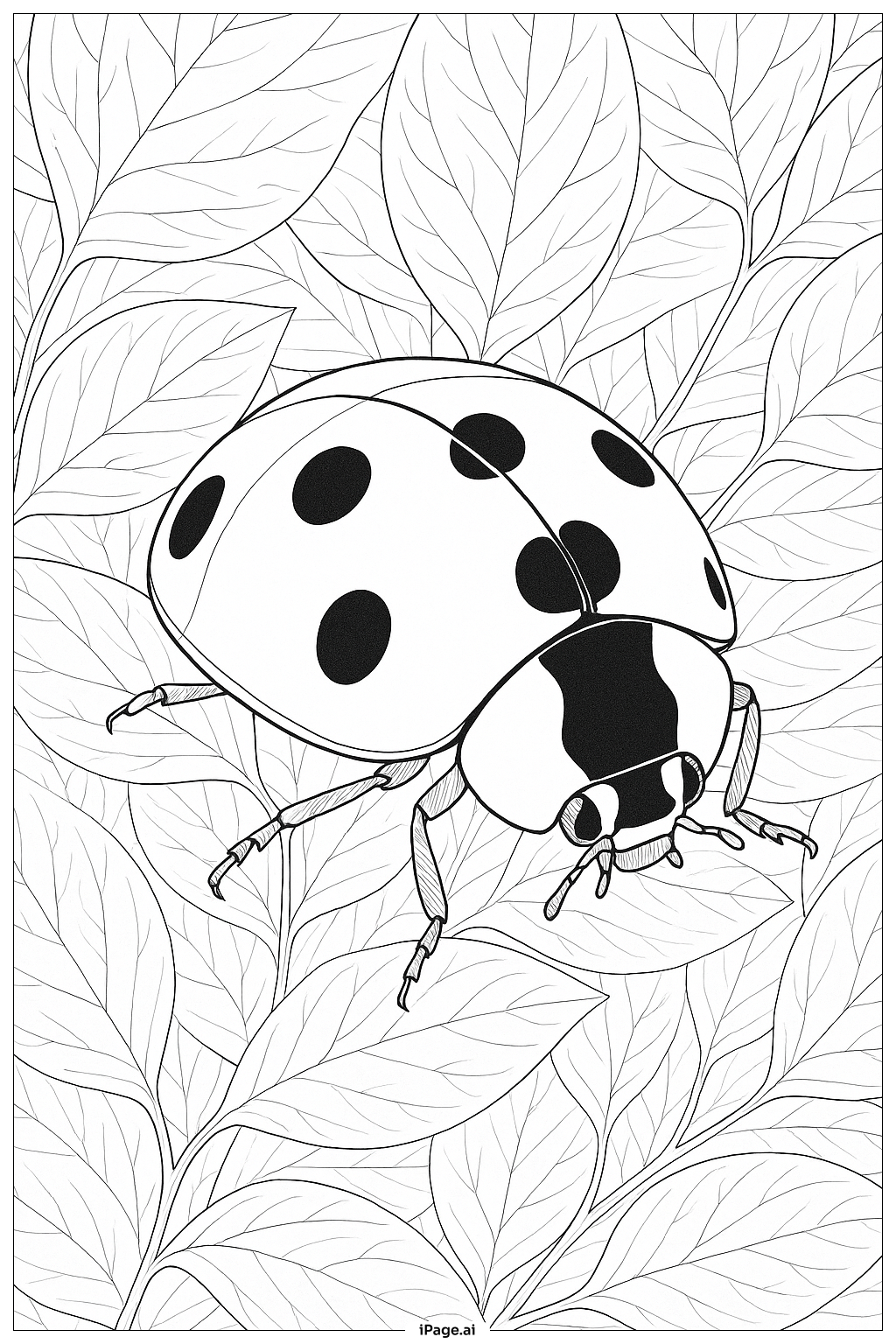
Use bright and vivid colors to bring the ladybug to life. Traditionally, ladybugs have a red shell with black spots, so you can start there. Color the wings with light shades like pale yellow or light orange to show they are flying. The antennae and legs can be black or dark brown. You can also add some green or blue shades in the background to represent the sky or leaves. Try to color gently within the lines and use shading techniques by applying more pressure for darker shades and less for lighter areas. This will make the ladybug look 3D and lively.
Coloring challenges: Which parts are difficult to color and need attention for Ladybug Flying coloring page?
1. Small Spots: The ladybug’s spots are small and need careful coloring to avoid coloring outside the lines.
2. Overlapping Wings: The wings overlap the shell, which might be confusing to color separately without mixing colors.
3. Antennae: The thin antennae require delicate coloring to keep them visible and neat.
4. Movement Lines: The curved lines showing flying movement should be colored lightly, or left white to keep the sense of motion.
5. Consistency: Keeping the colors consistent across the wings and body parts is important to make the ladybug look natural and balanced.
Benefits of coloring books: Advantages of drawing Ladybug Flying coloring page
Coloring this ladybug helps children improve their fine motor skills by practicing small, careful movements needed to color the detailed spots and antennae. It also encourages creativity, as kids can choose how they want to color the ladybug and its background. Coloring helps with concentration and patience since they need to be careful to stay within the lines. It also teaches children about insects and nature in a fun way, making learning enjoyable. Overall, this coloring activity supports both artistic skills and knowledge development.