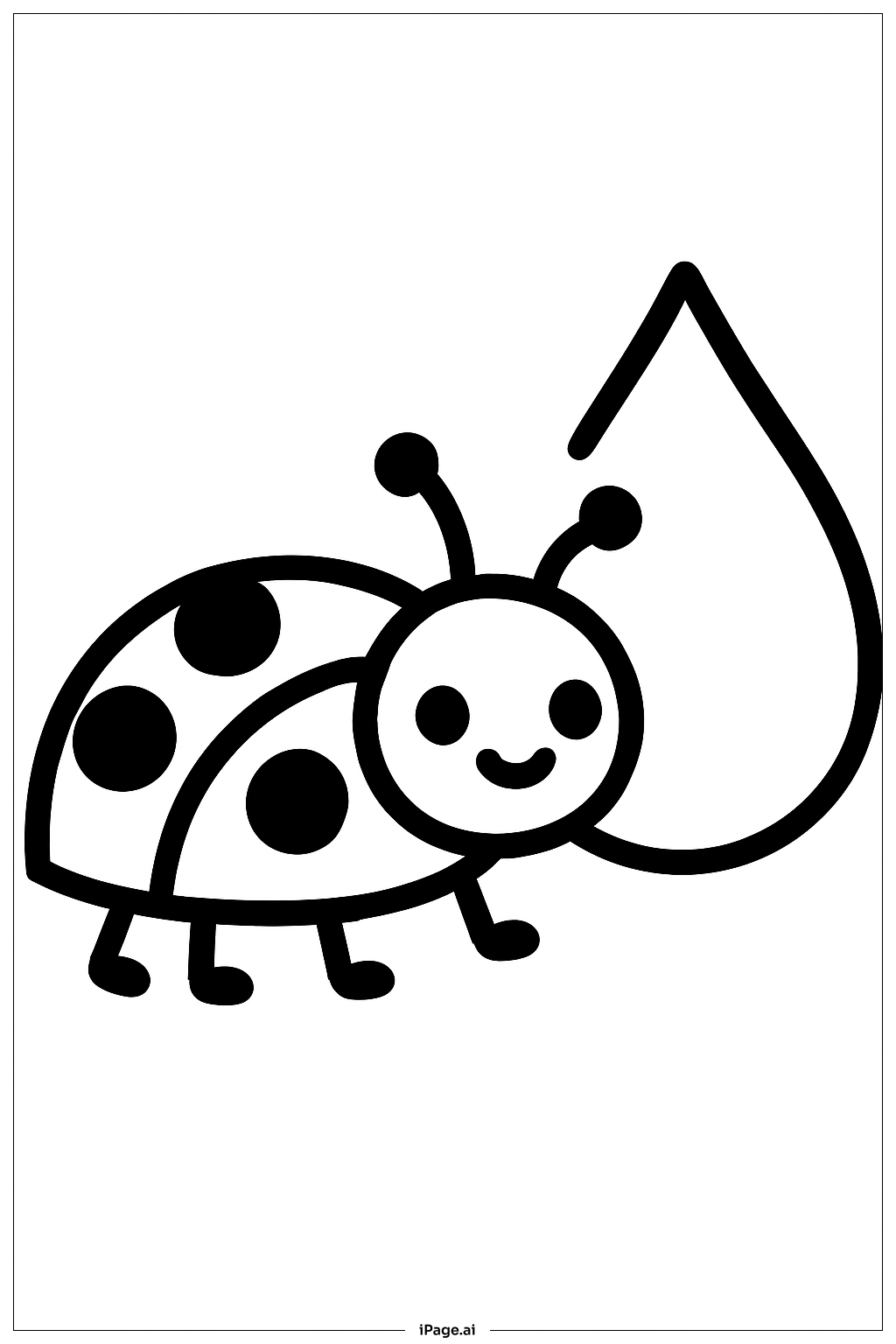
Coloring tips: How to color Ladybug And Raindrop coloring page well?
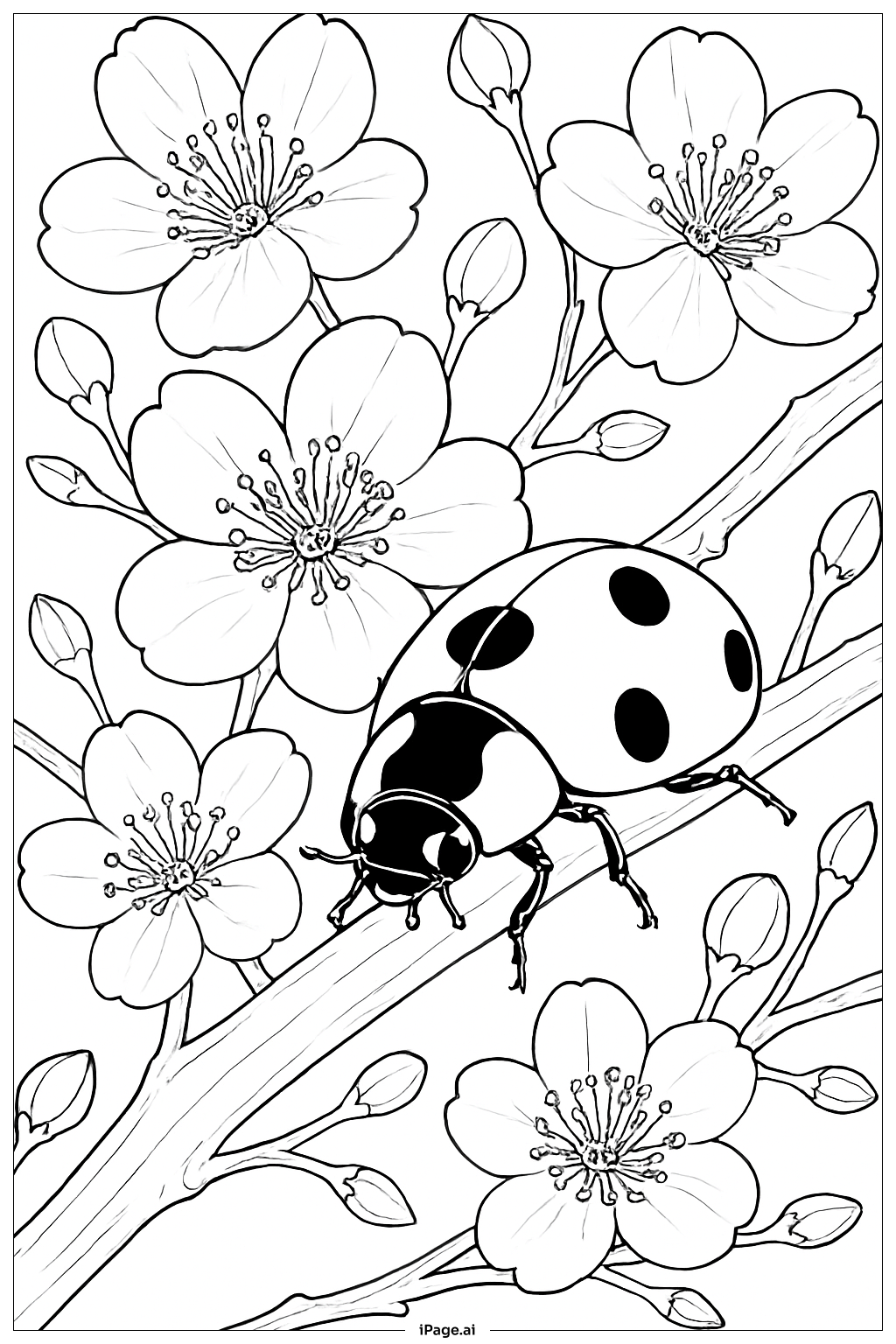
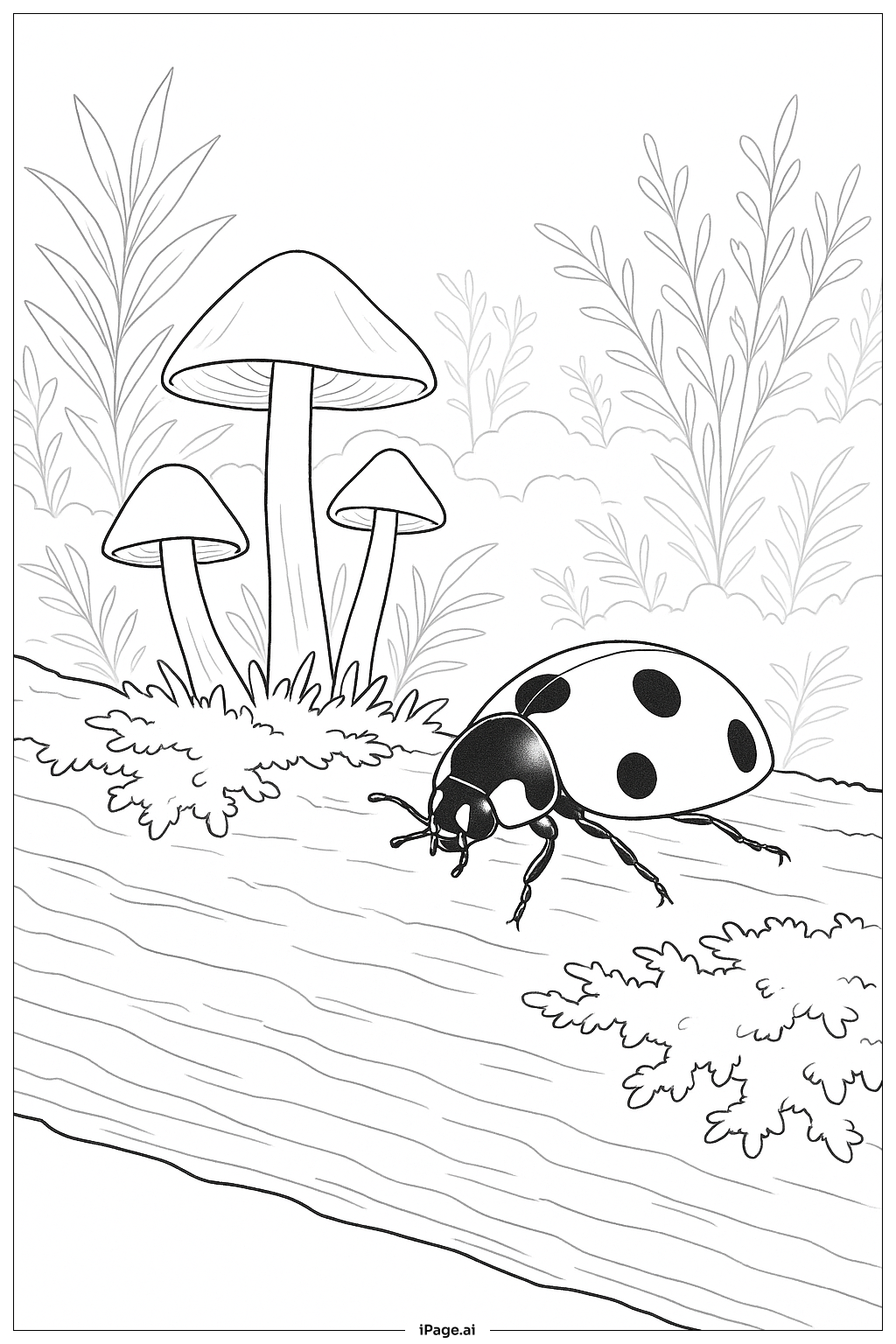
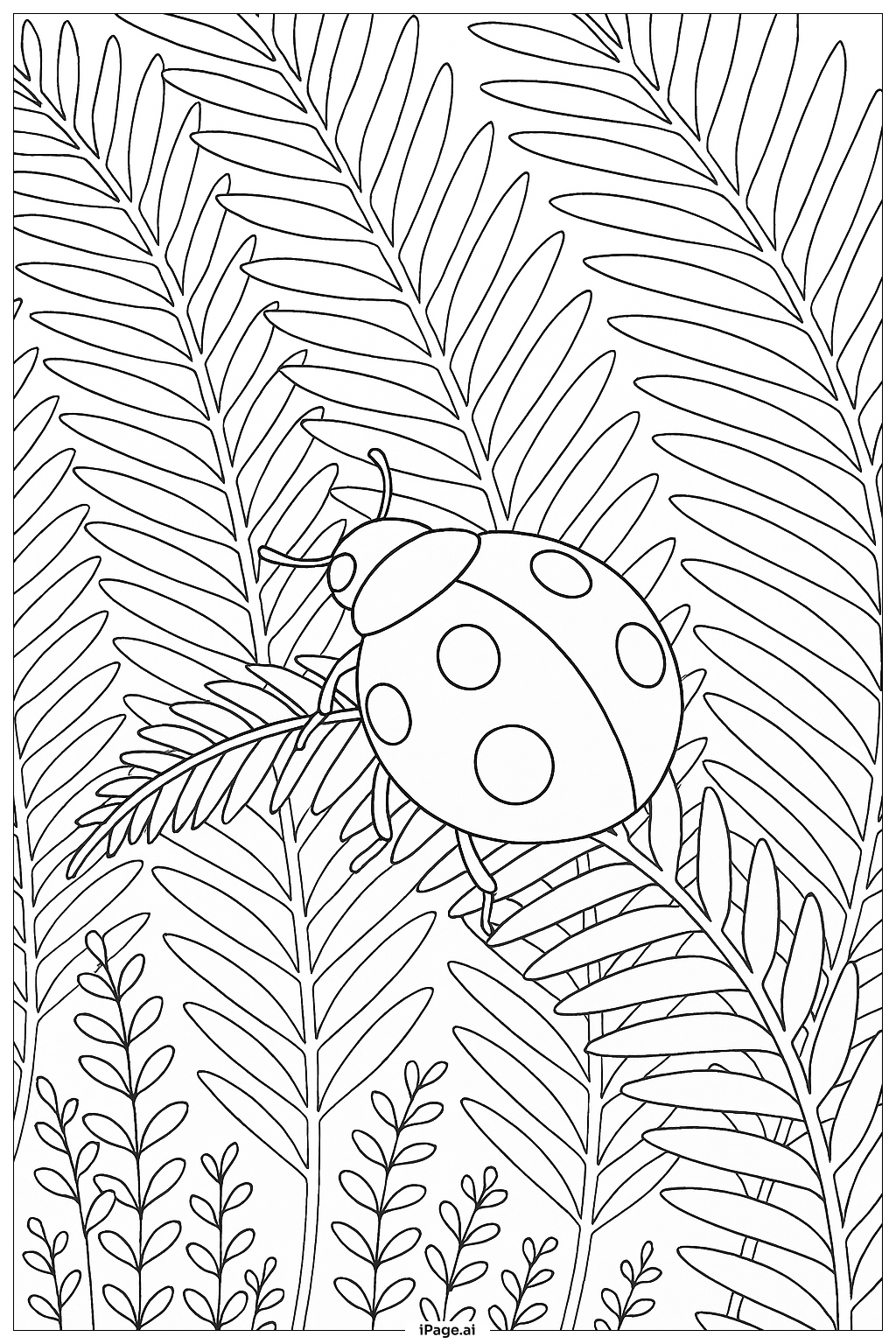
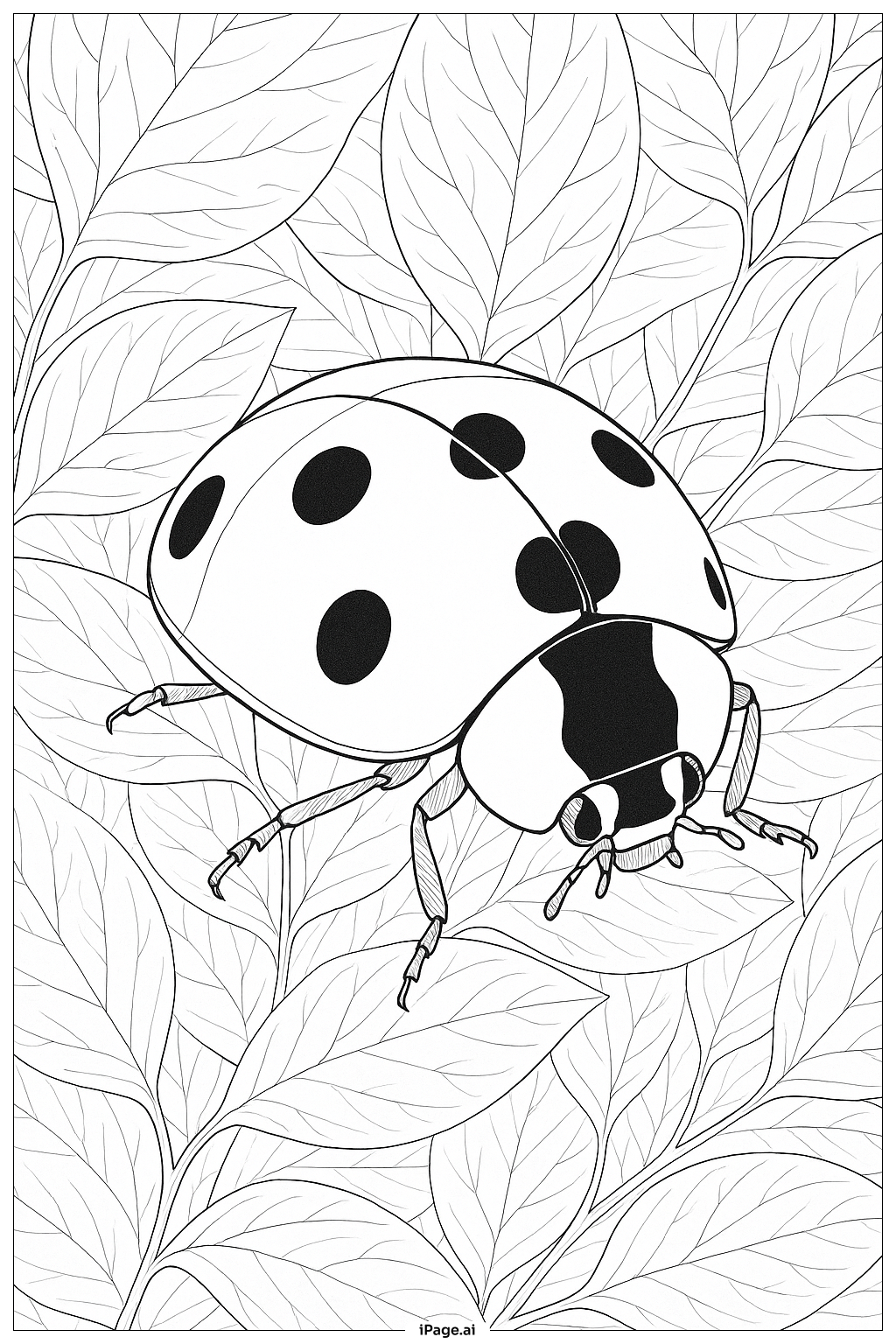
Start with the ladybug using bright red or orange for the wing covers, adding classic black spots for that iconic look. The head can be colored black to create nice contrast. For the raindrop, try light blue with white areas left uncolored to show shine and transparency, or use gray-blue tones for a more realistic water effect. The leaf offers wonderful opportunities with various shades of green, from lime to forest green, with darker tones along the veins to add depth. Consider using yellow-green for a fresh spring look or brown-green for autumn. The smaller droplets can match your main raindrop colors. Add a soft blue or gray background wash to suggest rainy weather, or leave it white for a clean, simple look. Don't forget to add shadows under the ladybug and around the droplets to make everything pop off the page!
Coloring challenges: Which parts are difficult to color and need attention for Ladybug And Raindrop coloring page?
• Raindrop Transparency Effect: The large raindrop requires careful color blending to achieve a realistic water appearance. Children may find it challenging to create the illusion of transparency and shine, requiring light pressure with blues or grays while leaving strategic white spaces for highlights. The curved surface needs gradual color transitions from darker edges to lighter centers.
• Leaf Vein Details: The intricate vein patterns throughout the leaf demand precision and steady hand control. These thin lines create small sections that can be difficult for younger children to color without crossing boundaries. Choosing appropriate color variations to distinguish veins from the main leaf surface while maintaining a natural look requires planning and patience.
• Ladybug Spot Placement: The spots on the ladybug's body need to be colored uniformly in black while keeping the red background clean. The contrast between these two colors requires careful attention, especially where spots meet the edges of the wing covers. Younger colorists might struggle to stay within these small circular shapes.
• Multiple Small Droplets: The scattered smaller water droplets around the scene present challenges in maintaining consistency. Each tiny droplet should ideally match the coloring technique used on the large raindrop, requiring repeated application of the same transparency and highlighting effects on much smaller scales, which tests fine motor skills and patience.
Benefits of coloring books: Advantages of drawing Ladybug And Raindrop coloring page
This delightful image offers wonderful learning opportunities for young artists. Coloring the ladybug helps children practice creating contrast between different areas, strengthening their understanding of how colors work together. The raindrop provides an excellent introduction to showing transparent objects and light effects, encouraging creative problem-solving about how to represent water. Working on the detailed leaf veins develops fine motor control and hand-eye coordination, essential skills for writing and other precise tasks. The nature theme sparks curiosity about insects, weather, and how creatures interact with their environment. The variety of elements keeps children engaged, preventing boredom while building focus and concentration. Completing this charming scene builds confidence and provides a sense of accomplishment. The peaceful subject matter also offers calming benefits, helping children relax while expressing creativity through their color choices.