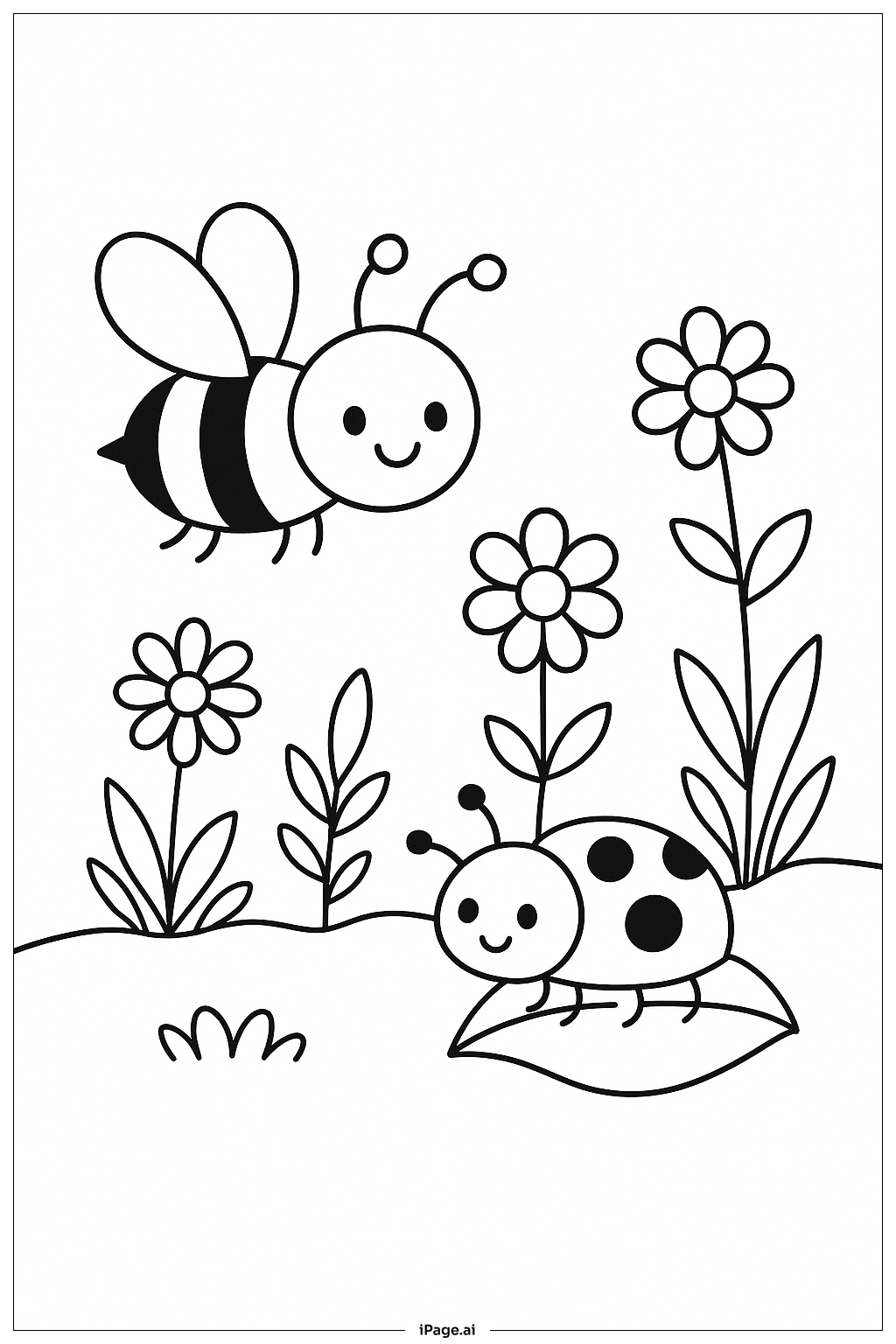
Coloring tips: How to color Ladybug And Bee coloring page well?
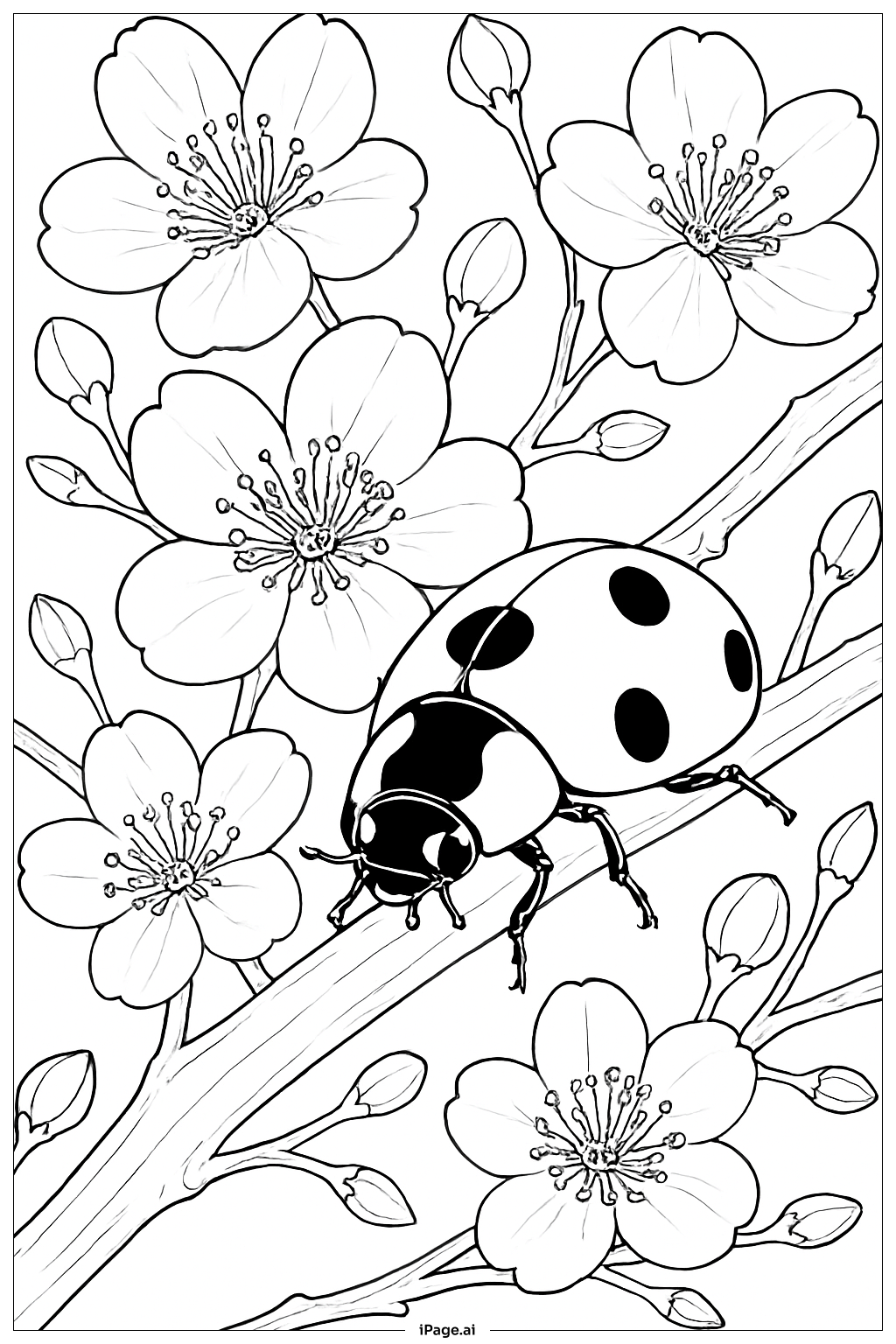
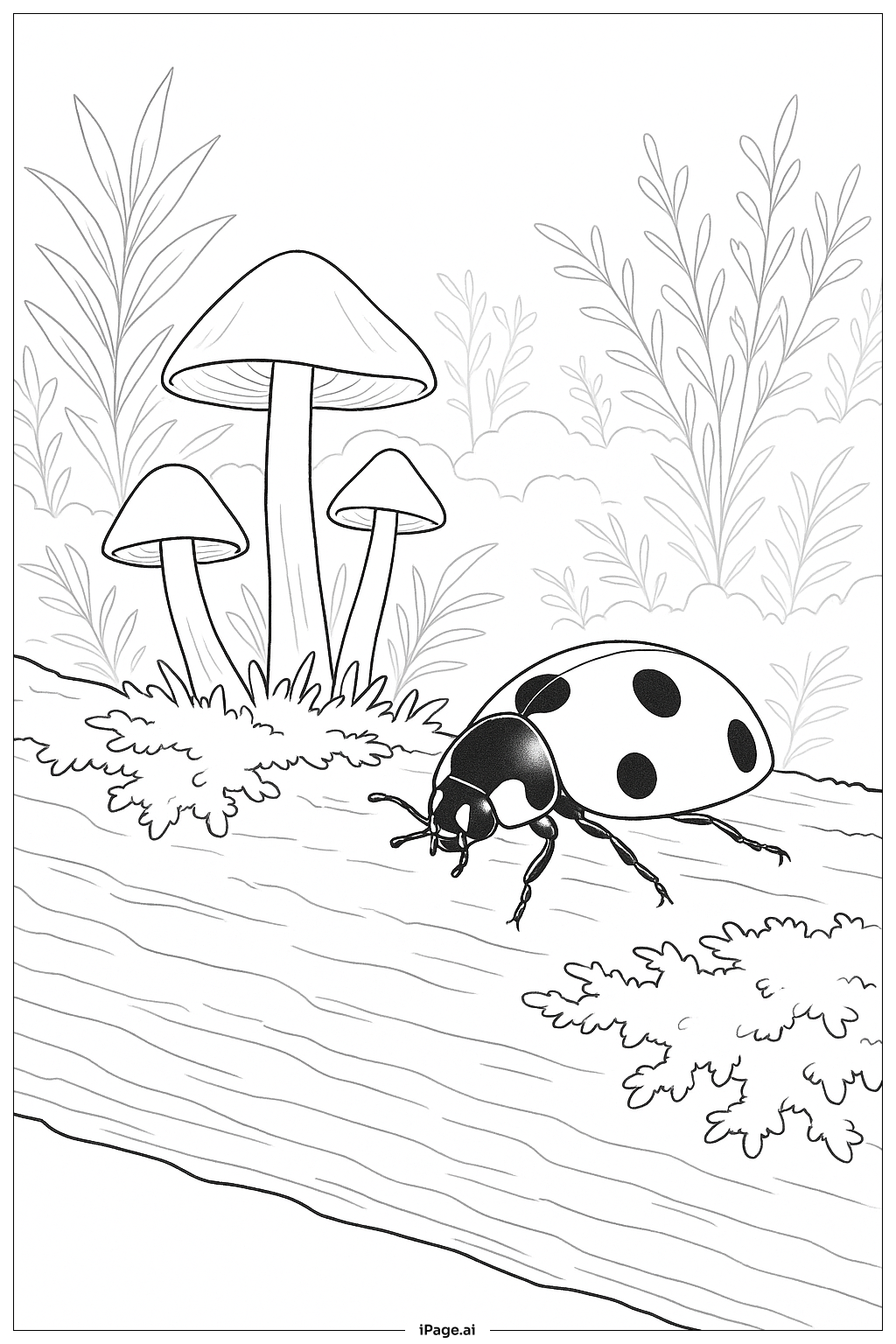
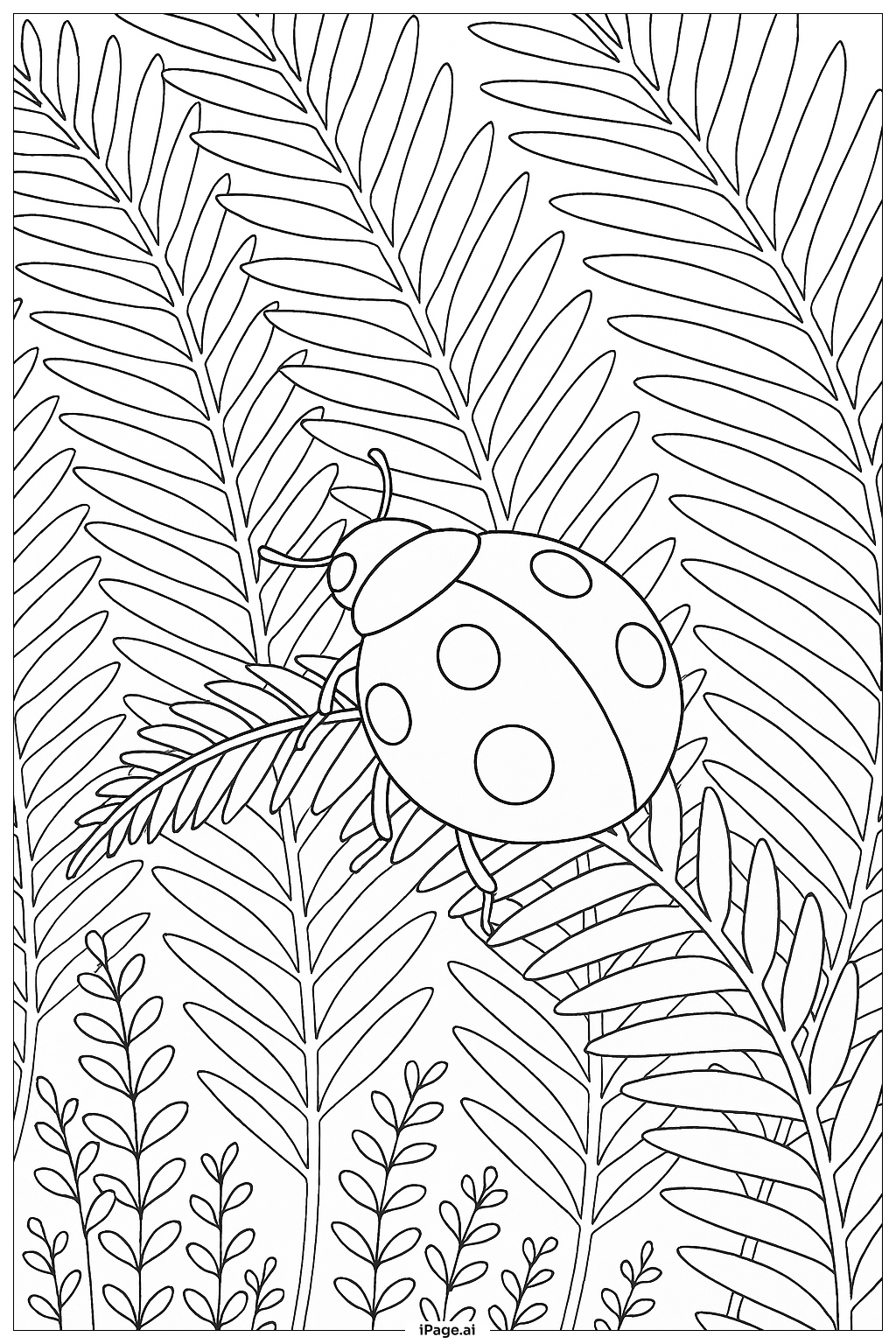
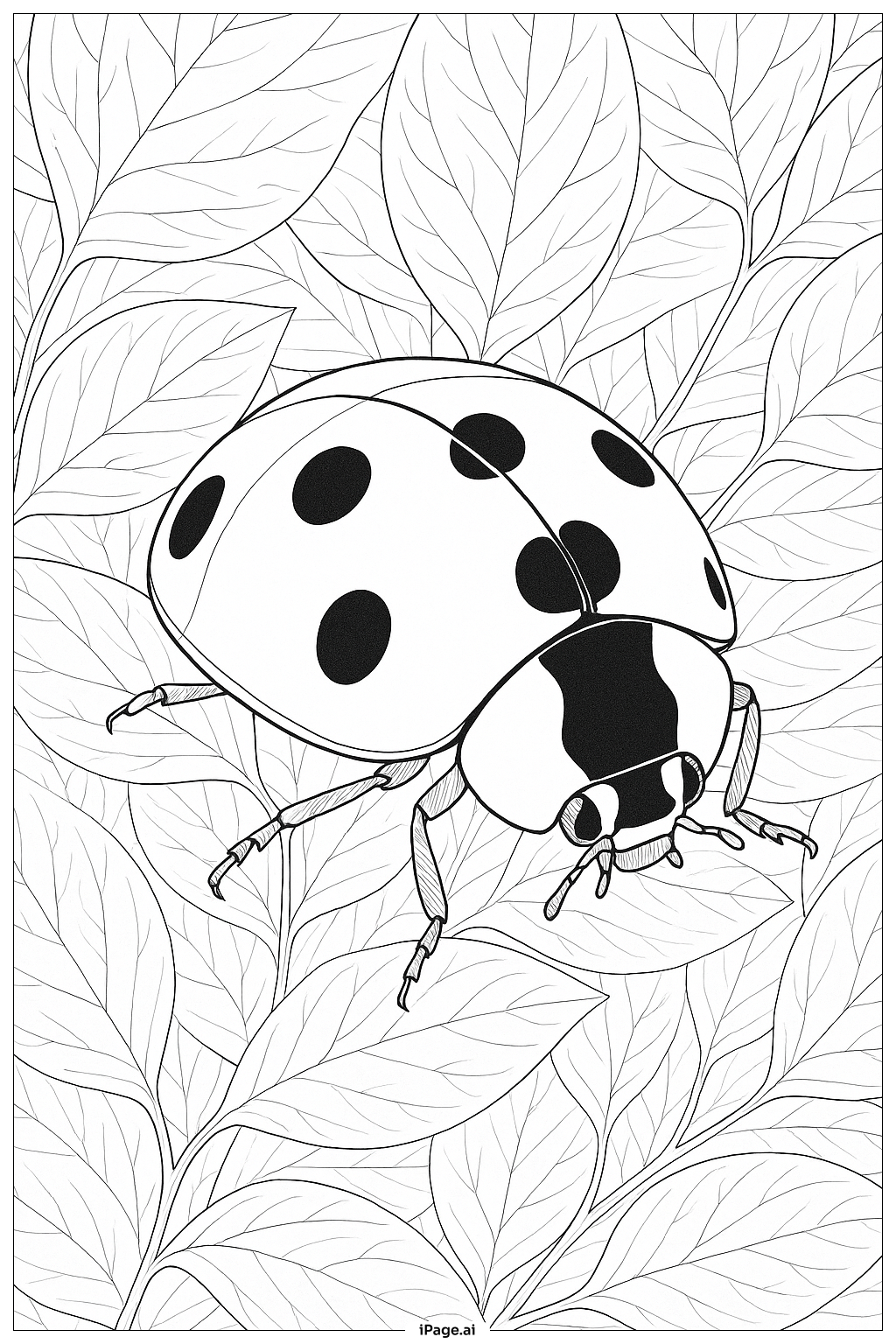
Start with the ladybug using classic bright red for the wing covers and add black spots. Color the head and legs black to create strong contrast. For the bee, use yellow and black stripes across the body, making sure to alternate the colors evenly. Add a light orange or golden tone to give the bee a fuzzy appearance. The wings of both insects can be colored with light blue, gray, or left white with a hint of shimmer. Use various shades of green for the grass and leaves to add depth. Choose vibrant colors for the flowers like pink, purple, yellow, or orange to make the garden scene lively. Consider adding a light blue sky background or keeping it white to make the insects stand out. Use colored pencils for smooth blending or markers for bold, bright results.
Coloring challenges: Which parts are difficult to color and need attention for Ladybug And Bee coloring page?
• Ladybug Spots Placement: The circular spots on the ladybug's back require careful attention to stay within the rounded boundaries while maintaining even color distribution. Young children may find it challenging to color each spot neatly without going outside the lines or making them look uneven. The symmetrical arrangement of spots demands patience and a steady hand, especially when using markers that can bleed.
• Bee Stripes Precision: Creating even, alternating yellow and black stripes across the bee's curved body presents a significant challenge. The stripes need to follow the body's contour, which requires understanding of how colors wrap around rounded surfaces. Children must decide where each stripe begins and ends while keeping them parallel and evenly spaced, which tests their fine motor control and planning skills.
• Transparent Wings Detail: Both the ladybug and bee have delicate wing structures that require subtle coloring techniques. Achieving a transparent or translucent effect is difficult, as it involves light pressure, layering, or leaving areas mostly uncolored while adding just hints of color. The veining patterns in the wings need fine-tip tools and careful line work.
• Background Elements Balance: The flowers, grass, and other garden elements surrounding the main characters need color coordination to avoid overwhelming the scene. Children must make thoughtful choices about which colors to use where, ensuring the ladybug and bee remain the focal points while the background adds interest without creating visual chaos.
Benefits of coloring books: Advantages of drawing Ladybug And Bee coloring page
Coloring this ladybug and bee scene helps children develop essential fine motor skills through precise movements needed for spots, stripes, and small details. It encourages color recognition and decision-making as they choose appropriate hues for each insect and garden element. The activity promotes focus and patience, especially when working on challenging areas like the bee's stripes or ladybug's spots. Children learn about nature and insects while engaging creatively, building knowledge about these helpful garden creatures. The friendly characters make the experience enjoyable and less intimidating for beginners. Completing this page boosts confidence and provides a sense of accomplishment. It also offers opportunities for color mixing experiments and exploring different techniques with various coloring tools, fostering artistic expression and creativity in young artists.