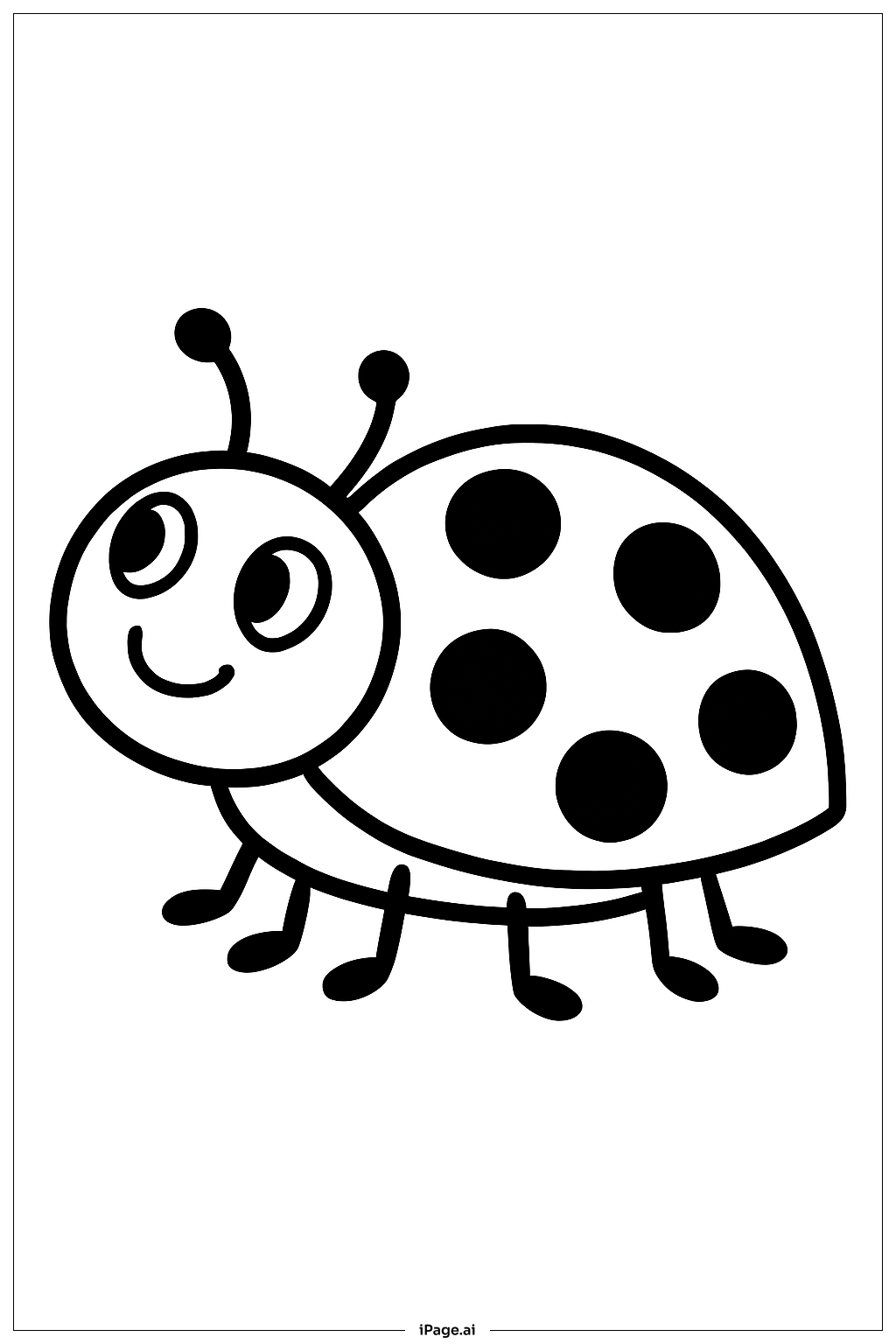
Coloring tips: How to color Curious Ladybug coloring page well?
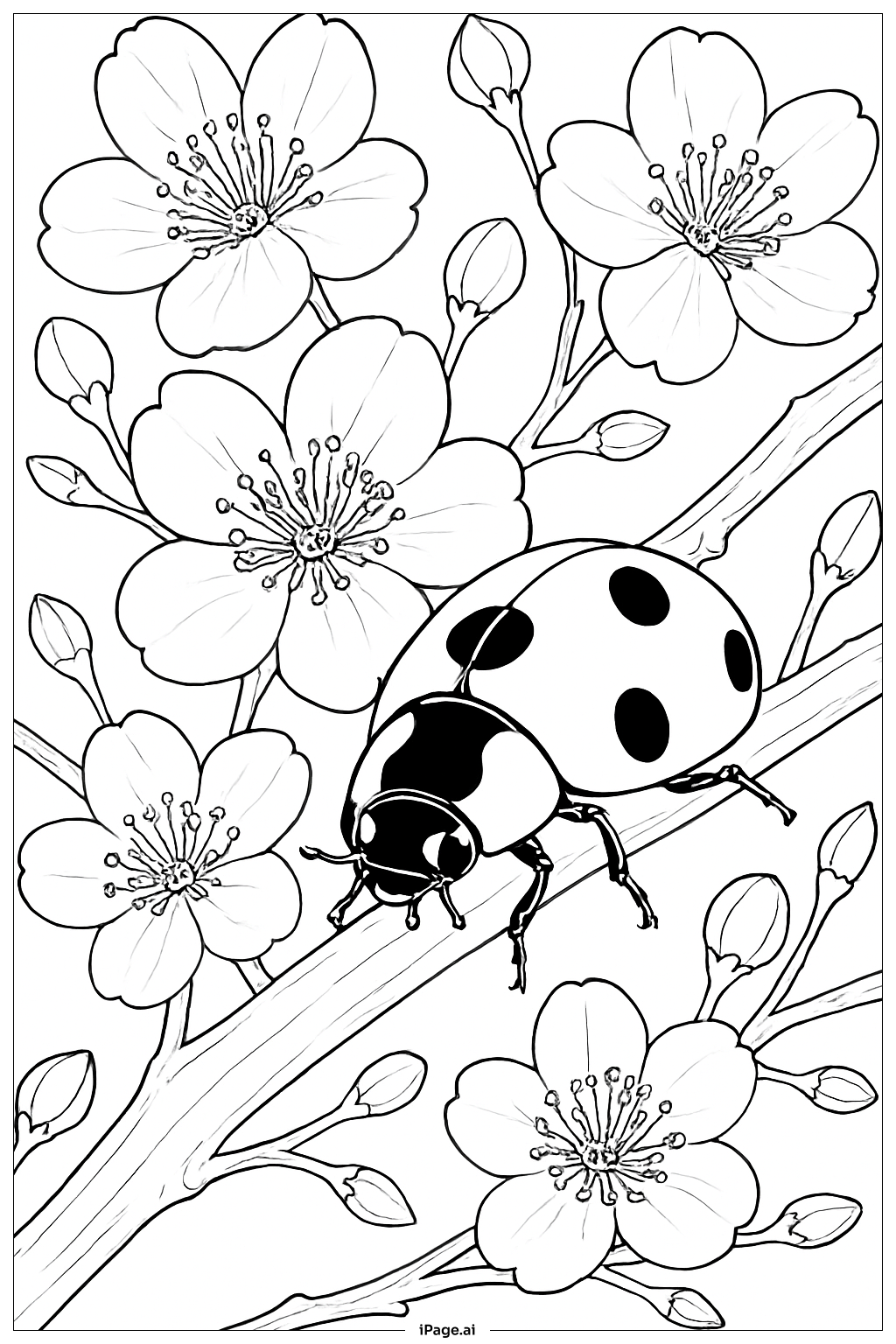
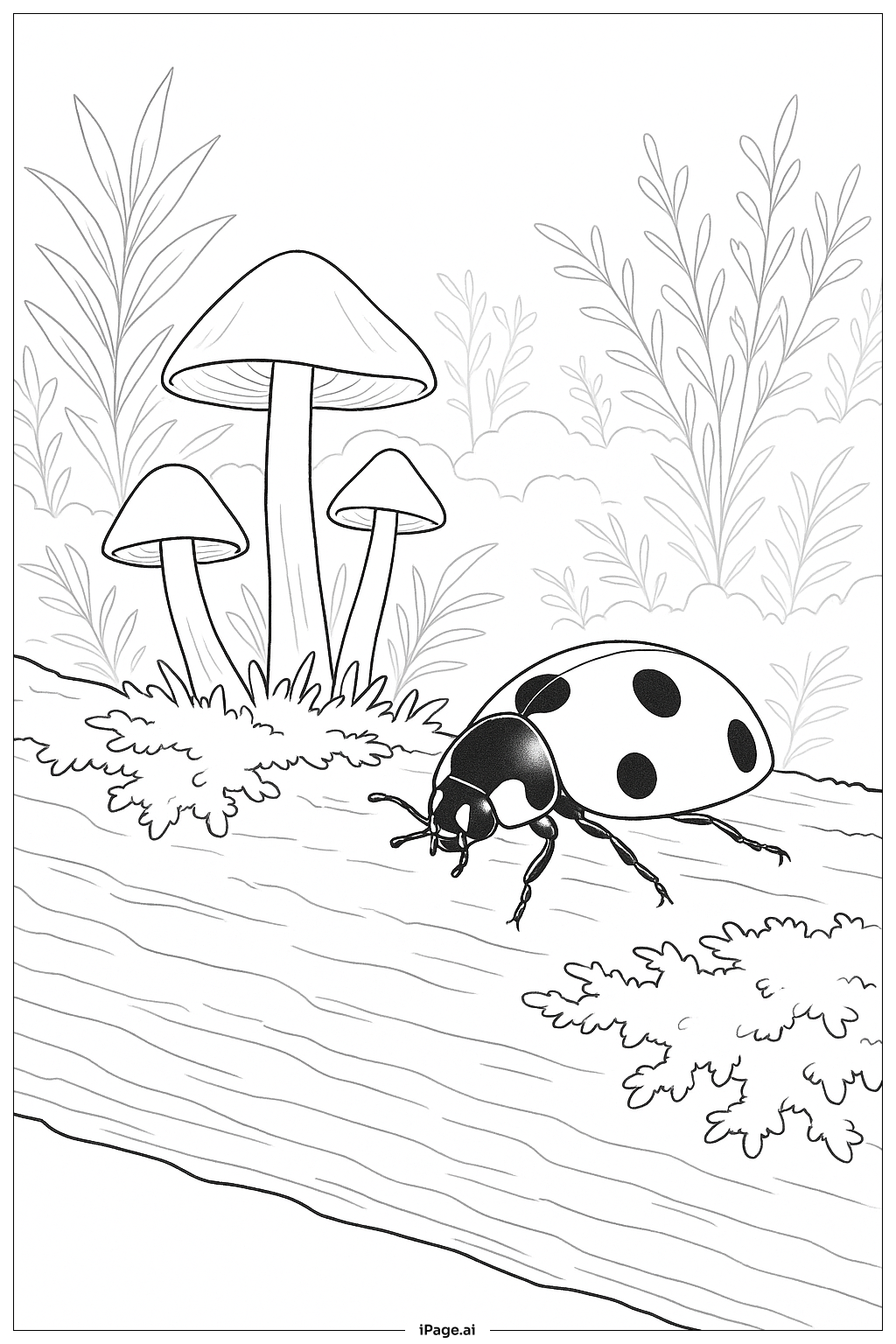
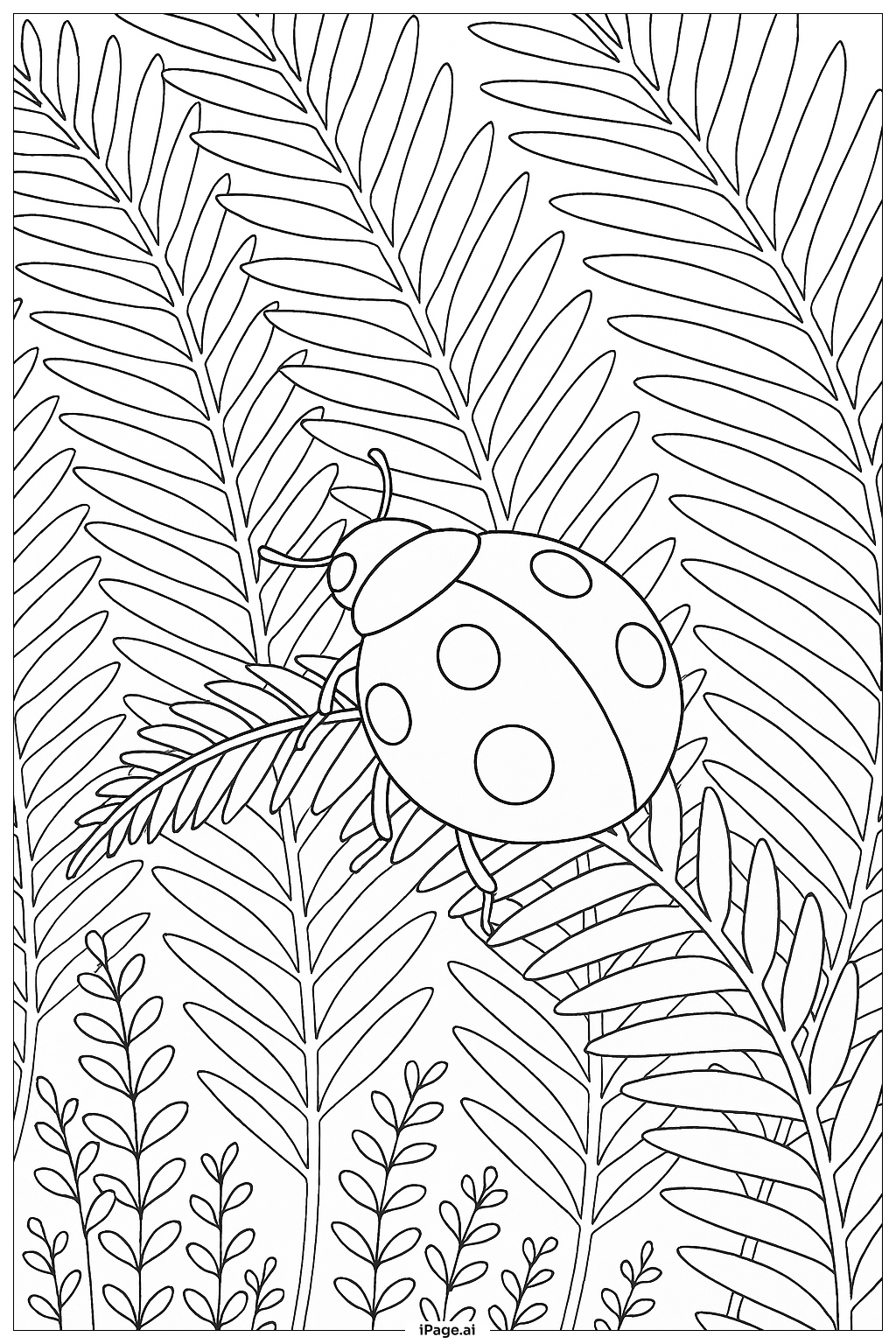
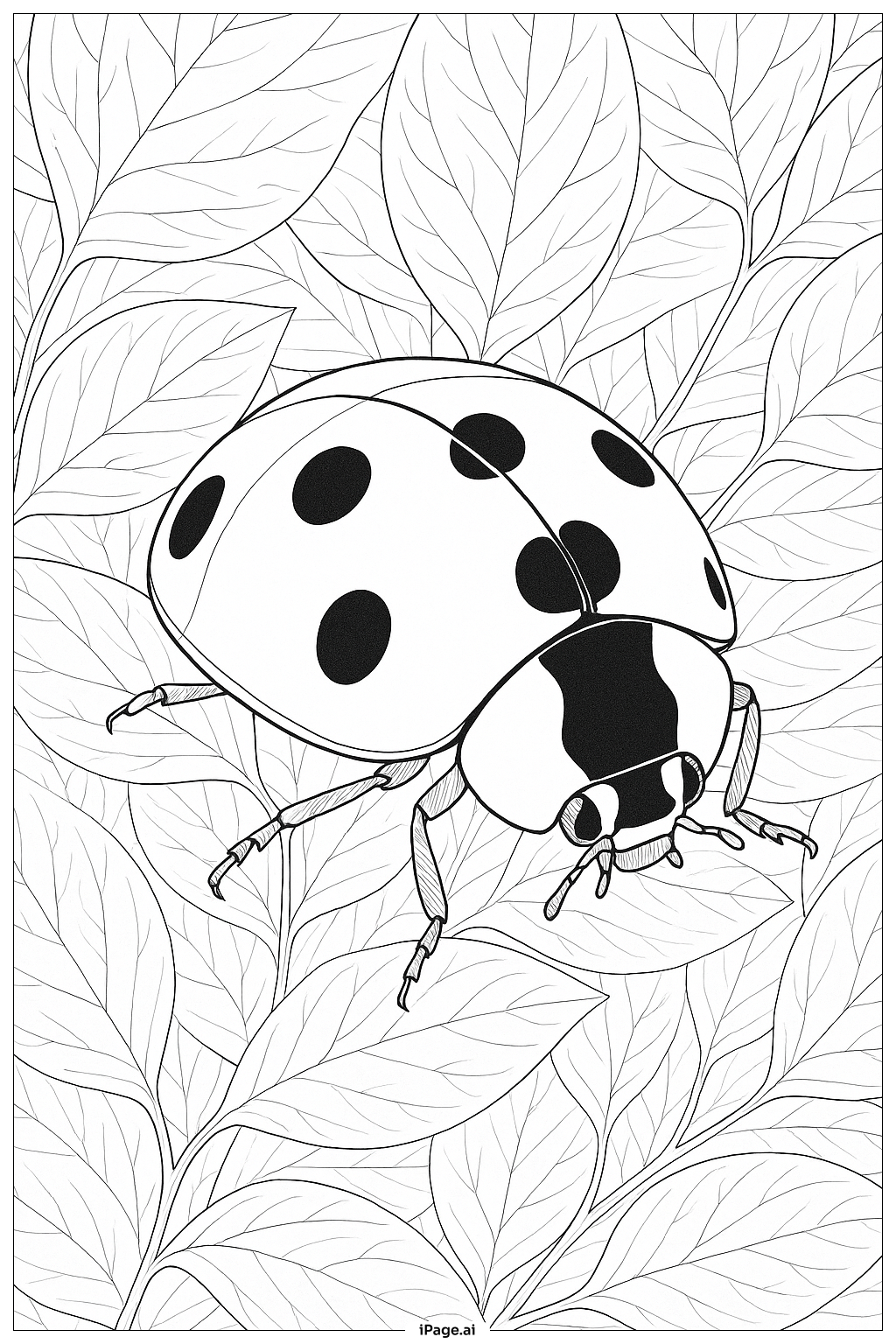
Start with the ladybug's iconic shell using bright red or orange as the base color, then add black spots in a symmetrical or random pattern. The head can be colored in deep black or dark brown to create contrast with the vibrant shell. For the eyes, use white with black pupils, adding a tiny white highlight dot to make them sparkle and appear truly curious. The antennae should match the head color. Color the legs in black or dark gray to maintain the classic ladybug appearance. Consider adding a soft yellow or light green background to suggest grass or a sunny garden setting. You might also add subtle shading around the edges of the shell using darker red to create dimension. For a creative twist, try non-traditional colors like pink, purple, or blue for a fantasy ladybug version.
Coloring challenges: Which parts are difficult to color and need attention for Curious Ladybug coloring page?
• Spot Placement and Consistency: The ladybug's spots require careful attention to ensure they are evenly colored and stay within their boundaries. Children may find it challenging to color multiple circular spots without going over the lines, especially if the spots are small or numerous. Maintaining consistent color intensity across all spots while keeping them distinct from the red shell requires steady hand control and patience.
• Eye Details and Expression: The large, expressive eyes are central to the ladybug's curious personality, but they present several challenges. Coloring the pupils precisely, leaving white highlights uncolored, and creating the right contrast between different eye sections requires fine motor control. Young children might accidentally color over the highlight areas that make the eyes appear shiny and alive, which diminishes the curious expression.
• Body Segmentation and Color Transitions: The ladybug has distinct body parts including the head, shell, and legs that require different colors. Transitioning cleanly between these sections without colors bleeding into each other can be tricky. The division line between the two wing covers on the shell needs careful attention to maintain symmetry. Children must also navigate coloring around the antennae and legs, which are thin features that connect to the main body.
• Maintaining Color Vibrancy: Achieving the bright, cheerful red that ladybugs are known for requires applying color evenly and with appropriate pressure. Children may struggle with creating solid, vibrant coverage without leaving white gaps or creating uneven patches, especially when using crayons or colored pencils over larger areas like the shell.
Benefits of coloring books: Advantages of drawing Curious Ladybug coloring page
Coloring this curious ladybug helps children develop fine motor skills and hand-eye coordination as they carefully fill in the spots and navigate around the defined outlines. The distinct sections of varying sizes offer practice with both broad strokes for larger areas and precision work for smaller details. This activity encourages color recognition and decision-making as children choose appropriate colors for a realistic ladybug or experiment with imaginative alternatives. The friendly, curious expression of the ladybug promotes emotional connection and storytelling, allowing children to imagine where the ladybug is exploring and what it might discover. Working with the symmetrical design helps develop an understanding of patterns and balance. The accomplishment of completing this cheerful character builds confidence and provides a sense of achievement, while the nature theme introduces children to insects in a positive, non-threatening way that can spark interest in the natural world.