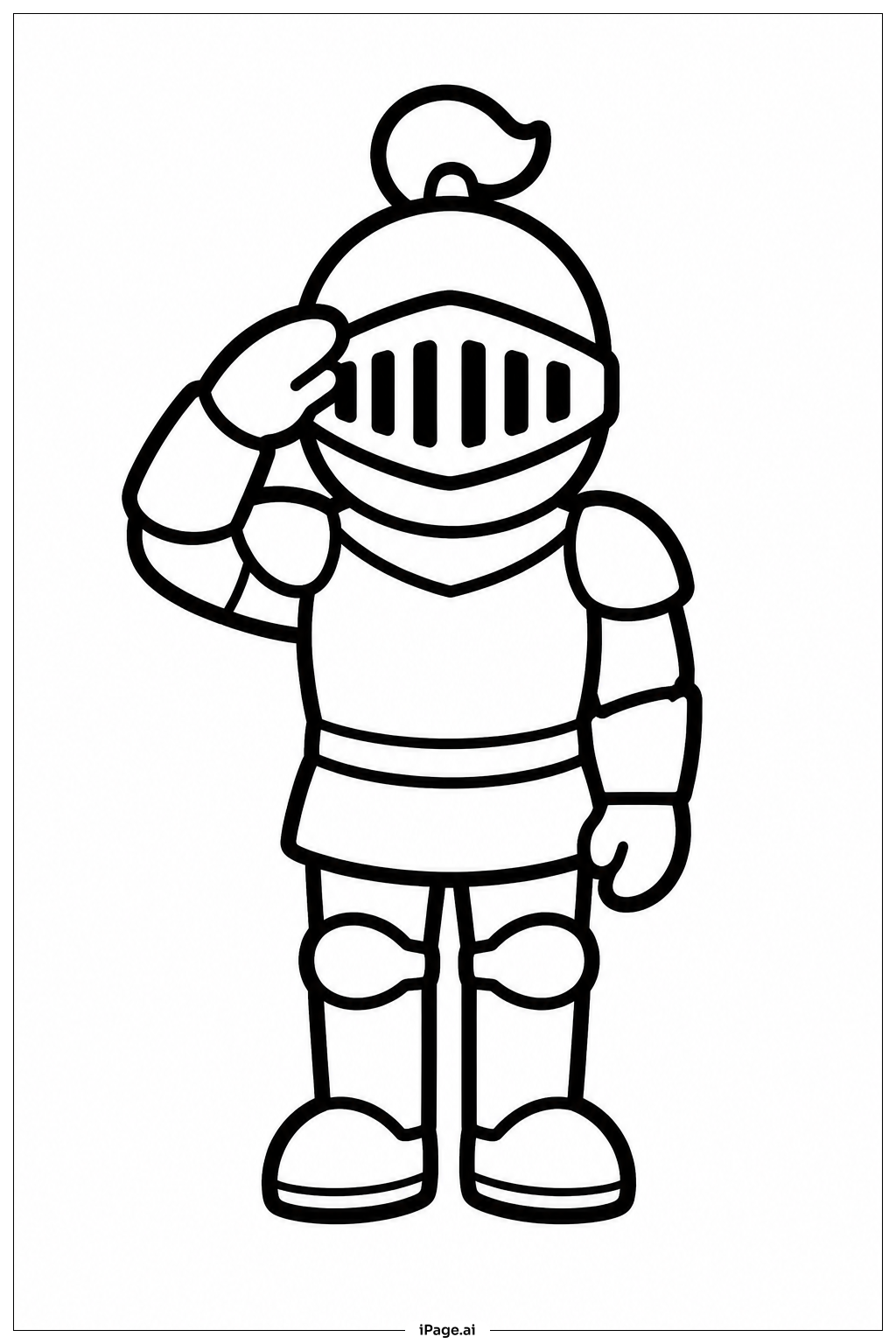
Coloring tips: How to color Knight Saluting coloring page well?
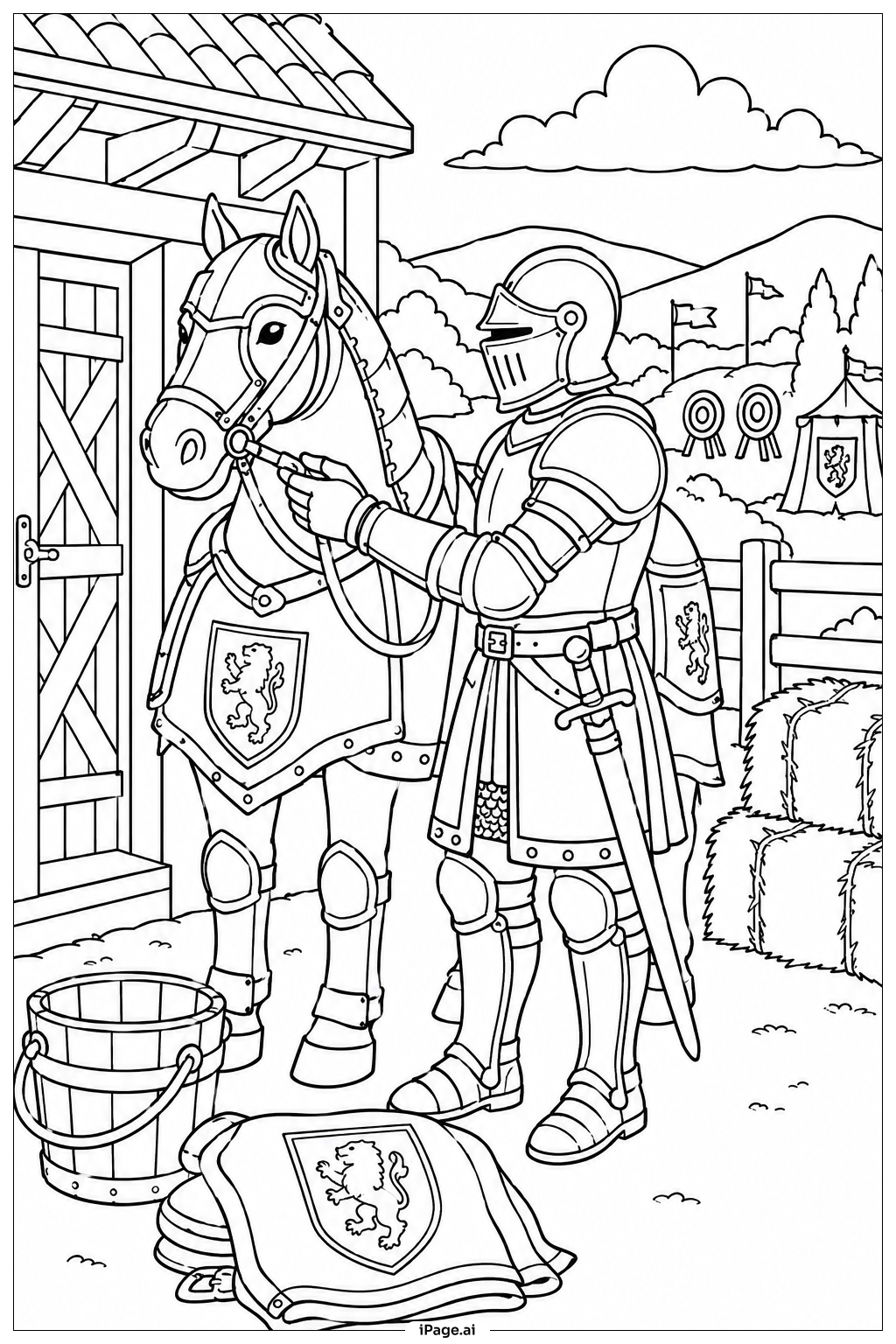
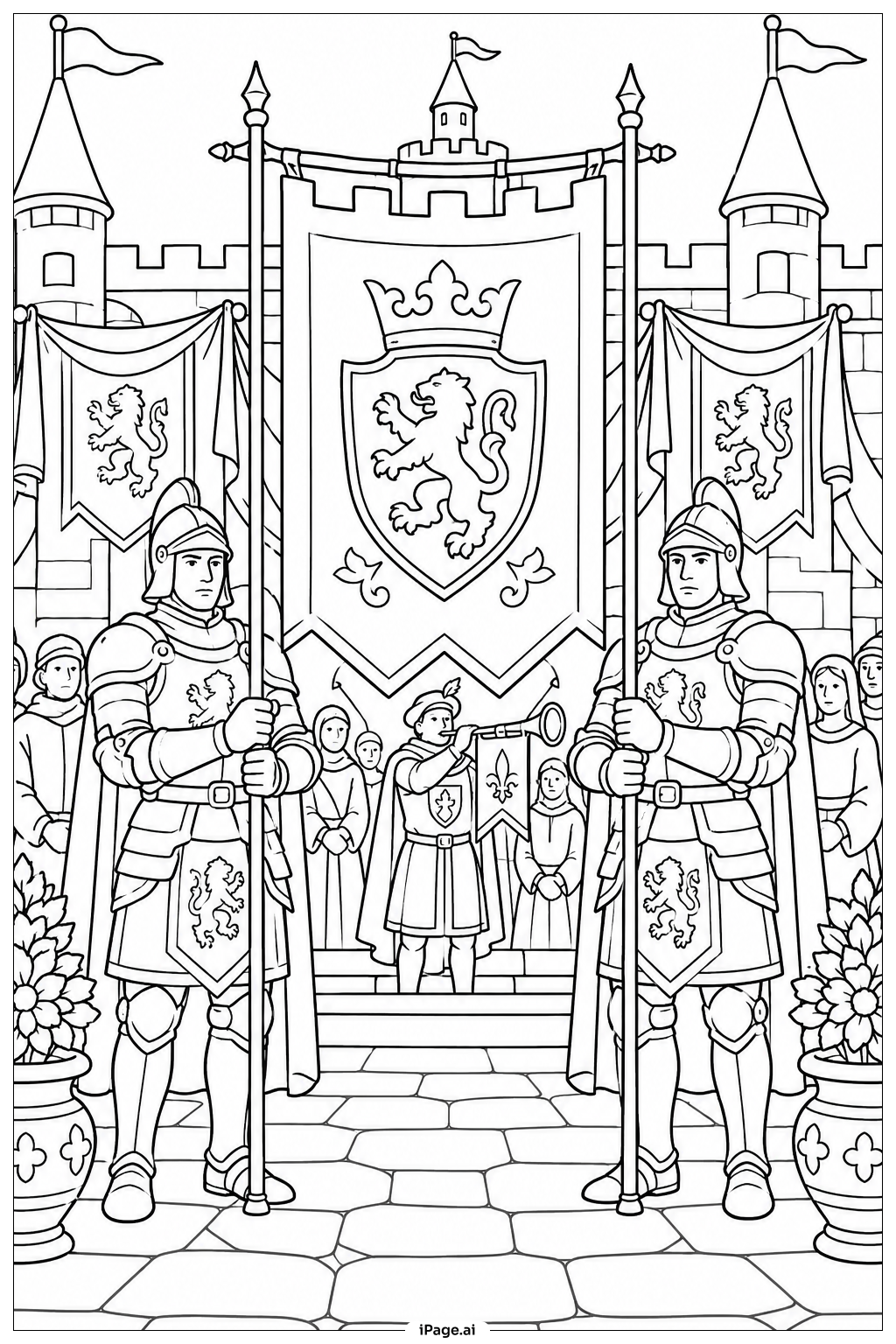
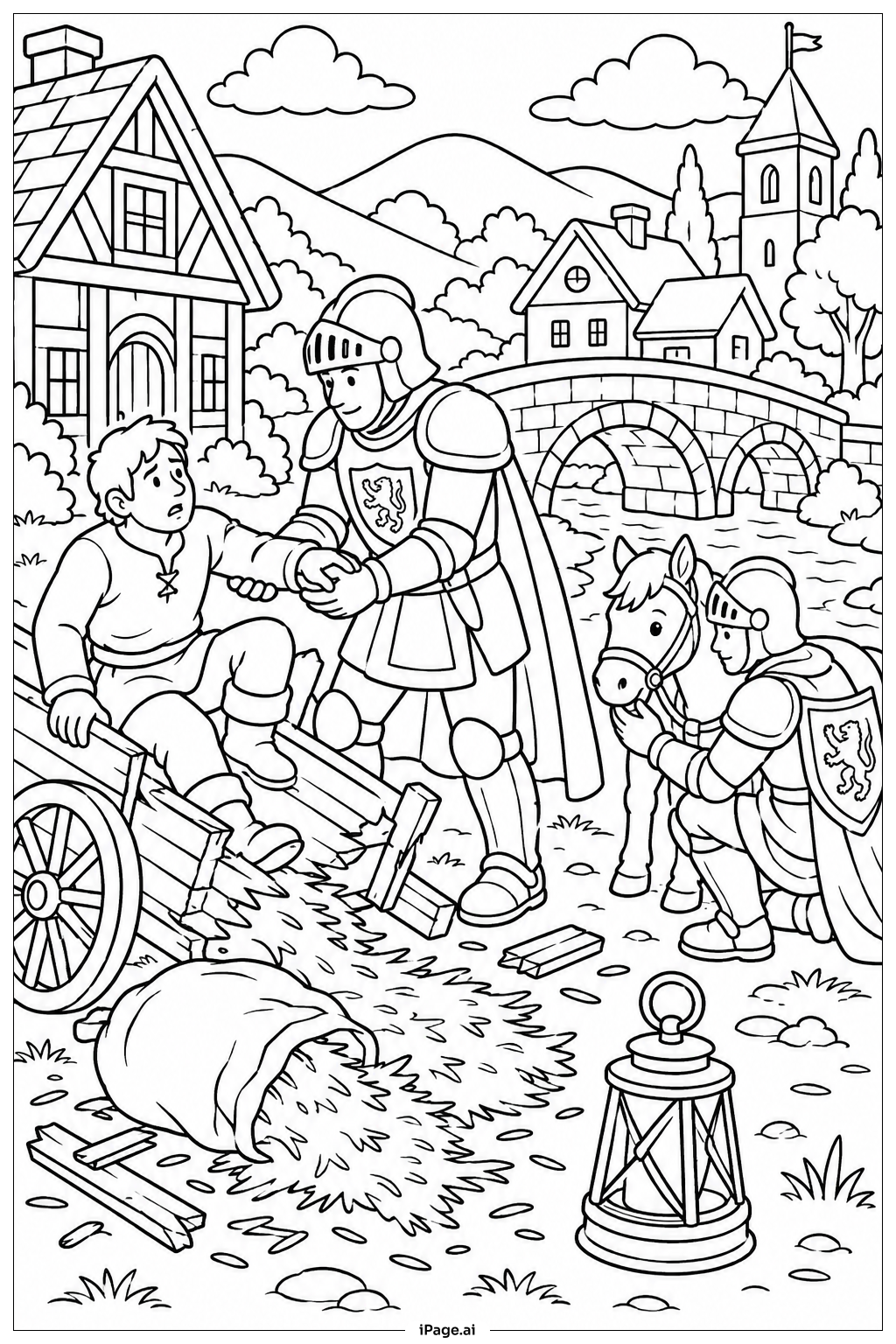
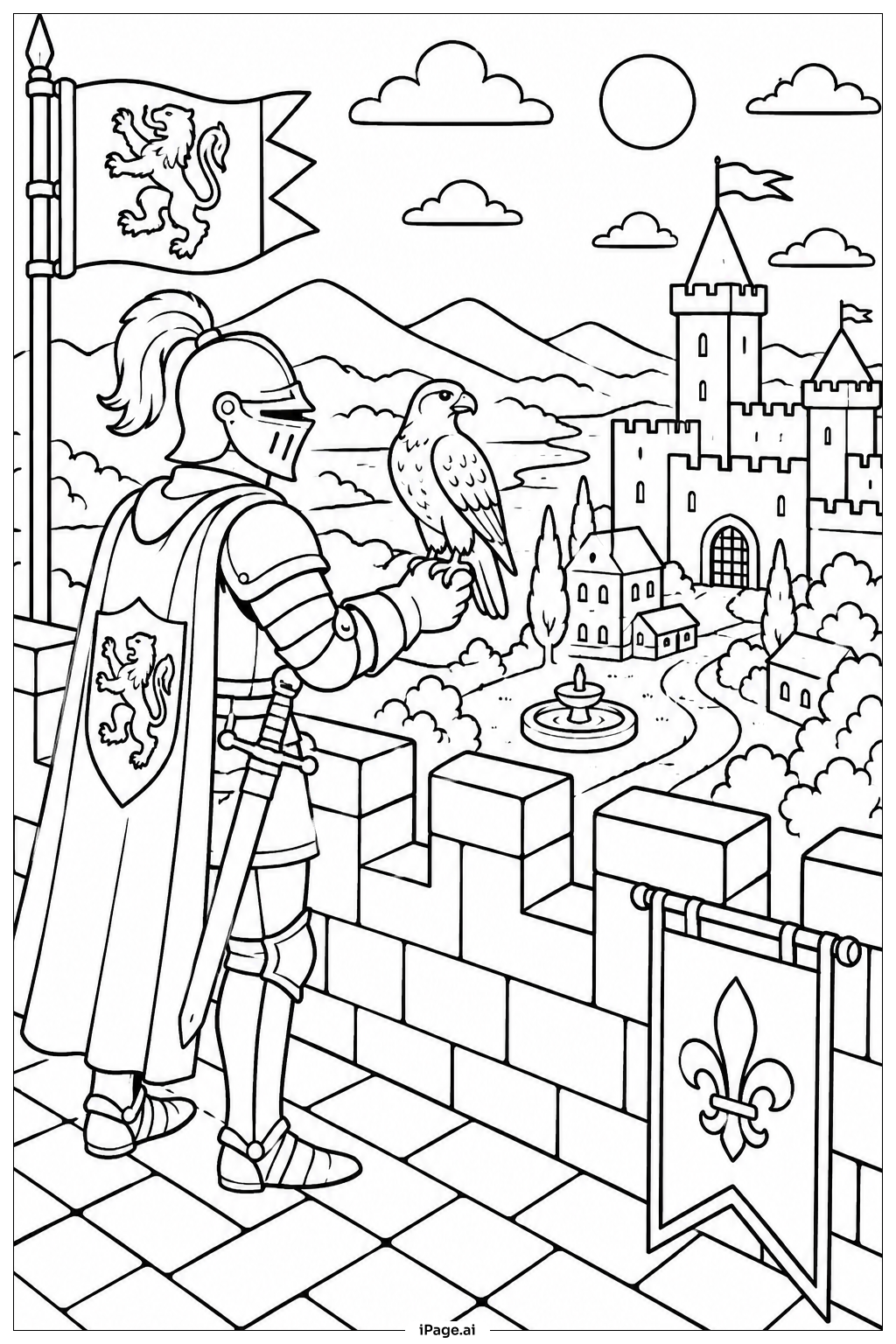
When coloring this Knight Saluting image, you can use silvery gray, steel blue, or metallic colors for the armor to make it look realistic and shiny. Try adding highlights with white or light gray to show the armor’s shine. For the Knight’s undersuit or clothing beneath, use darker colors like black, dark blue, or deep red to create contrast. You can color the visor with a darker gray or black to make it stand out. Feel free to add bright colors like gold or red to any decorative parts or details on the armor to give the Knight a royal and brave appearance. The background can be kept simple with soft greens or blues to keep the focus on the Knight.
Coloring challenges: Which parts are difficult to color and need attention for Knight Saluting coloring page?
• Armor Details: The Knight’s armor has many small plates and straps that require careful coloring to stay inside the lines and show the layered effect clearly. • Shiny Surfaces: Creating a realistic metallic look means blending different shades of gray and white, which might be challenging for younger children. • Hand Salute Pose: Coloring the raised hand neatly can be tricky due to the intricate armor and fingers shown in the salute position. • Visor and Helmet: The visor may be hard to shade correctly to give it depth and contrast while keeping it associated with the helmet. • Small Rivets and Decorations: These tiny elements need attention to avoid coloring outside them and to highlight them properly with bright colors or shading.
Benefits of coloring books: Advantages of drawing Knight Saluting coloring page
Coloring this Knight Saluting image helps develop fine motor skills by practicing precise coloring within small and detailed areas like the armor plates and rivets. It encourages focus and patience, especially when blending colors to create shiny metal effects. This activity also allows children to use their imagination and learn about medieval times and knights. By choosing colors and shading techniques, kids can improve their understanding of light and shadow. Overall, it’s a fun and educational coloring page that teaches artistic skills and historical appreciation.