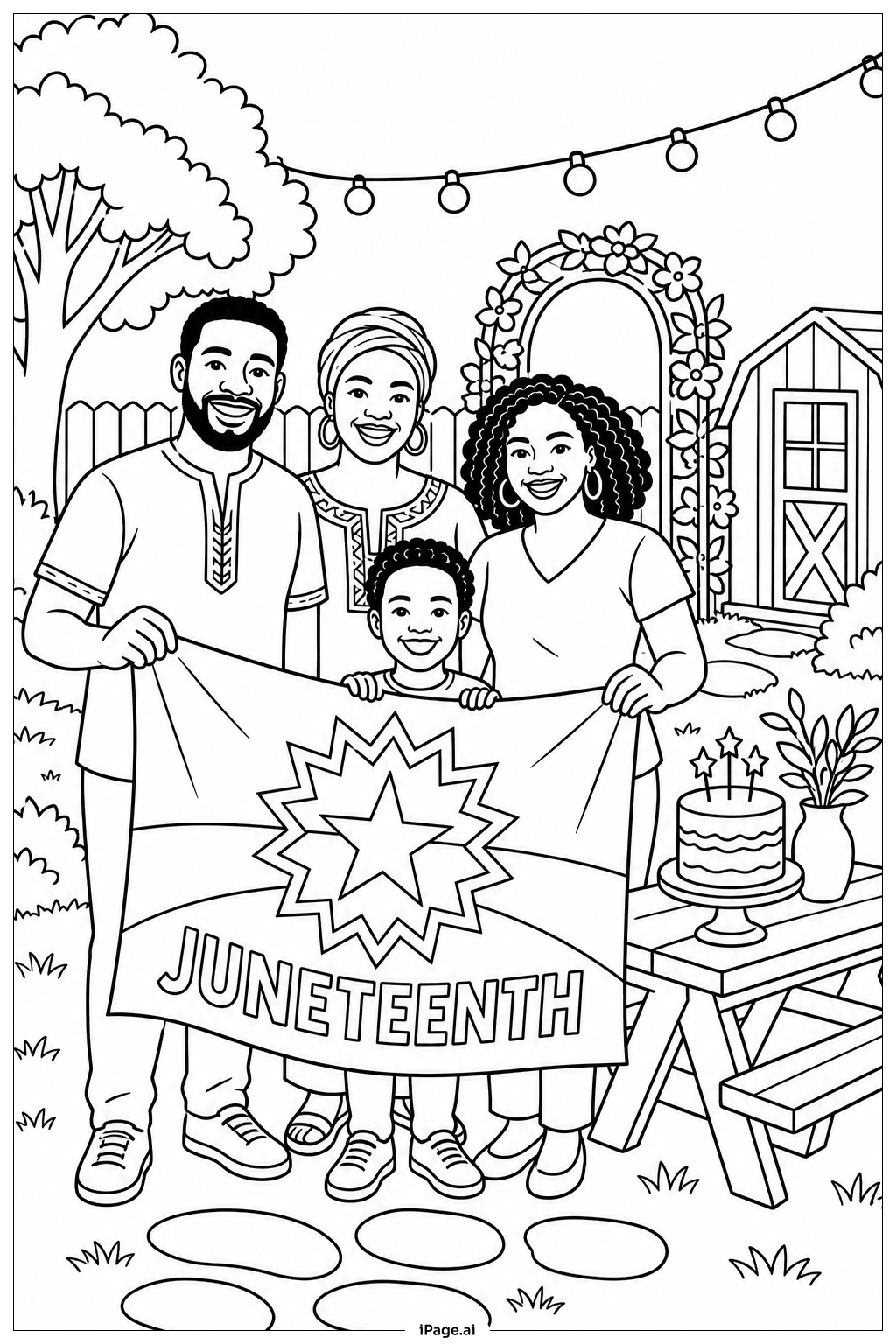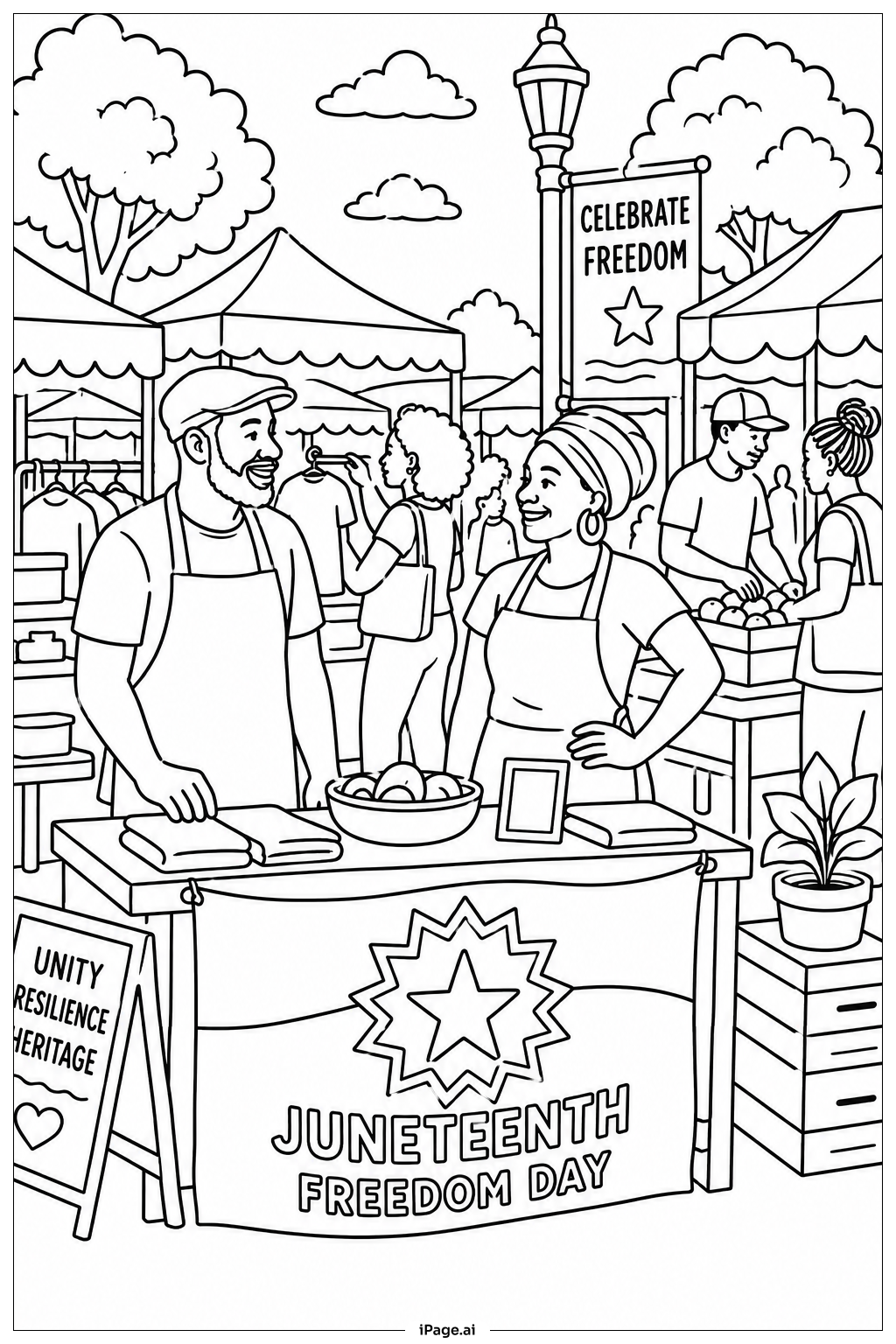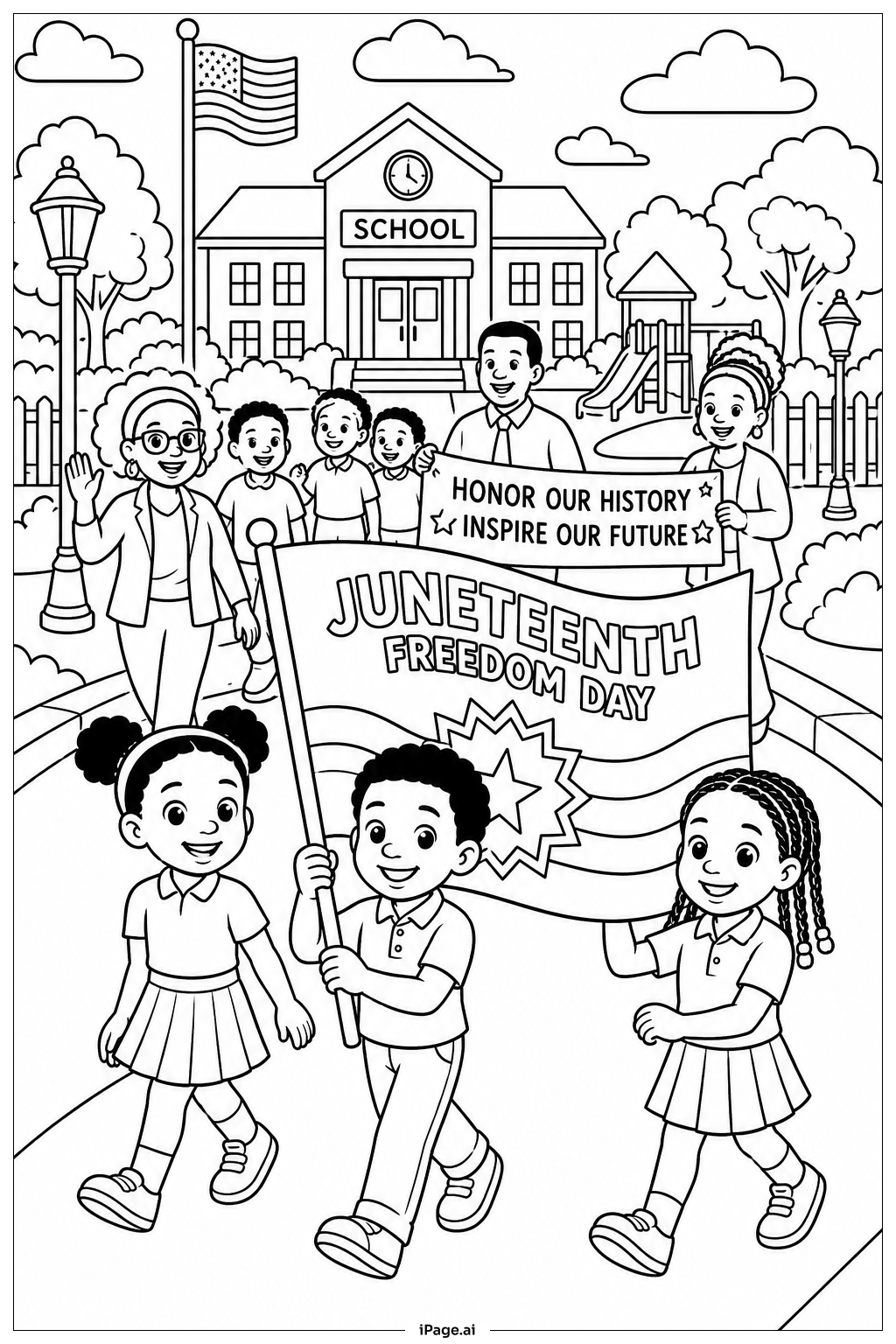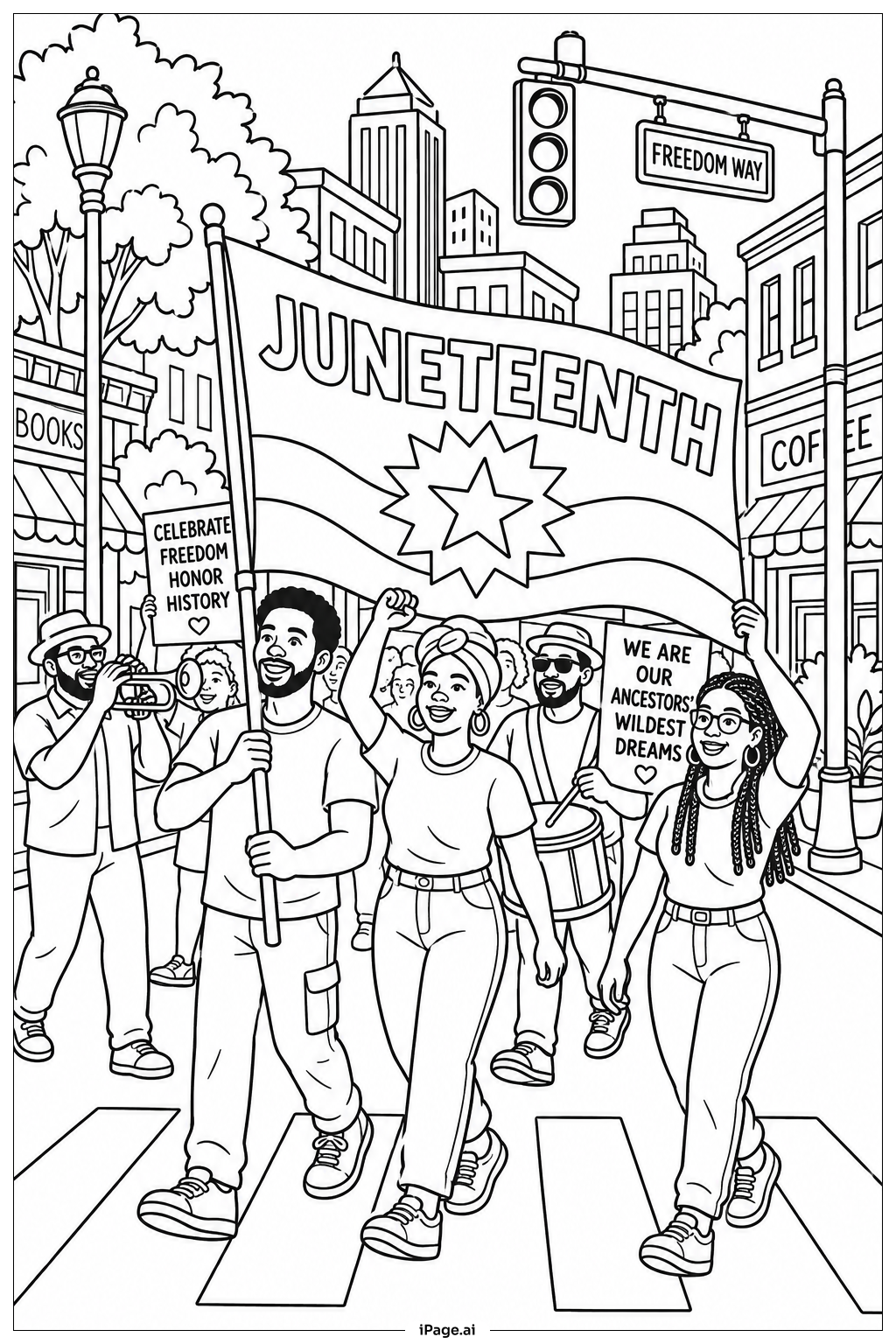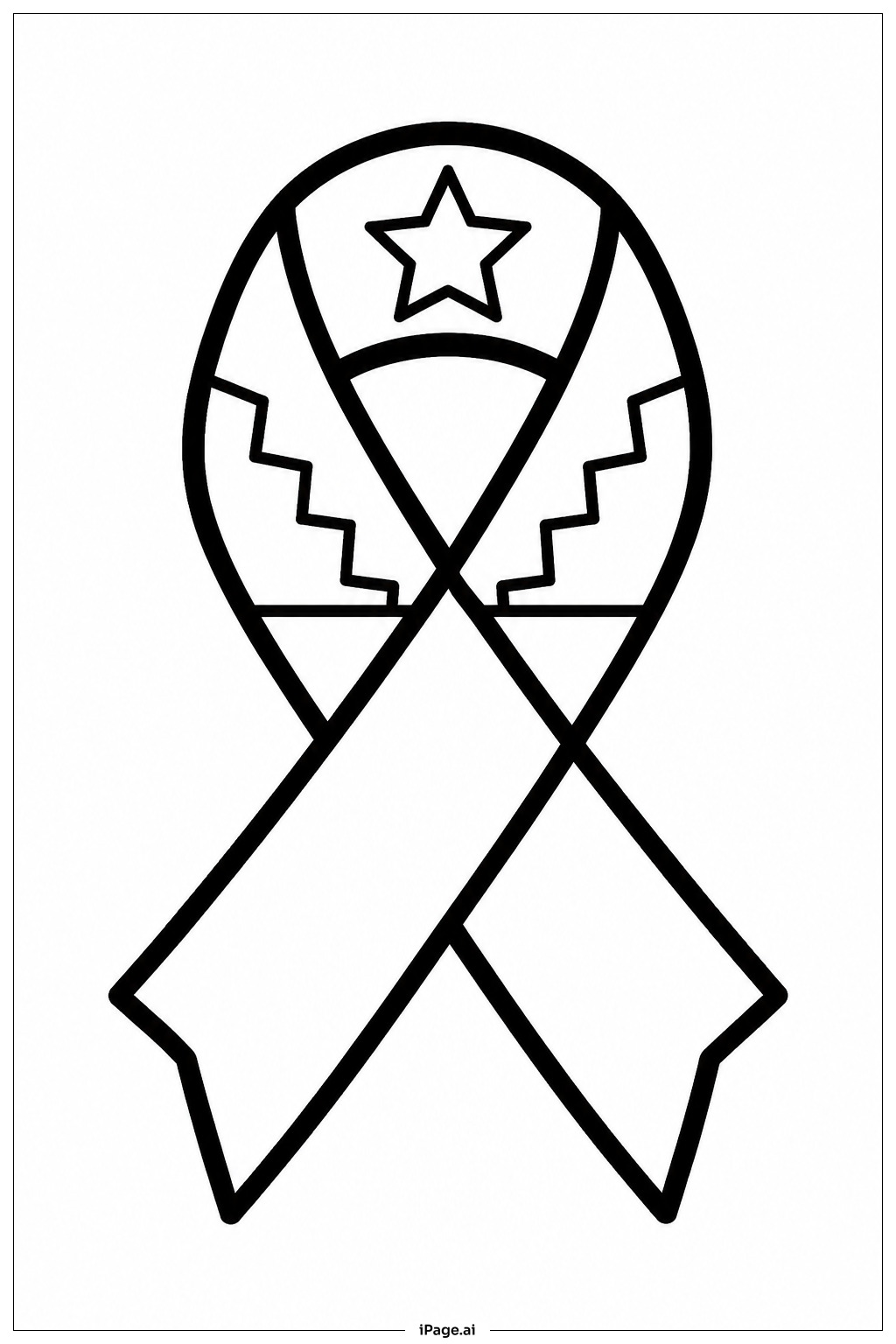
Coloring tips: How to color Juneteenth Flag Ribbon coloring page well?
Start with the ribbon using the traditional Juneteenth colors. Consider coloring sections in red, representing resilience and the blood shed during slavery. Use rich shades of blue to symbolize perseverance and the endless possibilities of freedom. Add touches of green throughout to represent growth and prosperity. The stars can be colored in gold or yellow to make them stand out as bright symbols of hope. For the lettering, try using bold, solid colors like deep red or black to make "JUNETEENTH" pop against the ribbon. Create depth by using lighter shades on the raised parts of the ribbon folds and darker tones in the shadowed areas. You might also experiment with a gradient effect across the ribbon, transitioning smoothly between colors. This approach will give your finished piece a dynamic, three-dimensional appearance that celebrates this important historical occasion.
Coloring challenges: Which parts are difficult to color and need attention for Juneteenth Flag Ribbon coloring page?
• Ribbon Folds and Dimensions: The flowing ribbon creates multiple overlapping sections with curved folds that require careful attention to maintain the three-dimensional illusion. Colorists need to decide which sections appear in front and which are behind, then shade accordingly. The curves require smooth color transitions to avoid a flat appearance, and maintaining consistent light sources across all the folds can be challenging for those still developing their shading skills.
• Letter Coloring Within Ribbon Context: The text "JUNETEENTH" sits within the ribbon structure, requiring decisions about whether to treat the letters as part of the ribbon surface or as separate elements. Colorists must consider how to make the text readable while maintaining the overall design harmony. This involves choosing contrasting colors that allow the letters to stand out without clashing with the ribbon colors, and potentially adding shadows or highlights to the letters themselves.
• Star Placement and Integration: The scattered stars around the ribbon need to be integrated thoughtfully into the overall color scheme. Each star is small, requiring precision with coloring tools, especially for younger children. Deciding whether all stars should be the same color or varied, and ensuring they complement rather than distract from the main ribbon design, presents a creative challenge that affects the final composition balance.
• Color Symbolism Balance: Working with the traditional Juneteenth colors of red, blue, and green requires thoughtful distribution to create visual balance while honoring the symbolic meaning of each color. Colorists must decide how much of each color to use and where to place them for maximum impact without overwhelming any single area of the design.
Benefits of coloring books: Advantages of drawing Juneteenth Flag Ribbon coloring page
Coloring this Juneteenth Flag Ribbon page offers valuable educational benefits by connecting children and adults with an important moment in American history. As they color, they can learn about Freedom Day and discuss the significance of emancipation and equality. The flowing ribbon design helps develop fine motor skills and hand-eye coordination, particularly when working within the curved lines and small star shapes. The dimensional folds encourage critical thinking about light, shadow, and depth, teaching basic artistic concepts about three-dimensional representation. Working with the symbolic colors of Juneteenth promotes cultural awareness and respect for historical events. This coloring activity can spark meaningful family conversations about freedom, justice, and progress. The repetitive motions of coloring provide calming, meditative benefits while allowing for creative expression through color choices. Completing this patriotic design builds confidence and provides a sense of accomplishment, while creating a meaningful keepsake that honors this significant celebration of freedom.