Coloring tips: How to color Juneteenth Flag Downtown March coloring page well?
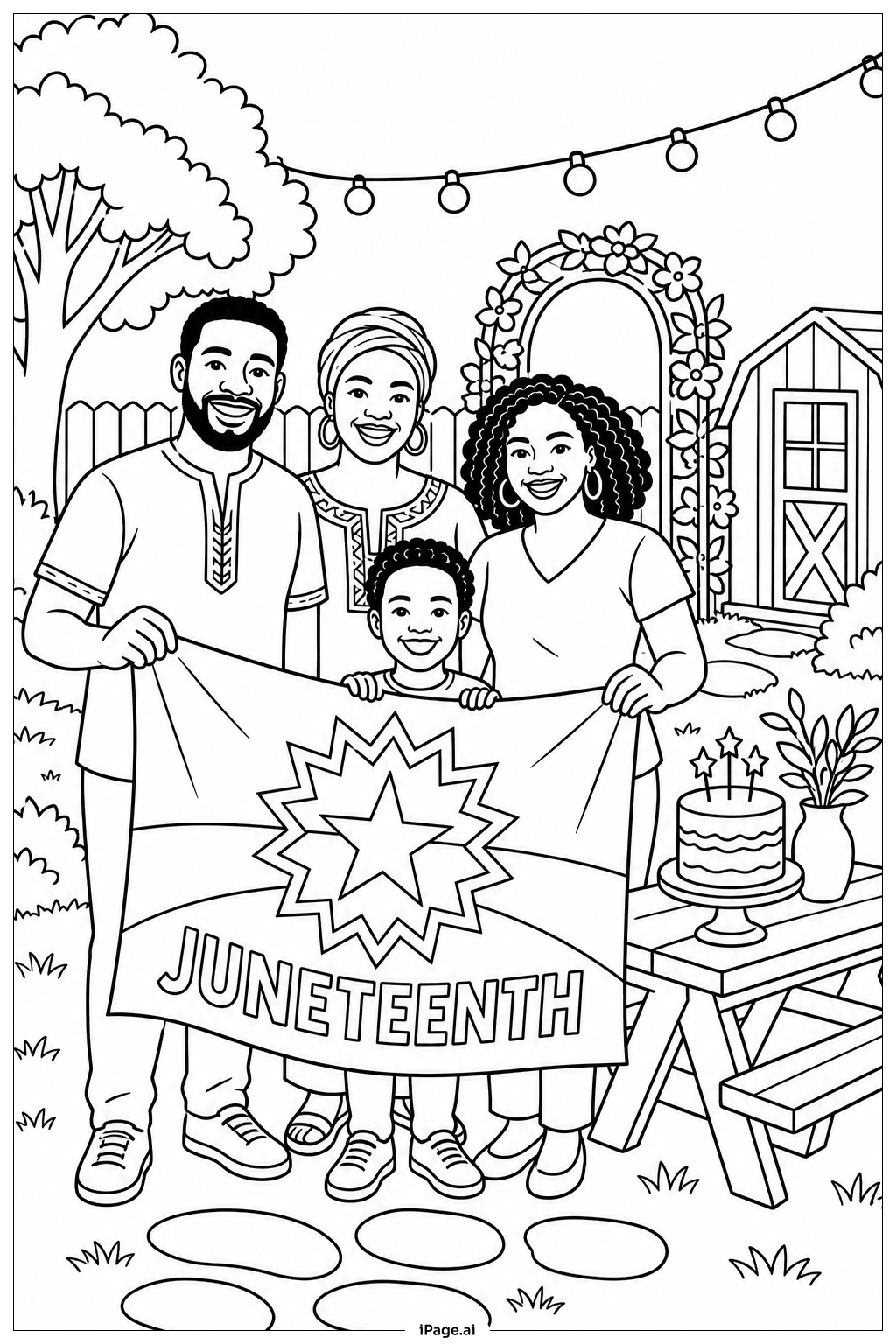
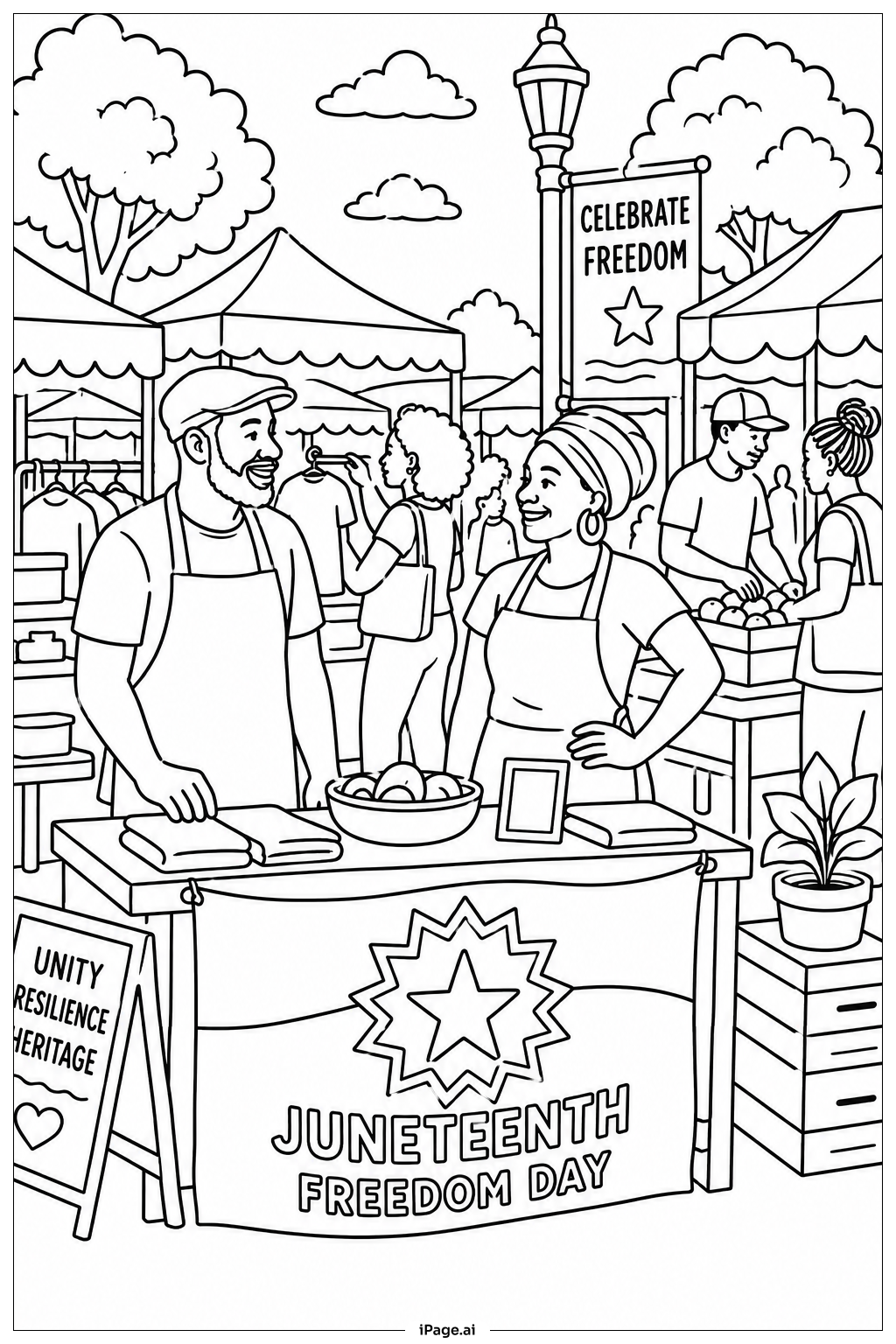
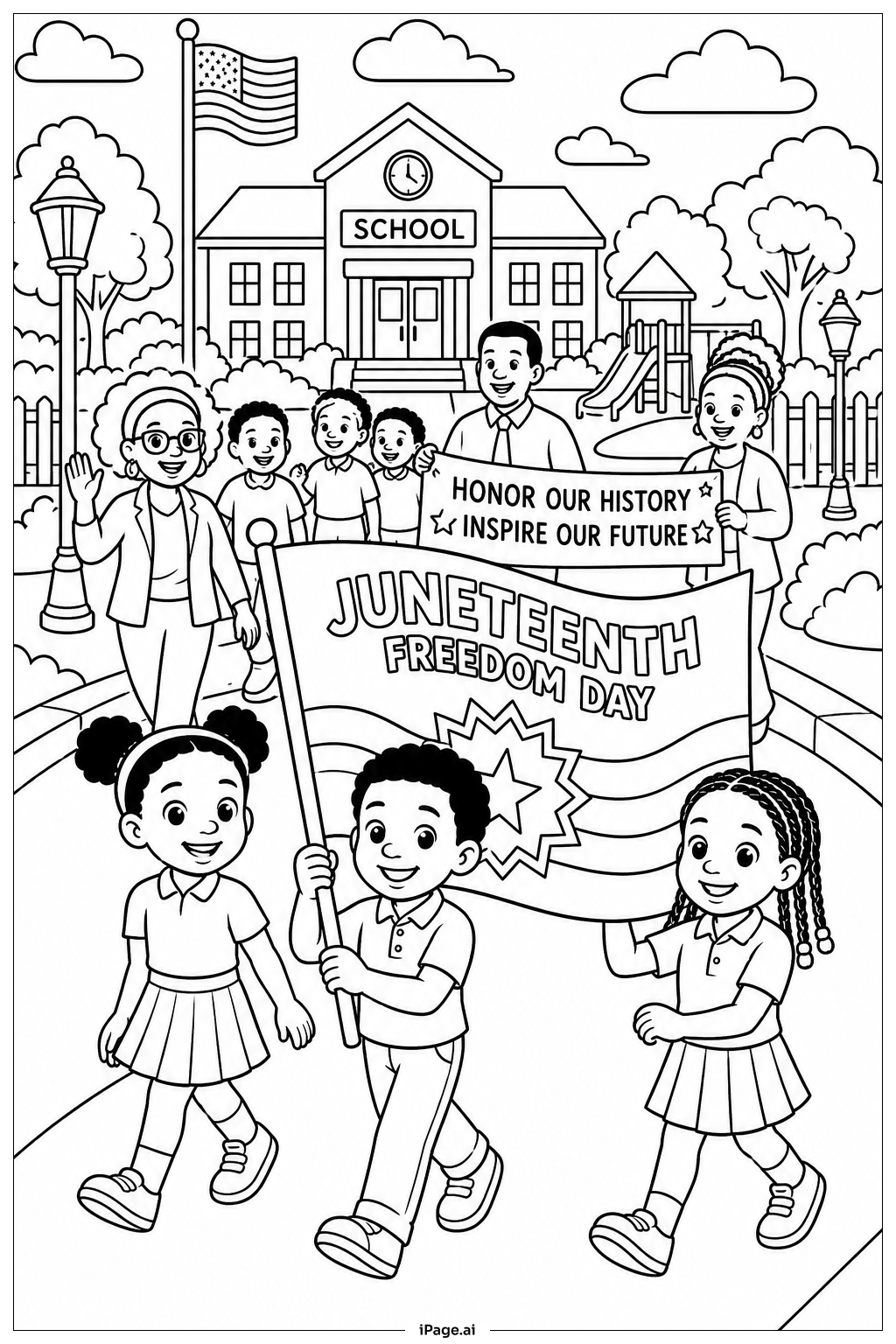
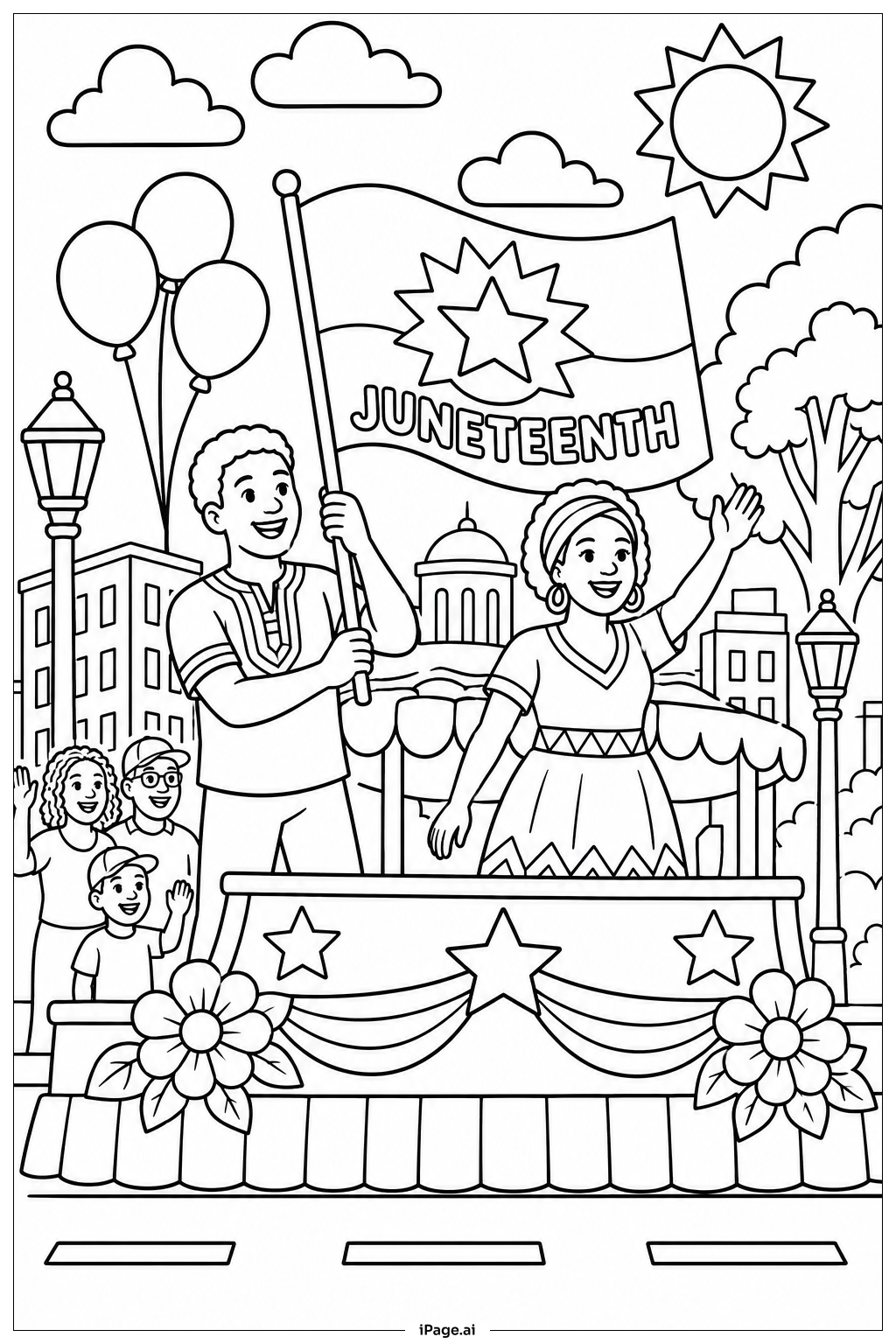
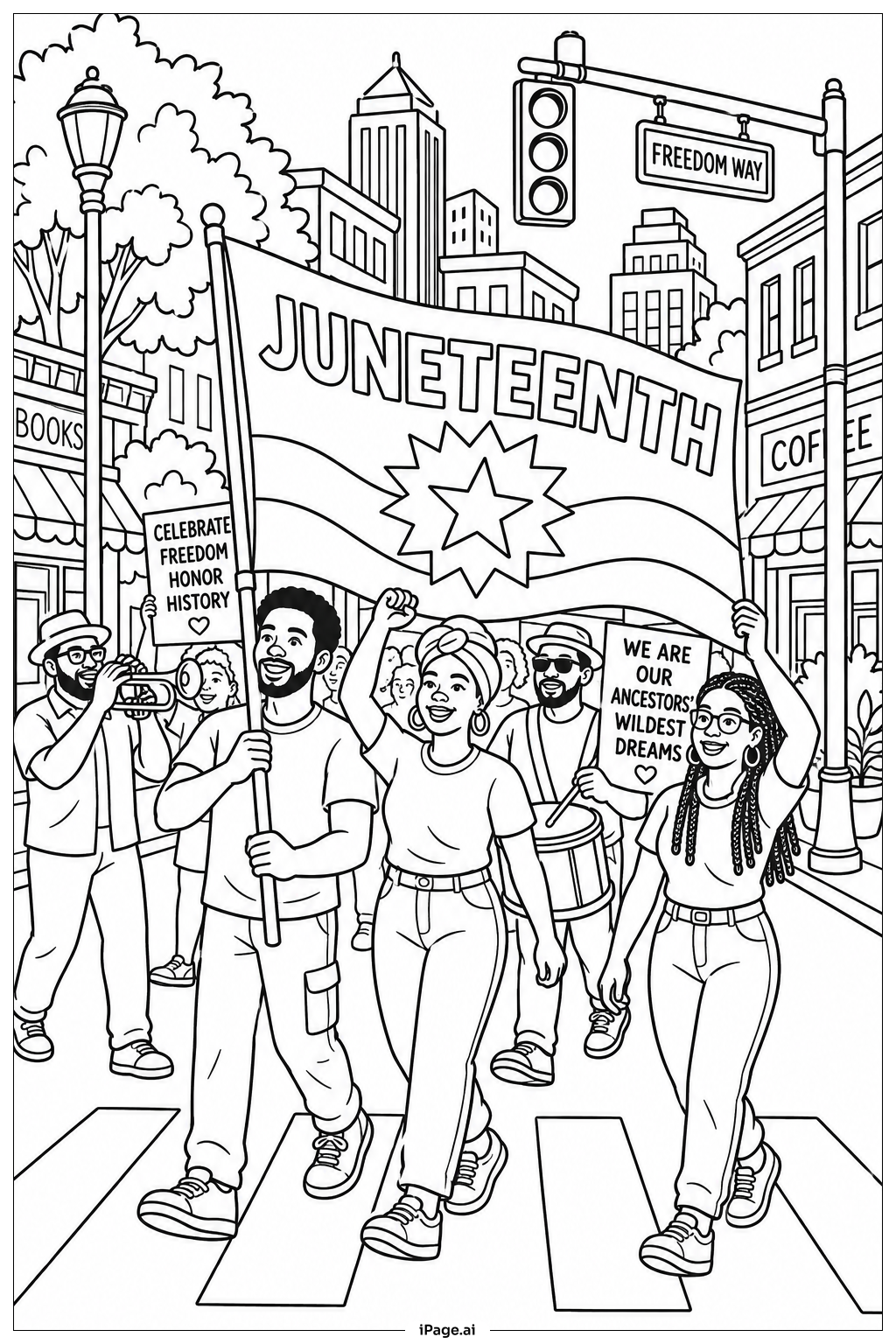
Use bright and bold colors to bring this image to life. For the Juneteenth Flag, choose vibrant red, blue, yellow, and white to match the official colors. The city buildings can be colored with different shades of gray, brown, and beige to show variety. People’s clothes can be filled with lively colors like green, purple, orange, and pink to reflect the joy of the march. Try using warm colors for the sunrise or daylight sky to add warmth and hope. Don’t forget to color the banners and flags in rich, contrasting colors to make them stand out. Play with different tones to create depth in the crowd and buildings.
Coloring challenges: Which parts are difficult to color and need attention for Juneteenth Flag Downtown March coloring page?
• Flag Details: The Juneteenth Flag has specific symbols and color sections that require accuracy to keep its meaning clear. Staying inside the lines of the star and arc can be challenging. • Cityscape Complexity: The buildings have numerous windows, signs, and architectural details that demand patience and fine motor control to color carefully. • Crowd Diversity: Many figures with overlapping parts need attention to avoid coloring outside the lines and mixing colors between people. • Color Balance: Choosing the right contrast between the bright flag and the muted city background takes thoughtful color selection to ensure the flag remains the focal point. • Small Elements: Street signs, banners, and flags have small text and shapes which challenge younger colorers to keep colors neat and recognizable.
Benefits of coloring books: Advantages of drawing Juneteenth Flag Downtown March coloring page
Coloring this image promotes focus and fine motor skills as children carefully fill detailed spaces like the flag and buildings. It encourages learning about Juneteenth and the importance of freedom and history. The variety of people in the crowd inspires inclusiveness and community spirit. Working on this scene helps develop color recognition by experimenting with bright, bold colors contrasted with softer background tones. It also fosters creativity by allowing young artists to express the joy and energy of a celebration through their color choices. Coloring a meaningful event like this supports both educational and emotional growth.