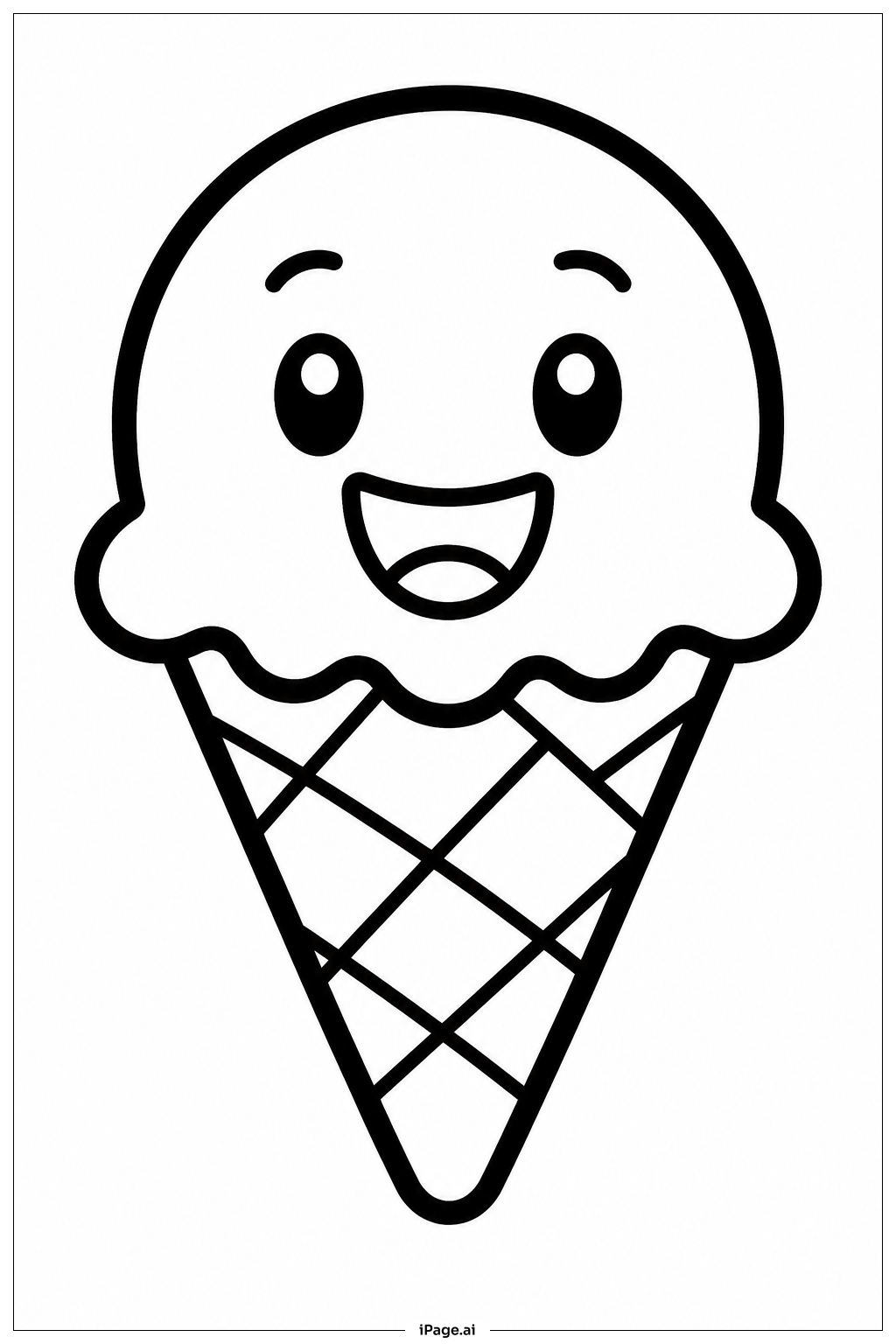
Coloring tips: How to color Happy Ice Cream Cone coloring page well?
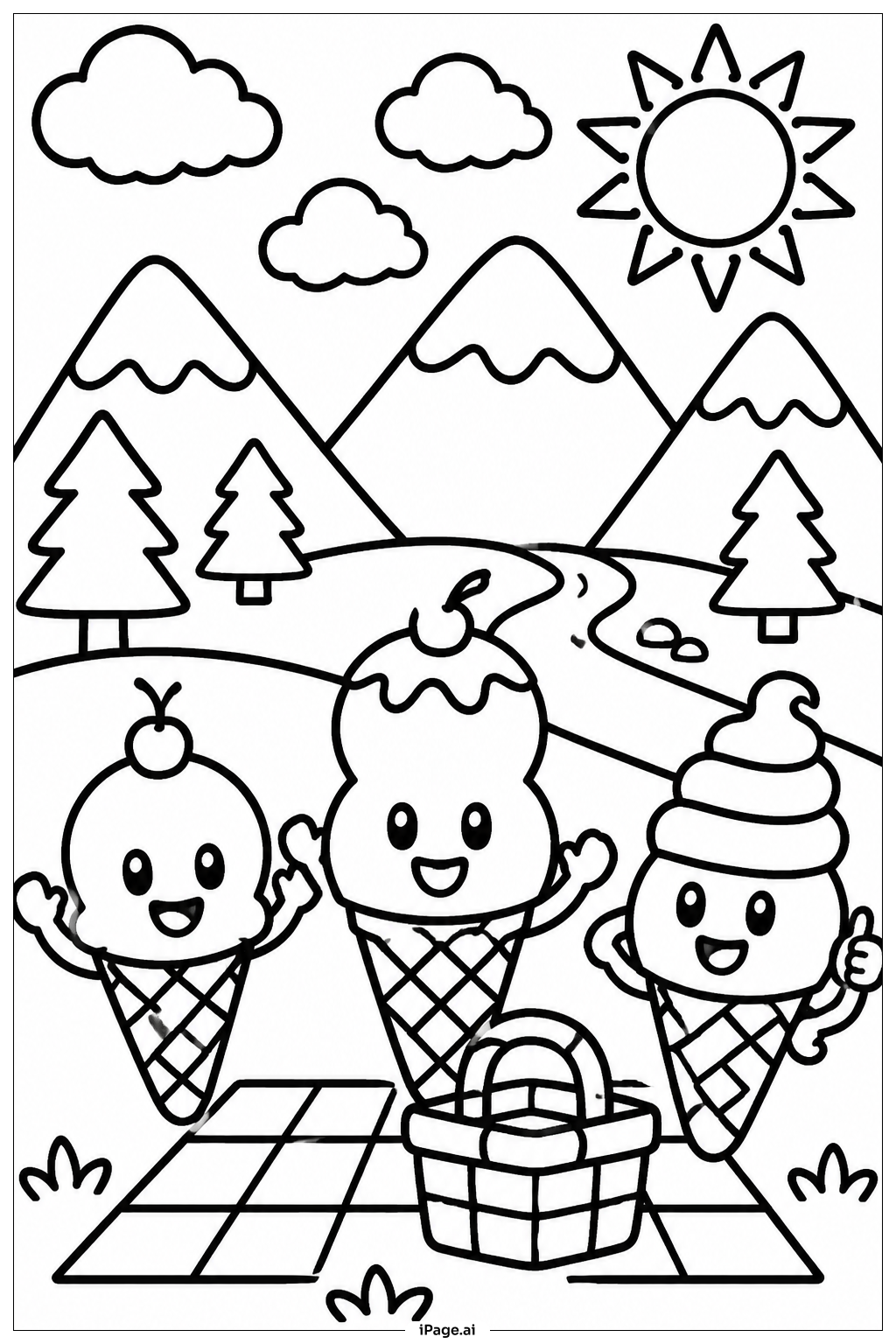
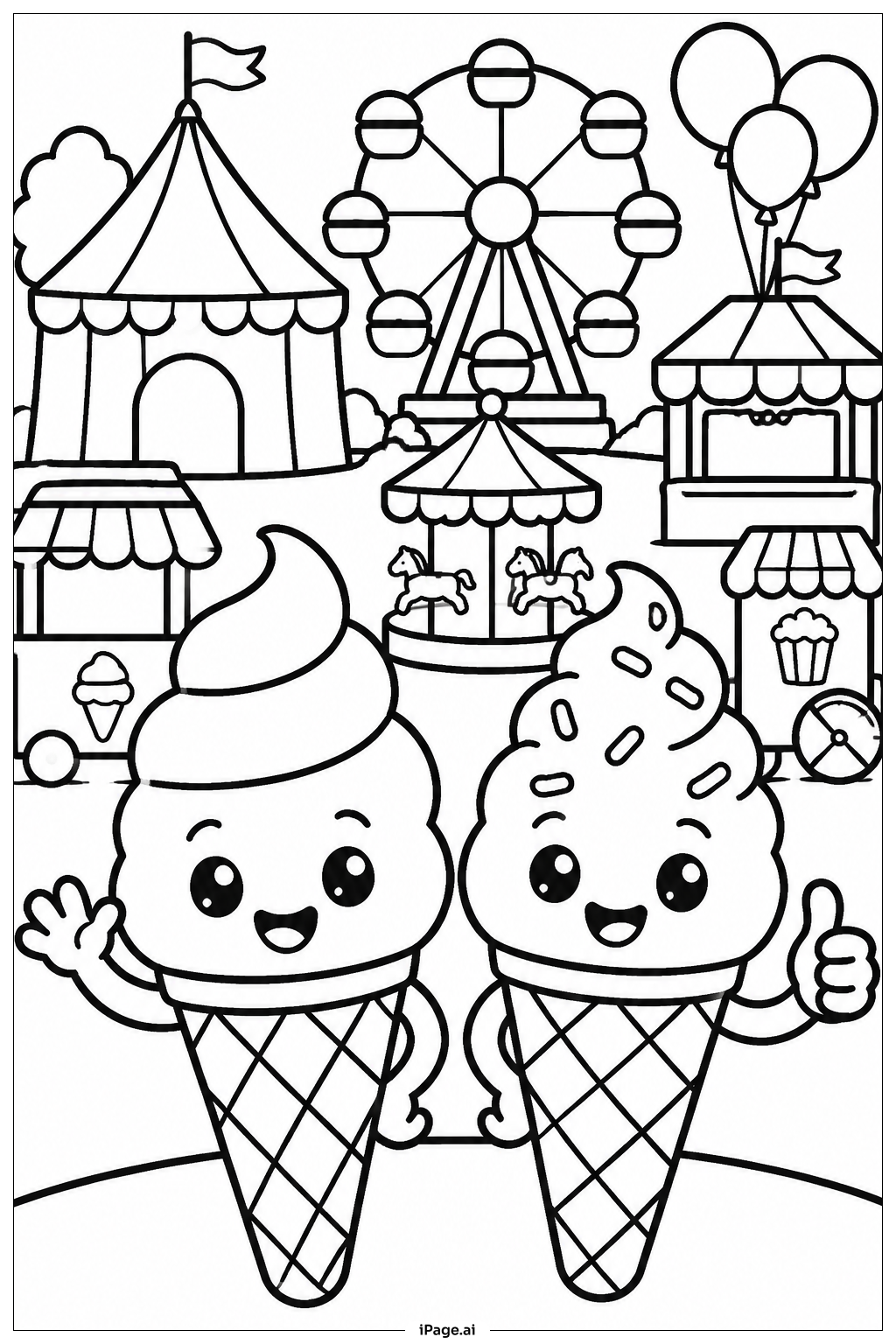
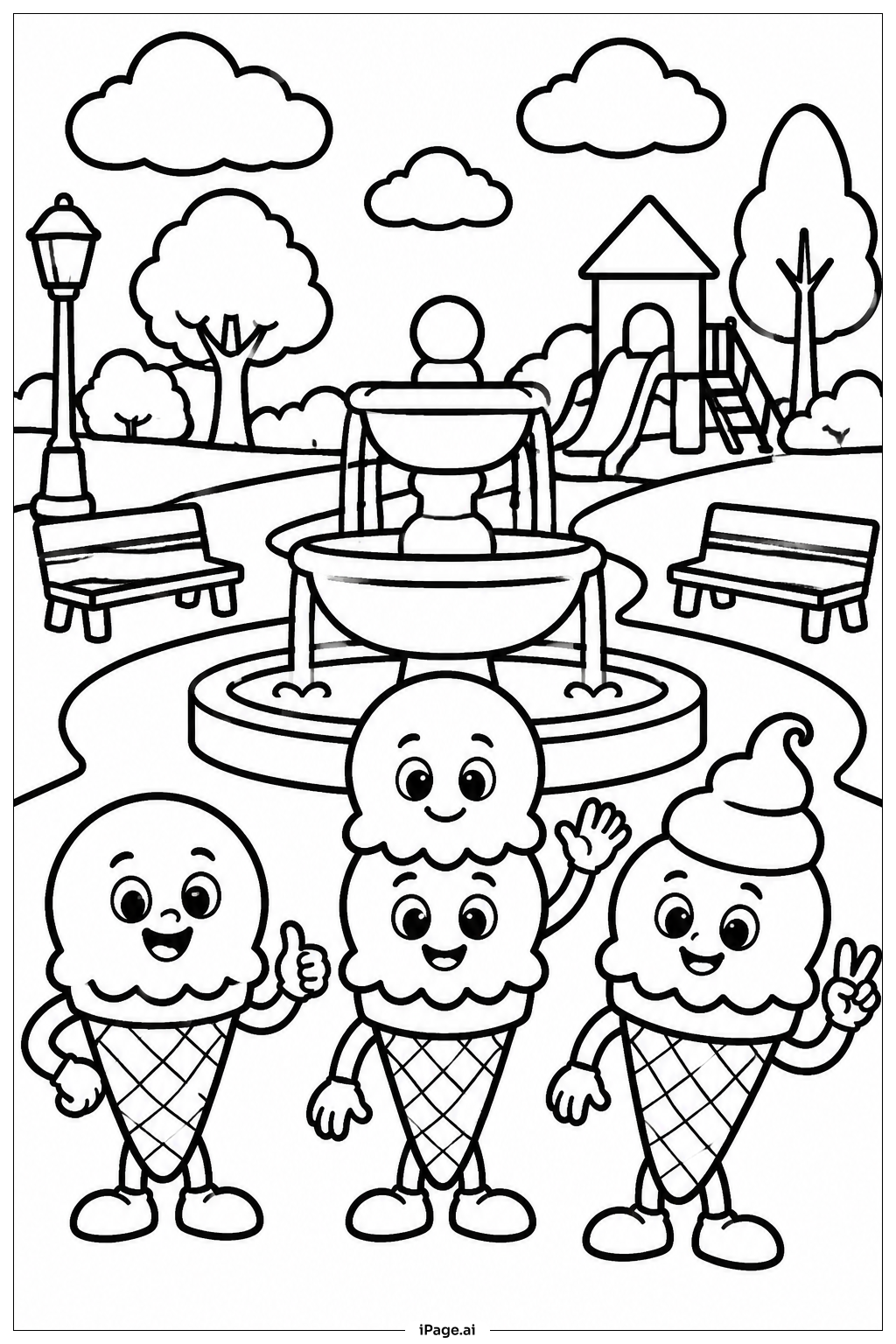
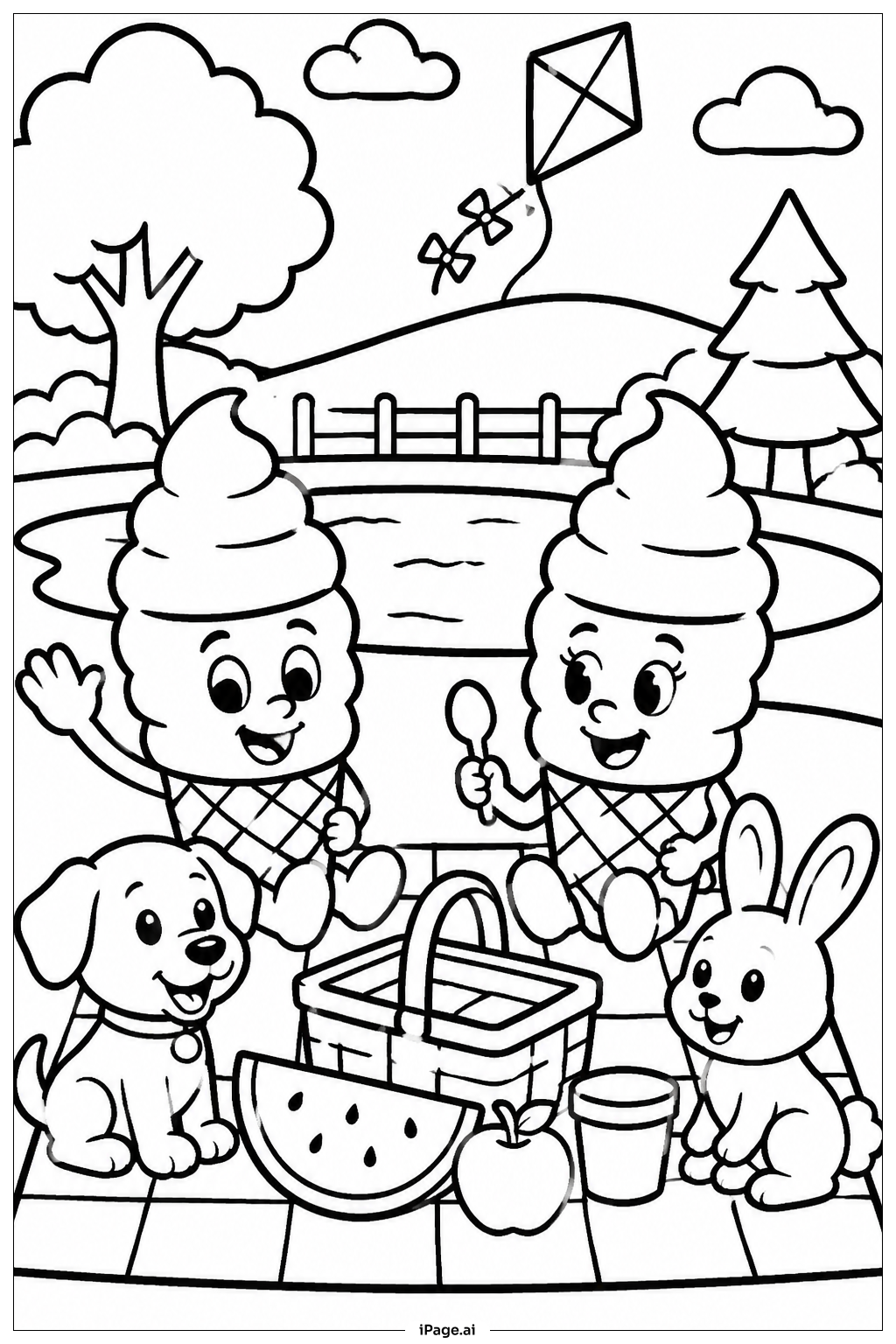
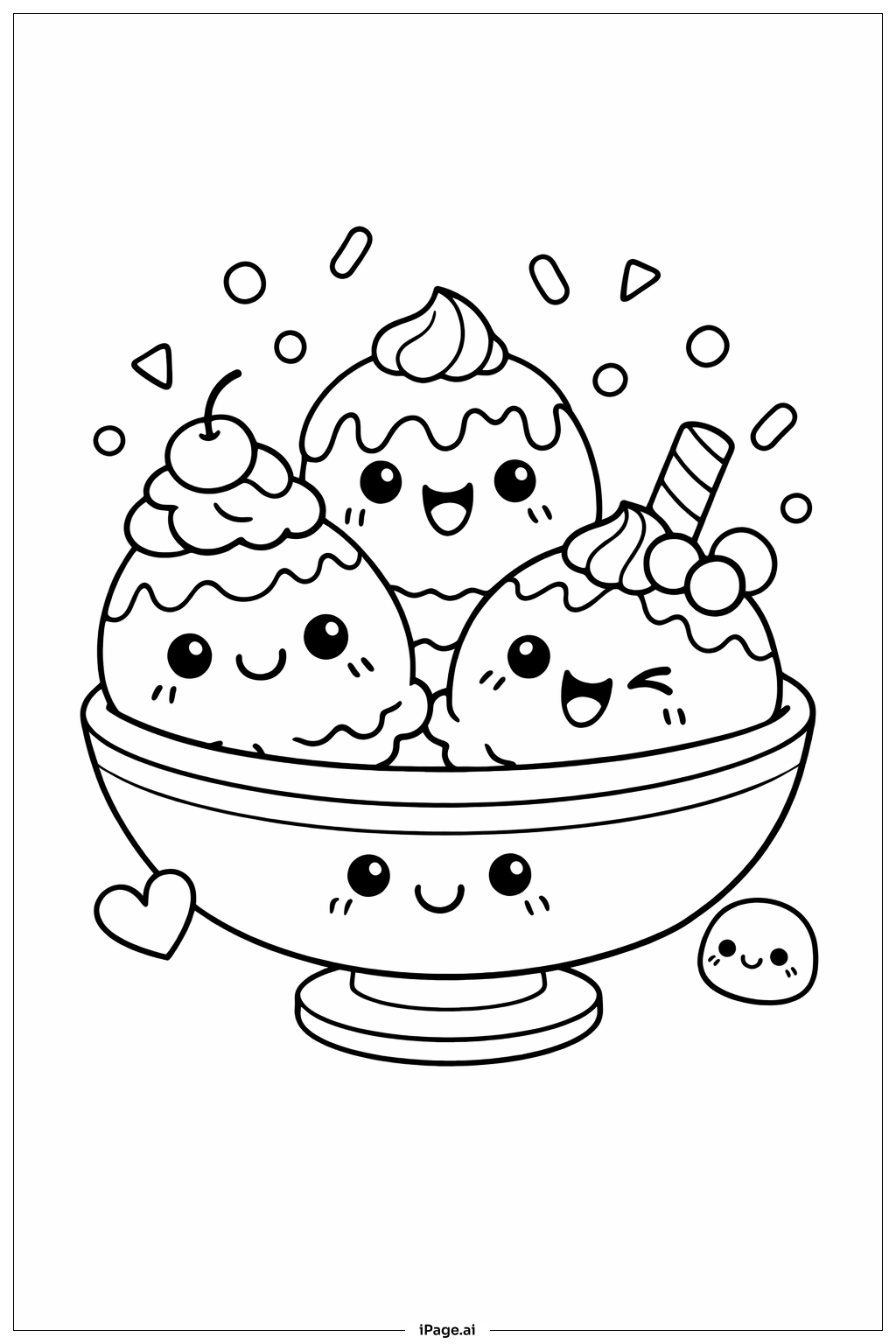
You can bring this Happy Ice Cream Cone to life with bright and fun colors. Try coloring the ice cream scoop with pastel shades like soft pink, light blue, or mint green to give it a creamy and inviting look. The cone could be colored in warm tan or golden brown tones to show its crisp texture. Add highlights by leaving some areas lighter to show shine on the ice cream. For extra fun, you might add sprinkles or small dots in different colors on top. Use a darker brown or orange for the waffle pattern lines to make the cone stand out. Feel free to be creative with happy colors that make the ice cream look tasty and friendly!
Coloring challenges: Which parts are difficult to color and need attention for Happy Ice Cream Cone coloring page?
• The waffle cone pattern has many small diamond shapes that require careful coloring to keep the lines clean and avoid coloring outside the design.
• The ice cream scoop features soft curves and swirls that can be tricky to shade smoothly, especially when trying to create a creamy texture or light reflections.
• The face has small details like eyes and a smile that need precise coloring to preserve the expression’s happiness.
• Choosing colors that contrast well can be a challenge to make the ice cream stand out without clashing or looking dull.
• Maintaining consistent coloring in larger areas of the scoop while blending shades for a natural look might require some patience and layering.
Benefits of coloring books: Advantages of drawing Happy Ice Cream Cone coloring page
Coloring this Happy Ice Cream Cone can help children develop fine motor skills by practicing careful coloring in small spaces and detailed patterns. It encourages creativity as they choose colors and experiment with shading and highlights. The simple, friendly design also helps build confidence for younger kids as they complete a cheerful and recognizable image. Additionally, focusing on the happy face promotes positive emotions, making coloring feel like a fun, relaxing activity. Overall, this image supports both artistic skill and emotional well-being for children aged 4 to 16.