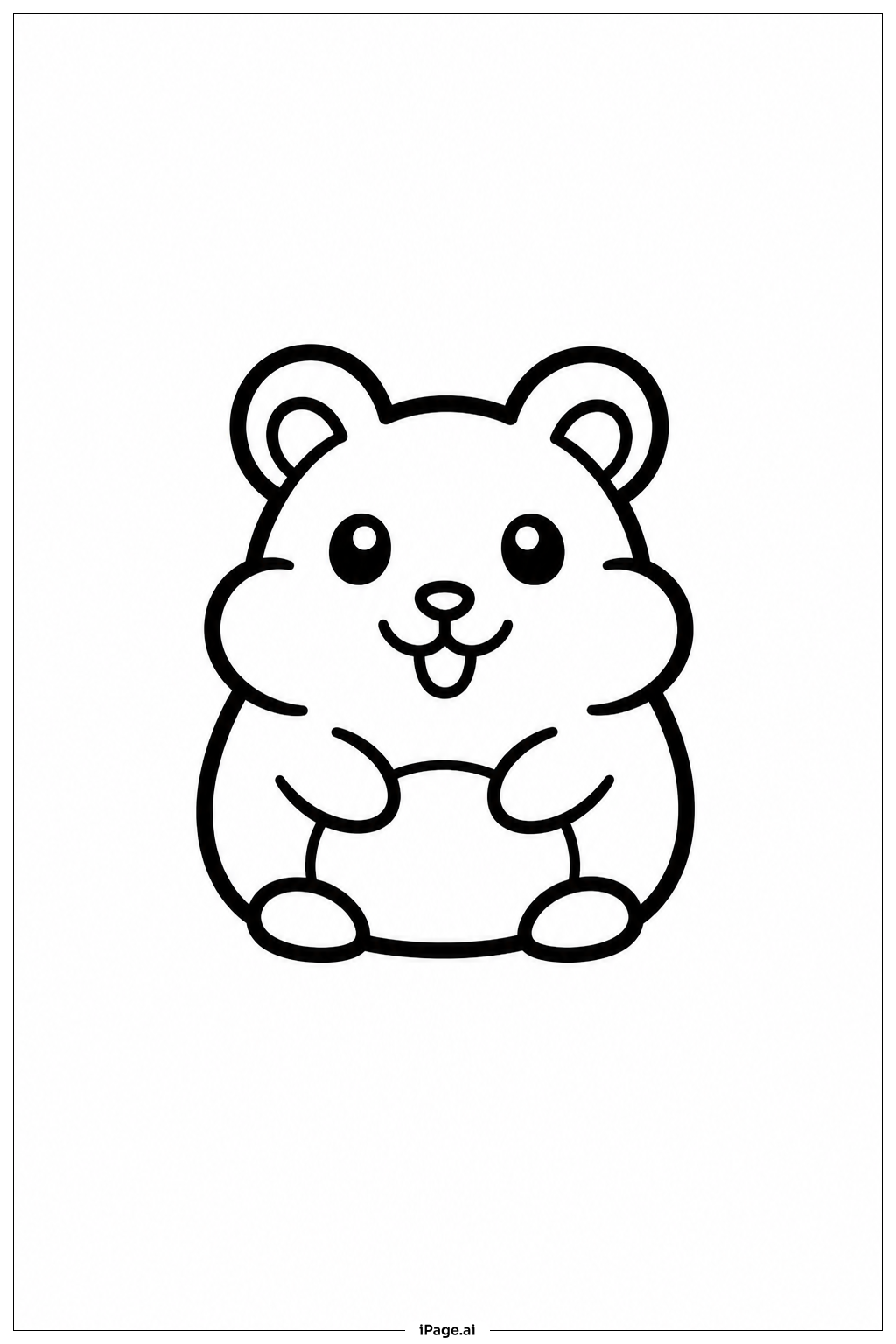
Coloring tips: How to color Smiling Hamster coloring page well?
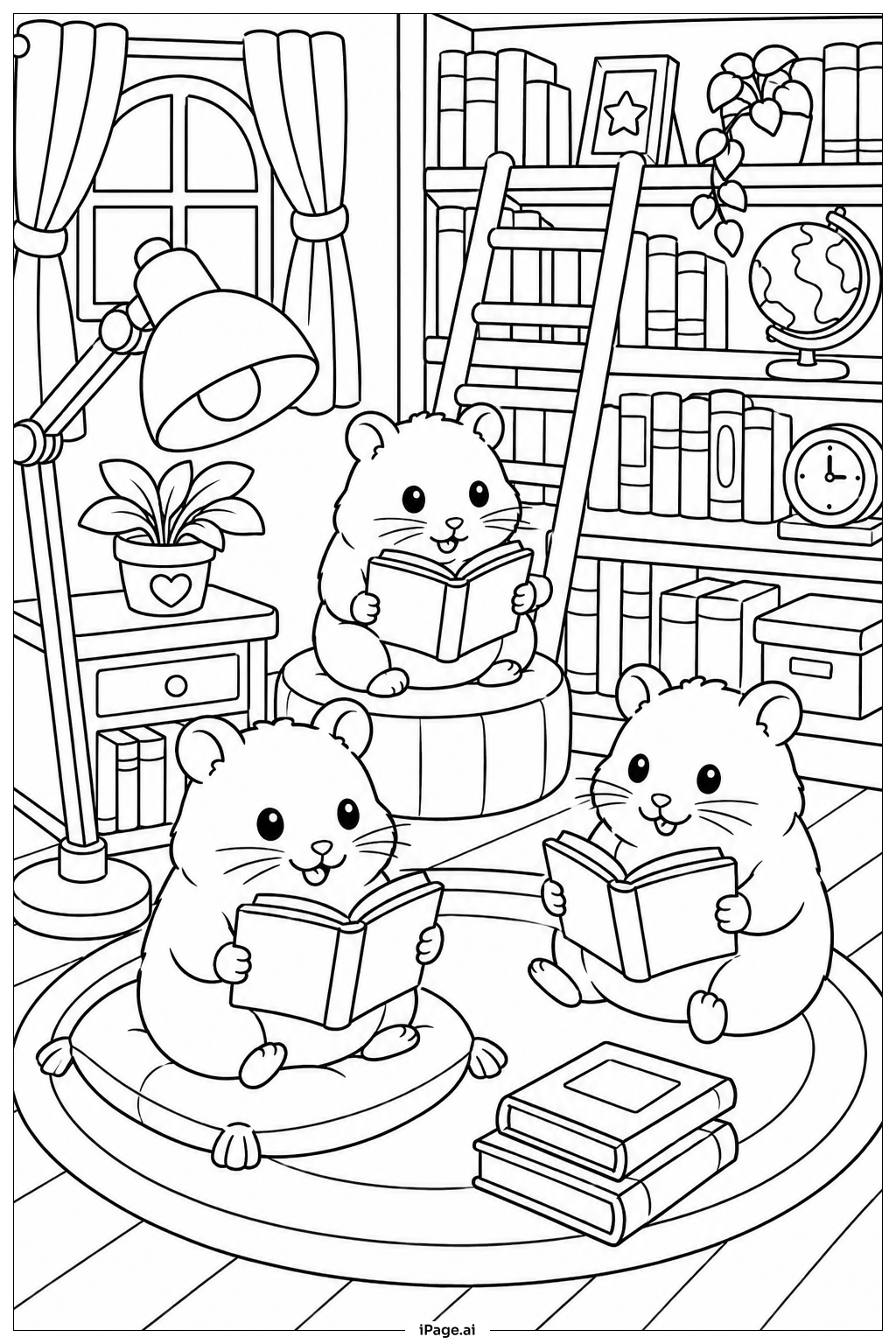
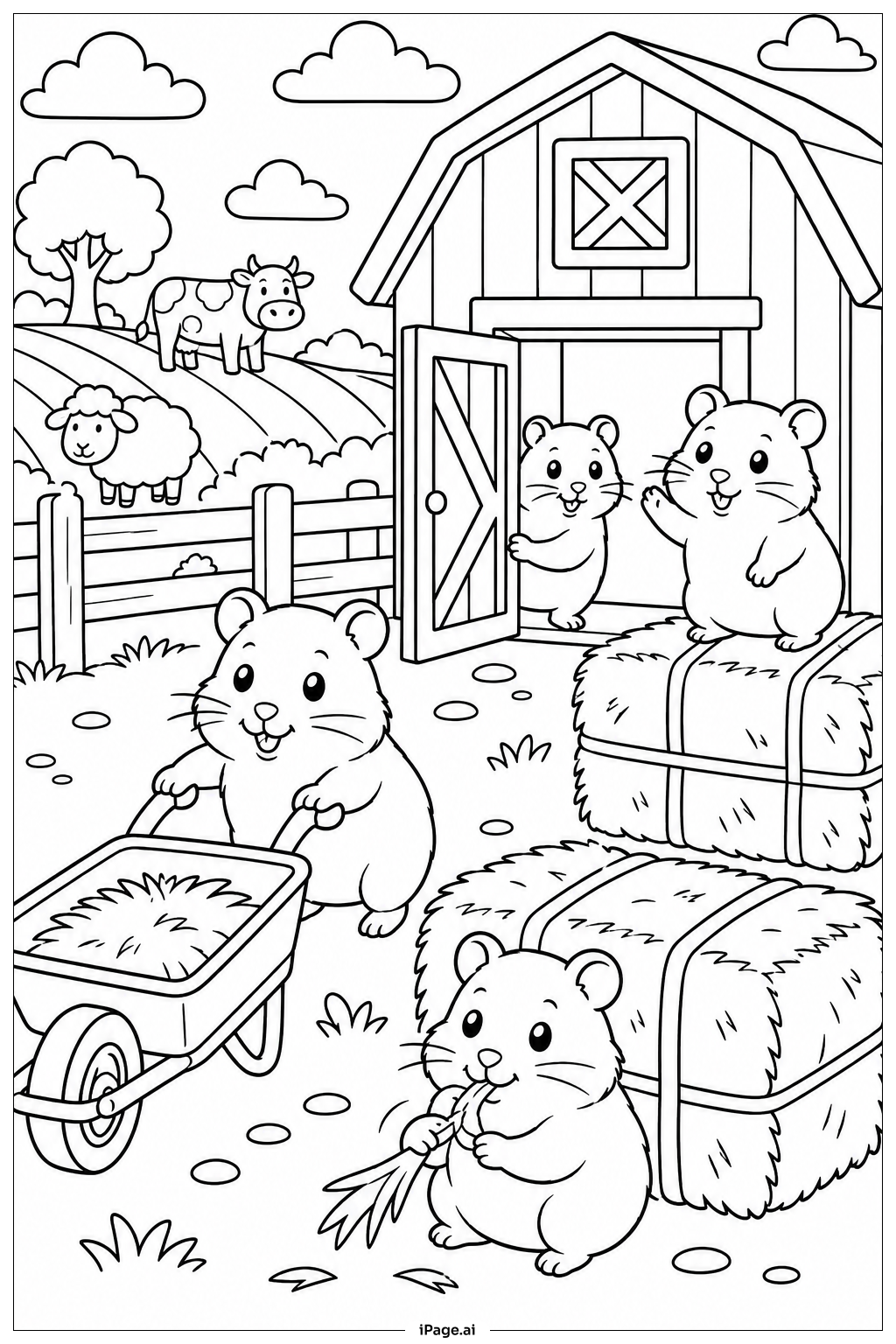
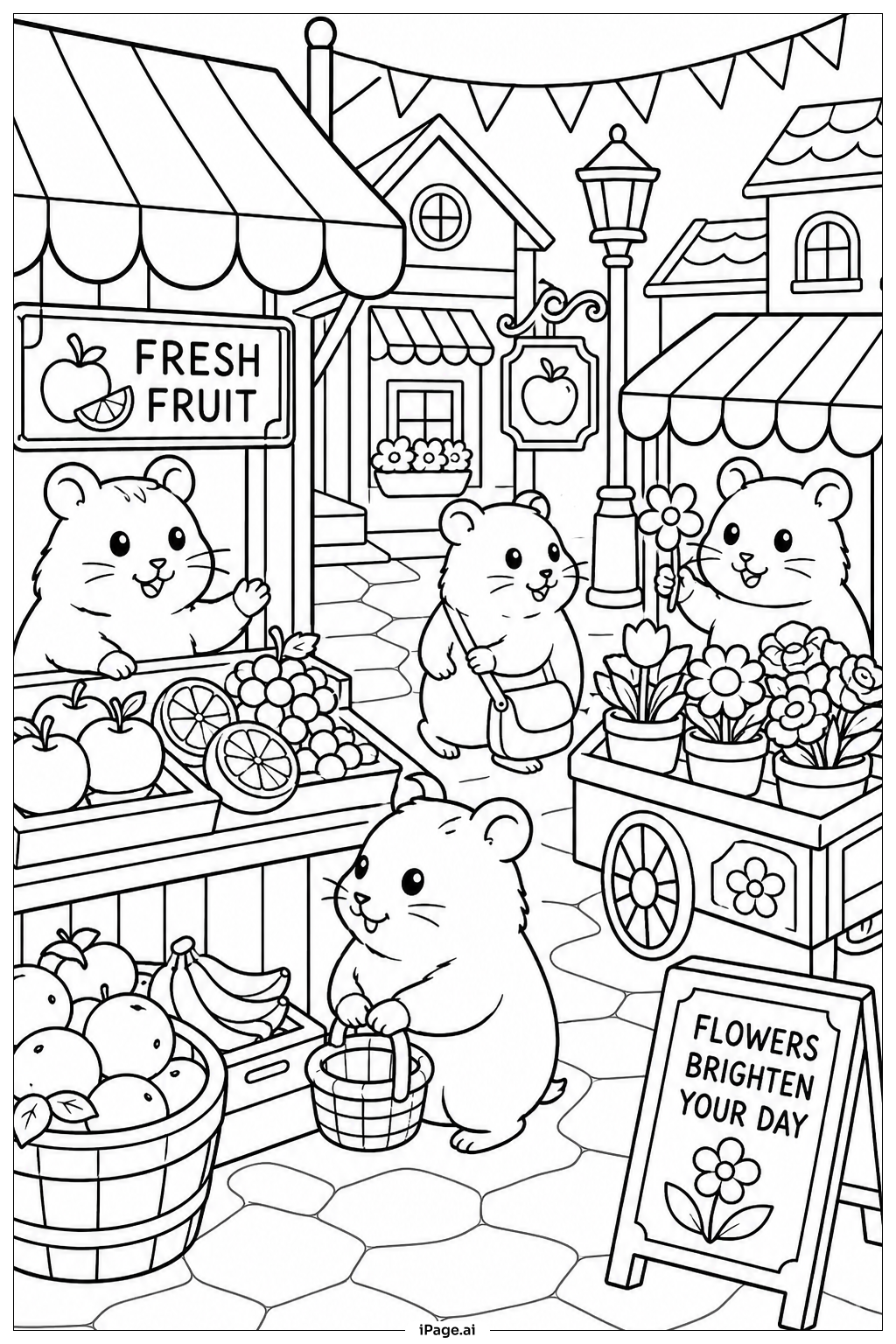
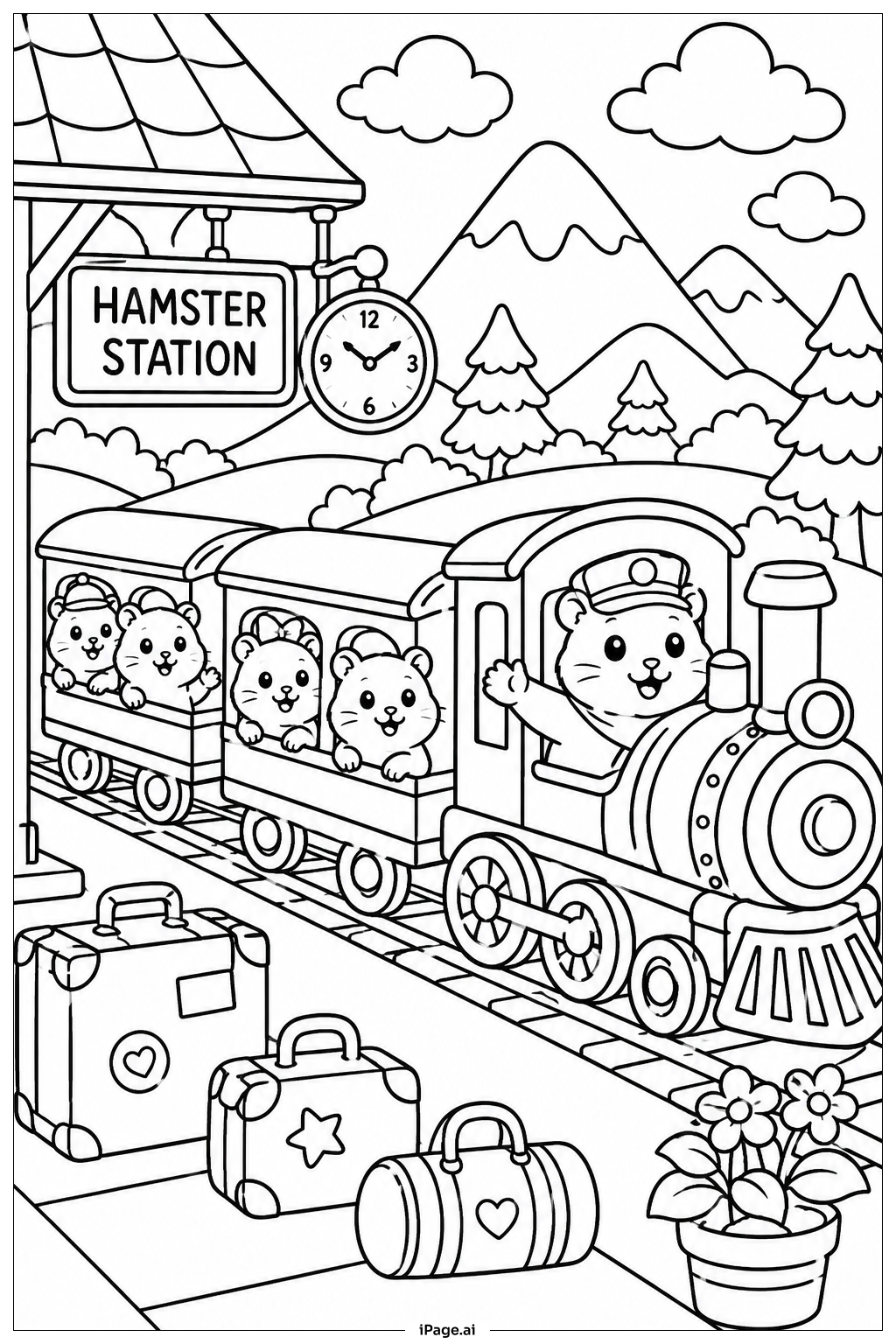
When coloring this Smiling Hamster, you can start by using soft shades of brown, beige, or orange for its fur to give it a natural and warm appearance. Its cheeks could be a light pink to make them look puffed and lively. Use darker brown or black for the eyes and whiskers to add contrast. You can color the background with gentle green or blue tones to make the hamster stand out. Try adding some soft shadows under its paws and body to create a more three-dimensional look. Feel free to get creative with the background, maybe by drawing small flowers or food items around the hamster to make the scene more fun and colorful for the Kids.
Coloring challenges: Which parts are difficult to color and need attention for Smiling Hamster coloring page?
• Small Details: The hamster’s face has many small features like whiskers, eyes, and nose that require careful coloring to stay inside the lines and show its friendly expression clearly.
• Rounded Shapes: Coloring the round cheeks and paws evenly can be tricky because they need smooth shading to look soft and natural rather than flat.
• Fur Texture: Adding some shading or color variation to the fur area can be difficult since it involves blending colors to suggest softness and fluffiness without over-coloring.
• Background Simplicity: The simple lines around the hamster might tempt children to overfill the area, but keeping the background clean while adding subtle colors can be challenging.
• Color Balance: Choosing colors that highlight the hamster without making the whole image look too busy requires some thought about contrast and harmony.
Benefits of coloring books: Advantages of drawing Smiling Hamster coloring page
Coloring this Smiling Hamster helps children improve their fine motor skills by working on small details like the whiskers and eyes. It encourages creativity as kids decide which colors to use for the fur and background, helping develop their color recognition and blending abilities. The image also promotes focus and patience, since carefully filling the rounded cheeks and paws takes attention. Beyond technical skills, coloring a cheerful animal like this can boost mood and provide relaxation, making the activity enjoyable and rewarding. For young artists, it offers a fun way to connect with nature and animals through art.