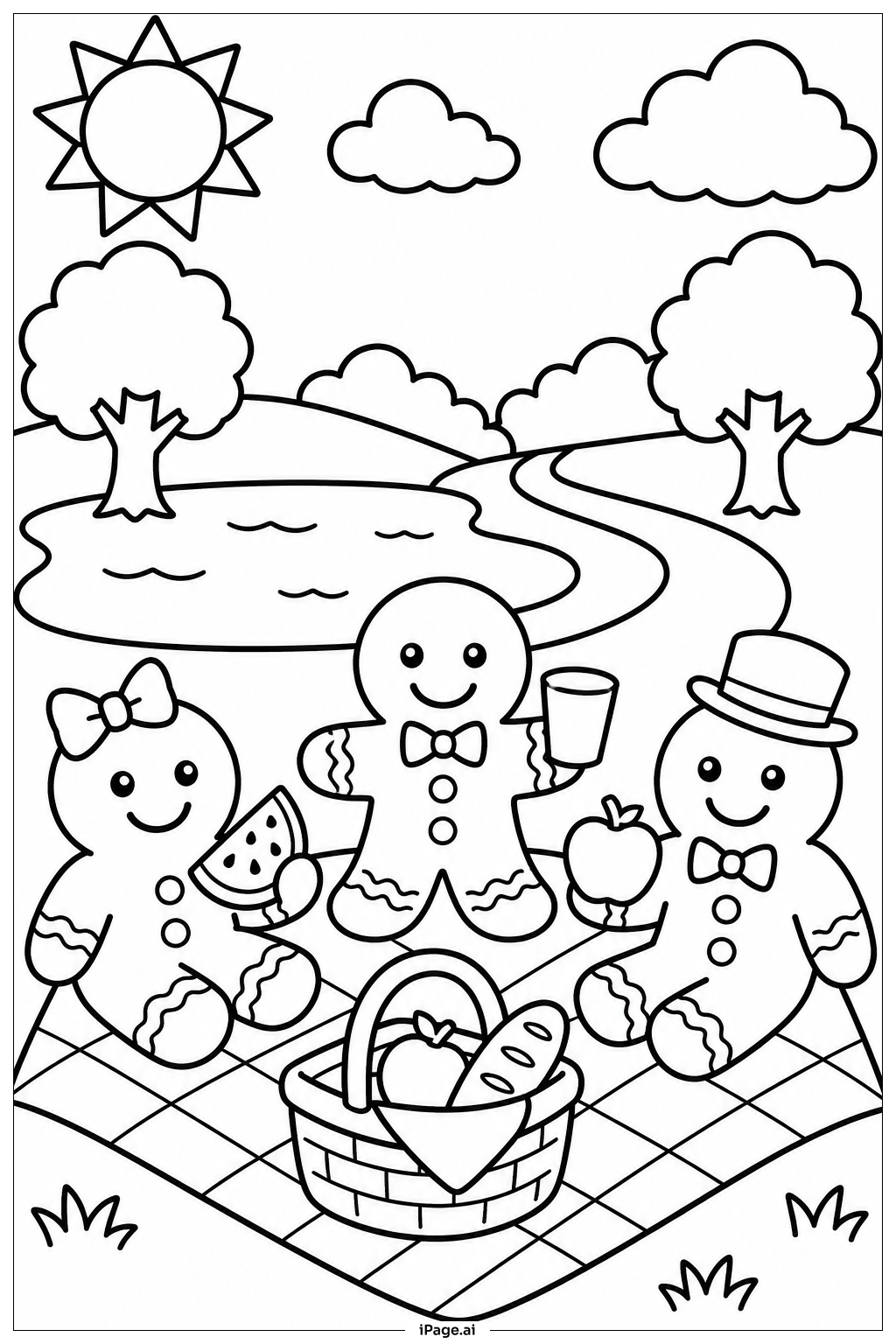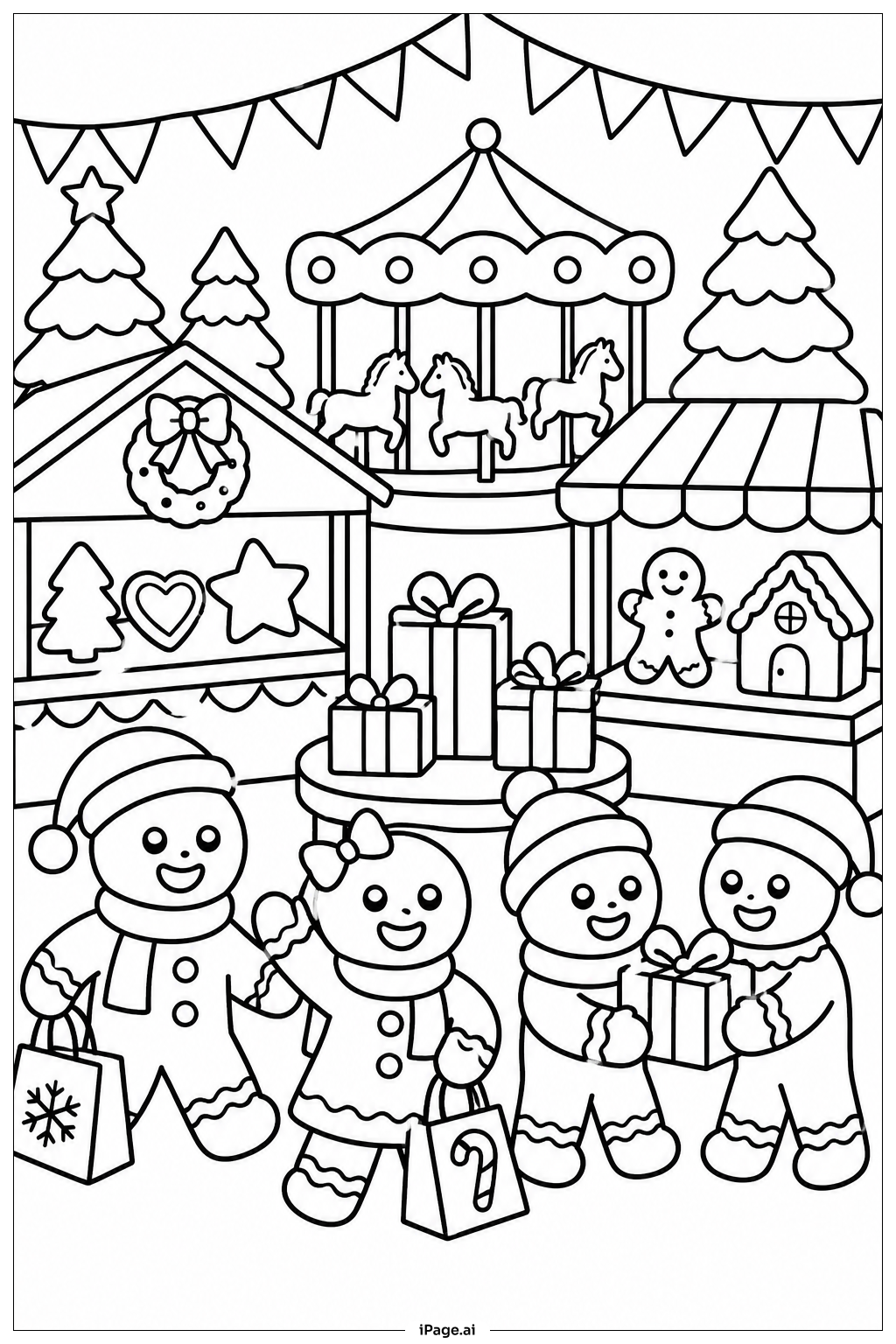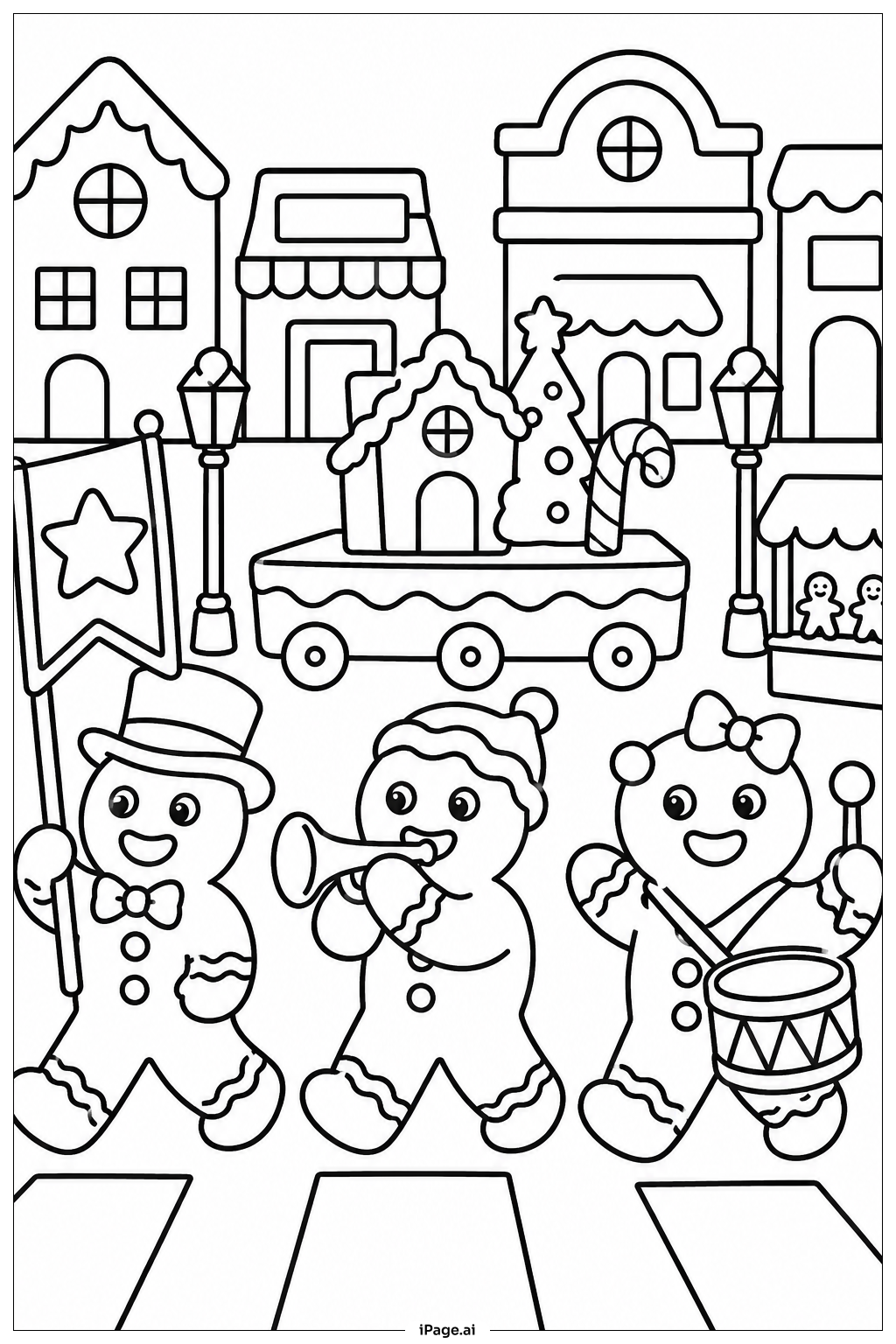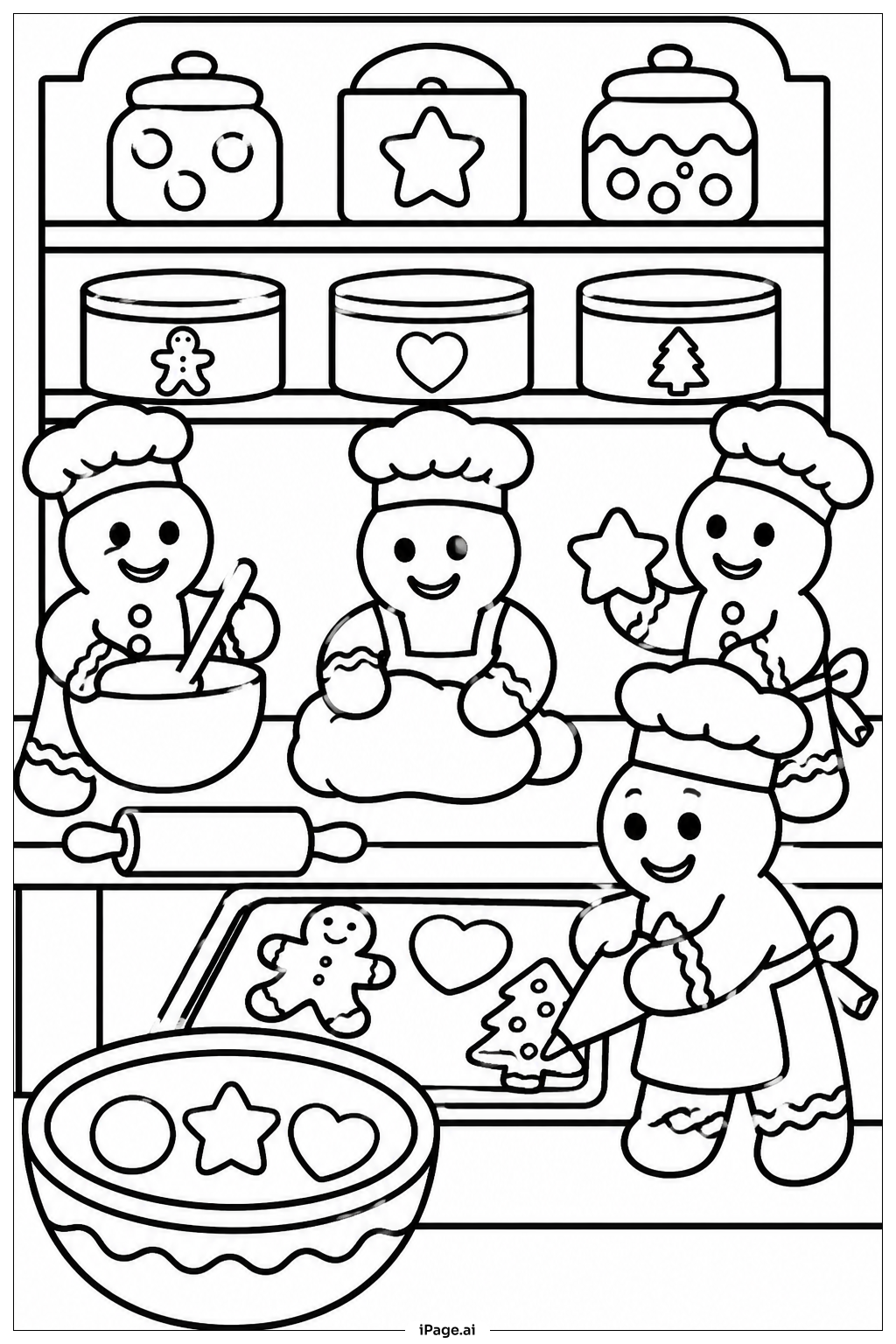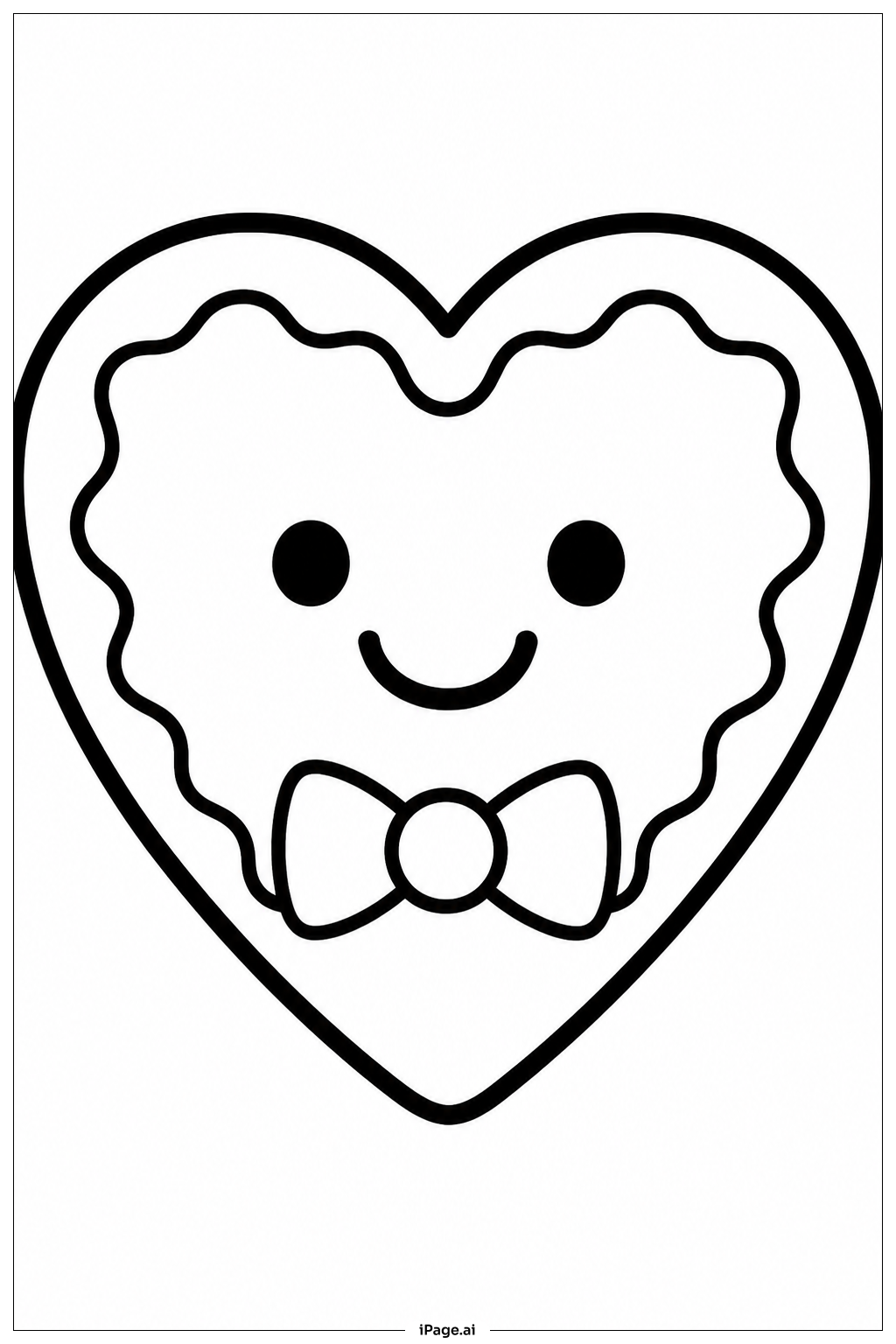
Coloring tips: How to color Gingerbread Heart coloring page well?
Start by coloring the main gingerbread body with warm shades of brown, like tan, caramel, or golden brown, to capture that freshly baked cookie look. Use a slightly darker brown along the edges to give the heart a toasty, baked effect.
Next, color the icing details in classic white, or make them festive with pastel pinks, creamy yellows, or soft blues. The swirls and dots are perfect spots to add tiny pops of color.
For candy accents and sprinkles, go bold and playful. Try bright reds, greens, and pinks to make them pop against the warm brown base. Kids can use a mix of colors to make each candy look unique.
Finally, if there is a background, soft colors like pale yellow, light blue, or snowy white work beautifully to frame the heart without overpowering it. This image is perfect for experimenting with warm and cool color combinations.
Coloring challenges: Which parts are difficult to color and need attention for Gingerbread Heart coloring page?
Coloring this gingerbread heart looks fun and simple at first glance, but there are a few challenges to keep in mind:
• Small Icing Details: The swirling icing patterns, tiny dots, and fine line decorations across the heart's surface require careful, precise coloring. Using a thin-tipped colored pencil or fine marker works best here, as broader tools can easily spill outside the lines and cover up the delicate detail work.
• Layered Texture on the Cookie Surface: The gingerbread body is not a flat, even surface. It features subtle ridges, bumps, and shading lines that suggest a real baked texture. Coloring this area with smooth, even pressure while still building depth through light and shadow requires some patience and a gentle hand.
• Color Contrast Between Base and Decorations: One of the trickiest parts is making sure the icing decorations stand out clearly from the gingerbread base. Choosing colors that are warm enough for the cookie but light enough for the icing — without them blending together — takes thoughtful color selection.
• Candy and Sprinkle Accents: Each small candy dot or sprinkle accent is a tiny, isolated shape. Coloring these neatly without smearing into neighboring areas is fiddly work, especially for younger colorists. Taking a slow, steady approach with a sharp pencil tip helps a lot.
• Keeping the Overall Color Balance: With so many different elements — the cookie body, icing swirls, candy pieces, and any background — making sure the finished page looks balanced and harmonious rather than overwhelming takes a bit of planning before you start coloring.
Benefits of coloring books: Advantages of drawing Gingerbread Heart coloring page
Coloring this gingerbread heart page offers a wonderful mix of creative and developmental benefits for kids and adults alike.
For younger children, filling in the warm gingerbread tones and bright icing details helps build fine motor skills and hand-eye coordination. Carefully staying within the small swirls and candy shapes trains steady hand control that supports early writing skills.
Choosing colors for the cookie, icing, and sprinkles also encourages creative thinking. Kids get to make every choice — from the shade of brown for the baked cookie to the colors of each tiny candy — which builds confidence and a sense of personal expression.
The cozy, holiday-themed subject matter makes this coloring page especially calming and joyful. Focusing on a warm, sweet image like a gingerbread heart naturally eases stress and supports mindfulness, helping kids and adults settle into a peaceful, focused state.
For older children and adults, working through the finer icing details and achieving good color contrast provides a satisfying challenge. Completing a detailed page like this builds patience and attention to detail.
Finally, this image connects coloring to real-world sensory memories — the smell of baked cookies, the warmth of the holidays — making the activity emotionally engaging and a lovely way to celebrate the festive season together.