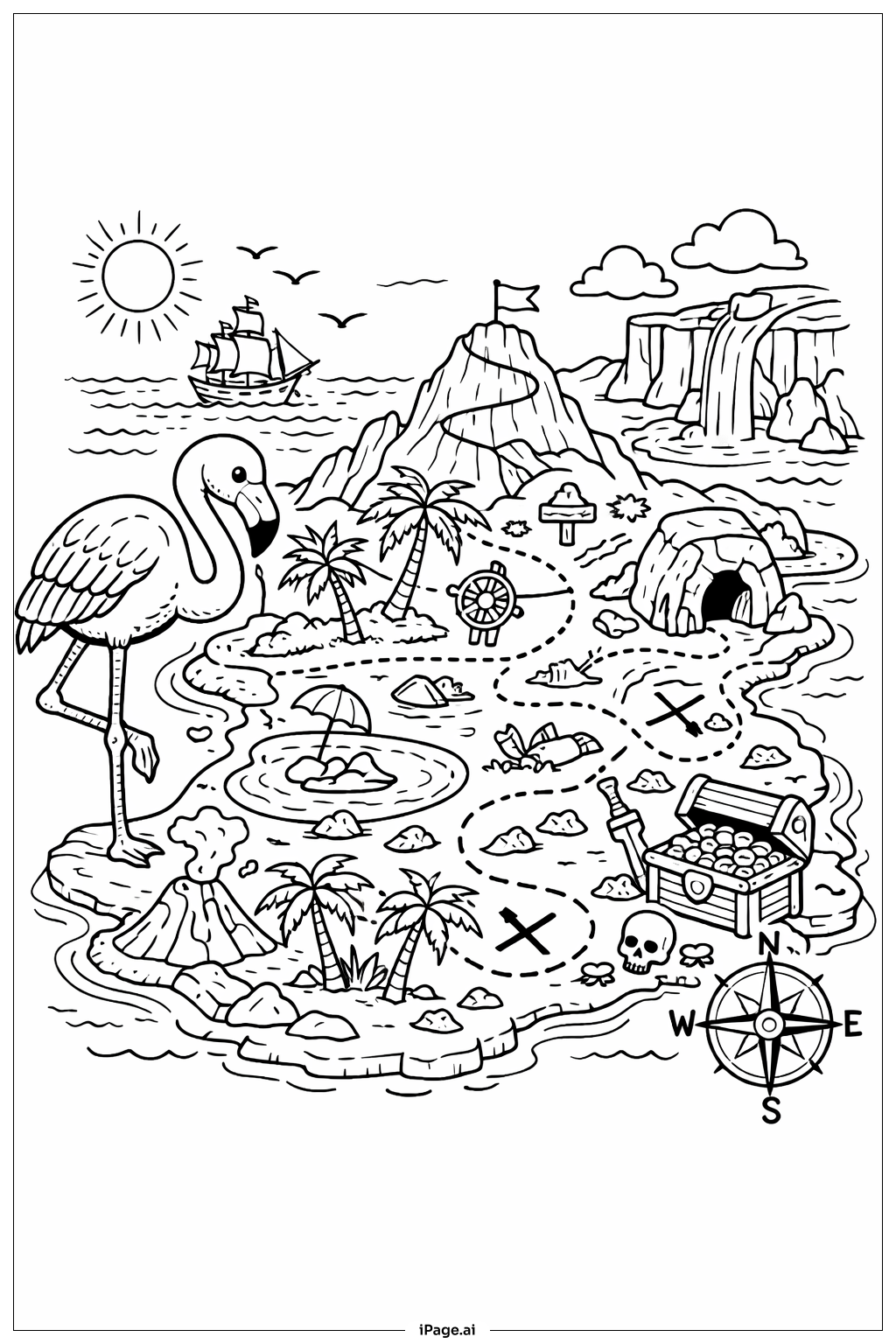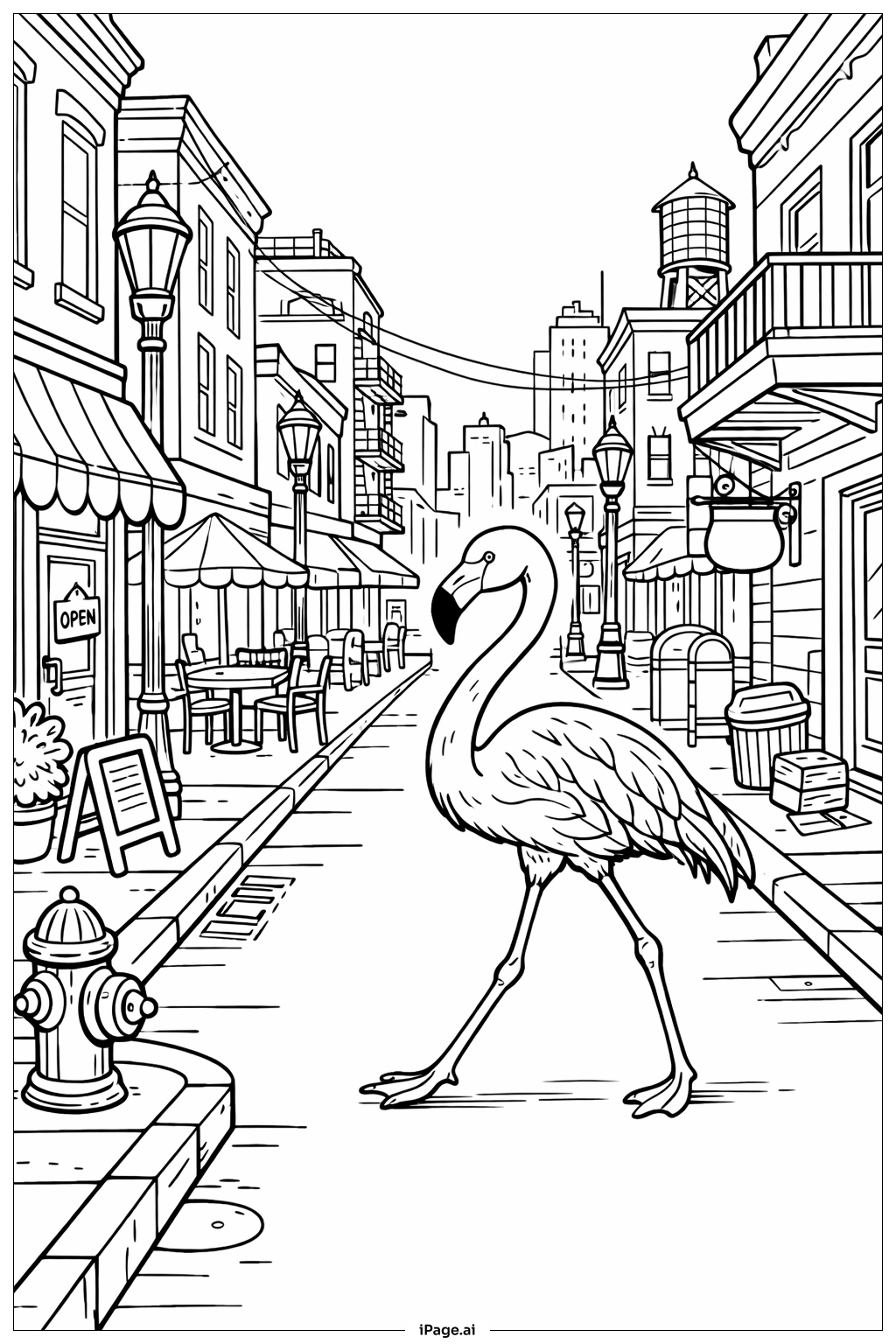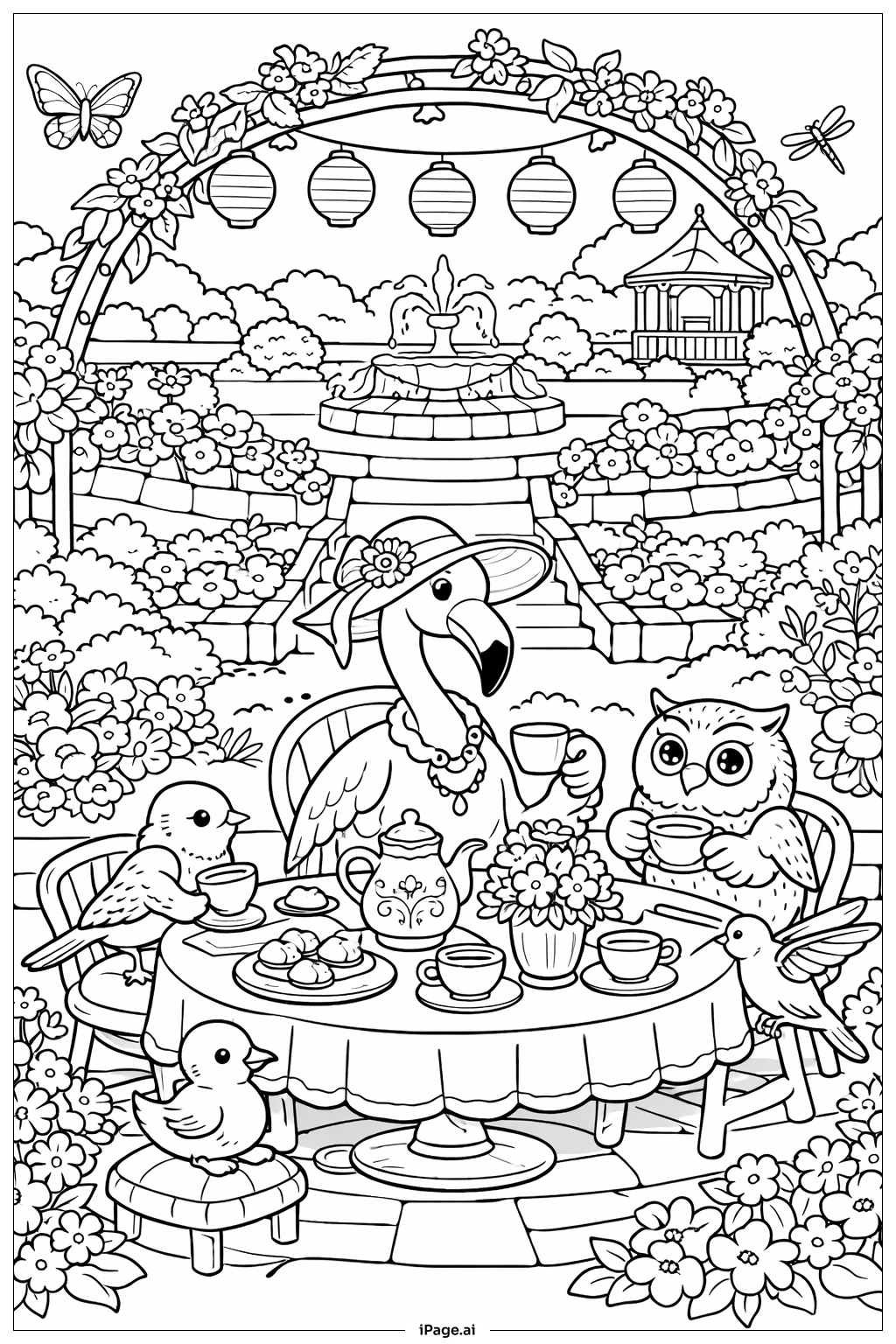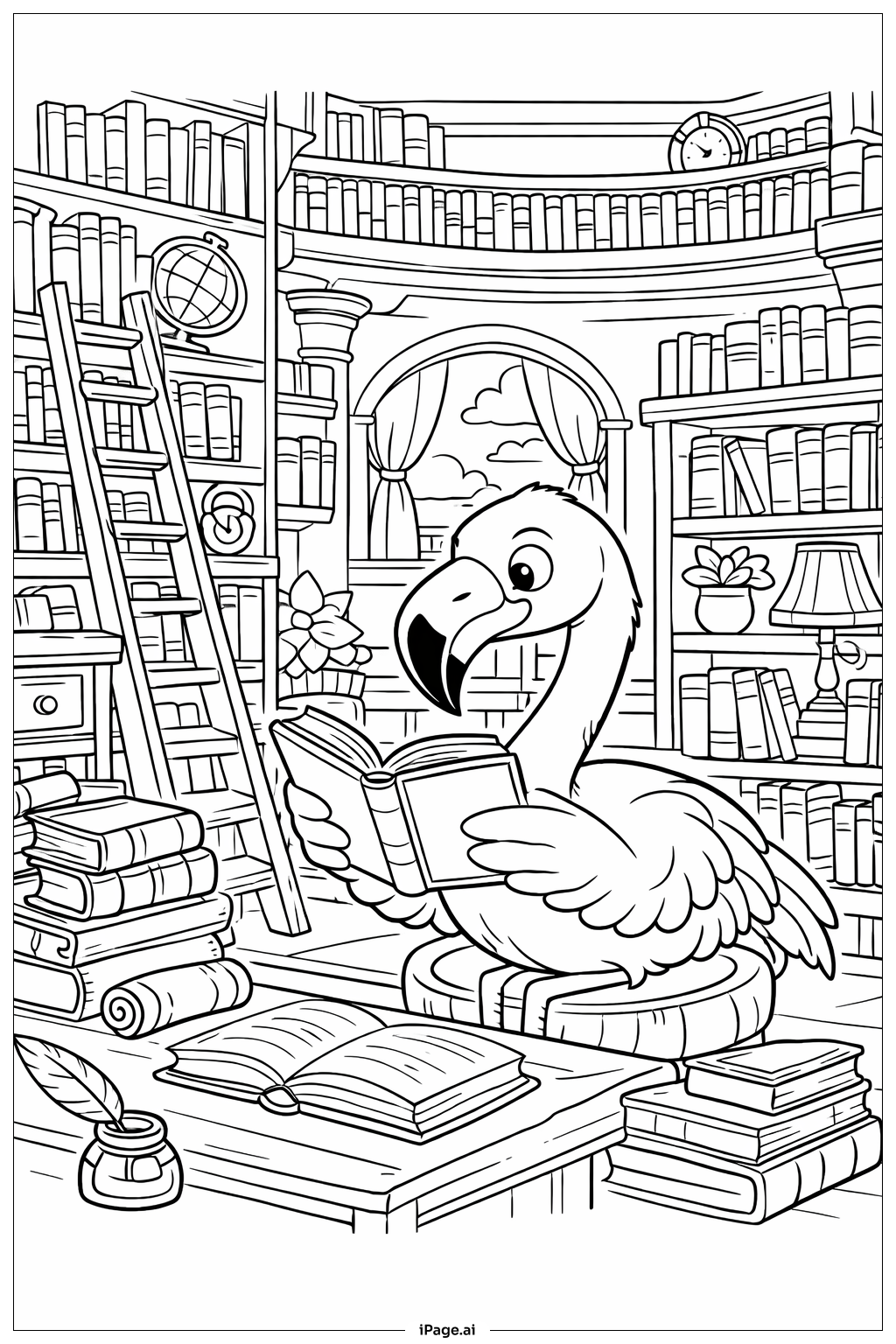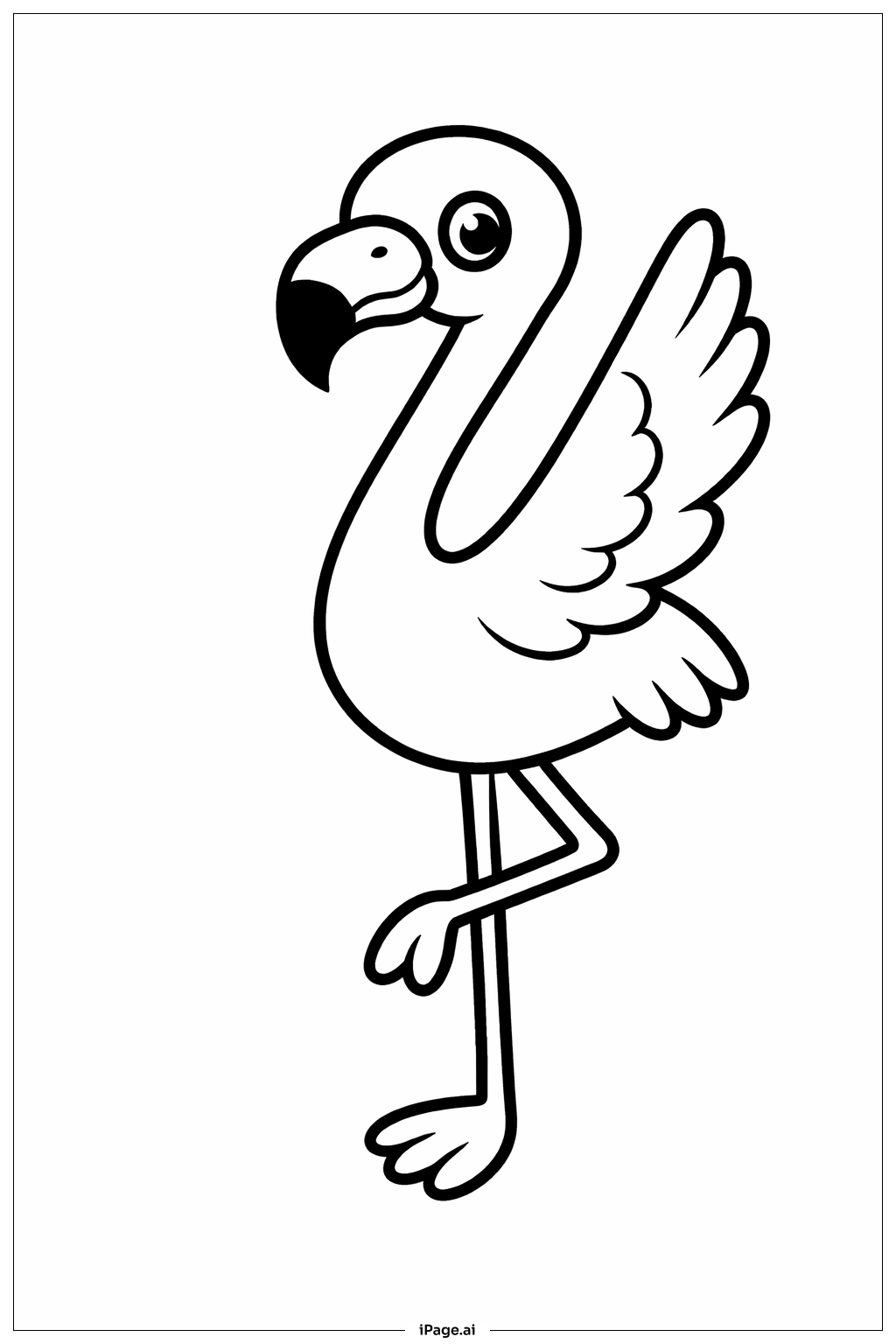
Coloring tips: How to color Flamingo Waving Wing coloring page well?
Start with the flamingo's body using various shades of pink, from soft peachy-pink to vibrant coral and hot pink. You can blend different pink tones to create depth and dimension. The wing tips can be colored with darker pink or even add touches of black to match real flamingos. Use orange or coral for the legs and feet to make them stand out. The beak should be pink at the base with a black tip, just like real flamingos have. For a fun touch, consider adding a light blue or turquoise background to represent water or sky. You might also add some green at the bottom to suggest grass or reeds where flamingos live. Don't forget to use white or leave some areas uncolored to create highlights and make your flamingo look shiny and three-dimensional.
Coloring challenges: Which parts are difficult to color and need attention for Flamingo Waving Wing coloring page?
• Wing Feather Details: The wing contains numerous individual feathers with distinct lines and shapes that require patience and precision. Young children may find it challenging to stay within the boundaries of each feather, while older colorists will need to decide whether to color each feather differently or create a smooth gradient effect across the entire wing surface.
• Leg Proportions and Shading: The flamingo's long, thin legs present a challenge for creating realistic shading and maintaining consistent color within narrow spaces. Coloring without going outside the lines requires steady hand control, and adding shadows to show the cylindrical shape of the legs demands understanding of light and dimension.
• Curved Neck Blending: The S-curved neck offers an opportunity for color gradation, but achieving a smooth transition from lighter to darker shades can be tricky. This area requires blending skills to avoid a patchy appearance and to create the natural flow that makes the flamingo look three-dimensional and lifelike.
• Body Volume and Texture: The rounded body shape needs careful color application to suggest fullness and volume. Creating the soft, fluffy texture of flamingo feathers while maintaining the overall pink coloration requires layering techniques and possibly using different pressure levels with coloring tools to achieve varied intensities.
Benefits of coloring books: Advantages of drawing Flamingo Waving Wing coloring page
Coloring this flamingo helps children learn about exotic animals and their unique characteristics. The detailed wing feathers provide excellent practice for fine motor skills and hand-eye coordination, especially for younger children who are developing pencil control. The various sections of the bird encourage color recognition and decision-making about which shades work well together. Working on the curved neck and long legs helps improve focus and concentration as children carefully color within the lines. This image also sparks imagination about tropical environments and wildlife habitats. The friendly, waving pose of the flamingo creates a positive emotional connection, making the coloring experience joyful and relaxing. Completing this detailed image builds confidence and provides a sense of accomplishment, especially when children see their finished, colorful flamingo.