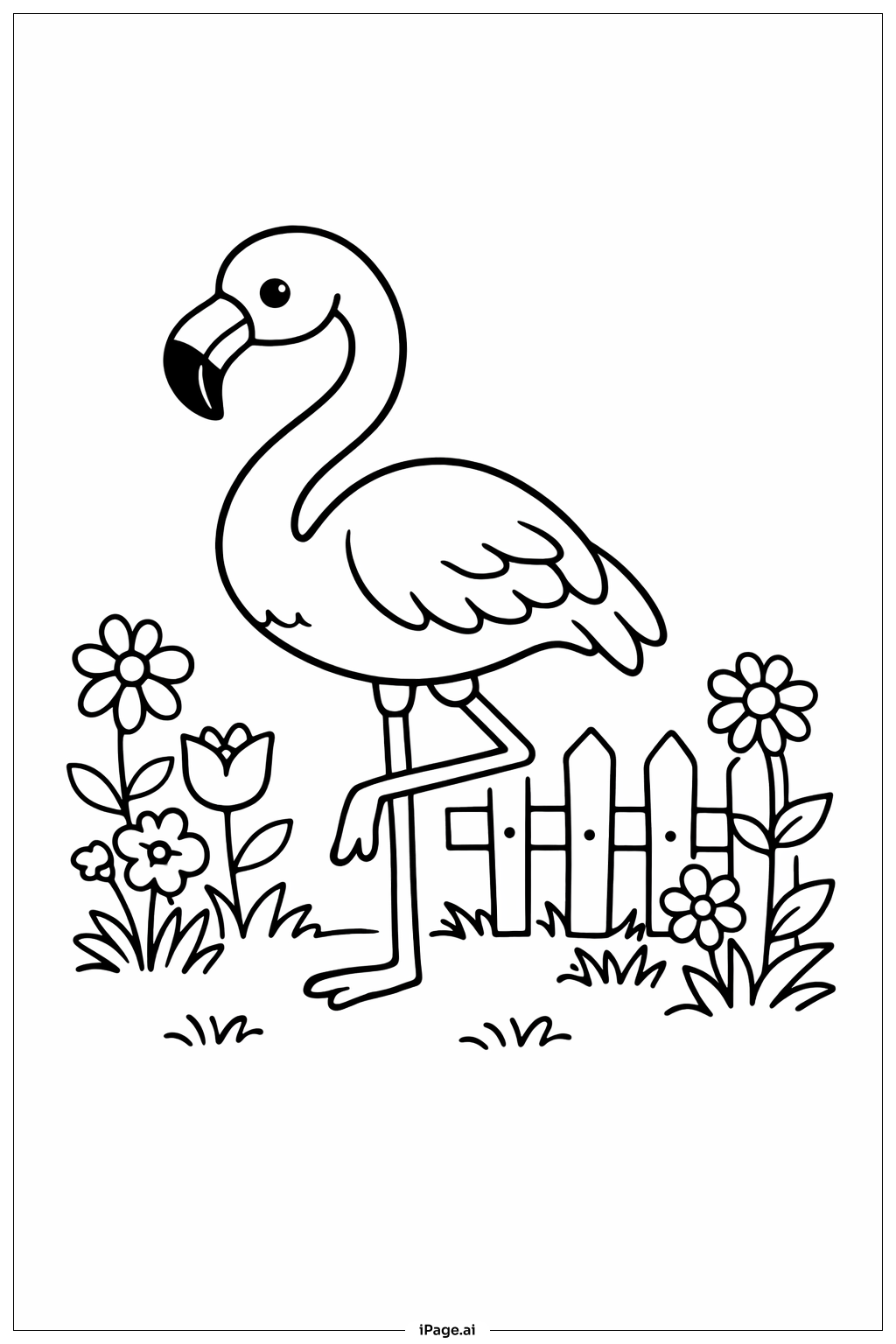
Coloring tips: How to color Flamingo in Garden coloring page well?
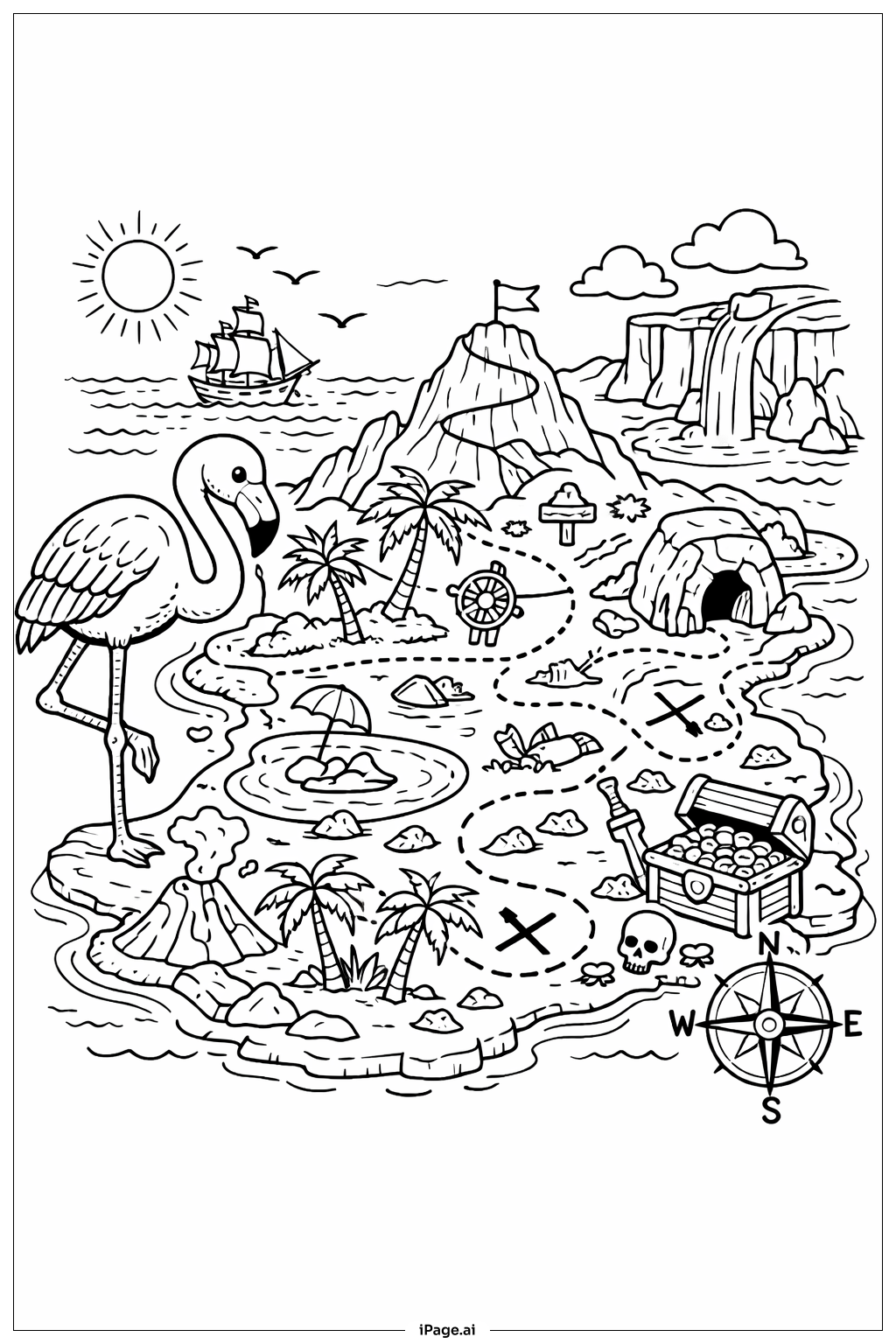
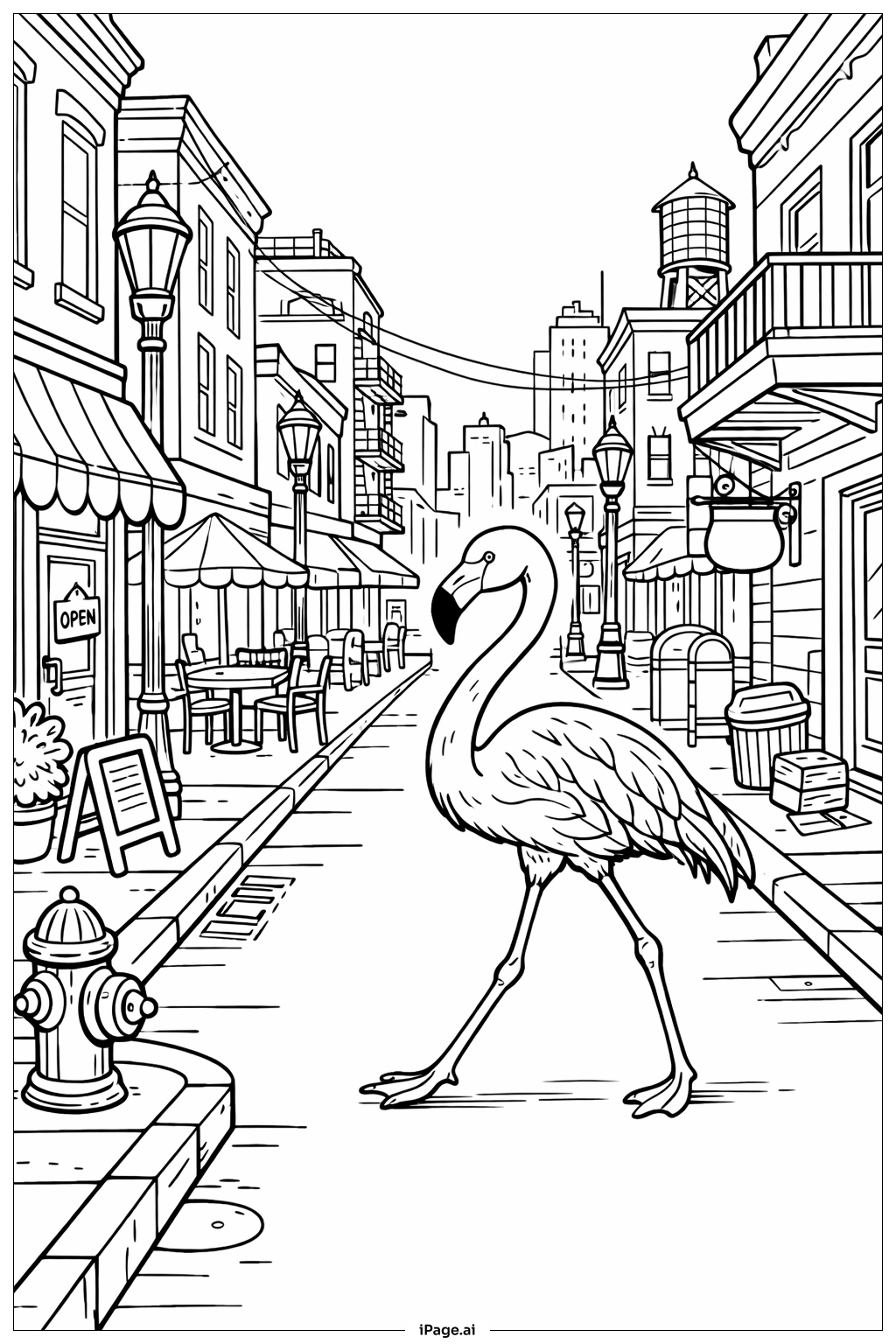
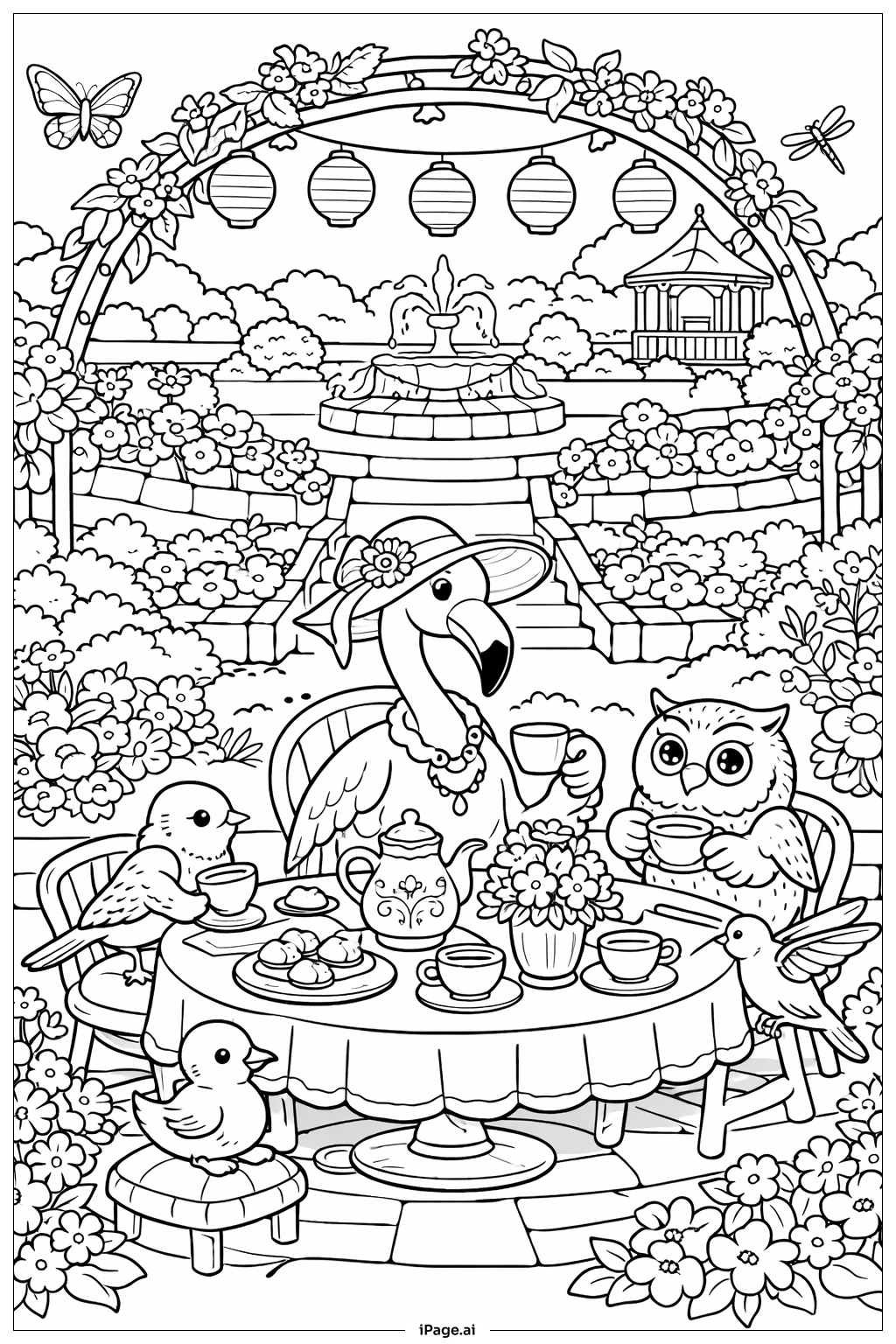
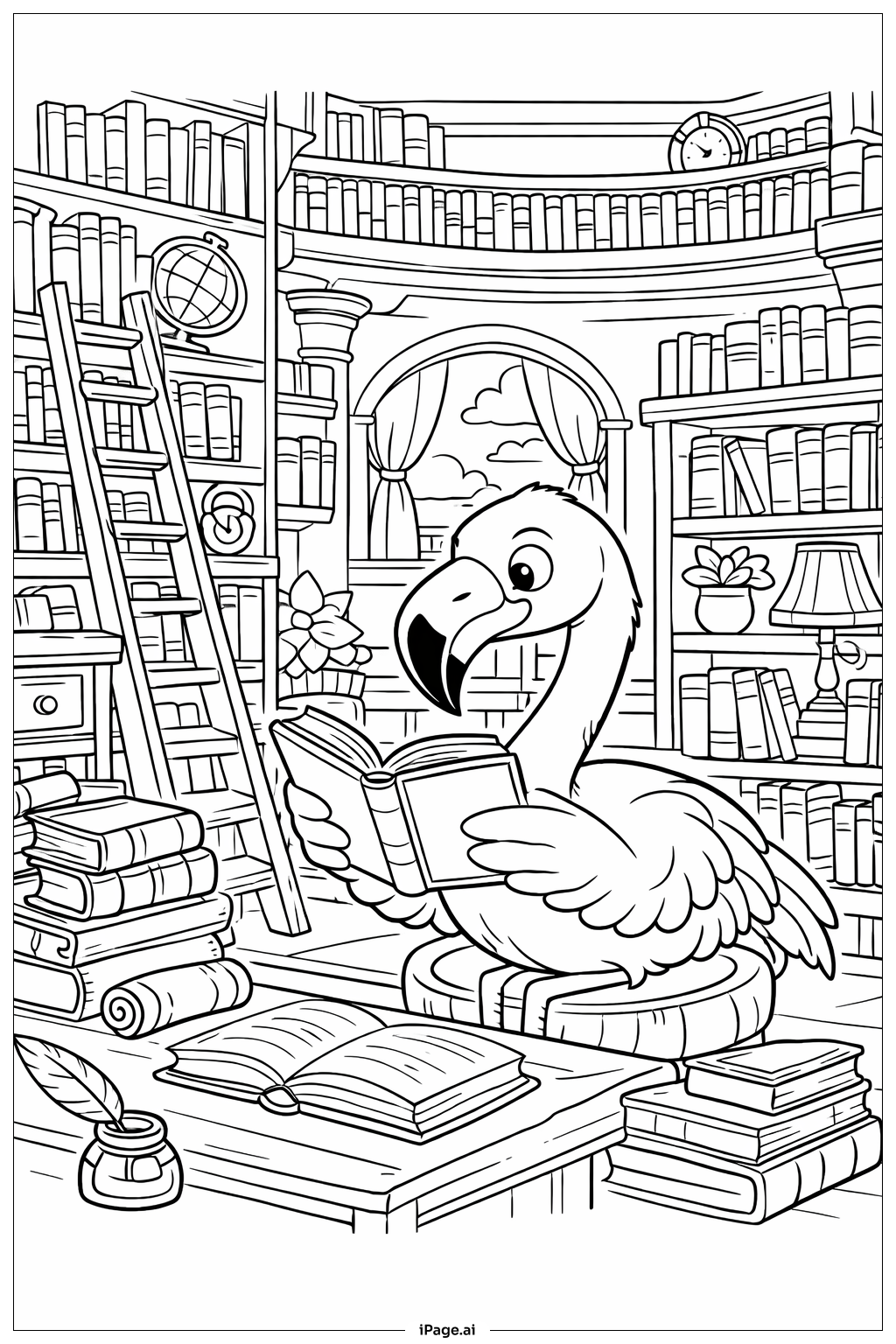
For the flamingo, use vibrant pink shades ranging from soft coral to deep salmon, with darker pink tones on the wing tips. The beak can be colored with bright orange or coral near the tip and black at the base, staying true to the flamingo's natural appearance. For the legs, choose orange or reddish-pink hues. The garden leaves offer wonderful opportunities for color experimentation. Try various shades of green, from lime and emerald to deep forest green, adding yellow-green highlights where sunlight might touch. Consider using blue-green or teal for some leaves to create depth and variety. Add touches of yellow or brown to leaf veins for realistic detail. You might even incorporate purple, burgundy, or variegated patterns on certain leaves for a more exotic, tropical feel. Keep the background lighter to make the flamingo stand out as the focal point.
Coloring challenges: Which parts are difficult to color and need attention for Flamingo in Garden coloring page?
• Feather Texture and Layering: The flamingo's body features overlapping feathers that require careful attention to create realistic depth and dimension. Coloring each feather section with subtle gradients from light to dark pink helps achieve a natural, layered look. Maintaining consistent direction and intensity across multiple feather areas while avoiding a flat appearance presents a technical challenge that requires patience and planning.
• Leaf Vein Details: The botanical elements include intricate vein patterns running throughout each leaf that demand precision and a steady hand. These delicate lines are thin and numerous, requiring fine-tipped coloring tools and careful control to stay within boundaries. Deciding whether to color veins lighter or darker than the leaf base, and maintaining consistency across all foliage, adds complexity to the coloring process.
• Color Balance and Contrast: Achieving harmonious color distribution between the bright pink flamingo and the predominantly green garden setting requires thoughtful planning. The challenge lies in making the flamingo pop as the main subject while ensuring the background foliage remains interesting but not overwhelming. Selecting the right intensity of greens and pinks so they complement rather than clash demands an understanding of color relationships.
• Long, Slender Legs: The flamingo's thin legs require steady, precise coloring to maintain clean edges and even coverage within narrow spaces. Any coloring outside the lines becomes immediately noticeable on these delicate features. Creating smooth gradients or subtle shading on such slim areas without streaking or patchiness tests fine motor skills and tool control.
Benefits of coloring books: Advantages of drawing Flamingo in Garden coloring page
Coloring this flamingo garden scene offers multiple developmental benefits for children and relaxation advantages for all ages. The intricate leaf patterns and feather details enhance fine motor skills and hand-eye coordination through precise movements required for detailed work. Children practice focus and concentration as they work carefully on the delicate vein structures and thin flamingo legs. The nature theme provides an educational opportunity to learn about flamingos, their habitats, and tropical plant life, sparking curiosity about wildlife and ecosystems. Color selection and planning promote decision-making skills and artistic confidence as colorists choose harmonious palettes. The combination of large areas like leaves with smaller detailed sections accommodates different skill levels, making it accessible yet challenging. The meditative quality of coloring reduces stress and anxiety while the tropical garden theme evokes calm, peaceful feelings. Completing this beautiful scene builds self-esteem and provides a sense of accomplishment, resulting in artwork suitable for display and personal pride.