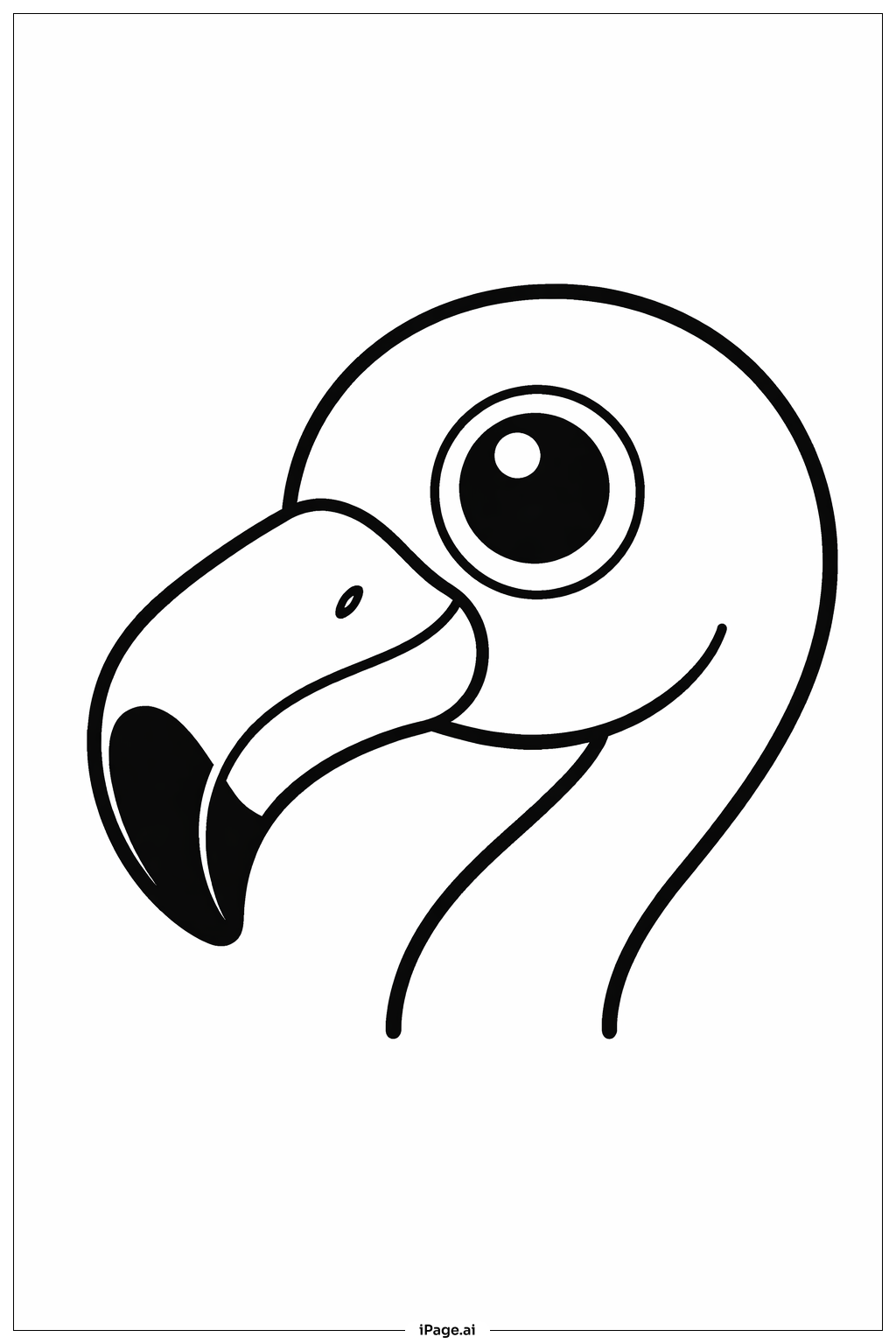
Coloring tips: How to color Flamingo Head Closeup coloring page well?
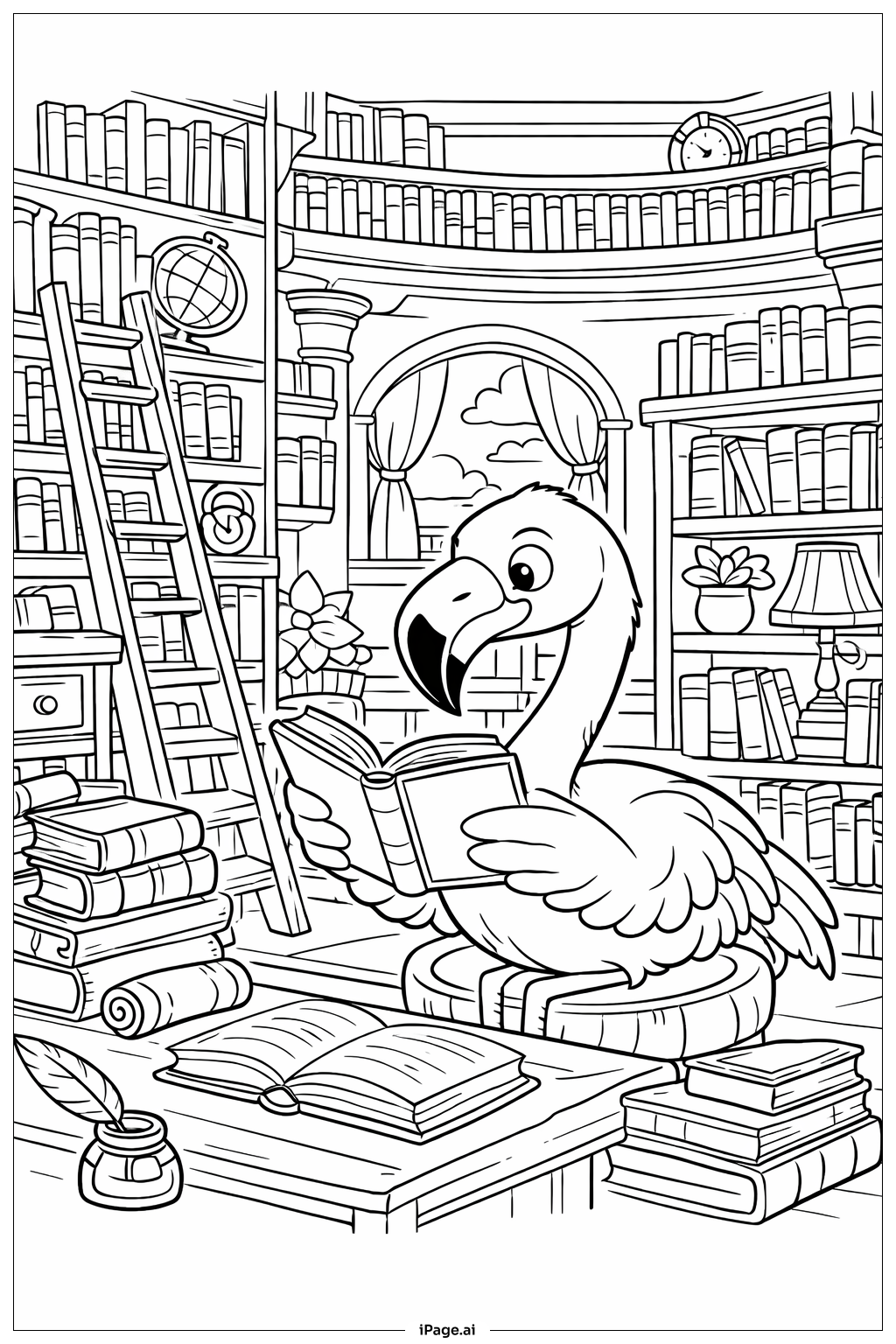
For this flamingo head closeup, start with the iconic pink coloring that flamingos are famous for. Use various shades of pink, from soft peachy-pink to vibrant coral and deeper rose tones to create depth and dimension. The beak should be colored with a bright pink or coral base, transitioning to a bold black tip. Add a thin white or pale pink line where the two colors meet for a natural look. The eye can be colored with bright yellow or golden tones, with a small black pupil for contrast. For added realism, use lighter pink or white highlights on the curved areas of the neck and head to show where light naturally hits. Consider blending colors smoothly to capture the flamingo's soft feather texture, using colored pencils or markers with gentle pressure for the best results.
Coloring challenges: Which parts are difficult to color and need attention for Flamingo Head Closeup coloring page?
• Curved Beak Shading: The flamingo's distinctively curved beak presents a unique challenge because it requires careful attention to light and shadow to show its three-dimensional form. Colorists need to blend the pink base color smoothly into the black tip while maintaining the natural curve. The transition area between colors must look seamless rather than harsh, which takes practice with blending techniques.
• Feather Texture and Direction: Creating realistic feather texture on the head and neck requires understanding how feathers layer and flow in different directions. The small feathers around the face are particularly tricky because they need fine detail work. Colorists must use small, controlled strokes that follow the natural feather pattern while avoiding making the area look too busy or messy.
• Color Gradation and Depth: Flamingos have subtle color variations throughout their plumage, from lighter peachy tones to deeper coral shades. Achieving smooth color transitions across the neck and head while maintaining the rounded form requires careful color selection and blending skills. Young colorists may find it challenging to create depth without making the colors look patchy or uneven.
• Eye Detail and Expression: The flamingo's eye, though small in the composition, is crucial for bringing life to the image. Coloring the eye requires precision to keep it crisp and expressive, with proper highlights to make it look realistic. The area around the eye also needs careful attention to show the subtle skin texture and coloring that differs from the feathered areas.
Benefits of coloring books: Advantages of drawing Flamingo Head Closeup coloring page
Coloring this flamingo head closeup offers wonderful benefits for children and young artists. It helps develop fine motor skills through detailed work on small areas like the eye and beak tip. The curved lines of the neck and beak encourage smooth, controlled hand movements that improve pencil control and coordination. This image also teaches color blending and shading techniques as colorists work with different pink tones to create depth and dimension. Children learn about wildlife and the natural world while coloring, discovering why flamingos are pink and what makes them unique. The focus required to stay within lines and follow feather patterns builds concentration and patience. Successfully completing this detailed portrait boosts confidence and provides a sense of accomplishment, especially when the finished flamingo looks vibrant and lifelike.